

Article
Pierre Goldschmidt

REQUIRED IMAGE
While the world consumption of electricity rises, the share of total electricity produced by nuclear power plants worldwide will, until 2030, likely remain at its present level of about 15 percent, given the time it takes to build new reactors and the number of aging reactors that will be decommissioned. Yet, as competition for oil and gas supplies increase over the next two decades, more countries will need to meet their electricity needs through alternative means. While not a panacea, nuclear energy can be part of the solution. It is important to ensure that future nuclear expansion is as safe and secure as possible, and now is the time to put stronger barriers to proliferation in place, says Pierre Goldschmidt, former deputy director general of the IAEA and a visiting scholar at the Carnegie Endowment for International Peace, in a speech at the 24th Conference of the Nuclear Societies in Israel.
In light of the current debate about the merits and risks associated with nuclear energy, Goldschmidt focuses on several key measures needed to strengthen the non-proliferation regime, among them:
Drawing from the cases of non-compliance with North Korea and Iran and the "special case" of India--as unilaterally defined by the United States--Goldschmidt concludes that the global spread of nuclear power plants is an inescapable reality, but that "healthy competition should not be done at the expense of stringent safety, security and non-proliferation standards." Otherwise, he says, "the non-proliferation regime will be weakened precisely at a time when it should be strengthened" and "for sure, there will be a renaissance of nuclear weapons proliferation in the future."
Click on the link above for full text of the speech.
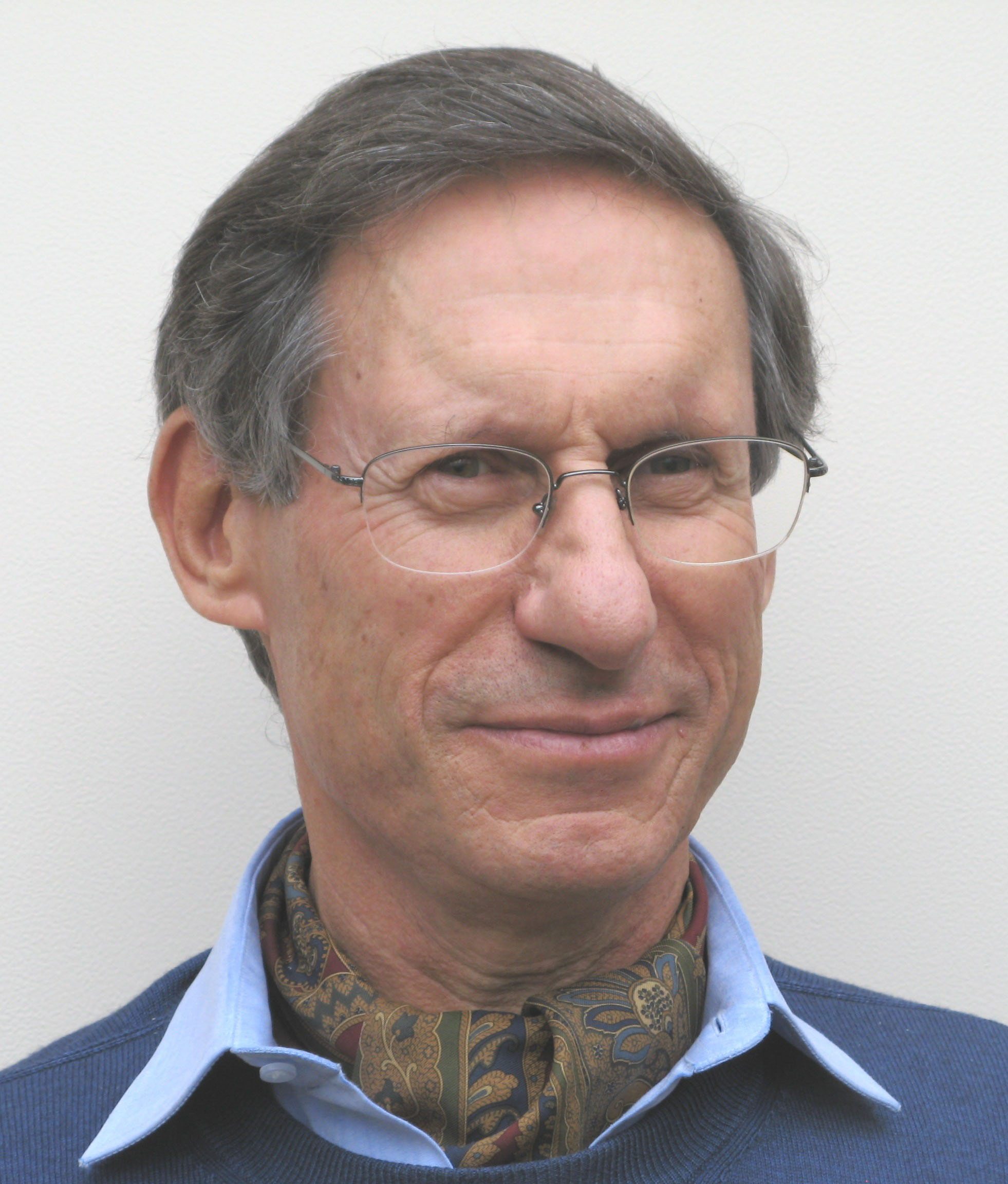
Former Nonresident Senior Associate, Nuclear Policy Program
Goldschmidt was a nonresident senior associate at the Carnegie Endowment.
Recent Work
Pierre Goldschmidt
Pierre Goldschmidt
Carnegie India does not take institutional positions on public policy issues; the views represented herein are those of the author(s) and do not necessarily reflect the views of Carnegie, its staff, or its trustees.
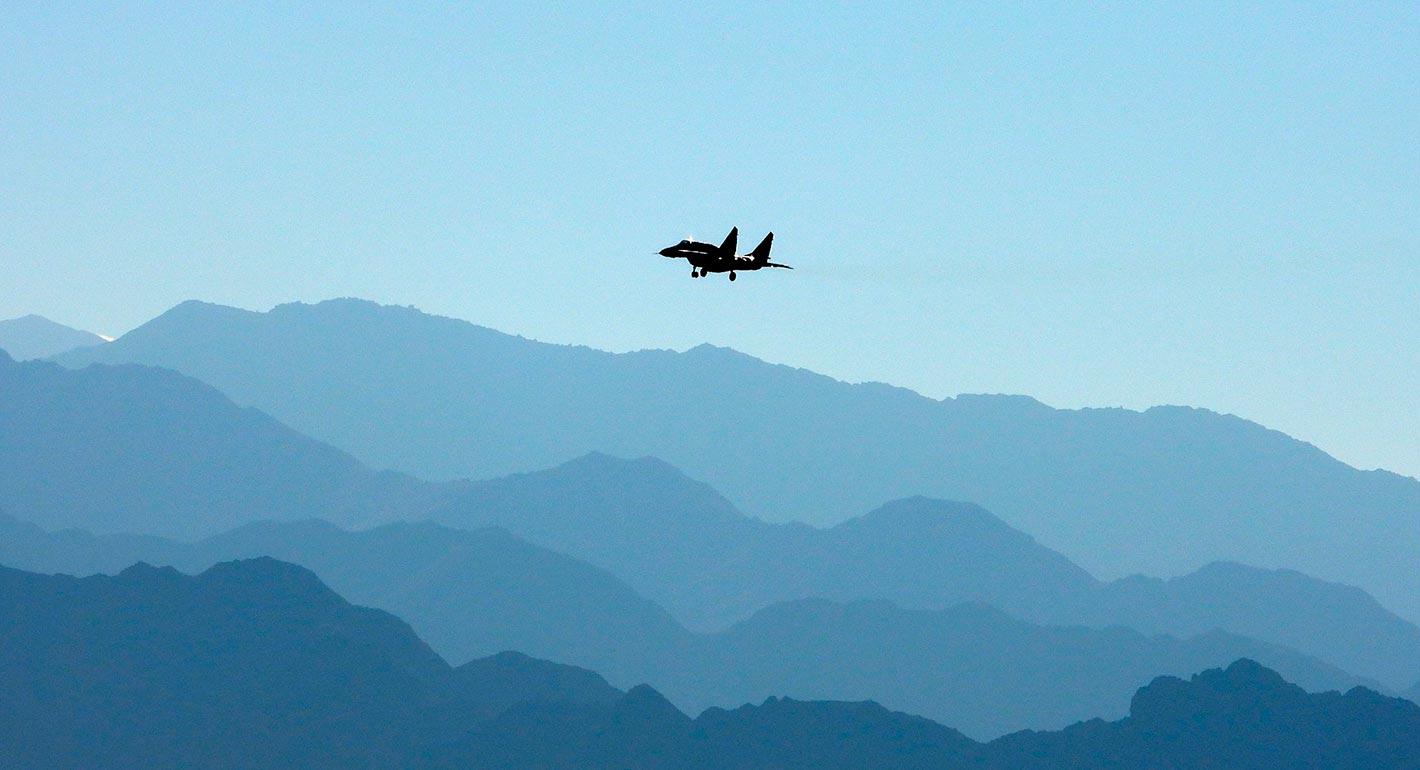
Asia’s two largest nuclear powers have never threatened each other with nuclear weapons. How much will the recent deadly border clashes between China and India change the security landscape?


Toby Dalton, Tong Zhao, Rukmani Gupta
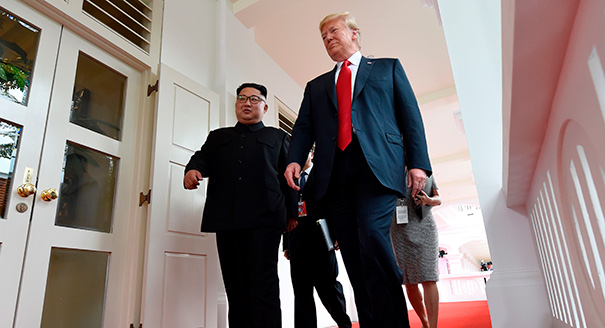
In the course of one morning in Singapore, U.S. President Donald Trump and the North Korean leader Kim Jong-un have begun to loosen a deeply entrenched and hostile relationship.
C. Raja Mohan
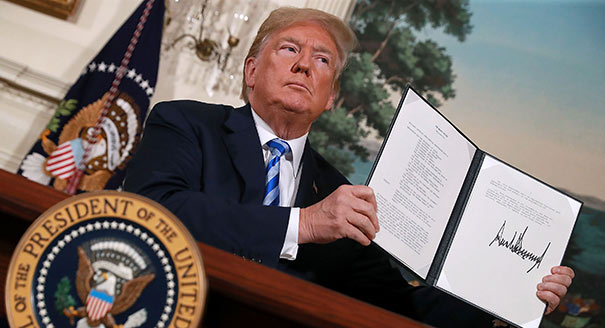
U.S. President Donald Trump’s decision to pull out of the Iran nuclear deal appears to have put regime change at the very center of the new American power play against Tehran.
C. Raja Mohan
The South Asian stalemate is likely to endure even as South and North Korea appear poised to turn the page.
C. Raja Mohan
While the Trump administration’s efforts to get tough on Pakistan face challenges and potential dangers, the change in stance signals a new political will to pursue previously untried measures which offer some hope of success.
C. Raja Mohan