
• Research
  • About
  • Experts
Carnegie India logoCarnegie lettermark logo
AI
Sovereign Wealth Funds: A 12-Point Action Plan

Source: Getty

Article
Malcolm H. Kerr Carnegie Middle East Center

Sovereign Wealth Funds: A 12-Point Action Plan

The code of conduct outlined by the International Working Group of Sovereign Wealth Funds might lose its rationale if it is not vigorously implemented. The individual aspects of the principles need to be more carefully looked at.
Link Copied
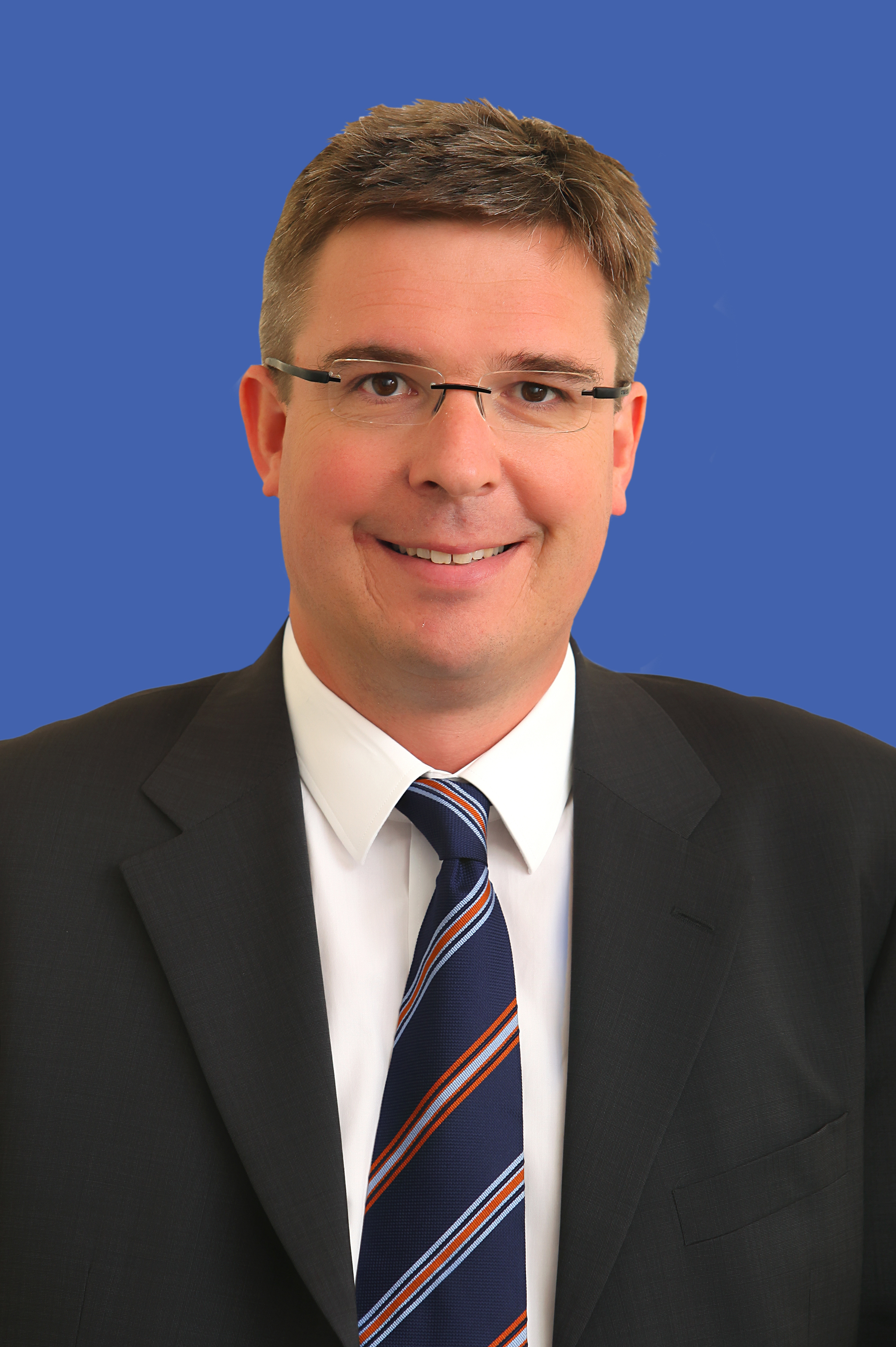
By Sven Behrendt
Published on Mar 10, 2009

Additional Links

12-Point Action Plan
The role of sovereign wealth funds in the global financial system has been one of the top items on the global agenda in the past 20 months.
 
Responding to a political backlash, funds formed the International Working Group of Sovereign Wealth Funds in May 2008. In the course of a few months, the working group hammered out as set of Generally Accepted Principles and Practices, known as the Santiago Principles, published in October 2008.
 
The Santiago Principles served as an attempt at a framework that properly reflected appropriate governance and accountability arrangements, as well as the conduct of investment practices by sovereign wealth funds on a prudent and sound basis.
 
However, it is now unclear for the outside observer how exactly the working group wants to advance its work. The current situation in global financial markets appears to have made moving forward with the Santiago Principles less urgent. The worsening turmoil has tempered the agitated debates about the role of funds in the global financial architecture.
 
But, given the future systemic relevance of sovereign wealth funds as an investor class, the group should continue rigorously the process that it has started.
 
The Santiago Principles might lose their rationale if they are not vigorously implemented. The individual aspects of the Principles need to be more carefully looked at.
 
The working group itself needs to be more transparent about its future work. An inadequate level of information about the groups governance structures, process management and long-term strategy exists.
 
And considerable tension between the voluntary implementation of the principles by individual funds and the interests of the group to maintain some collective approach to implementation persists.
 
There is still a certain degree of uncertainty in the public about factors other than financial or economic considerations driving investment behaviour of funds. The working group could be more proactive in exploring the reasoning of these motivations for driving investment decisions. It should also seek to reach beyond the investor community and immediate stakeholders in global financial markets. The criticism of funds in recipient economies has very much been driven by populist sentiment. So it would make sense for the working group to engage with a broader audience and build the political capital that it needs to keep markets open in the long run.
 
To be sure, the Santiago Principles represent a hugely innovative approach to global governance, contributing to a growing body of international codes that provides order to the world of international finance. And it is fairly rare in international affairs that within a relatively short period of time participants from East Asia, the Middle East, Europe and America come to an agreement on such a politically-charged issue. Also, individual funds are just in the process of establishing their operations, as the Santiago Principles rightly claim. They need more time to implement the principles.
 
However, the working groups work was designed to curb the political backlash that funds have faced in the past two years. Now, it needs to sustain the process that it has started. Otherwise it risks losing traction, not only among funds but also the global audience.

About the Author

Sven Behrendt

Former Visiting Scholar, Middle East Center

Behrendt is an expert in global issues, international negotiations, conflict resolution, and corporate strategy. He previously served at the World Economic Forum in various management positions.

    Recent Work

  • Paper
    Sovereign Wealth Funds and the Santiago Principles: Where Do They Stand?

      Sven Behrendt

  • Article
    Sovereign Wealth Funds: The Governance Challenge

      Sven Behrendt

Sven Behrendt
Former Visiting Scholar, Middle East Center
Sven Behrendt
GulfMiddle EastEconomy

Carnegie India does not take institutional positions on public policy issues; the views represented herein are those of the author(s) and do not necessarily reflect the views of Carnegie, its staff, or its trustees.

More Work from Carnegie India

  • Article
    India’s Press Note 3 Gamble: Opening the FDI Door to China

    On March 10, 2026, India’s Union Cabinet approved amendments to Press Note 3, a regulation that mandated government approval on all foreign direct investment (FDI) from countries sharing a land border with India. This amendment raises questions primarily about whether its stated benefits will materialize and if the risks have been adequately weighed. This piece will address the same.

      Konark Bhandari

  • Commentary
    The Impact of U.S. Sanctions and Tariffs on India’s Russian Oil Imports

    This piece examines India’s response to U.S. sanctions and tariffs, specifically assessing the immediate market consequences, such as alterations in import costs, and the broader strategic implications for India’s energy security and foreign policy orientation.

      Vrinda Sahai

  • Paper
    India-China Economic Ties: Determinants and Possibilities

    This paper examines the evolution of India-China economic ties from 2005 to 2025. It explores the impact of global events, bilateral political ties, and domestic policies on distinct spheres of the economic relationship.

      Santosh Pai
  • Commentary
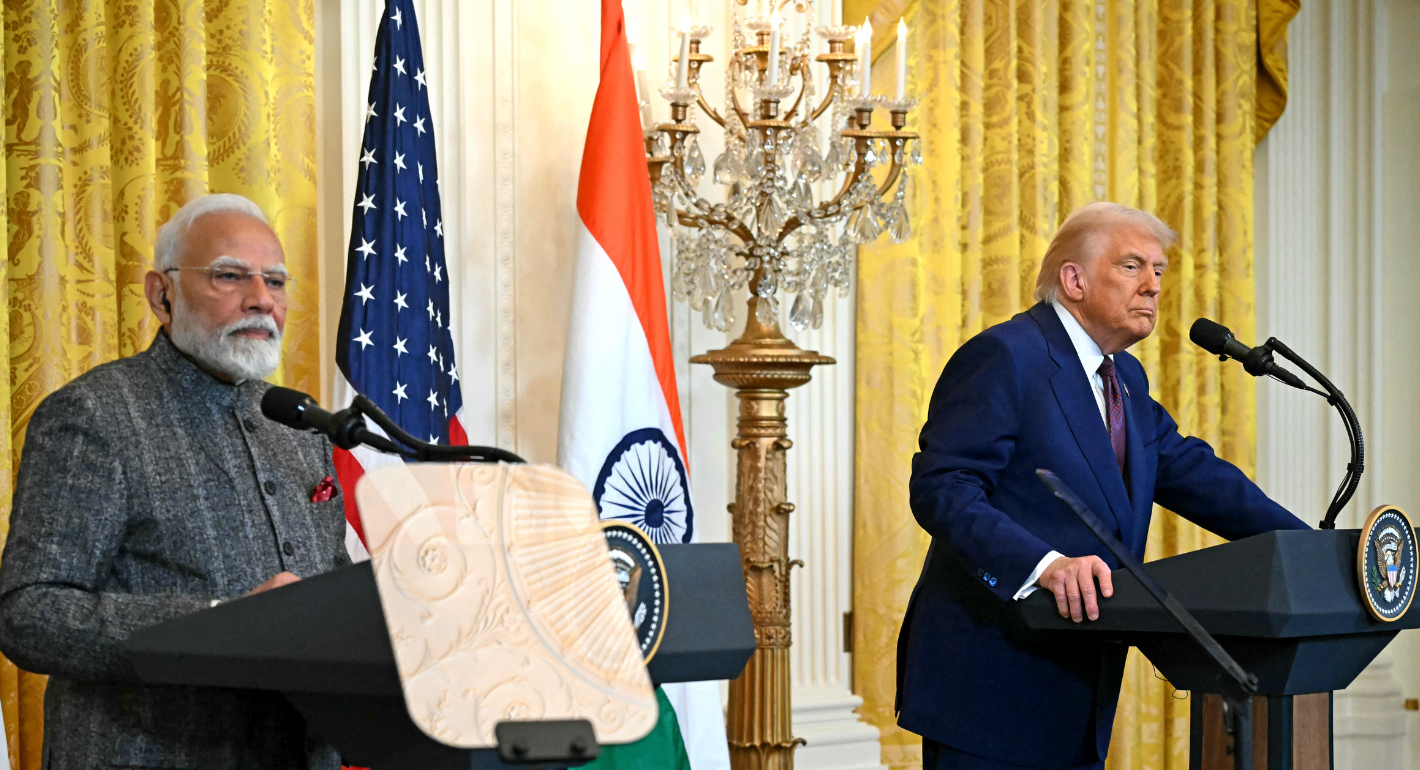
    TRUST and Tariffs

    The India-U.S. relationship currently appears buffeted between three “Ts”—TRUST, Tariffs, and Trump.
      Arun K. Singh
  • Article
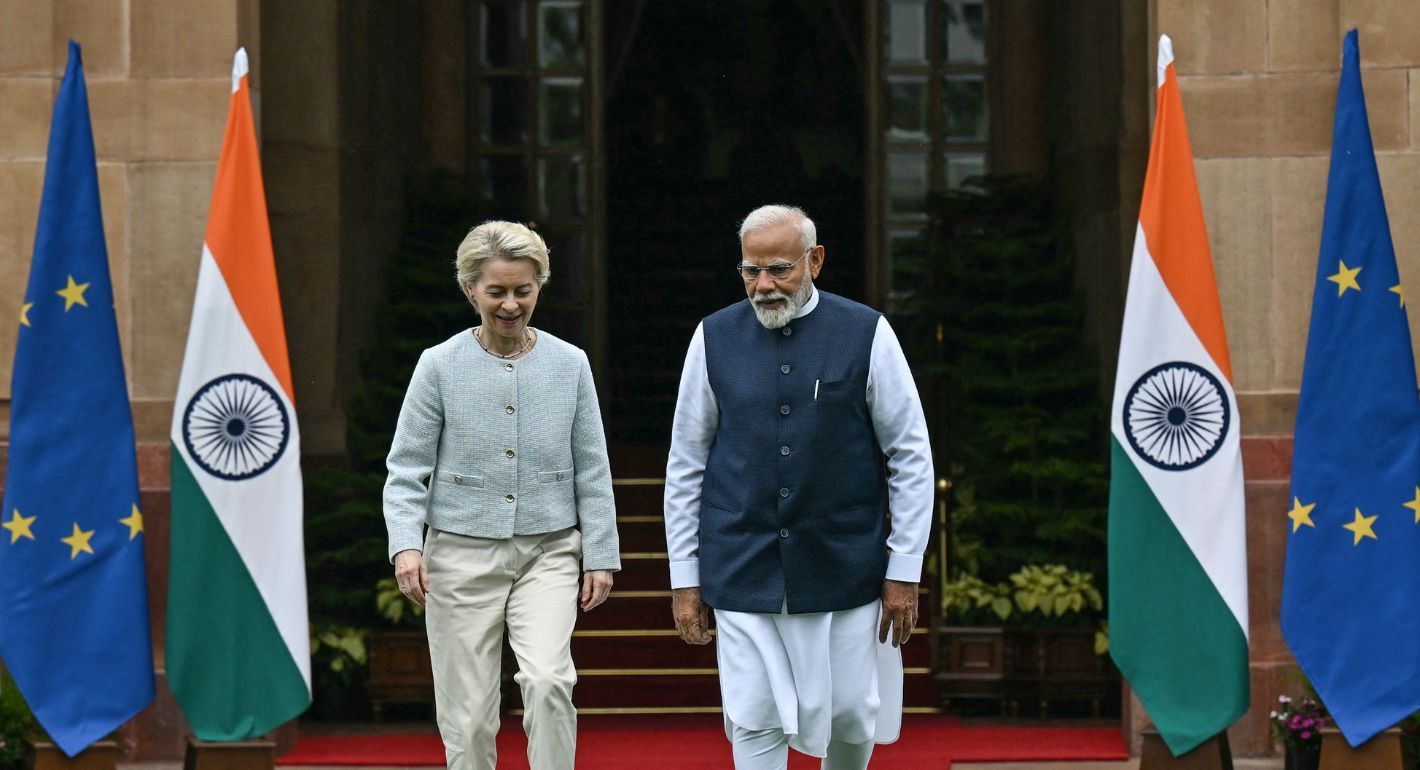
    Can Geopolitical Alignment Seal the India-EU FTA?

    This article argues that the geopolitical circumstances have never been more conducive, not merely for the early conclusion of the free trade agreement (FTA) between India and the EU, but also for crafting a substantive and comprehensive strategic partnership.
      Mohan Kumar

Get more news and analysis from
Carnegie India
Carnegie India logo, white
Unit C-4, 5, 6, EdenparkShaheed Jeet Singh MargNew Delhi – 110016, IndiaPhone: 011-40078687
  • Research
  • About
  • Experts
  • Projects
  • Events
  • Contact
  • Careers
  • Privacy
  • For Media
Get more news and analysis from
Carnegie India
© 2026 Carnegie Endowment for International Peace. All rights reserved.