

Article
John P. Millhone
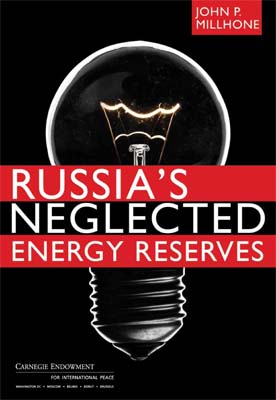
Russia’s energy reserves can be conserved through available, cost-effective measures, which will lead to a more competitive economy, more jobs, and increased national income.
Russia enjoys the world’s largest share of energy resources. While urban areas have grown more efficient in recent years, great expanses of the vast country continue to squander its valuable resources. Russia’s energy reserves can be conserved through available, cost-effective measures and this will lead to a more competitive economy, more jobs, and increased national income.
Significant benefits are within reach if effective federal, district, and local programs are implemented. By improving energy efficiency, Russia could:
“Russia has a unique win-win opportunity if it acts aggressively to couple its energy and climate-change policies,” writes Millhone.

Former Visiting Scholar, Energy and Climate Program
Millhone is currently evaluating and commenting on U.S. energy policies and focusing on clean energy and economic stimulus initiatives. He is also providing analysis to the U.S.–China provincial and municipal energy efficiency management program.
Recent Work
John P. Millhone
John P. Millhone
Carnegie India does not take institutional positions on public policy issues; the views represented herein are those of the author(s) and do not necessarily reflect the views of Carnegie, its staff, or its trustees.

This piece argues that India’s central challenge is not managing a single flashpoint but resolving the underlying tension between expansion and institutional coherency of the BRICS grouping.

Vrinda Sahai

On March 10, 2026, India’s Union Cabinet approved amendments to Press Note 3, a regulation that mandated government approval on all foreign direct investment (FDI) from countries sharing a land border with India. This amendment raises questions primarily about whether its stated benefits will materialize and if the risks have been adequately weighed. This piece will address the same.

Konark Bhandari

This piece examines India’s response to U.S. sanctions and tariffs, specifically assessing the immediate market consequences, such as alterations in import costs, and the broader strategic implications for India’s energy security and foreign policy orientation.
Vrinda Sahai

This paper examines the evolution of India-China economic ties from 2005 to 2025. It explores the impact of global events, bilateral political ties, and domestic policies on distinct spheres of the economic relationship.

Santosh Pai
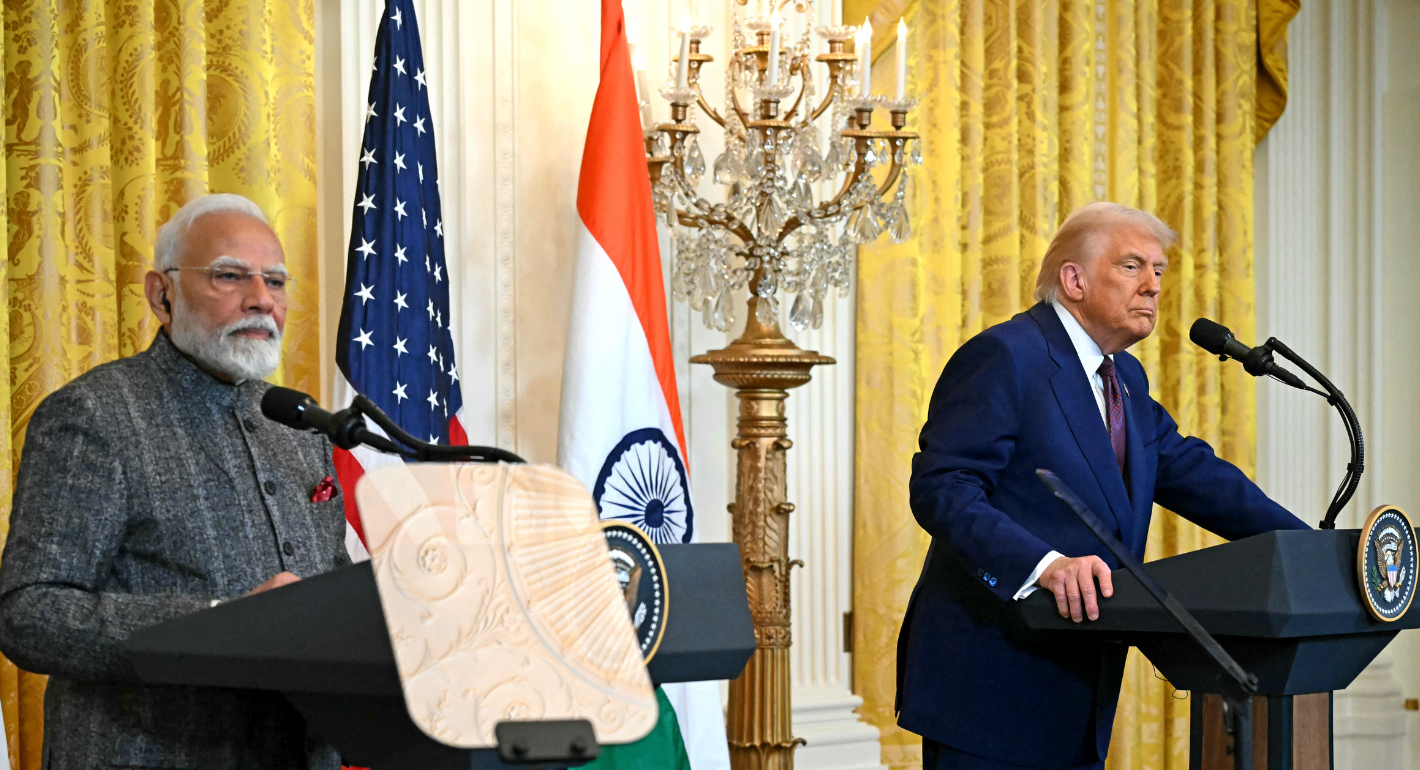
The India-U.S. relationship currently appears buffeted between three “Ts”—TRUST, Tariffs, and Trump.

Arun K. Singh