

In The Media
Lahcen Achy

Source: Getty
While Morocco’s poverty rate has fallen by more than 40 percent in the last decade, the country’s leaders must reconsider their poverty-reduction strategy if they want to sustain the positive trend and overcome remaining challenges.
Despite a lack of significant natural resources, Morocco’s poverty rate has fallen by more than 40 percent in the last decade, with less than 9 percent of its population considered poor. While lifting 1.7 million people out of poverty in ten years is notable progress, Lahcen Achy explains in a new paper that Morocco’s leaders must rethink their poverty-reduction strategy to sustain the positive trend and overcome remaining challenges.
“Despite significant progress in poverty reduction, Morocco faces the persistent problems of high illiteracy, inequality, volatile economic growth, informal and vulnerable jobs, and the uncertain levels of future remittances,” Achy writes. “Policy makers must review the country’s approach for alleviating poverty and take greater advantage of existing strengths to reach a broader spectrum of the population."

Former Nonresident Senior Associate, Middle East Center
Achy is an economist with expertise in development, institutional economics, trade, and labor and a focus on the Middle East and North Africa.
Recent Work
Lahcen Achy
Lahcen Achy
Carnegie India does not take institutional positions on public policy issues; the views represented herein are those of the author(s) and do not necessarily reflect the views of Carnegie, its staff, or its trustees.

A partnership between India, a country of subcontinental size, and Africa, a continent of fifty-four countries, may seem asymmetric until one notes that both are home to nearly the same number of people—1.4 billion. This essay spells out the existing challenges to the partnership, its optimal potential, and the possible pathways to realize it over the next quarter-century.

Rajiv Bhatia

On March 10, 2026, India’s Union Cabinet approved amendments to Press Note 3, a regulation that mandated government approval on all foreign direct investment (FDI) from countries sharing a land border with India. This amendment raises questions primarily about whether its stated benefits will materialize and if the risks have been adequately weighed. This piece will address the same.

Konark Bhandari

This piece examines India’s response to U.S. sanctions and tariffs, specifically assessing the immediate market consequences, such as alterations in import costs, and the broader strategic implications for India’s energy security and foreign policy orientation.

Vrinda Sahai

This paper examines the evolution of India-China economic ties from 2005 to 2025. It explores the impact of global events, bilateral political ties, and domestic policies on distinct spheres of the economic relationship.

Santosh Pai
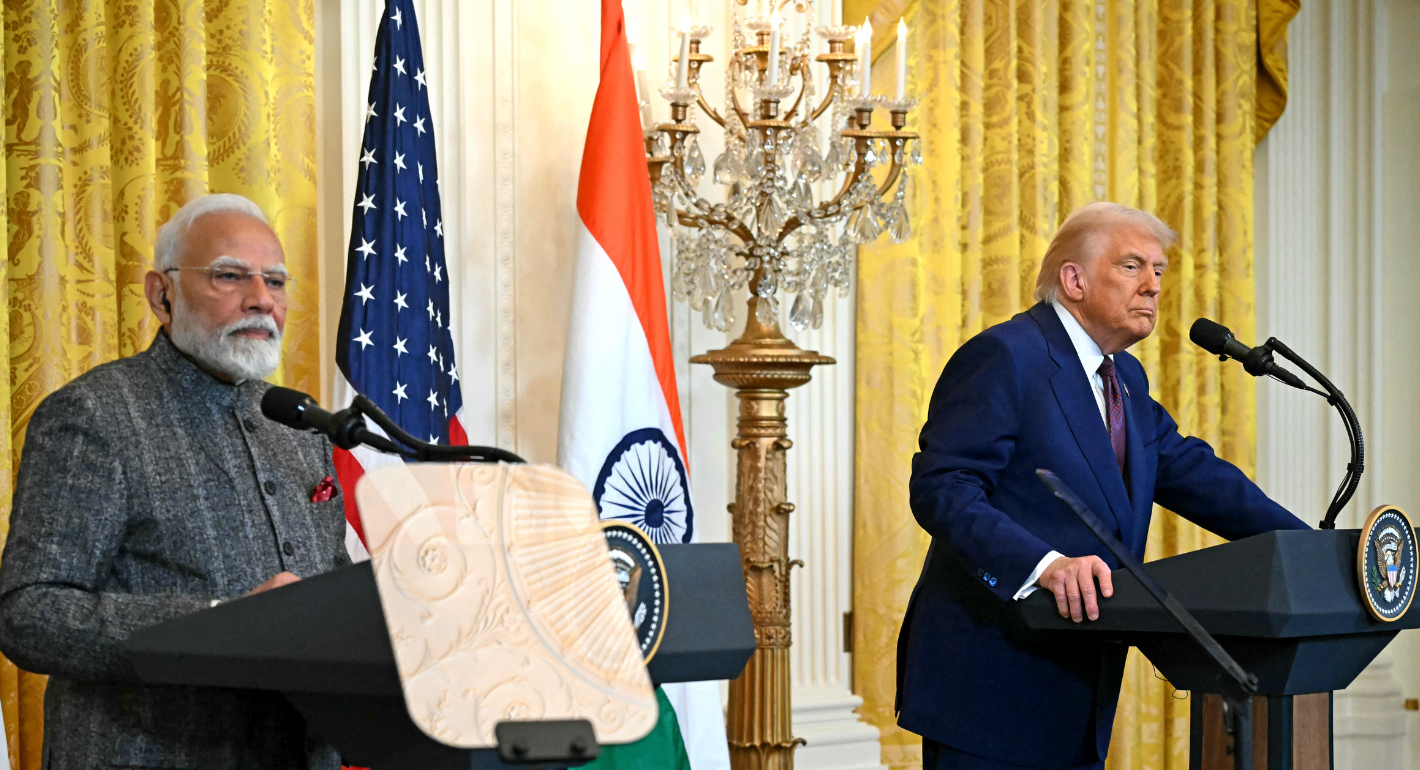
The India-U.S. relationship currently appears buffeted between three “Ts”—TRUST, Tariffs, and Trump.
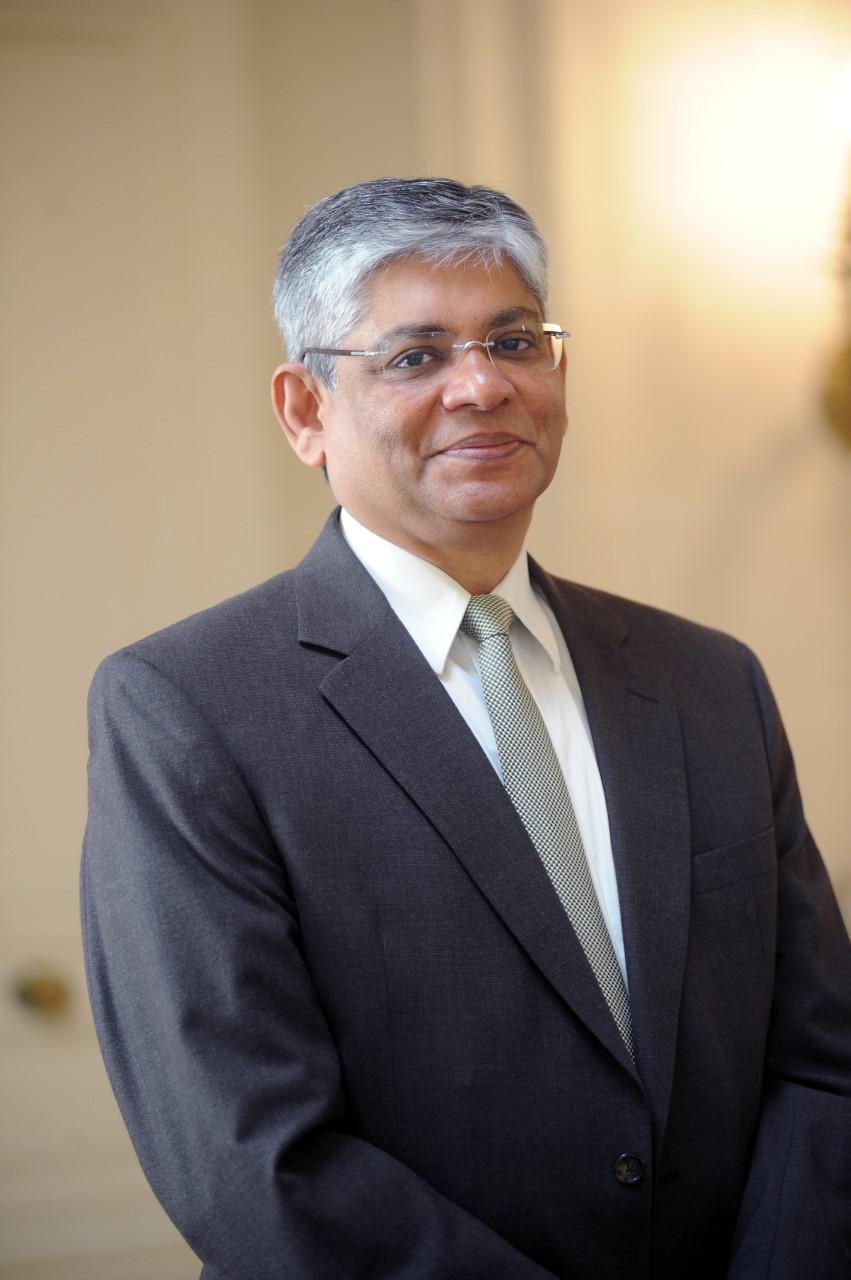
Arun K. Singh