

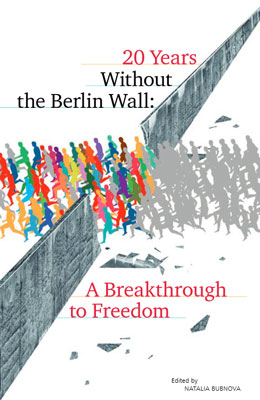
20 Years Without the Berlin Wall: A Breakthrough to Freedom
Enormous societal and political shifts 20 years ago opened prospects for a new, united Europe. Despite Russia’s role in this peaceful departure from totalitarianism, the country’s course in the subsequent two decades was not so straightforward. While the demolition of the Berlin Wall is no guarantee of success, democratic transformations are a necessary precondition.
Source: Moscow: Carnegie Moscow Center

The book’s authors, including leading Carnegie Moscow Center experts, pose the question: what was the reason behind Russia’s stalled reforms? They argue that a policy that leads to the dismantling of civil liberties in the country and uses strong-arm tactics externally is a dead-end. While the demolition of the Berlin Wall is no guarantee of success, democratic transformations are a necessary precondition for the country’s modernization and strong, modern international profile, as well as for citizens’ welfare.
About the Authors
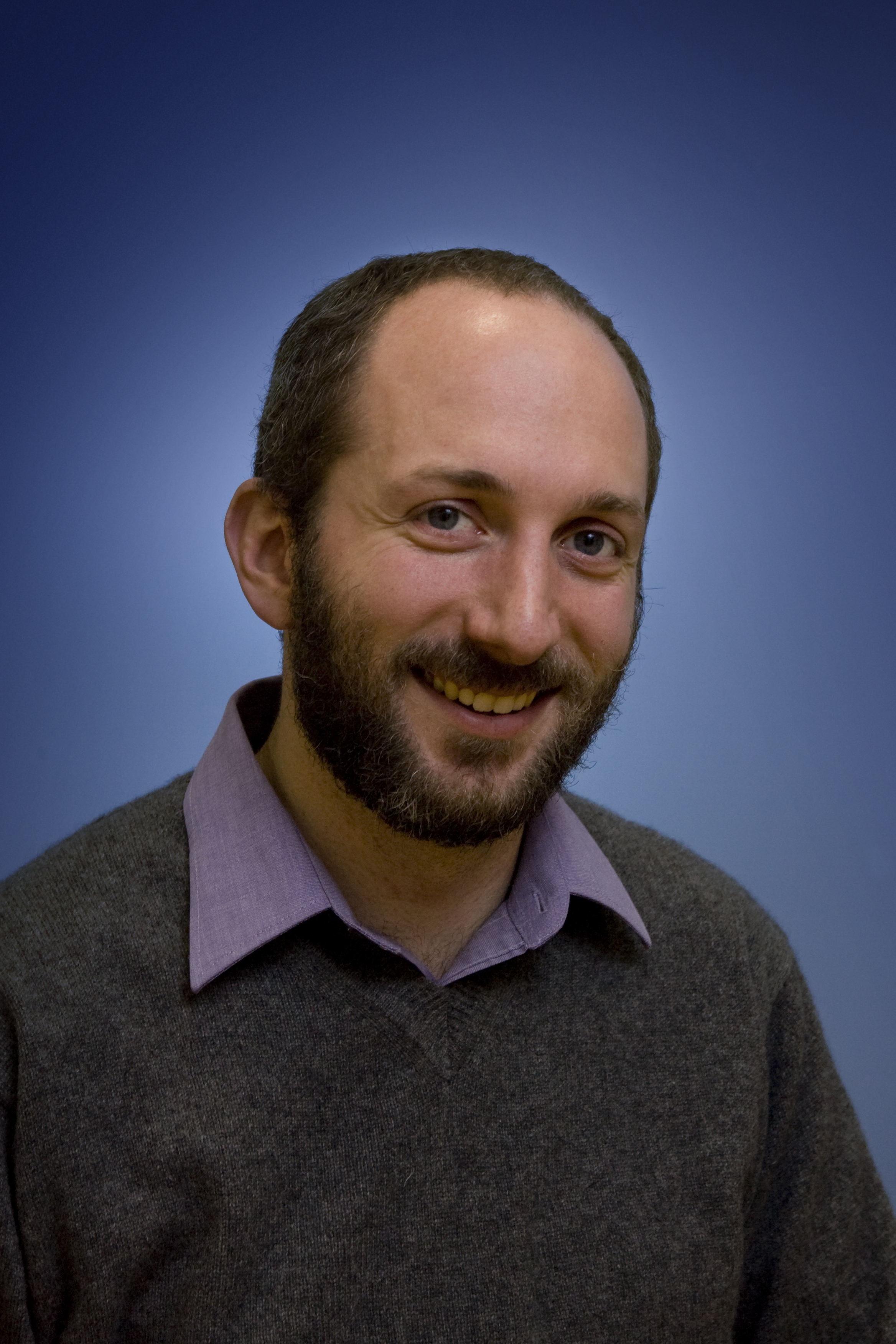
Former Deputy Director for Operations, Moscow Center
Sam Greene was a deputy director for operations at the Moscow Center. He joined the Moscow Center in 2005. Previously, he was senior media program advisor for the New Eurasia Foundation, and a London and Moscow correspondent for FT Business.
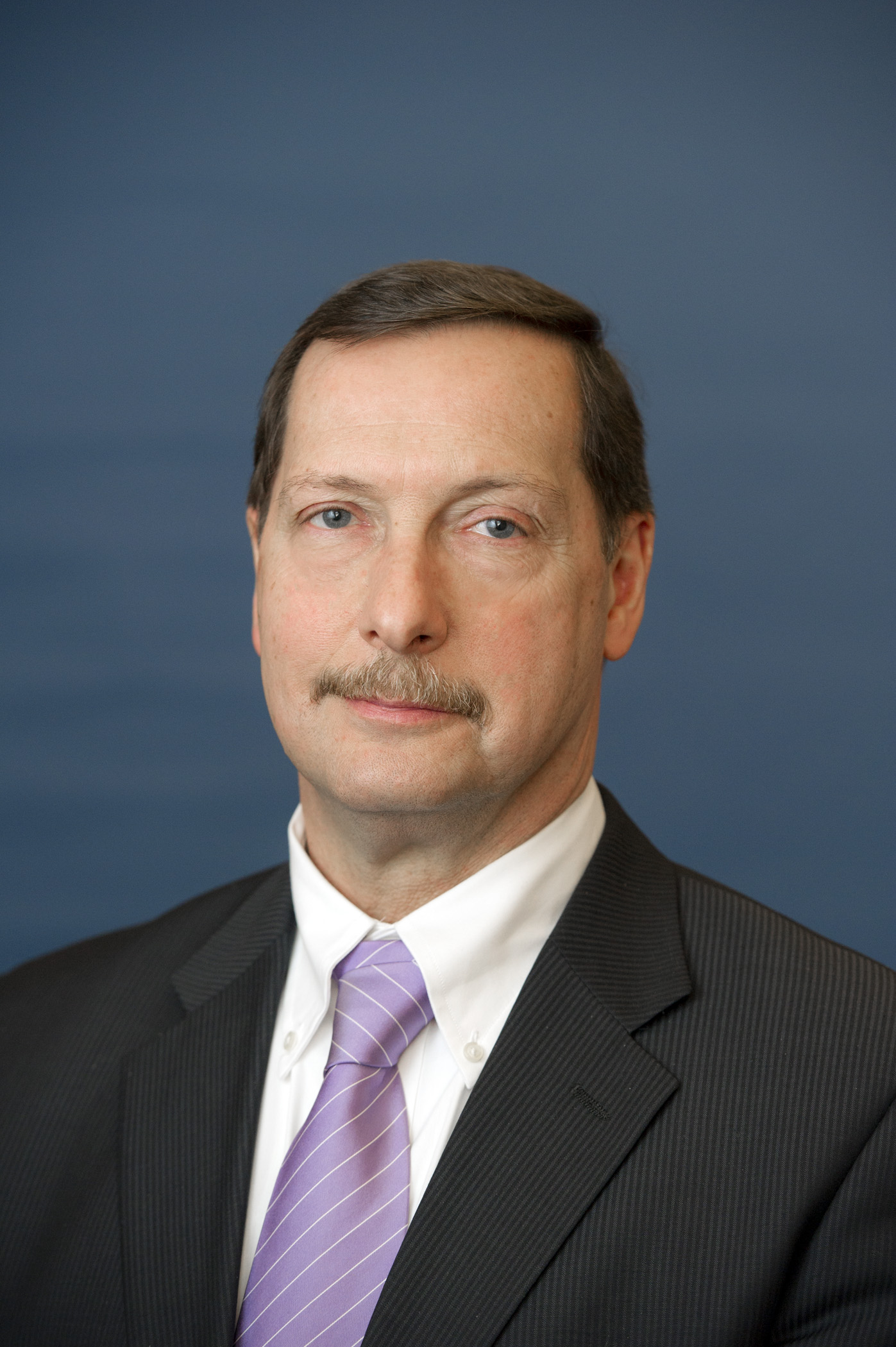
Alexey Arbatov
Alexey Arbatov is the head of the Center for International Security at the Primakov National Research Institute of World Economy and International Relations.
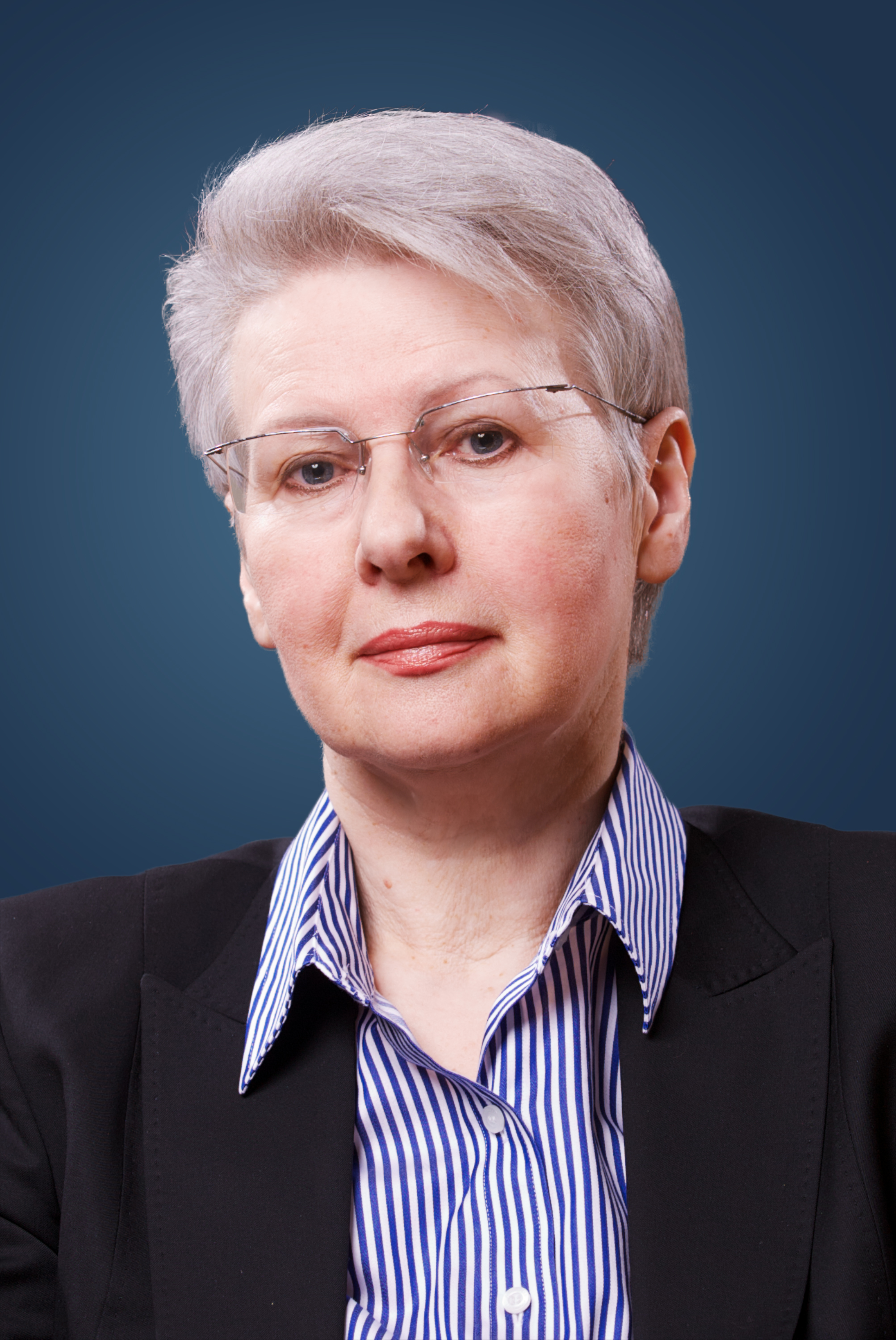
Former Senior Associate, Russian Domestic Politics and Political Institutions Program, Moscow Center
Shevtsova chaired the Russian Domestic Politics and Political Institutions Program at the Carnegie Moscow Center, dividing her time between Carnegie’s offices in Washington, DC, and Moscow. She had been with Carnegie since 1995.
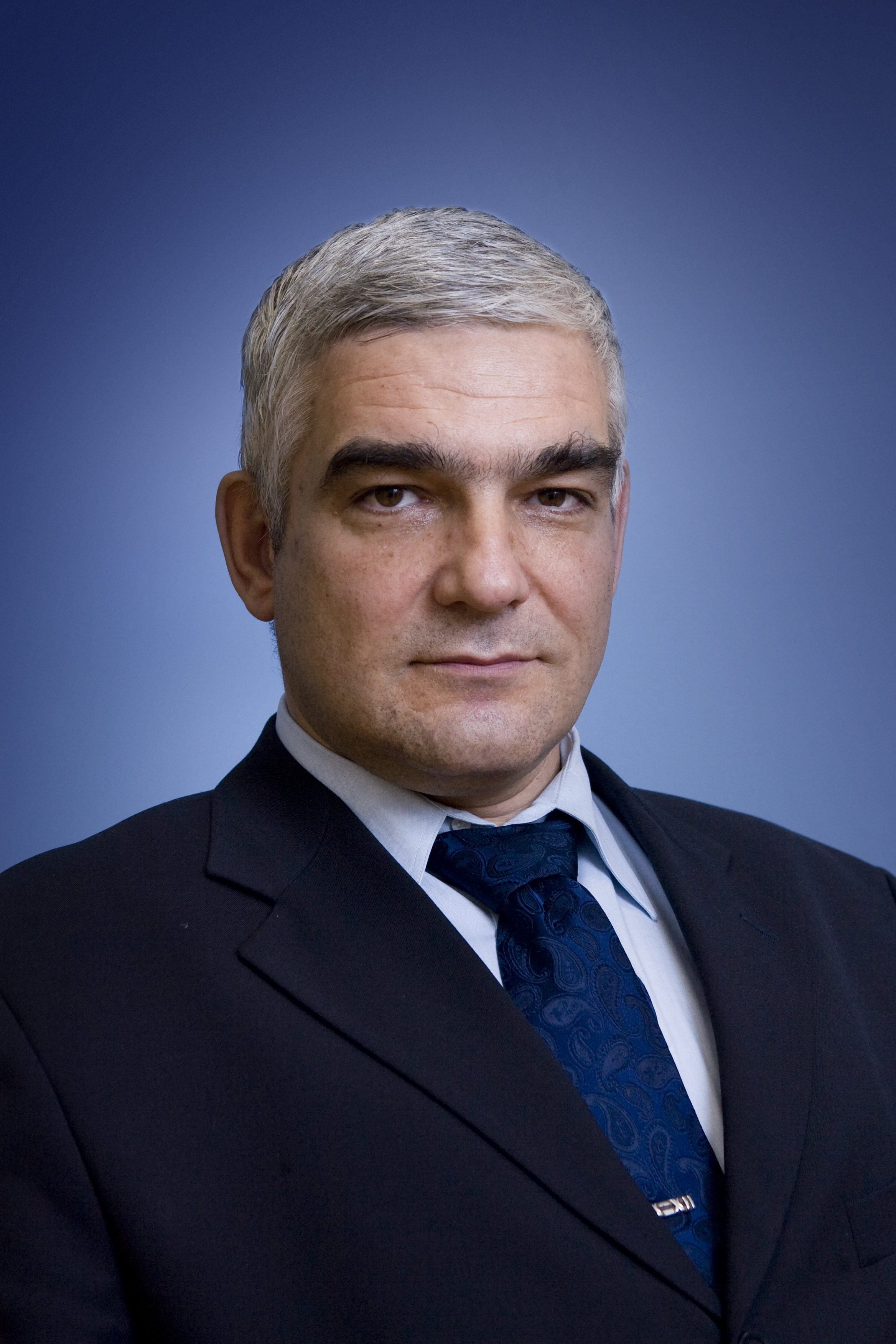
Former Scholar-in-Residence, The East East: Partnership Beyond Borders Program, Moscow Center
Ryabov was chair of the Carnegie Moscow Center’s East East: Partnership Beyond Borders Program. He is also the chief editor of the journal World Economy and International Relations and a leading researcher at the Russian Academy of Sciences’ Institute of World Economy and International Relations.
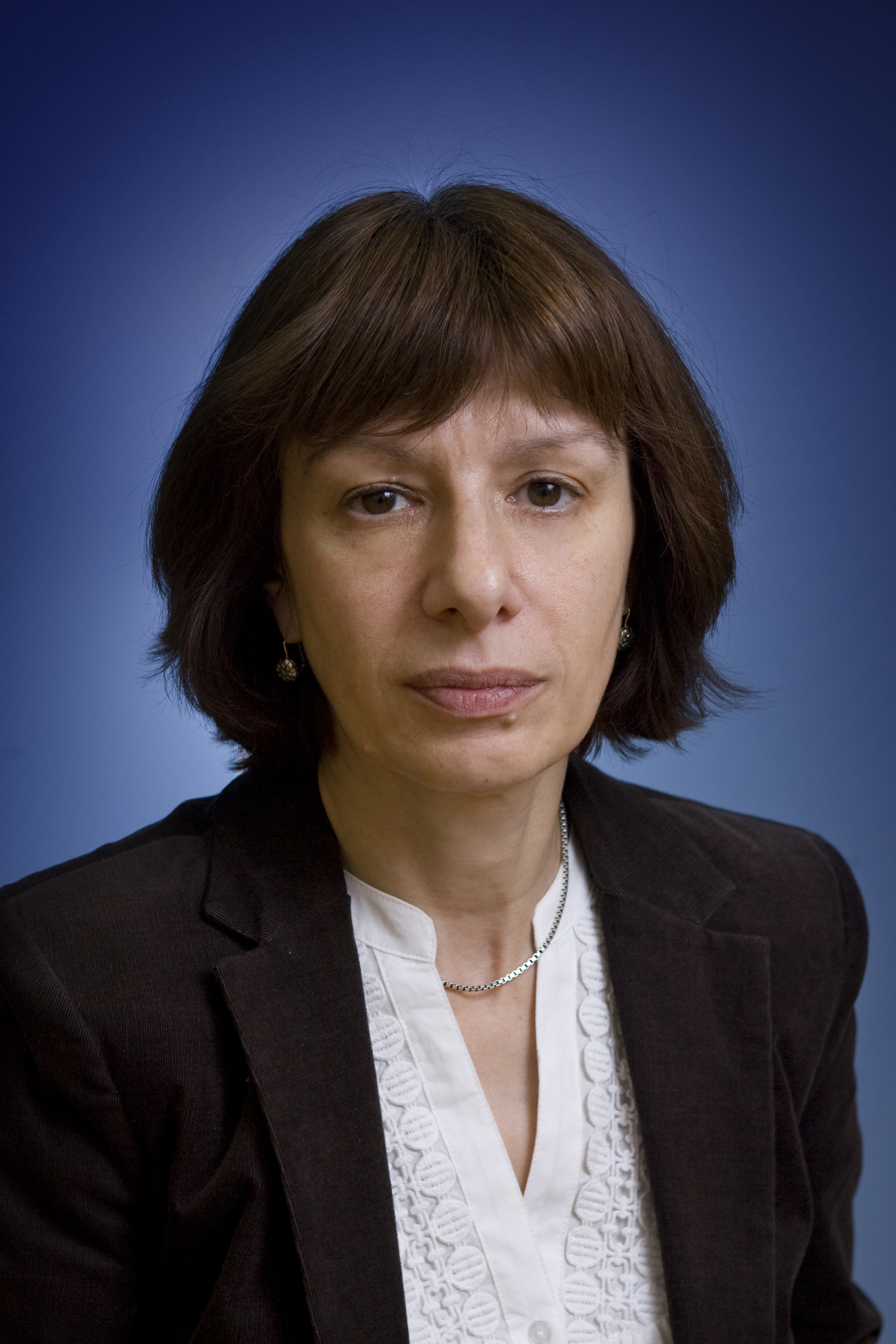
Former Scholar in Residence, Society and Regions Program, Editor in Chief, Pro et Contra, Moscow Center
Lipman was the editor in chief of the Pro et Contra journal, published by the Carnegie Moscow Center. She was also the expert of the Carnegie Moscow Center’s Society and Regions Program.
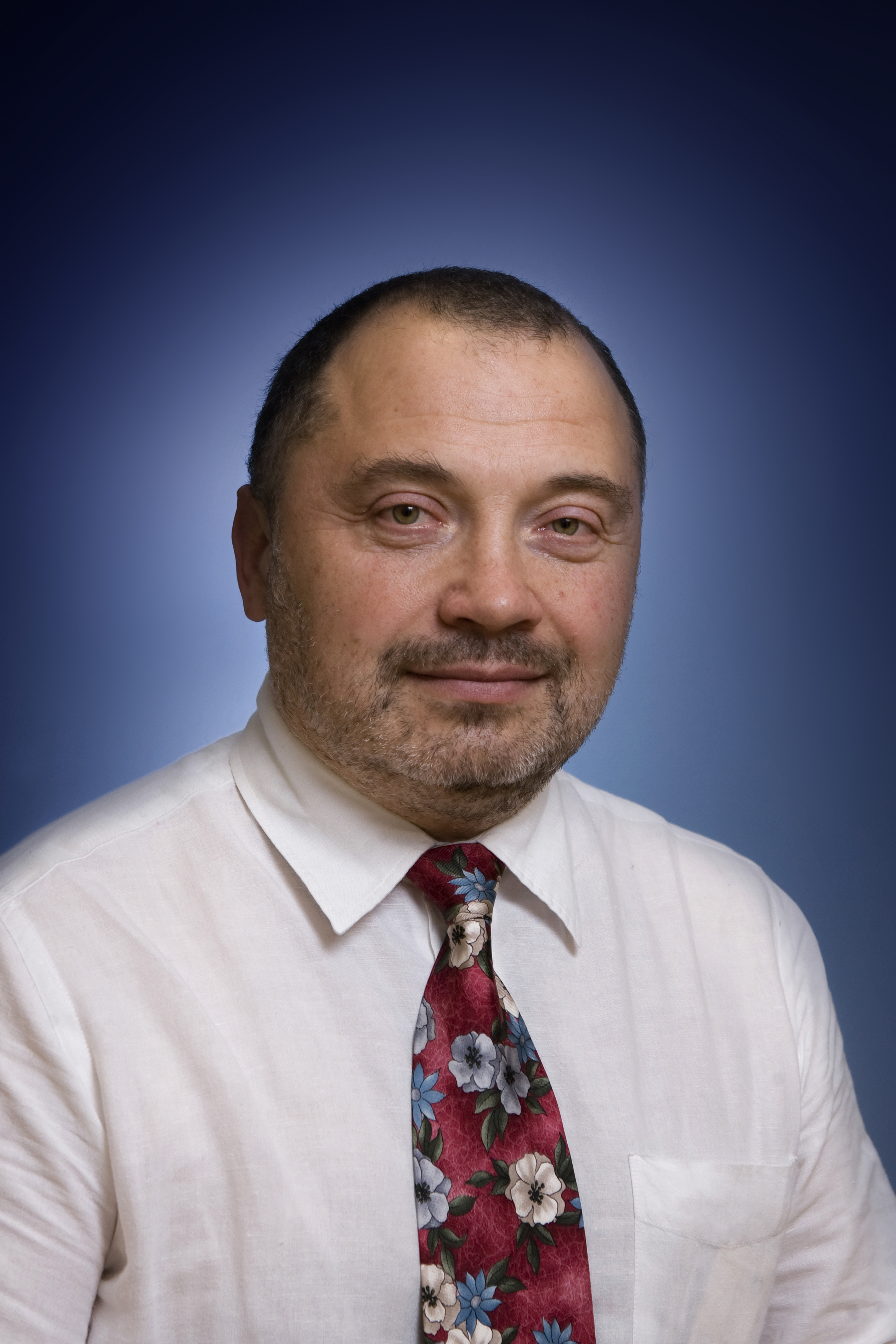
Former Scholar-in-Residence, Society and Regions Program, Moscow Center
Nikolay Petrov was the chair of the Carnegie Moscow Center’s Society and Regions Program. Until 2006, he also worked at the Institute of Geography at the Russian Academy of Sciences, where he started to work in 1982.
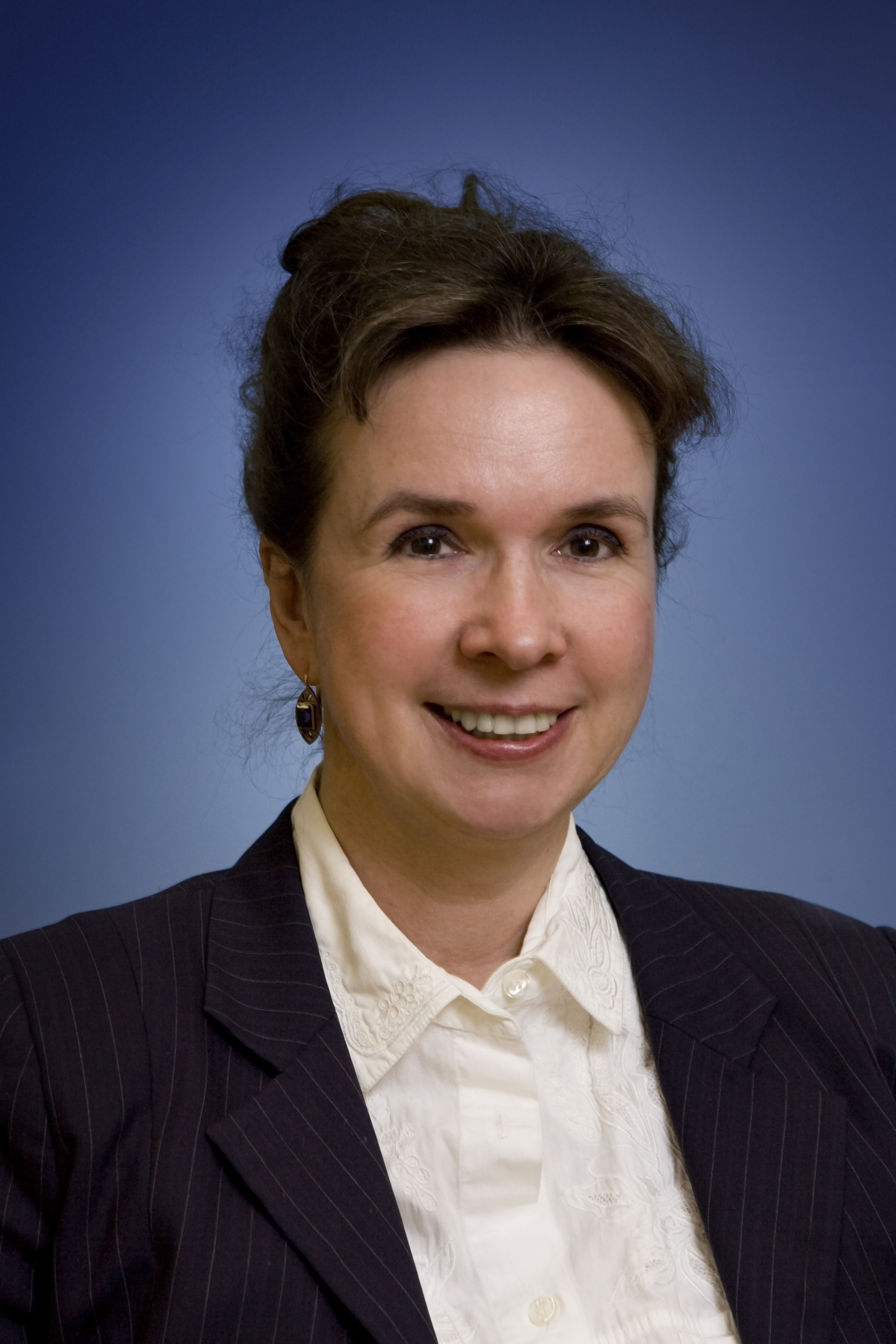
Natalia Bubnova
Former Head of Content Production, Moscow Center
Natalia Bubnova was head of content production at the Carnegie Moscow Center. She previously served as deputy director for communications at the Carnegie Moscow Center.
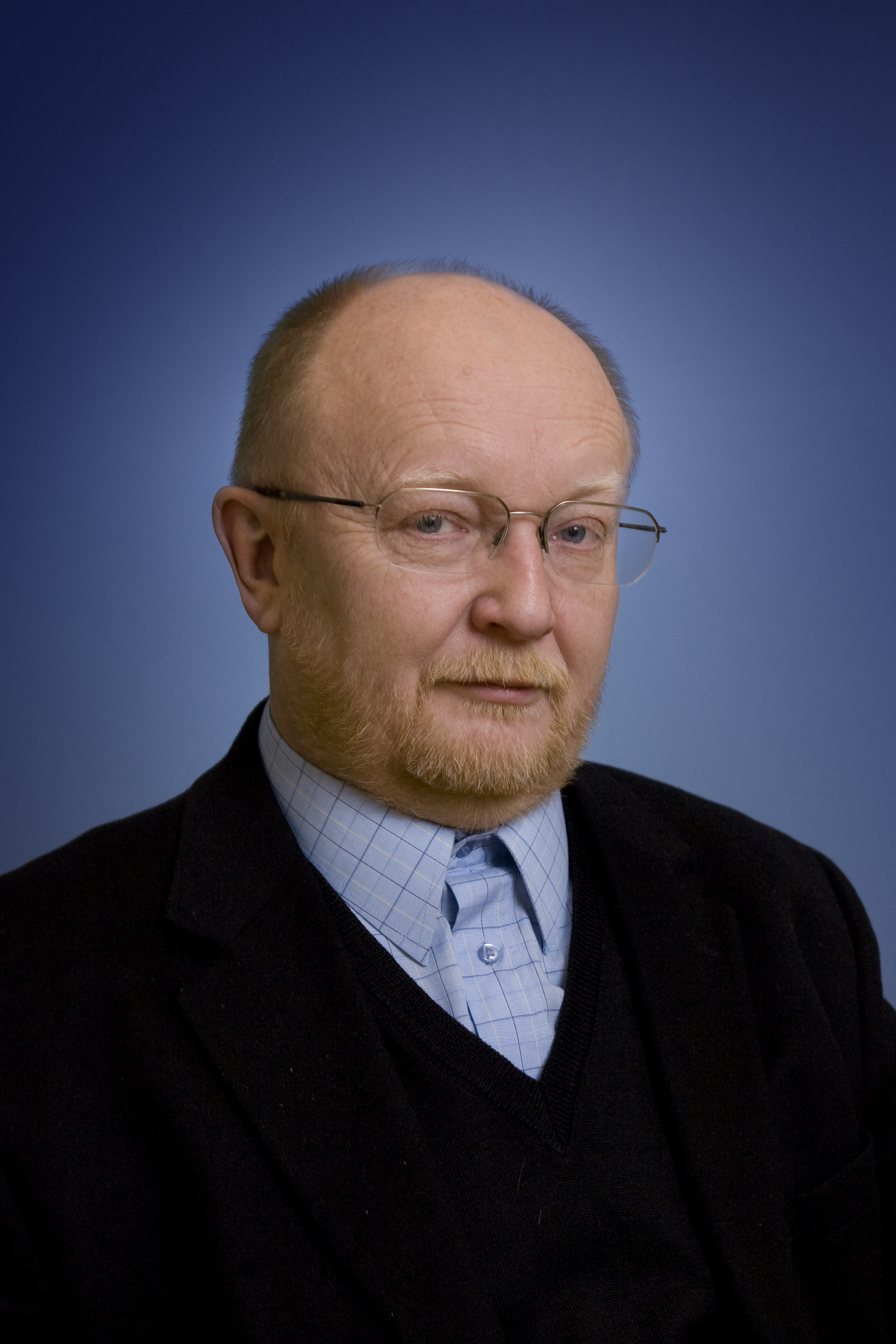
Former Scholar in Residence, Religion, Society, and Security Program
Malashenko is a former chair of the Carnegie Moscow Center’s Religion, Society, and Security Program.
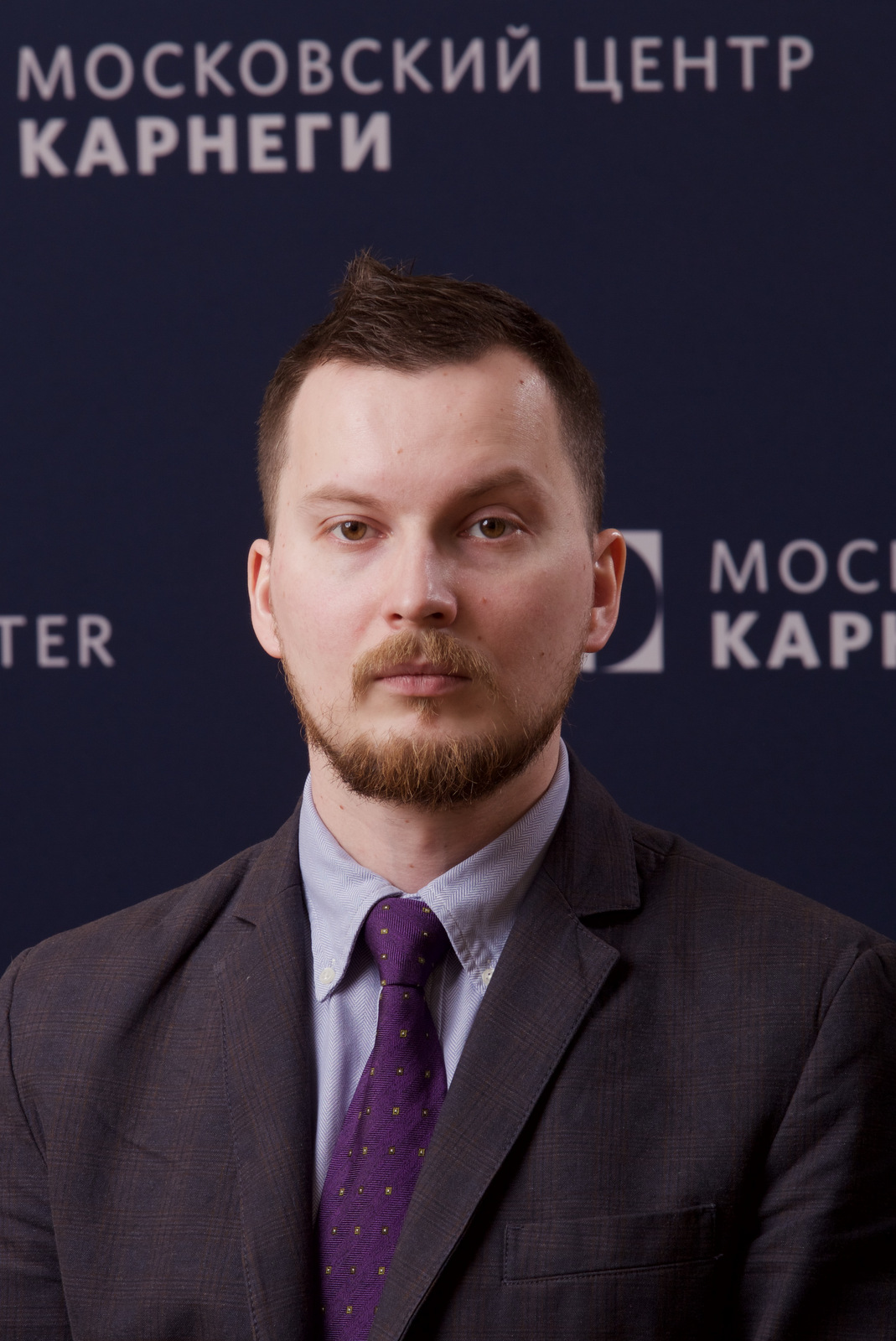
Former Fellow, Nonproliferation Program, Moscow Center
Topychkanov was a fellow in the Carnegie Moscow Center’s Nonproliferation Program.
Former Director, Carnegie Moscow Center
Trenin was director of the Carnegie Moscow Center from 2008 to early 2022.
edited by Natalia Bubnova
Carnegie India does not take institutional positions on public policy issues; the views represented herein are those of the author(s) and do not necessarily reflect the views of Carnegie, its staff, or its trustees.