

Commentary
Olga Shumylo-Tapiola
Source: Getty
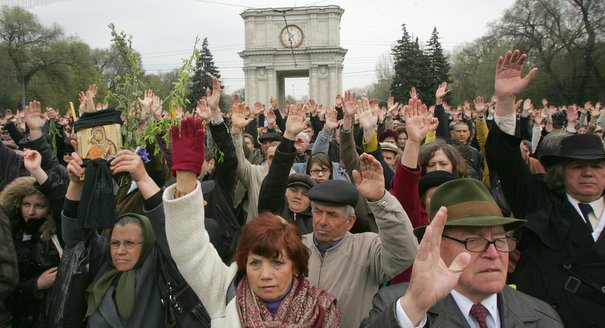
Despite the hopes placed in the political negotiations in Chisinau over the past few weeks, the Moldovan people may not have a new president any time soon.
Despite all the hopes placed in the political negotiations taking place in Chisinau over the past few weeks, it seems that the Moldovan people may not have a new president any time soon. The ruling Alliance for European Integration (AEI)—a coalition of three pro-democracy parties—again failed to reach a consensus on a single candidate to represent all its members. Alliance members’ personal demands—on this occasion those of Mihai Ghimpu, former president and head of the Liberal Party—still stand in the way of a solution to Moldova’s political deadlock.
This impasse will lead to further political instability in Moldova and will deny the AEI the necessary time to focus on crucial economic, political, and judicial reforms. Also, with the European Union preparing to launch negotiations on a Deep and Comprehensive Free Trade Area (DCFTA) with Moldova, it will lead to greater uncertainty at precisely the wrong moment. The continuation of political bargaining with no clear outcome in sight will not be an encouraging sign for the EU.
The Alliance now has 30 days to suggest a new candidate who is capable of garnering the support of all its members, and the few independent members of parliament necessary to obtain the 61 votes required to elect the president. Talks on reshuffling portfolios between AEI members will have to continue. If the Alliance again fails to reach a consensus, the country’s legislature will be dismissed. Moldova will then face yet another parliamentary election—the fourth since 2009—that will cost an already cash-strapped government a further €2.6 million.
This month’s attempt to elect a president was the Moldovan parliament’s fifth since 2009. Technically, this could have been achieved with the votes of the Alliance’s 58 members plus three votes “stolen or borrowed” from the opposition. After much bargaining, the Alliance managed to secure the three missing votes from independent MPs. Igor Dodon, Zinaida Grecianii, and Veronica Abramchuk agreed to leave the opposition and support the AIE provided that Zinaida Grecianii, the former prime minister under president Vladimir Voronin, be put forward as a presidential candidate. This deal would have ensured the Alliance’s survival and provided more stability and predictability for the Moldovan state.
This plan, however, was destined to fail. Mihai Ghimpu rejected it at the last minute. The former president did not want to forfeit the position of speaker of the parliament, which had been promised to him, and settle for a vice-speakership. He also found it difficult to agree with Grecianii, the former Communist, on a personal level.
The AEI is unlikely to break the presidential deadlock through legal means. After numerous failed attempts to re-write the constitution—both in parliament and through public referendum—the Alliance will simply have to play by the existing rules. It would therefore seem that the only way out is through early parliamentary elections.
However, by trying to accommodate the interests of its members—which are often driven by careerist considerations rather than genuine policies—the AEI runs the risk of alienating its base. The Alliance may well lose the votes of many of its previous supporters if Moldova goes to early elections again.
The Moldovan public—eager to see a rapid improvement in the quality of life—does not enjoy the political infighting in Chisinau. The experience of neighboring Ukraine suggests that when the population gets tired of discord within the democratic camp, it opts for the kind of stability that can only come with authoritarianism.
In Moldova’s case, the Communist Party may well be the only actor capable of providing this kind of stability. While a return to power by the Communists seems unlikely at the moment, this scenario should not be dismissed. Opinion polls don’t yet suggest more support for the Communists. But the results of the recent local elections suggest that public support for them has not significantly declined either.
The EU should not disengage from Moldova. The Union’s primary task should be to continue calling on the Alliance to find a way out of the deadlock within the next 30 days. While this is not a good time to give up on Moldova, other tools—the beginning of the DCFTA talks for example—could be made conditional on an end to the impasse on presidential elections. The EU cannot afford to engage in talks with a country that may fall into instability in the coming months. An end to this stalemate and concerted focus on domestic reforms as well as negotiations with the EU should finally become the reality in Moldova.

Former Nonresident Associate, Carnegie Europe
Shumylo-Tapiola is a nonresident associate at Carnegie Europe in Brussels, where her research focuses on Eastern Europe and Eurasia.
Recent Work
Olga Shumylo-Tapiola
Olga Shumylo-Tapiola
Carnegie India does not take institutional positions on public policy issues; the views represented herein are those of the author(s) and do not necessarily reflect the views of Carnegie, its staff, or its trustees.
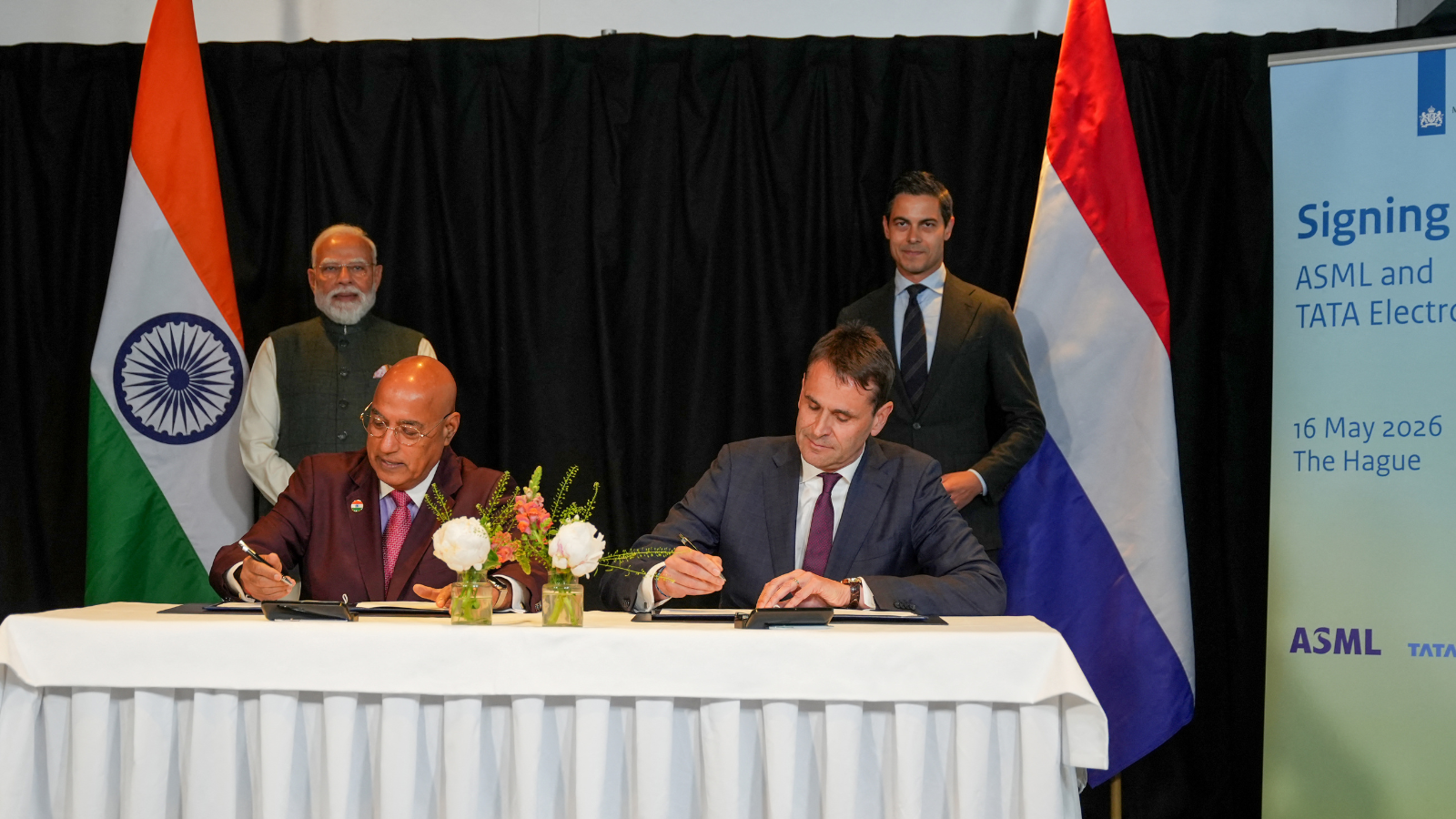
The ASML MoU with Tata Electronics is an indicator of how far the Indian semiconductor ecosystem has come. This ecosystem has been years in the making and represents real commercial logic.

Konark Bhandari

The India–EU Free Trade Agreement (FTA) is shaping up to be one of the most consequential trade negotiations, both economically and strategically. But, what’s in the agreement, what’s missing, and what will determine its success in the years ahead

Vrinda Sahai, Nicolas Köhler-Suzuki
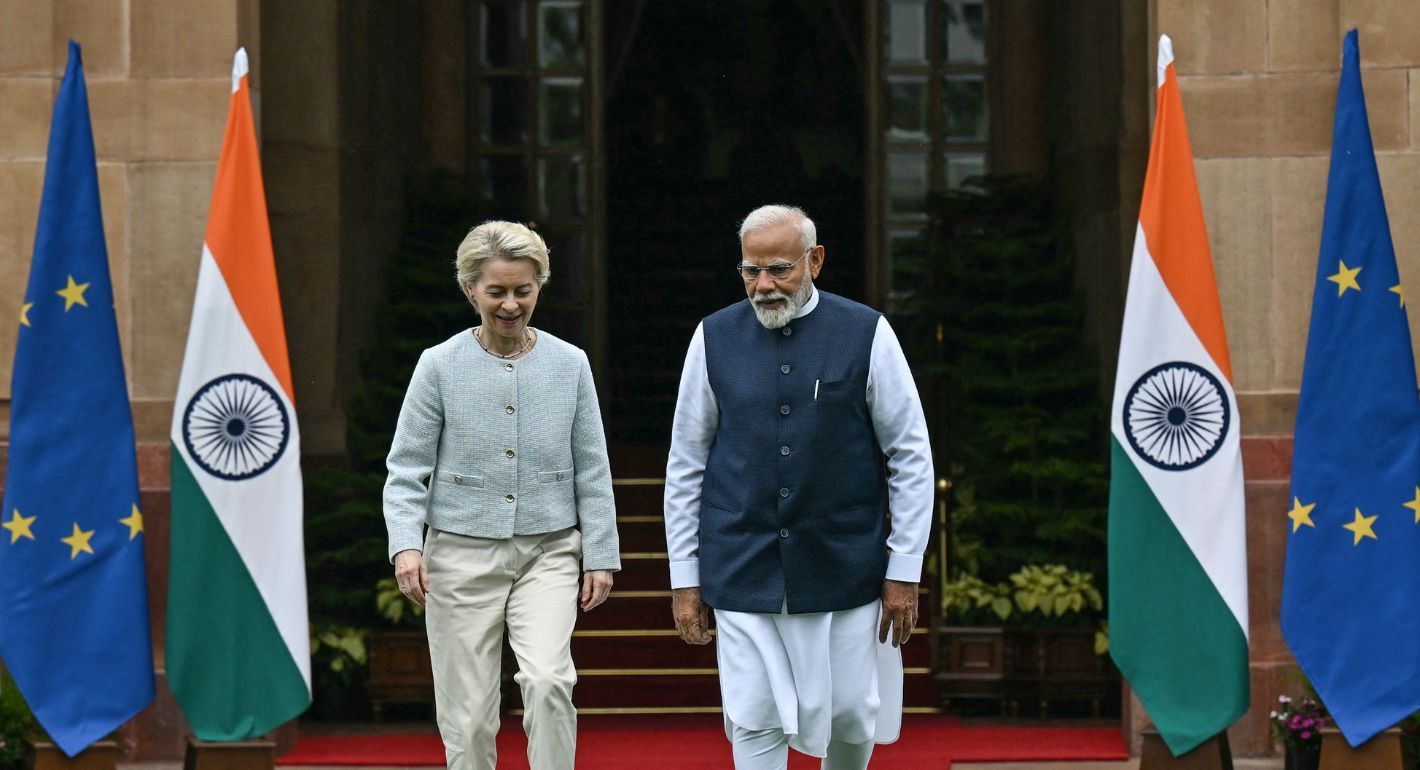
This article argues that the geopolitical circumstances have never been more conducive, not merely for the early conclusion of the free trade agreement (FTA) between India and the EU, but also for crafting a substantive and comprehensive strategic partnership.
Mohan Kumar
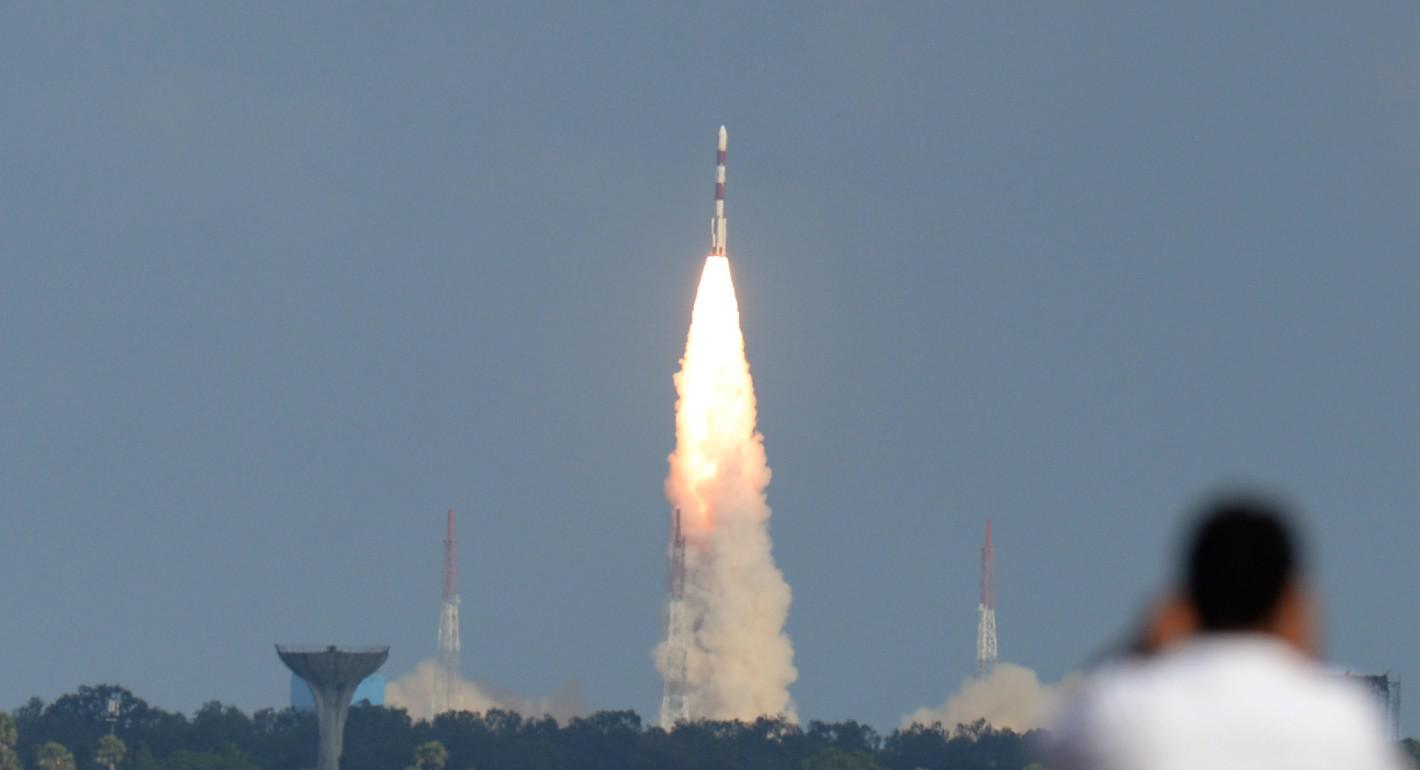
The war in Ukraine has demonstrated that India needs to establish a strong domestic space economy in order to weather geopolitical storms.
Konark Bhandari

Experts weigh in on whether the United States is too hostile toward China.

Stephen Wertheim, Evan S. Medeiros, Vijay Gokhale