

Commentary
Richard Youngs
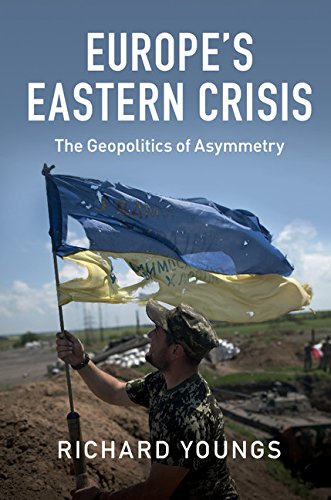
In recent years, a series of crises have erupted on the European Union’s eastern borders. In response, the EU has begun to map its own form of “liberal-redux geopolitics” that combines various strategic logics.
Source: Cambridge University Press
In recent years, a series of crises have erupted on the European Union’s eastern borders. Russia’s annexation of Crimea and the subsequent conflict in eastern Ukraine presented the EU with a major foreign policy challenge, both in Ukraine and across the other countries of the Eastern Partnership. In response, the EU has begun to map its own form of “liberal-redux geopolitics” that combines various strategic logics. This book traces the effect of these crises on the foreign policy of the EU, examining the changes in policies toward the countries on its eastern borders, the EU’s review of the Eastern Partnership, as well as the EU’s relations with Russia overall. It goes on to uncover whether the EU has contained the crisis or if it has set up new conditions for more instability in the future.
“Richard Youngs’s new account of the complex geopolitical context in the Eastern Partnership region provides a nuanced, sophisticated, and empirically rich study that is invaluable in taking into account the opinions of diplomats, policymakers, and civil society in the EaP states themselves.”
—Eka Tkeshelashvili, head of EU Anti-Corruption Initiative in Ukraine, former Georgian foreign minister, and president of the Georgian Institute for Strategic Studies
“Ukraine and other states between these two ‘empires’ feel the heat again, and Richard Youngs’s book expertly maps a complex mosaic of power, ambition, and brinkmanship. Youngs’s engaging and balanced analysis is indispensable reading for everyone trying to comprehend the ongoing geopolitical turn and the evolution of the EU’s foreign and security policy.”
—Jan Zielonka, professor of European Politics, University of Oxford

Senior Fellow, Democracy, Conflict, and Governance Program
Richard Youngs is a senior fellow in the Democracy, Conflict, and Governance Program, based at Carnegie Europe. He works on EU foreign policy and on issues of international democracy.
Recent Work
Richard Youngs


Richard Youngs, ed., Elena Viudes Egea, Zselyke Csaky, …
Carnegie India does not take institutional positions on public policy issues; the views represented herein are those of the author(s) and do not necessarily reflect the views of Carnegie, its staff, or its trustees.

This piece examines India’s response to U.S. sanctions and tariffs, specifically assessing the immediate market consequences, such as alterations in import costs, and the broader strategic implications for India’s energy security and foreign policy orientation.
Vrinda Sahai
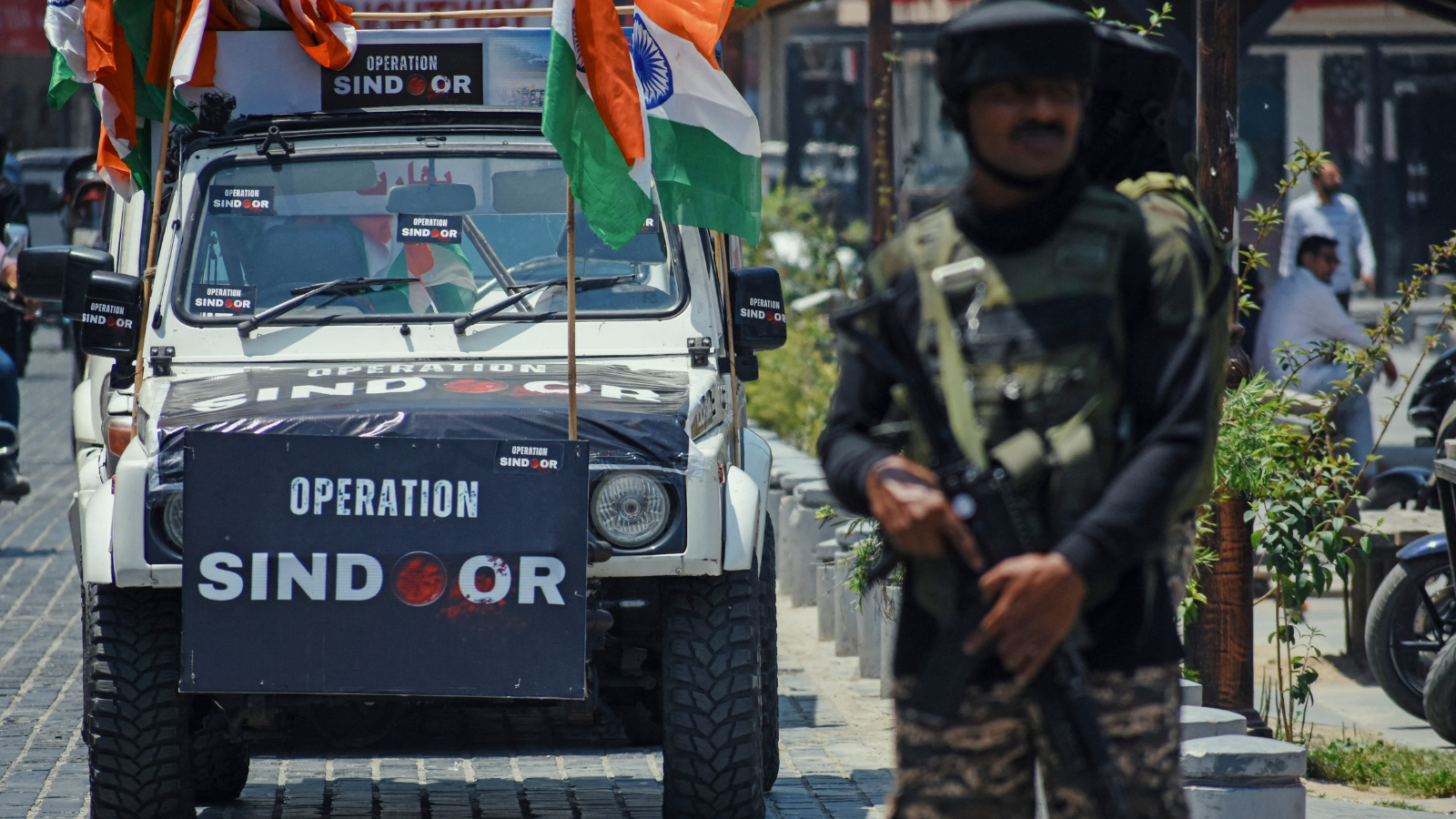
The India-Pakistan conflict that played out between May 6 and May 10, 2025, offers several military lessons. This article presents key takeaways from Operation Sindoor and breaks down how India’s preparations shaped the outcome and what more is needed to strengthen future readiness.

Dinakar Peri
This book offers a comprehensive analysis of India's evolving relationship with sovereignty in a complex global order. Moving beyond conventional narratives, it examines how the sovereignty principle shapes India's behavior across four critical domains—from traditional military power to contemporary data governance.

Rudra Chaudhuri, Nabarun Roy
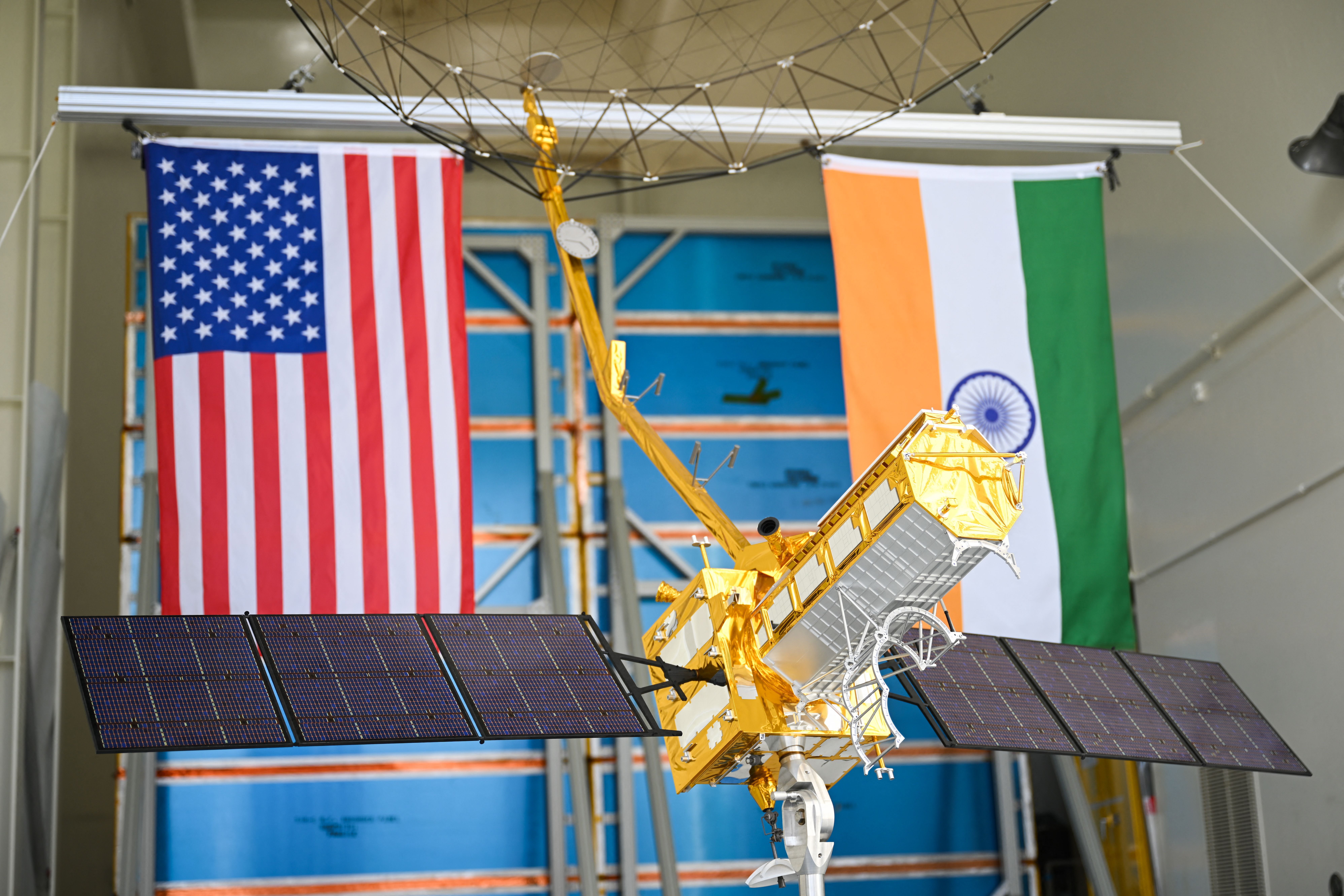
On July 30, 2025, the United States announced 25 percent tariffs on Indian goods. While diplomatic tensions simmered on the trade front, a cosmic calm prevailed at the Sriharikota launch range. Officials from NASA and ISRO were preparing to launch an engineering marvel into space—the NASA-ISRO Synthetic Aperture Radar (NISAR), marking a significant milestone in the India-U.S. bilateral partnership.

Tejas Bharadwaj
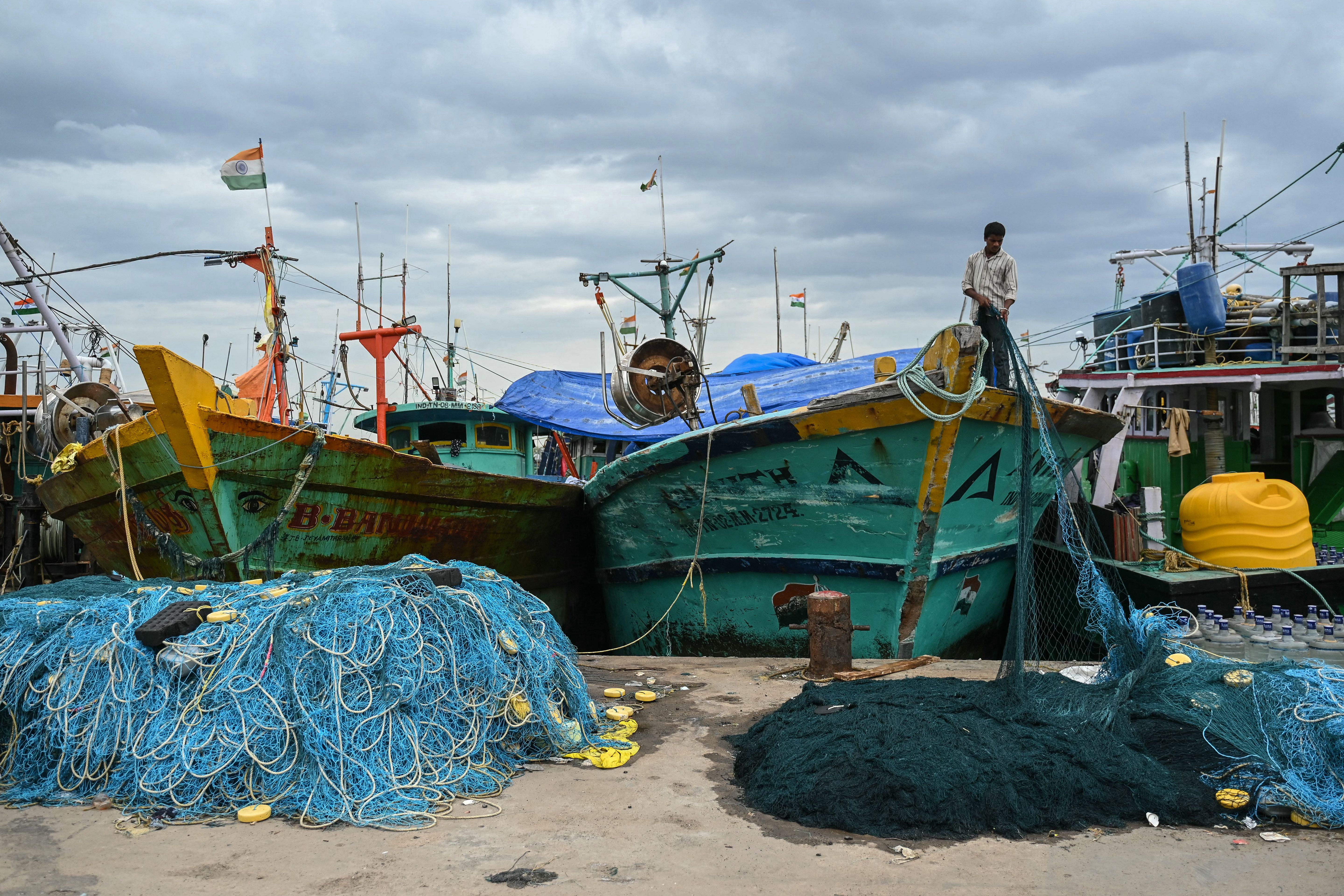
This article examines the scale and impact of Chinese IUU fishing operations globally and identifies the nature of the challenge posed by IUU fishing in the Indian Ocean Region (IOR). It also investigates why existing maritime law and international frameworks have struggled to address this growing threat.


Ajay Kumar, Charukeshi Bhatt