

Commentary
Dmitri Trenin
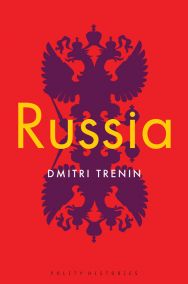
Russia is reputed to be a country whose past constantly changes to suit the purposes and vision of its ruling elite. Yet few would dispute that Russian history is one of extremes.
Source: Polity
Russia is reputed to be a country whose past constantly changes to suit the purposes and vision of its ruling elite. Yet few would dispute that Russian history is one of extremes. Over the past century alone Russia has lived through great achievements and deepest misery; mass heroism and mass crime; over-blown ambition and near-hopeless despair – always emerging with its sovereignty and its fiercely independent spirit intact.
In this book, leading Russia scholar Dmitri Trenin accompanies readers on Russia’s rollercoaster journey from revolution to post-war devastation, perestroika to Putin’s stabilization of post-communist Russia. Explaining the causes and the meaning of the numerous twists and turns in contemporary Russian history, he offers a vivid insider’s view of a country through one of its most trying and often tragic periods. Today, he cautions, Russia stands at a turning point - politically, economically and socially - its situation strikingly reminiscent of the Russian Empire in its final years. For the Russian Federation to avoid a similar demise, it must learn the lessons of its own history.Former Director, Carnegie Moscow Center
Trenin was director of the Carnegie Moscow Center from 2008 to early 2022.
Recent Work
Dmitri Trenin
Dmitri Trenin
Carnegie India does not take institutional positions on public policy issues; the views represented herein are those of the author(s) and do not necessarily reflect the views of Carnegie, its staff, or its trustees.

A partnership between India, a country of subcontinental size, and Africa, a continent of fifty-four countries, may seem asymmetric until one notes that both are home to nearly the same number of people—1.4 billion. This essay spells out the existing challenges to the partnership, its optimal potential, and the possible pathways to realize it over the next quarter-century.

Rajiv Bhatia

The India–EU Free Trade Agreement (FTA) is shaping up to be one of the most consequential trade negotiations, both economically and strategically. But, what’s in the agreement, what’s missing, and what will determine its success in the years ahead

Vrinda Sahai, Nicolas Köhler-Suzuki

Trump 2.0 has unsettled India’s external environment—but has not overturned its foreign policy strategy, which continues to rely on diversification, hedging, and calibrated partnerships across a fractured order.



Milan Vaishnav, ed., Sameer Lalwani, Tanvi Madan, …

This piece examines India’s response to U.S. sanctions and tariffs, specifically assessing the immediate market consequences, such as alterations in import costs, and the broader strategic implications for India’s energy security and foreign policy orientation.
Vrinda Sahai
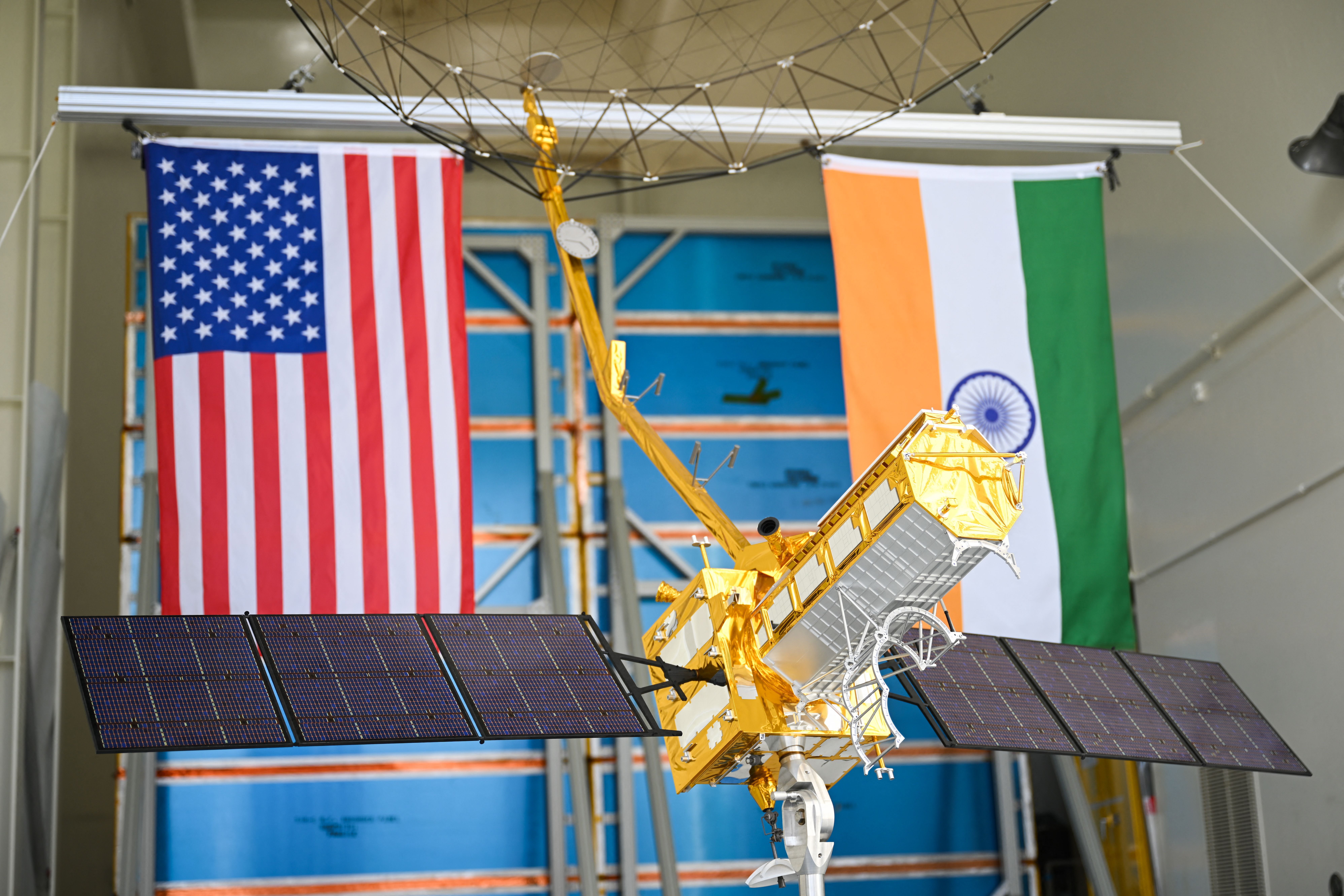
On July 30, 2025, the United States announced 25 percent tariffs on Indian goods. While diplomatic tensions simmered on the trade front, a cosmic calm prevailed at the Sriharikota launch range. Officials from NASA and ISRO were preparing to launch an engineering marvel into space—the NASA-ISRO Synthetic Aperture Radar (NISAR), marking a significant milestone in the India-U.S. bilateral partnership.

Tejas Bharadwaj