

Commentary
Dimitar Bechev
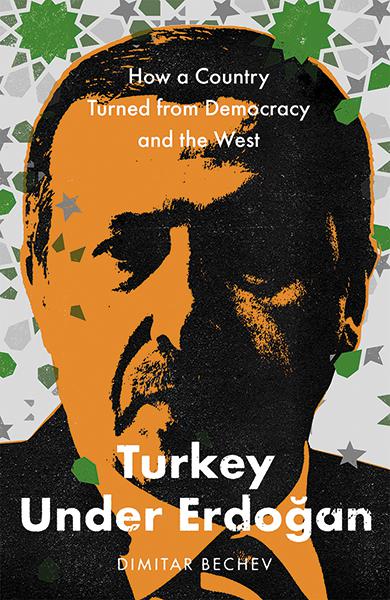
Since coming to power in 2002 Recep Tayyip Erdogan has overseen a radical transformation of Turkey. Once a pillar of the Western alliance, the country has embarked on a militaristic foreign policy, and its democracy, sustained by the aspiration to join the European Union, has given way to one-man rule.
Source: Yale University Press
An incisive account of Erdoğan’s Turkey – showing how its troubling transformation may be short-lived
Since coming to power in 2002 Recep Tayyip Erdoğan has overseen a radical transformation of Turkey. Once a pillar of the Western alliance, the country has embarked on a militaristic foreign policy, intervening in regional flashpoints from Nagorno-Karabakh to Libya. And its democracy, sustained by the aspiration to join the European Union, has given way to one-man rule.
Dimitar Bechev traces the political trajectory of Erdoğan’s populist regime, from the era of reform and prosperity in the 2000s to the effects of the war in neighboring Syria. In a tale of missed opportunities, Bechev explores how Turkey parted ways with the United States and Europe, embraced Putin’s Russia and other revisionist powers, and replaced a frail democratic regime with an authoritarian one. Despite this, he argues that Turkey’s democratic instincts are resilient, its economic ties to Europe are as strong as ever, and Erdoğan will fail to achieve a fully autocratic regime.
‘A sweeping attempt to capture the last 20 years of Turkey, Bechev skilfully traces the radical transformation of Turkey’s domestic and foreign policies under Recep Tayyip Erdoğan. An outstanding book from one of the best.’
—Gönül Tol, Middle East Institute
‘A compelling narrative, rich in anecdotes, quotes, and carefully chosen empirical examples, enlivens an in-depth historical analysis of Turkey’s evolution from the 1970s until today. Bechev charts Turkey’s modernization, the rise of Islamist populism, its geopolitical shift from the periphery of the West to its bid for regional hegemony, as well as the weaknesses of the competitive authoritarian regime that its President Erdoğan has crafted.’
—Rosa Balfour, Director of Carnegie Europe
‘Bechev analyzes the two decades that witnessed the evolution of President Erdoğan from a seemingly EU-friendly “Muslim democrat” to a strongman. He masterfully portrays how the shifts in AKP’s foreign policy were intertwined with rising authoritarian practices in Turkey.’
—Professor Ayşe Kadıoğlu, Sabanci University

Senior Fellow, Carnegie Europe
Dimitar Bechev is a senior fellow at Carnegie Europe, where he focuses on EU enlargement, the Western Balkans, and Eastern Europe.
Recent Work
Dimitar Bechev

Dimitar Bechev, Iliriana Gjoni
Carnegie India does not take institutional positions on public policy issues; the views represented herein are those of the author(s) and do not necessarily reflect the views of Carnegie, its staff, or its trustees.

An Israeli response to Iran’s October 1 attack is imminent. The key question is of its intensity and potential fallout, both within Iran, in terms of nuclear security policy changes, and across the broader region. The coming days are likely to reshape West Asia irreversibly.
Gaddam Dharmendra
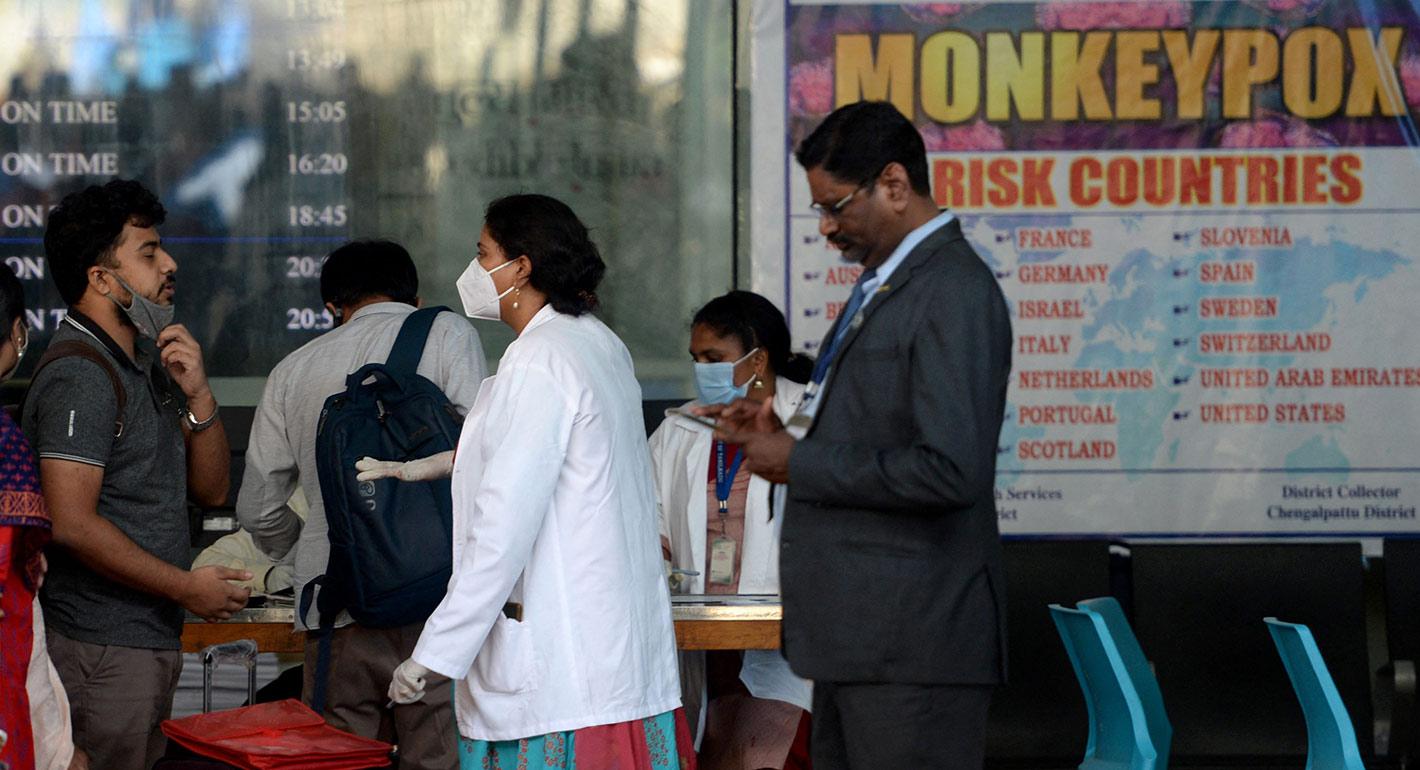
With monkeypox being declared a global health emergency, the WHO approach is an innovative and effective way to curb outbreaks of zoonotic diseases.

Shruti Sharma

In India, biotechnology has played an important role in helping stakeholders in academia, industry, and government develop new pandemic-related technology, from test kits to respiratory devices. But these biotechnology advancements can go further to strengthen India’s public health capacity.
Shruti Sharma
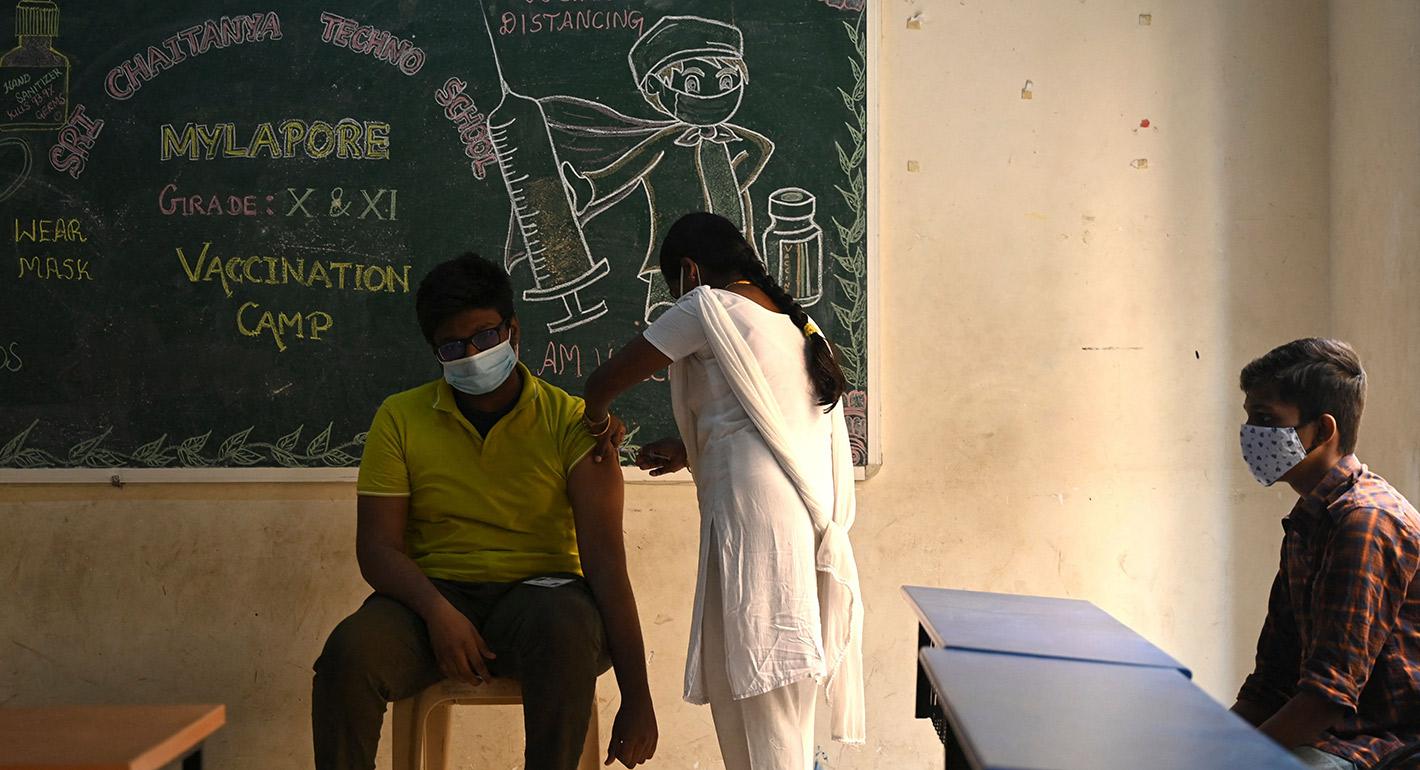
Unless the government can up its communications game, anti-vax movements could prolong India’s pandemic effects.
Shruti Sharma

Experts weigh in on whether the United States is too hostile toward China.


Stephen Wertheim, Evan S. Medeiros, Vijay Gokhale