

Commentary
Intissar Fakir
{
  "authors": [
    "Intissar Fakir"
  ],
  "type": "commentary",
  "blog": "Diwan",
  "centerAffiliationAll": "dc",
  "centers": [
    "Carnegie Endowment for International Peace",
    "Malcolm H. Kerr Carnegie Middle East Center"
  ],
  "collections": [],
  "englishNewsletterAll": "menaTransitions",
  "nonEnglishNewsletterAll": "",
  "primaryCenter": "Malcolm H. Kerr Carnegie Middle East Center",
  "programAffiliation": "MEP",
  "programs": [
    "Middle East"
  ],
  "projects": [],
  "regions": [
    "North Africa",
    "Morocco",
    "Maghreb"
  ],
  "topics": [
    "Political Reform"
  ]
}
Source: Getty
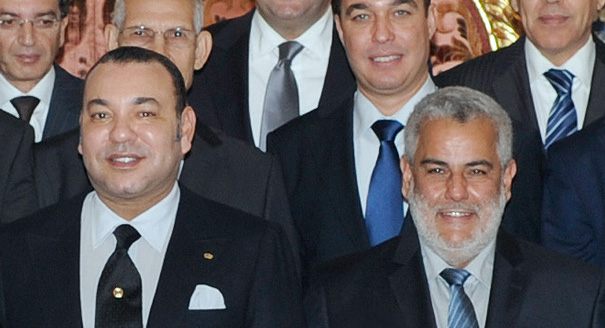
Morocco’s upcoming elections could be a referendum on the Justice and Development Party’s balancing act with the monarchy.
On October 7, Morocco is scheduled to hold parliamentary elections. Despite the kingdom’s long history of party politics, the extent to which parties and elected politicians can shape policy has been limited. The monarchy—including those aligned with it, from advisors to technocrats—has ultimate control over most issues of governance and policy.
However, things were somewhat different in the 2011 parliamentary elections. A well-timed constitutional revision sought to address popular grievances while diminishing revolutionary urges. This created a small opening for parties to play a slightly larger role in governance.
Unlike other political actors, the Justice and Development Party (PJD), Morocco’s main Islamist party, was able to capitalize on these changes. The PJD came to power in 2011 and has been heading the ruling government coalition since then. However, it has fought to retain a fine balance between pushing the agenda that its core voters have demanded and demonstrating to the monarchy that it does not threaten its vested interests. Moroccan voters will soon assess whether the PJD has succeeded.
To appeal to its voters, the PJD has adopted a narrative that despite significant constraints imposed on it by the palace and the opposition, the party has been able to fulfill much of its electoral promise. It has highlighted the PJD’s achievements in terms of supporting underserved and vulnerable segments of society (supporting widowed and divorced women, and expanding insurance coverage). The PJD also speaks proudly of its economic accomplishments, including subsidy reforms among other structural reforms. It has put out a series of catchy video messages reminding voters that the PJD is “the people’s government.”
When confronted with what it failed to accomplish, the PJD’s defense relies on an implicit understanding that the already limited political space is even more limited for the party—an outsider still proving itself to the monarchy. Early on in his tenure, the PJD leader and outspoken Prime Minister, Abdelillah Benkirane, was forthcoming about the fact that he was on a learning-curve and was still struggling to grasp red lines. However, there is a contradiction in this narrative. Benkirane likes to emphasize that he is the king’s servant, but his appeal also stems from the image he likes to perpetuate of himself as a brave subversive operator speaking out against vested interests—even those close to the monarchy—as well as the status quo.
Benkirane, the PJD, and its supporters are treading a fine line by showing subservience to the monarchy while pushing against some who represent it. Benkirane recently alluded to the concept of tahakum—meaning political manipulation—as further evidence of the limitations the PJD faces, that do not necessarily originate with the monarchy, but rather those around it. This logic is based on a longstanding popular assumption that any mismanagement of national affairs can be blamed, after the politicians, on those close to the palace, but, not on the palace itself. This gives the PJD just enough room to be critical so that their voters can see they are doing their best, but not critical enough to upset the monarchy.
The PJD wants it both ways. It wants to be perceived as close enough to the palace so as to retain legitimacy with the people—a majority of whom supports the monarchy and the stability it provides—but to also be seen as outsiders and enjoy a reputation for not being coopted by the monarchy. Given the political reality of Morocco, this is a message that could appeal to those who want recognizable change—change without fear of destabilization.
The PJD stands a good chance of again making a strong showing in October. If its performance in the last local and regional elections is any indication, the party could gain another plurality of seats in the parliamentary elections. However, if it doesn’t end up leading the next coalition, the PJD’s efforts to articulate a narrative of success, and convince voters of this, will nevertheless cement its reputation as a serious political party that strives to serve the people above all, in a political field that includes weak, divided, coopted, and corrupted actors.
Former Fellow, Middle East Program, Editor in Chief, Sada
Intissar Fakir was a fellow and editor in chief of Sada in Carnegie’s Middle East Program.
Recent Work
Intissar Fakir
Maâti Monjib, Intissar Fakir
Carnegie does not take institutional positions on public policy issues; the views represented herein are those of the author(s) and do not necessarily reflect the views of Carnegie, its staff, or its trustees.

The recent African Cup of Nations tournament in Morocco touched on issues that largely transcended the sport.


Issam Kayssi, Yasmine Zarhloule
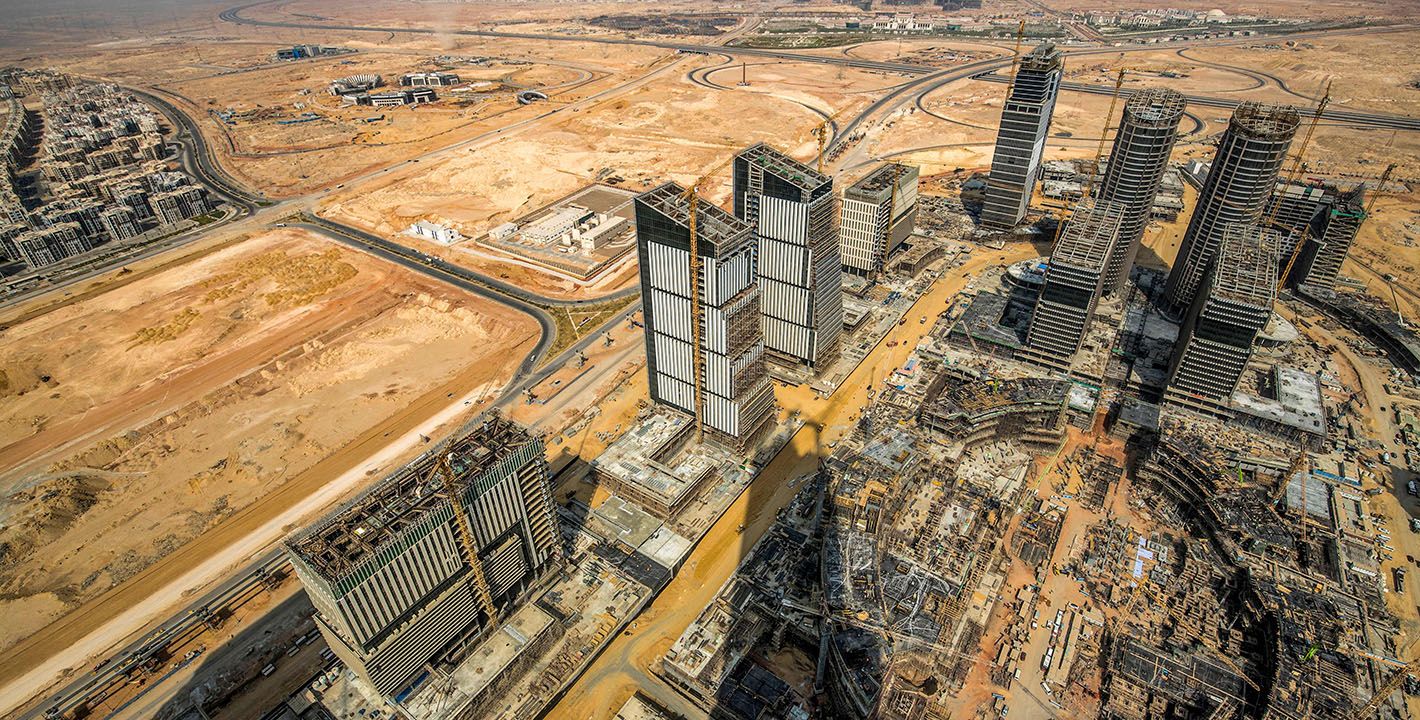
Mustaqbal Misr has expanded its portfolio with remarkable speed, but a lack of transparency remains.

Yezid Sayigh

The burden of environmental degradation is felt not only through physical labor but also emotional and social loss.
Yasmine Zarhloule, Ella Williams
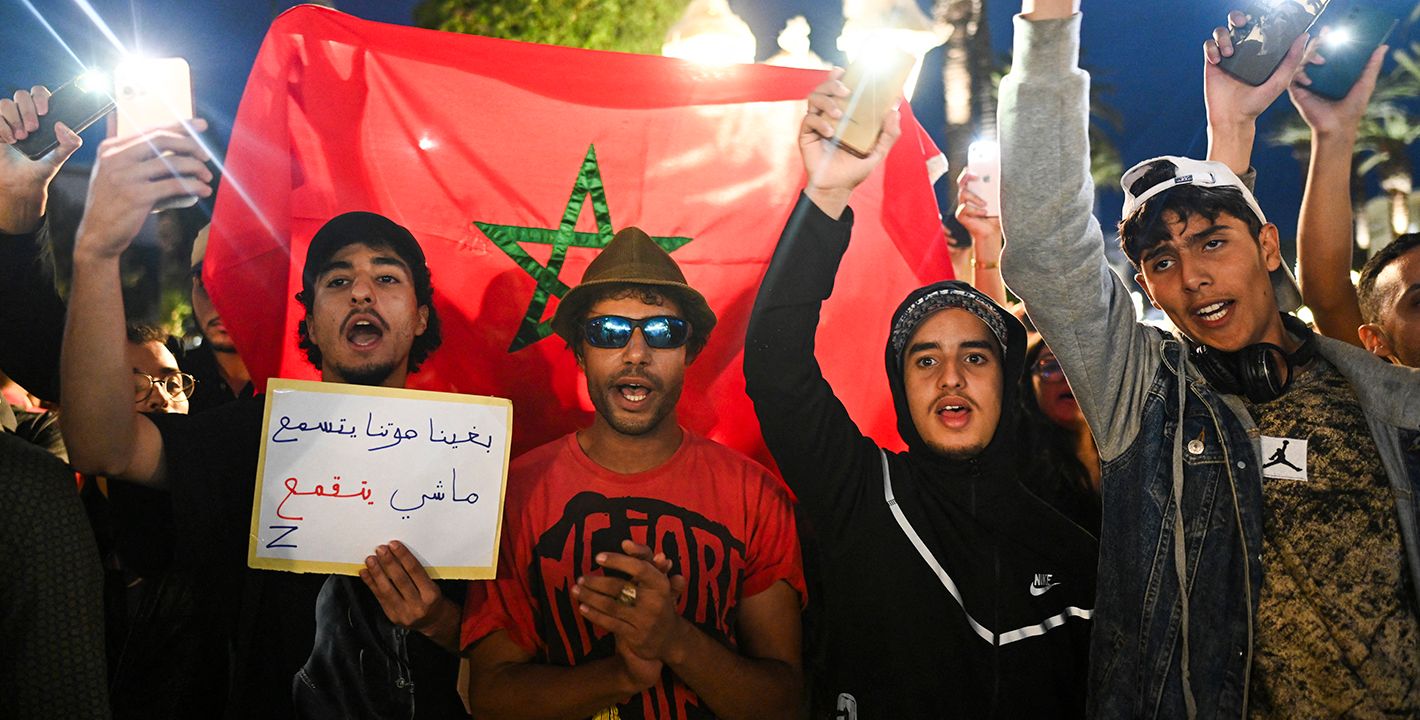
The country’s youthful protest movement is seeking economic improvement, social justice, and just a little hope.
Yasmine Zarhloule

The Moroccan-Algerian rivalry is playing itself out in ties with Burkina Faso, Niger, and Mali.
Yasmine Zarhloule