

Commentary
Michael Young
{
  "authors": [
    "Michael Young"
  ],
  "type": "commentary",
  "blog": "Diwan",
  "centerAffiliationAll": "dc",
  "centers": [
    "Carnegie Endowment for International Peace",
    "Malcolm H. Kerr Carnegie Middle East Center"
  ],
  "collections": [
    "Inquiring Minds"
  ],
  "englishNewsletterAll": "menaTransitions",
  "nonEnglishNewsletterAll": "",
  "primaryCenter": "Malcolm H. Kerr Carnegie Middle East Center",
  "programAffiliation": "MEP",
  "programs": [
    "Middle East"
  ],
  "projects": [],
  "regions": [
    "Gulf",
    "Levant",
    "Saudi Arabia",
    "Iraq",
    "Middle East"
  ],
  "topics": [
    "Political Reform"
  ]
}
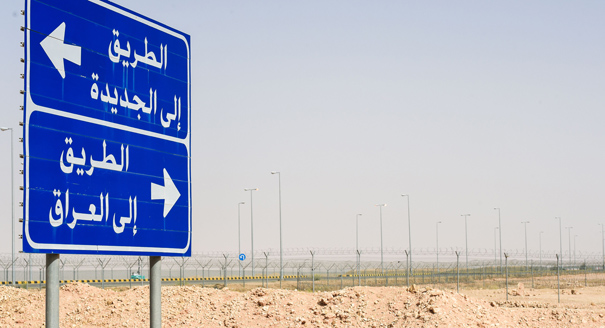
Source: Getty
A regular survey of experts on matters relating to Middle Eastern and North African politics and security.
Madawi Al Rasheed | Visiting professor at the Middle East Center, London School of Economics
Reconciliation in an Arab world plagued by shifting alliances and violence is not the current language of politics. Like any other state, Saudi Arabia and Iraq pursue their national interests, which may coincide or clash. The recent rapprochement between Saudi Crown Prince Muhammad bin Salman and Iraqi Prime Minister Haidar al-Abadi was an attempt to end Iraq’s isolation from its Arab neighbors and Riyadh’s successive foreign policy failures, stretching from Beirut, Damascus, San‘a, Doha, to Baghdad.
With no outright success story, Muhammad bin Salman seems desperate to reach out to Iraq before the Iraqi parliamentary elections in 2018. After several unsuccessful bids to find a protégé in Baghdad—including Ayad Allawi as well as Sunni tribal leaders—Saudi Arabia is currently pursuing a double policy. It is engaging with the Iraqi prime minister while also appealing to one of his fiercest critics and opponents, the cleric Muqtada al-Sadr, who recently visited the kingdom. Riyadh is eager to find a foothold in troublesome neighboring Iraq.
More importantly, the kingdom seeks to use Iraq as an entry point into Tehran, its regional rival, to improve relations that may save Saudi face in two important conflicts: Syria and Yemen. Saudi Arabia has failed to reach its objective of overthrowing Bashar al-Assad in the former and destroying the Houthi rebels in the latter. Both Saudi Arabia and Iran have their own protégés in these prolonged conflicts. Without Iran’s approval, Saudi Arabia will find it difficult to “reconcile” with Iraq, especially after decades of media wars, sectarianization, and mutual hostility. Iran’s militias on Iraqi soil are capable of thwarting any future reconciliation between the two countries. Riyadh’s erratic foreign policy is also an obstacle to regional harmony between the two estranged countries.
Joel Wing | Analyst of Iraqi affairs at the Musings on Iraq blog
The initial steps towards an improved Iraqi-Saudi relationship have been put in place. During the summer a string of Iraqi officials visited Saudi Arabia. This started with Prime Minister Haidar al-Abadi, who is from the pro-Western wing of the Da‘wa Party. He was followed by Interior Minister Qasim al-‘Araji, a member of the pro-Iran Badr Organization. Finally, nationalist leader Muqtada al-Sadr paid a visit. By meeting with this variety of individuals the Saudis were looking to cover the major political blocs making up the Shi‘a alliance.
After these cordial meetings, Riyadh announced that it was thinking of funding development projects in Iraq. Abadi has said that if the Gulf states are so concerned about Iraq’s Sunni population they should put their money where their mouth is and help rebuild the Sunni areas of the country that have been devastated during the war against the Islamic State. If the Saudis made serious commitment in this field, it would go a long way to resolving some of the outstanding issues between the two countries. These are all small steps, but would represent a decided change from the Saudis’ previous stance where they refused to have full diplomatic relations with Iraq and would criticize the authorities in Baghdad for being sectarian.
Simon Henderson | Director of the Gulf and Energy Policy Program at the Washington Institute
Almost depending on which day of the week it is, I find myself changing my mind over whether I think the Middle East is becoming more predictable or less. Name the issue and I can argue both ways. Will there ever be Israeli-Palestinian peace? Will Syria ever be a functioning nation-state again? Is the Sunni-Shi‘a divide a permanent driving force?
The question about Saudi-Iraqi reconciliation is a sub-set of this last question. The sight of Muqtada al-Sadr sitting in Jeddah talking to Saudi Crown Prince Muhammad bin Salman shocked me. The fact that I regard both men as immensely cynical was insufficient to explain what is apparently going on. Saddam Hussein must be turning in his grave.
The Saudi motivation is easy to guess—to break Baghdad away from Tehran, or at least weaken the link. The Iraqi aim—and political figures other than Sadr are involved—is to gain wider acceptance in the Arab world and perhaps win some funds for reconstruction and development. A key factor will be whether Iran will tolerate Iraq’s independent thinking and actions. The Islamic Republic plays a long game, so possibly we won’t know for quite a while.
Renad Mansour | Academy fellow in the Middle East and North Africa program at Chatham House, the Royal Institute of International Affairs
Summer 2017 has been unprecedented for Iraqi-Saudi relations. Iraq and Saudi Arabia have not always seen eye to eye. In 1990, Iraqi president Saddam Hussein, a Sunni, invaded Kuwait, pushing a concerned Saudi Arabia to seek protection and invite U.S. troops onto its soil. In 2003, after Saddam’s overthrown, a new, Shi‘a-dominated leadership took power in Iraq and enjoyed Iran’s support, provoking fears in Riyadh that a “Shi‘a Crescent” was taking shape in the region.
Recently, however, the Shi‘a leadership governing Iraq has been mired in an internal crisis, based partly on the question of Tehran’s influence in Baghdad. Prime Minister Haidar al-Abadi has sought to leverage Iran’s dominance over his country by charting an independent foreign policy and also engaging with other countries, which included inviting the United States to help in the fight against the so-called Islamic State. Populist Shi‘a cleric Muqtada al-Sadr, too, has positioned himself as an Iraq-first nationalist wary of Iranian influence exercised through certain Iraqi leaders, namely former prime minister Nouri al-Maliki.
The next year will be an important one in Iraq. With the military defeat of the Islamic State and upcoming elections, followed by the formation of a new government, all leaders are pushing their vision for a post-Islamic State Iraq. For Sadr and Abadi, though both may object to many of Saudi Arabia’s regional policies and Wahhabi ideological underpinnings, the key aim is for Iraq to adopt a new foreign policy in which it becomes a regional actor actively engaged with its neighbors, including Saudi Arabia.

Editor, Diwan, Senior Editor, Malcolm H. Kerr Carnegie Middle East Center
Michael Young is the editor of Diwan and a senior editor at the Malcolm H. Kerr Carnegie Middle East Center.
Recent Work
Michael Young
Michael Young
Carnegie does not take institutional positions on public policy issues; the views represented herein are those of the author(s) and do not necessarily reflect the views of Carnegie, its staff, or its trustees.
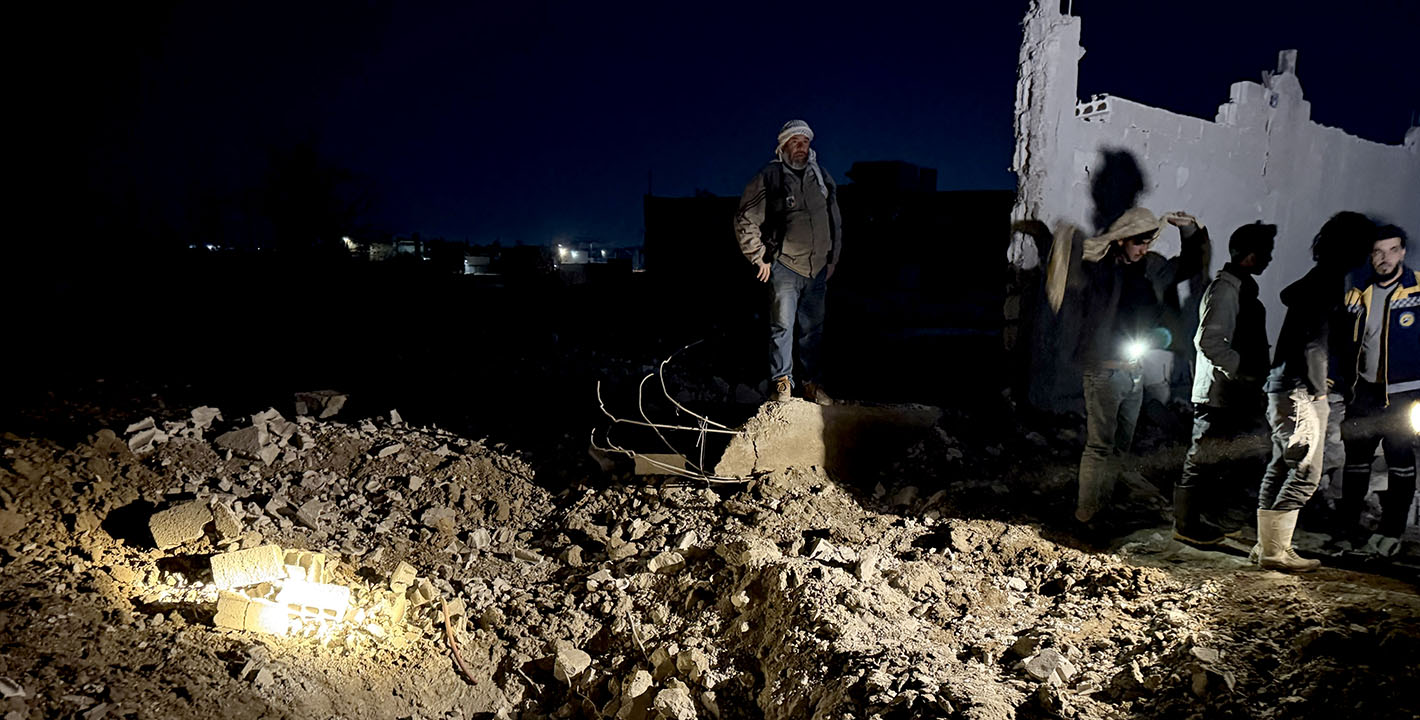
In an interview, Kheder Khaddour explains that Damascus is trying to stabilize its borders, but avoiding war isn’t guaranteed.
Michael Young
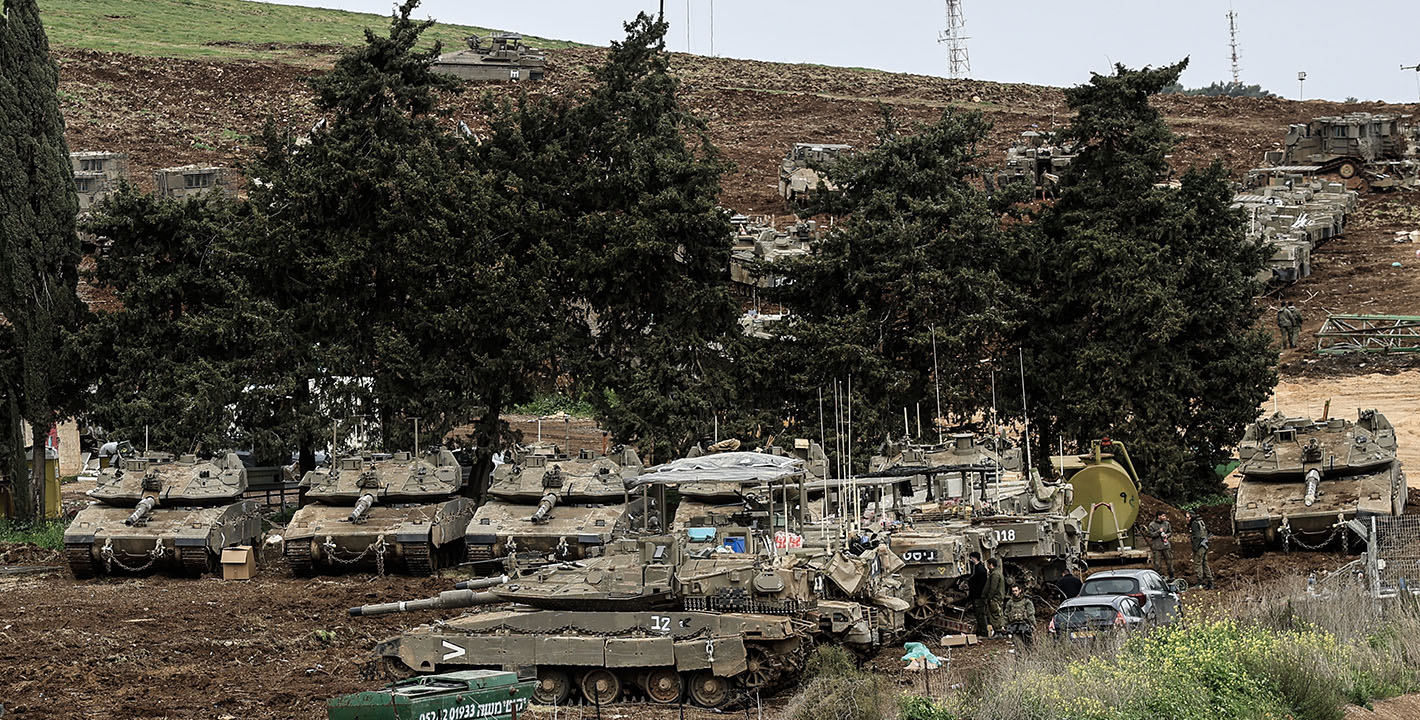
The country’s strategy is no longer focused on deterrence and diplomacy, it’s about dominance and degradation.

Nathan J. Brown
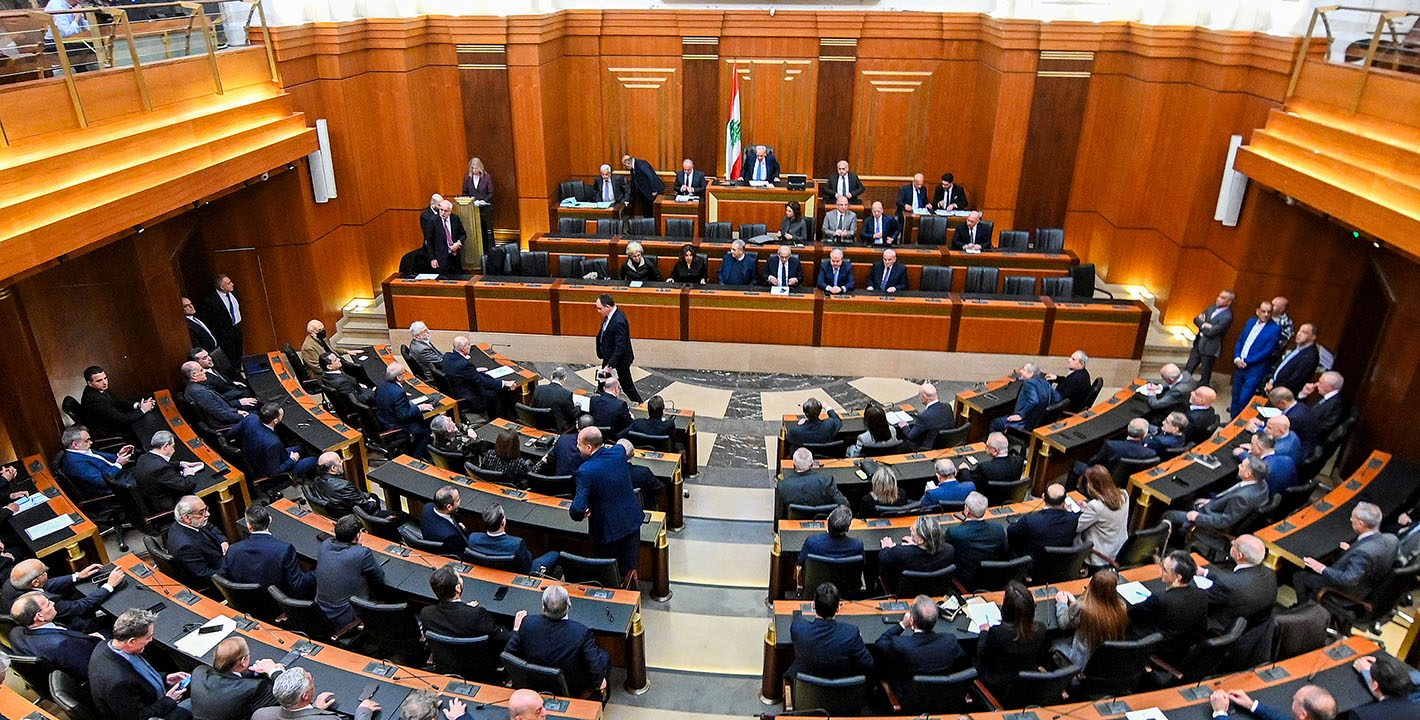
The decision of Lebanon’s parliament may look exceptional, but in reality it is not.

Issam Kayssi
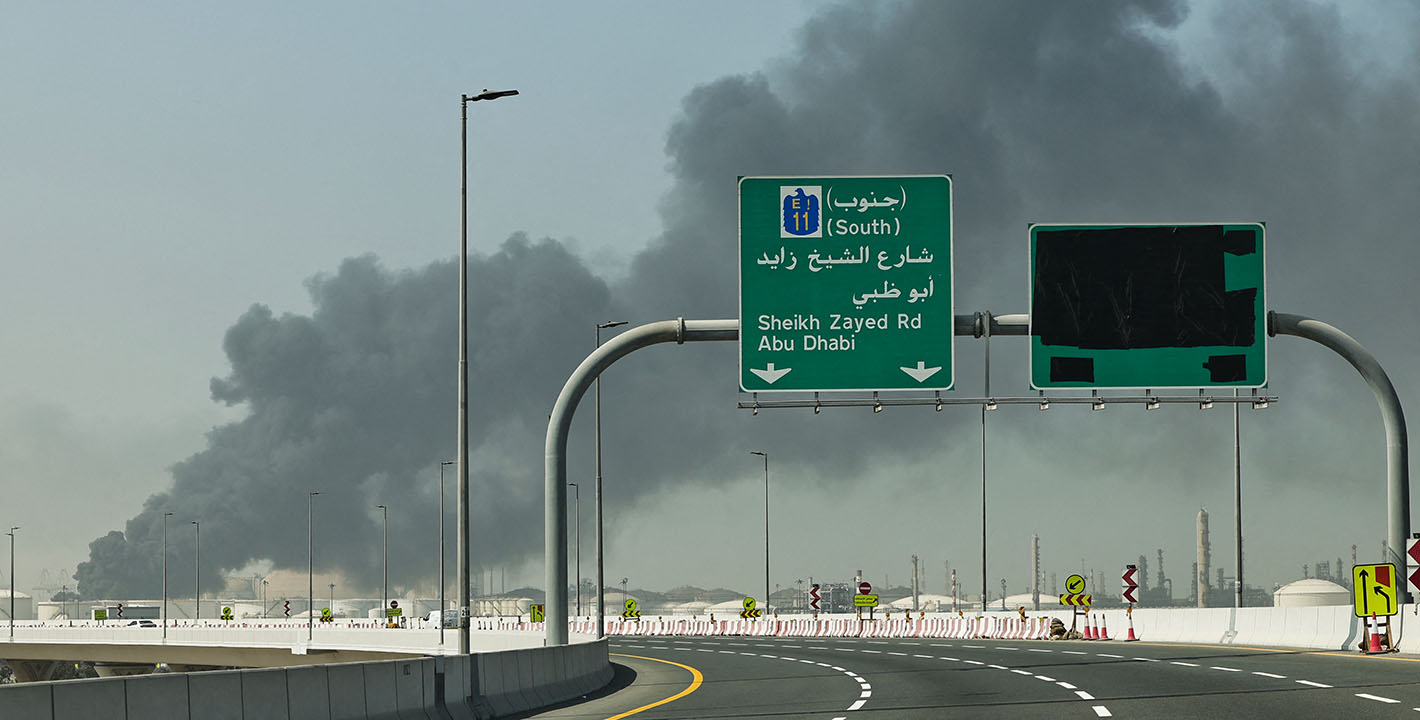
The countries in the region are managing the fallout from Iranian strikes in a paradoxical way.

Angie Omar

In an interview, Hassan Mneimneh discusses the ongoing conflict and the myriad miscalculations characterizing it.
Michael Young