

Commentary
The recent African Cup of Nations tournament in Morocco touched on issues that largely transcended the sport.
Issam Kayssi, Yasmine Zarhloule
{
  "authors": [
    "Ghida Tayara"
  ],
  "type": "commentary",
  "blog": "Diwan",
  "centerAffiliationAll": "dc",
  "centers": [
    "Carnegie Endowment for International Peace",
    "Malcolm H. Kerr Carnegie Middle East Center"
  ],
  "collections": [
    "Three Question Time"
  ],
  "englishNewsletterAll": "menaTransitions",
  "nonEnglishNewsletterAll": "",
  "primaryCenter": "Malcolm H. Kerr Carnegie Middle East Center",
  "programAffiliation": "MEP",
  "programs": [
    "Middle East"
  ],
  "projects": [],
  "regions": [
    "North Africa",
    "Libya"
  ],
  "topics": [
    "Political Reform"
  ]
}
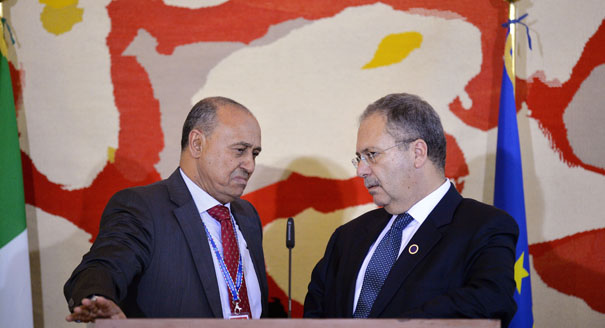
Source: Getty
In an interview, Tarek Mitri says the United Nations was not equipped to deal with the violent Arab uprisings.
Tarek Mitri is director of the Issam Fares Institute for Public Policy and International Affairs at the American University of Beirut. Mitri, a Lebanese who once promoted Christian-Muslim understanding at the World Council of Churches, was a minister in the governments of Fouad al-Siniora and Saad Hariri, before being appointed in 2012 by then-United Nations secretary general Ban Ki-moon as his representative to Libya. In early September Mitri helped launch the Arabic version of a Carnegie report on the Palestinians, after which he sat for an interview with Diwan to discuss the role of the United Nations in the Middle East, to correspond with the General Assembly session later in the month.
Ghida Tayara
Senior Digital and Web Coordinator
Carnegie does not take institutional positions on public policy issues; the views represented herein are those of the author(s) and do not necessarily reflect the views of Carnegie, its staff, or its trustees.
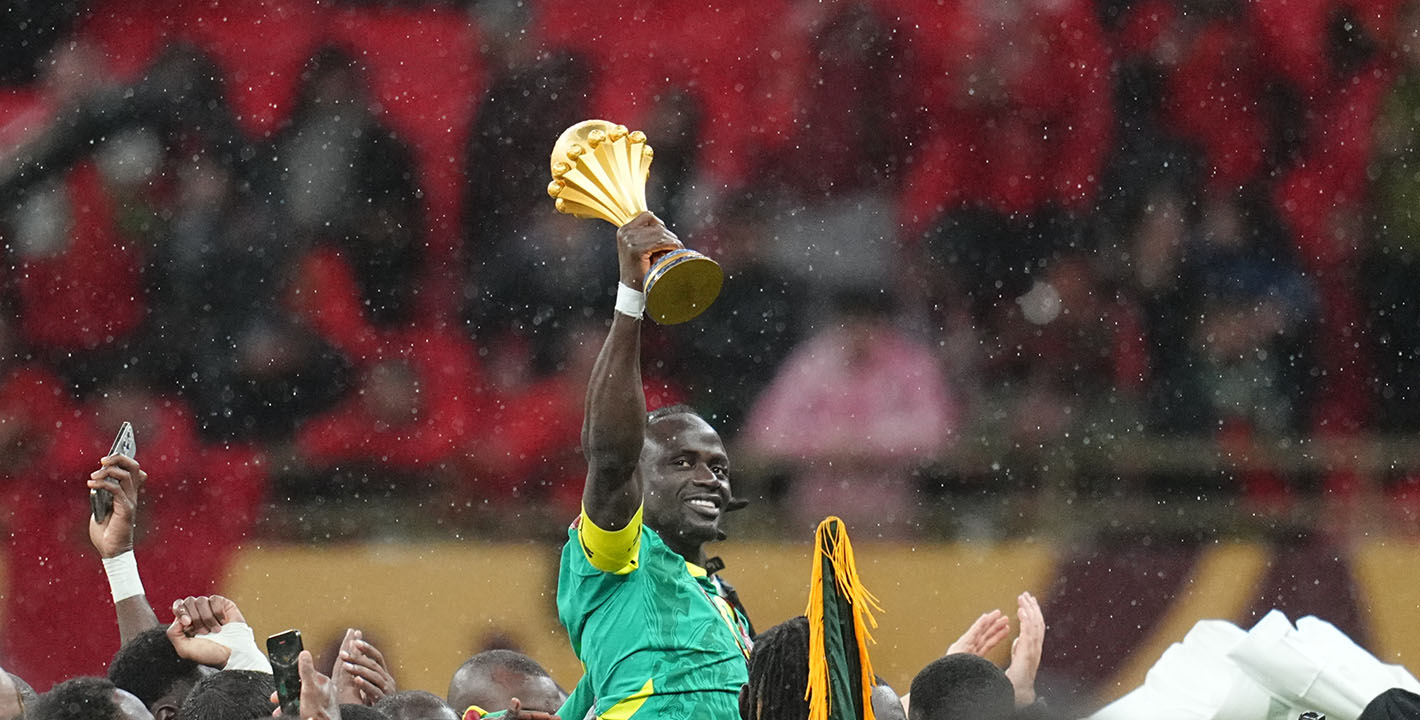
The recent African Cup of Nations tournament in Morocco touched on issues that largely transcended the sport.


Issam Kayssi, Yasmine Zarhloule
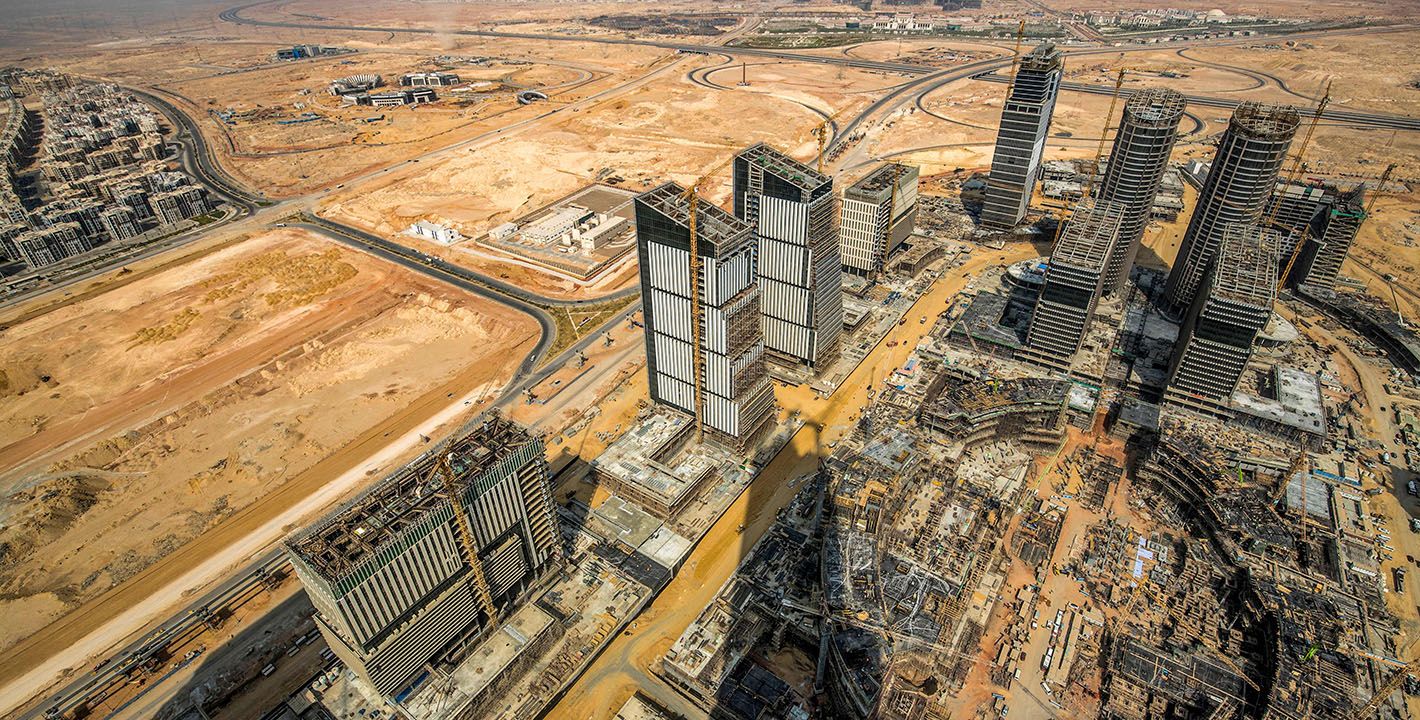
Mustaqbal Misr has expanded its portfolio with remarkable speed, but a lack of transparency remains.

Yezid Sayigh
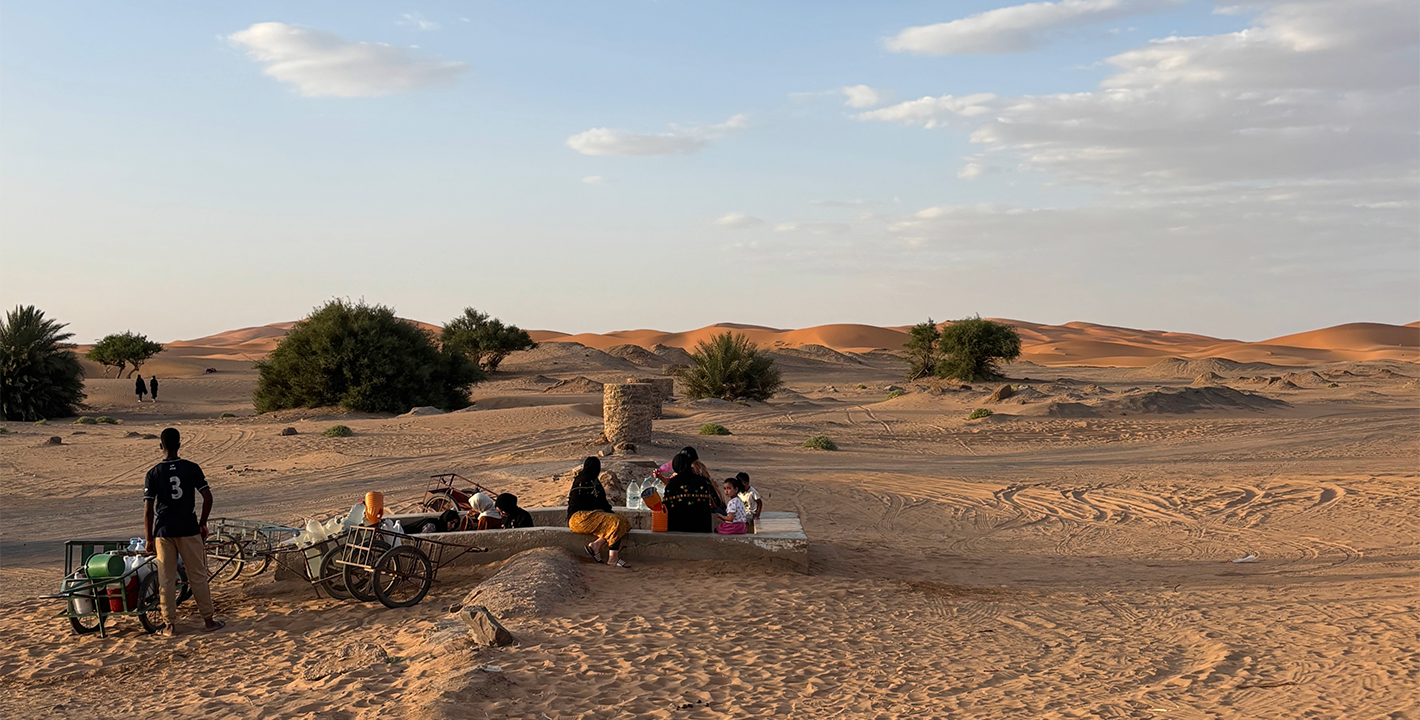
The burden of environmental degradation is felt not only through physical labor but also emotional and social loss.
Yasmine Zarhloule, Ella Williams
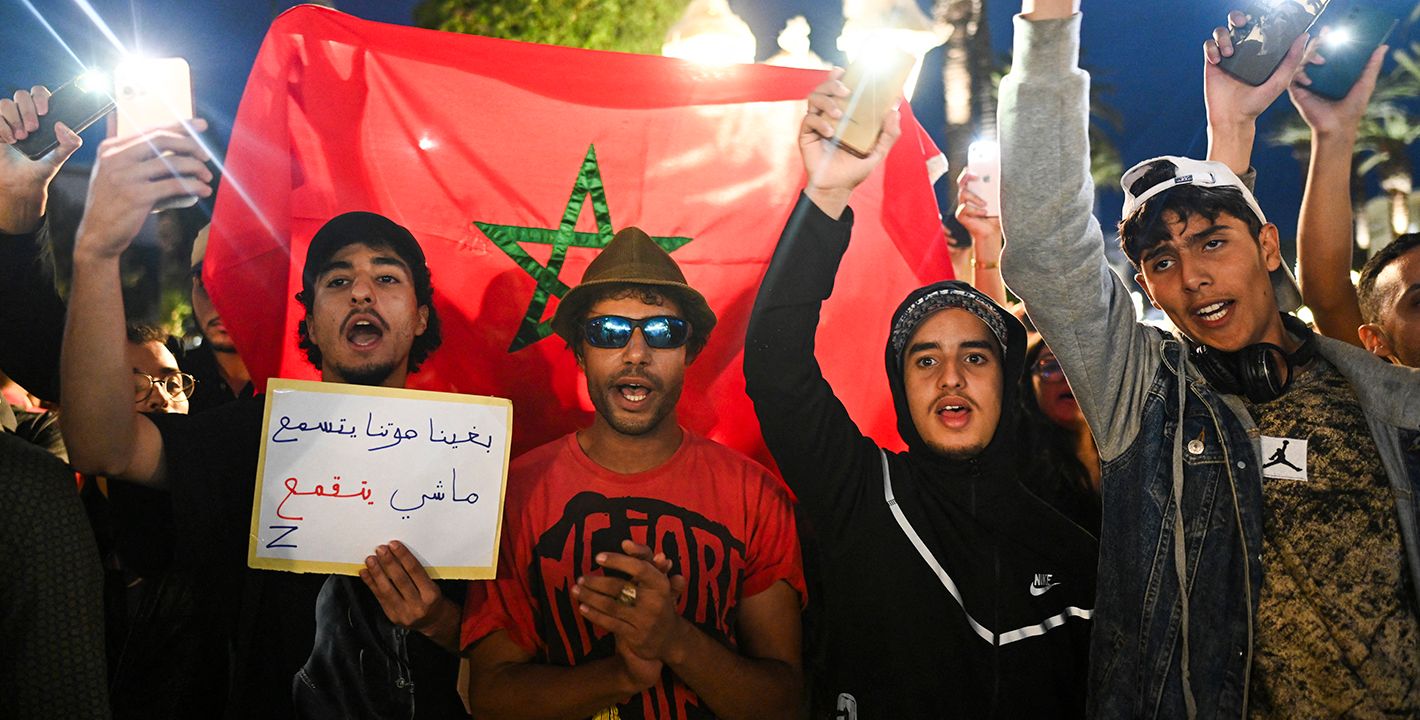
The country’s youthful protest movement is seeking economic improvement, social justice, and just a little hope.
Yasmine Zarhloule
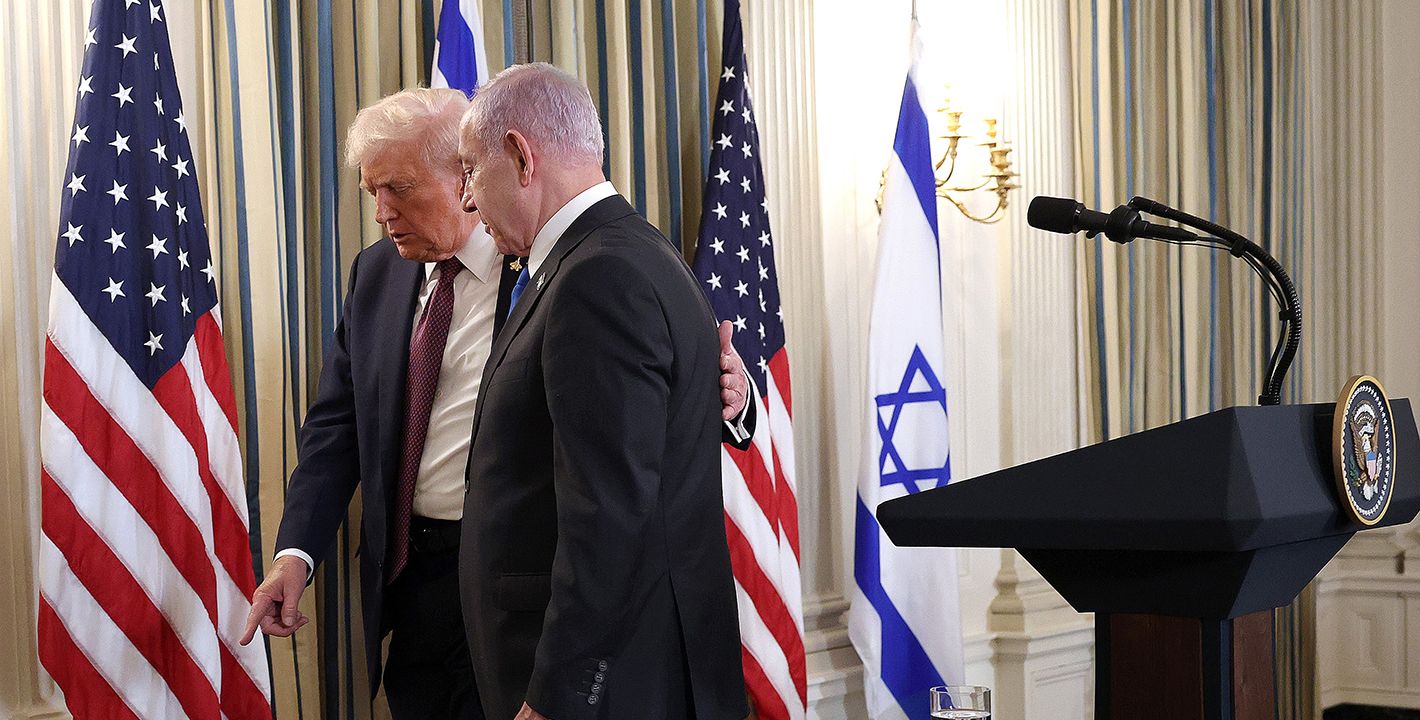
In an interview, Yezid Sayigh looks at the different dimensions of the Trump plan.
Ghida Tayara, Yezid Sayigh