

Commentary
The accord represents a pivotal moment in the region to avert a security vacuum in the Gulf.
Azeema Cheema, Mohanad Hage Ali
{
  "authors": [
    "Intissar Fakir",
    "Ghida Tayara"
  ],
  "type": "commentary",
  "blog": "Diwan",
  "centerAffiliationAll": "dc",
  "centers": [
    "Carnegie Endowment for International Peace",
    "Malcolm H. Kerr Carnegie Middle East Center"
  ],
  "collections": [
    "Three Question Time"
  ],
  "englishNewsletterAll": "menaTransitions",
  "nonEnglishNewsletterAll": "",
  "primaryCenter": "Carnegie Endowment for International Peace",
  "programAffiliation": "MEP",
  "programs": [
    "Middle East"
  ],
  "projects": [],
  "regions": [
    "Middle East",
    "Syria",
    "Russia",
    "Levant"
  ],
  "topics": [
    "Political Reform"
  ]
}
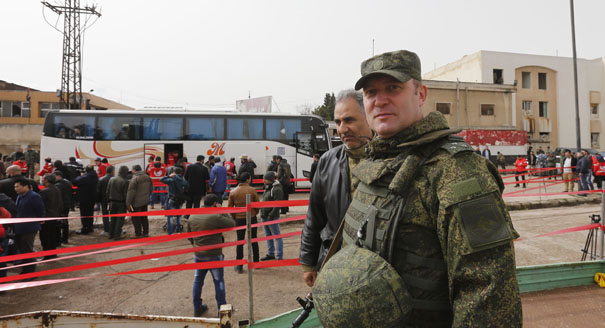
Source: Getty
Michael McFaul analyzes the many angles of Russia’s approach to the Syrian conflict.
Michael McFaul served as U.S. ambassador to Russia from 2012 to 2014. Before that, he worked as senior director for Russian and Eurasian affairs at the U.S. National Security Council. Today, he is a senior fellow at the Freeman Spogli Institute for International Studies at Stanford University, where he is also a professor of political science. In addition, McFaul is the Peter and Helen Bing senior fellow at the Hoover Institution at Stanford.
Diwan interviewed McFaul on Russia’s policy with regard to Syria. The interview took place on the margins of a conference in Washington, D.C. held on September 6–7. It was organized by the Carnegie Endowment for International Peace and Stanford University’s Center on Democracy, Development, and the Rule of Law, and was titled “Security, Prosperity, and Governance in the Middle East/North Africa.”
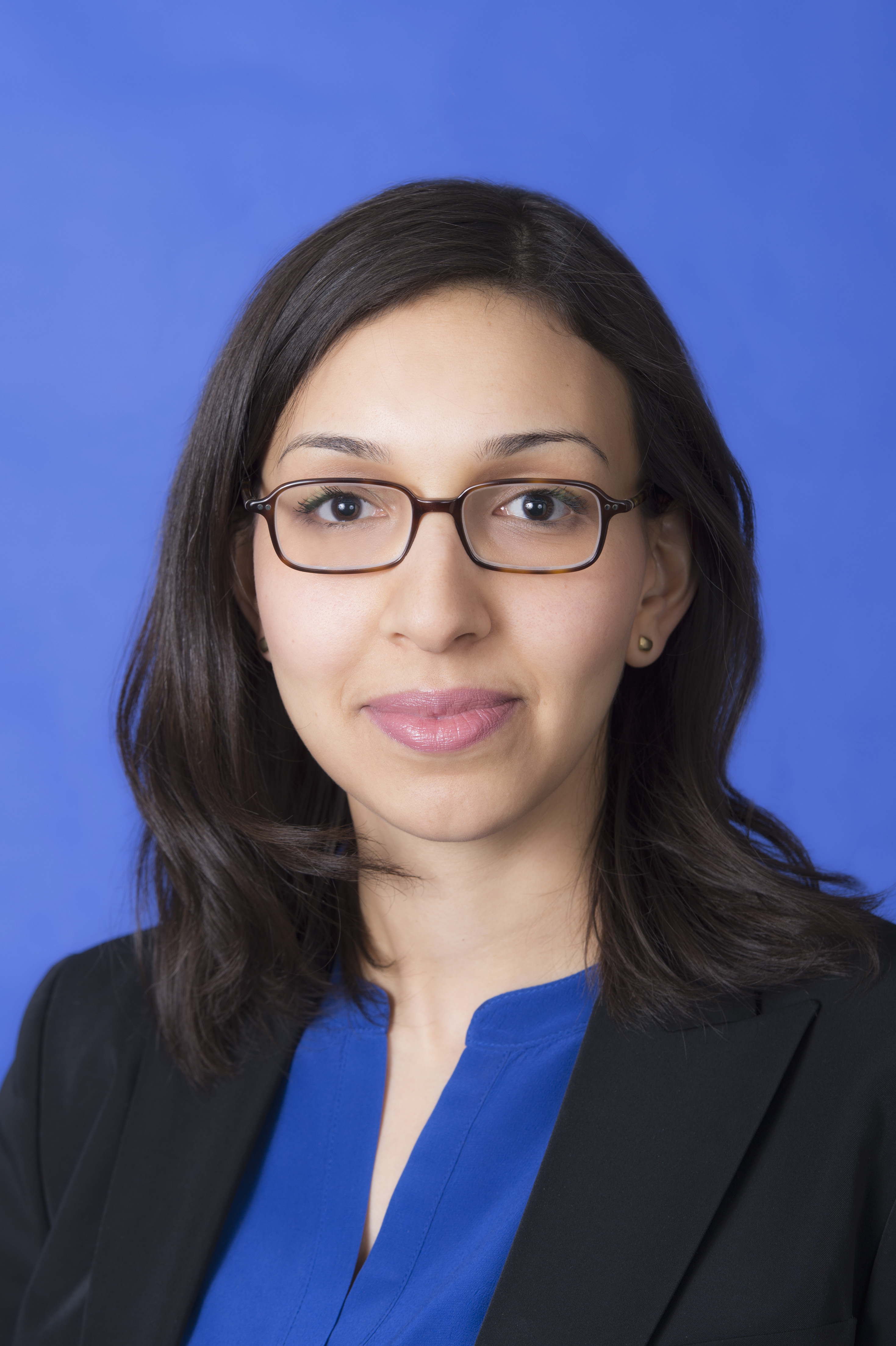
Former Fellow, Middle East Program, Editor in Chief, Sada
Intissar Fakir was a fellow and editor in chief of Sada in Carnegie’s Middle East Program.
Ghida Tayara
Senior Digital and Web Coordinator
Carnegie does not take institutional positions on public policy issues; the views represented herein are those of the author(s) and do not necessarily reflect the views of Carnegie, its staff, or its trustees.

The accord represents a pivotal moment in the region to avert a security vacuum in the Gulf.


Azeema Cheema, Mohanad Hage Ali

In an interview, Jason Burke discusses his sweeping account of the “revolutionists” who so shaped the 1970s and early 1980s.

Michael Young
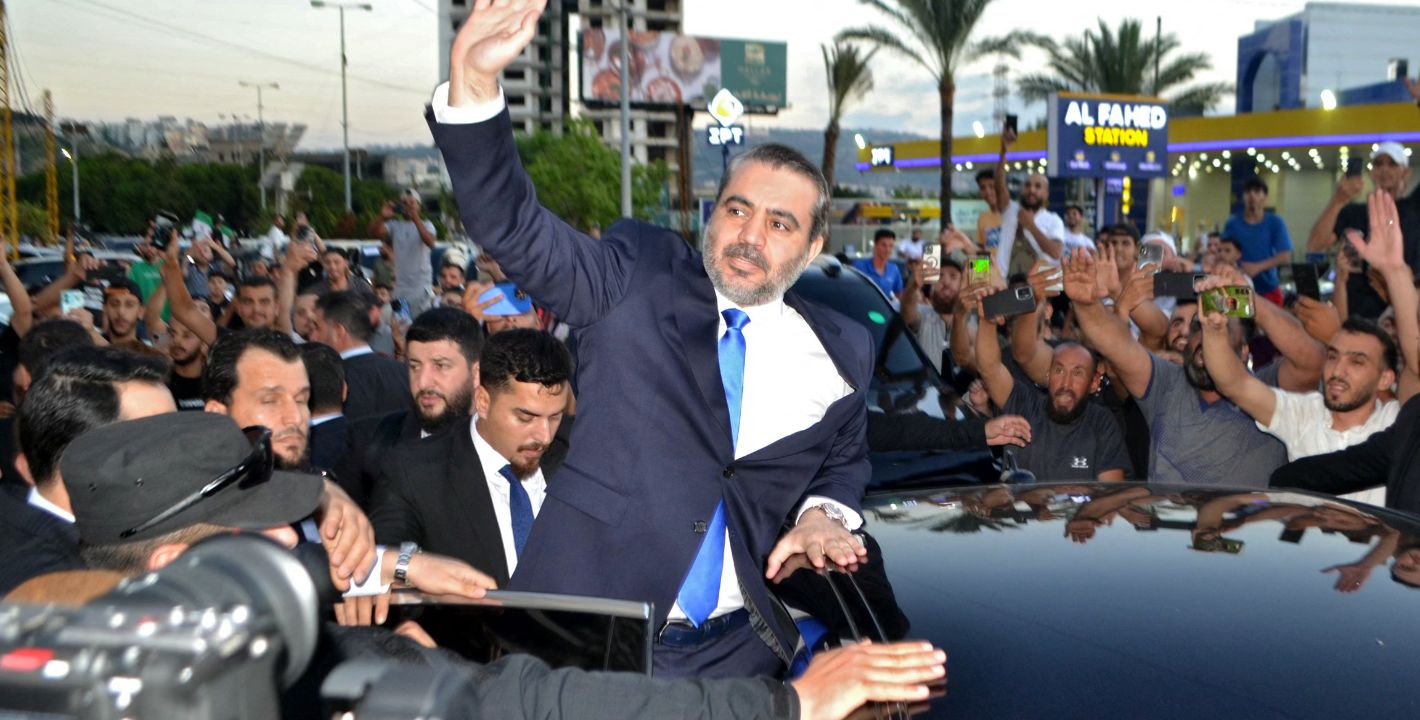
In an interview, Sohaib Jawhar analyzes the profound changes in the ties between the neighboring countries.
Michael Young
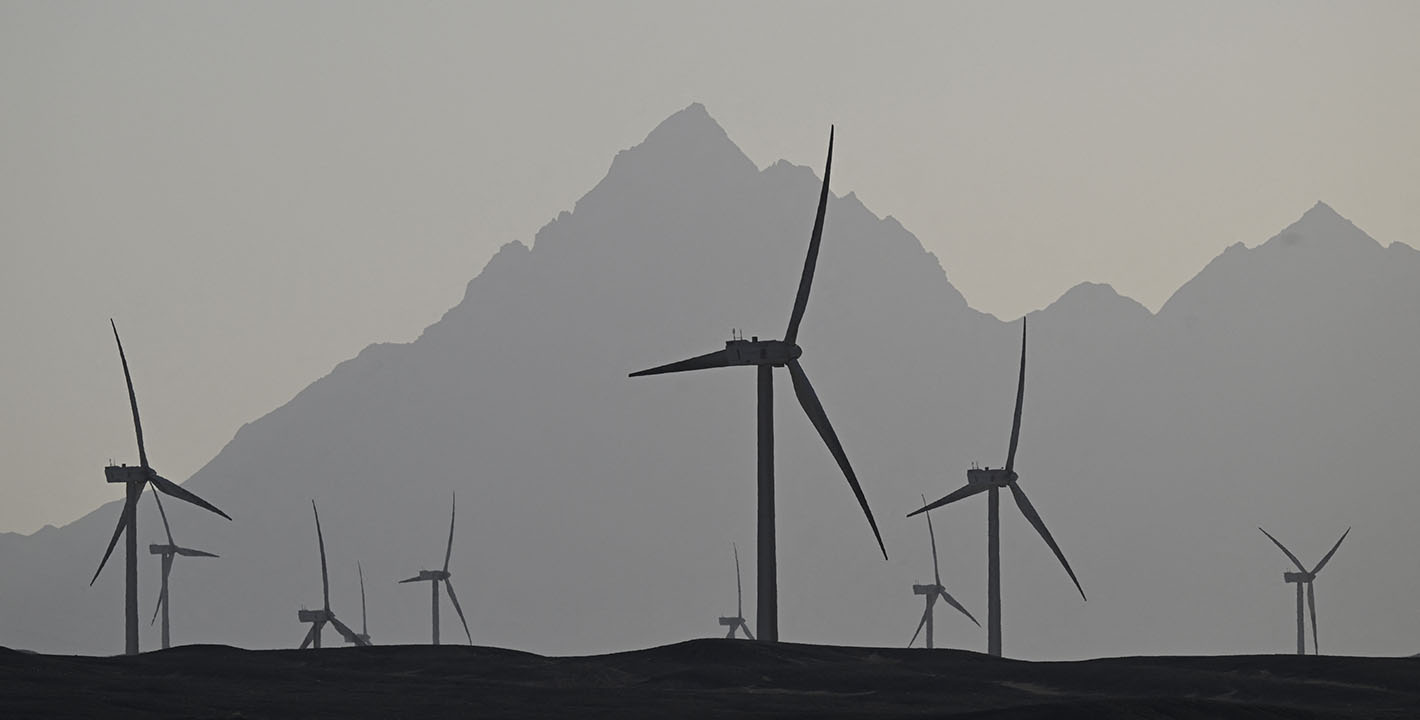
There is a disturbing structural parallel between the old global energy economy and the new green transition.

Angie Omar
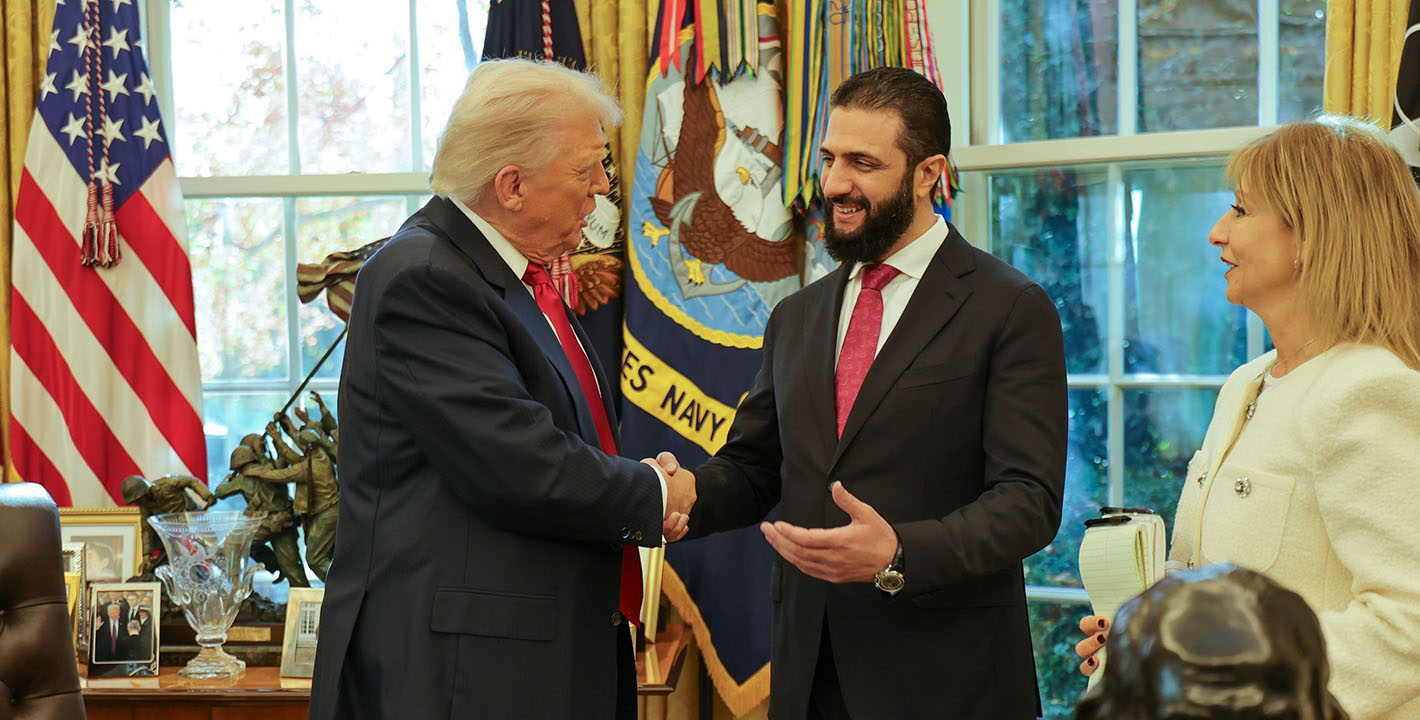
Any move by the United States to make good on Trump’s suggestion that Washington persuade Damascus to confront Hezbollah militarily would have catastrophic consequences.
Kheder Khaddour