

Commentary
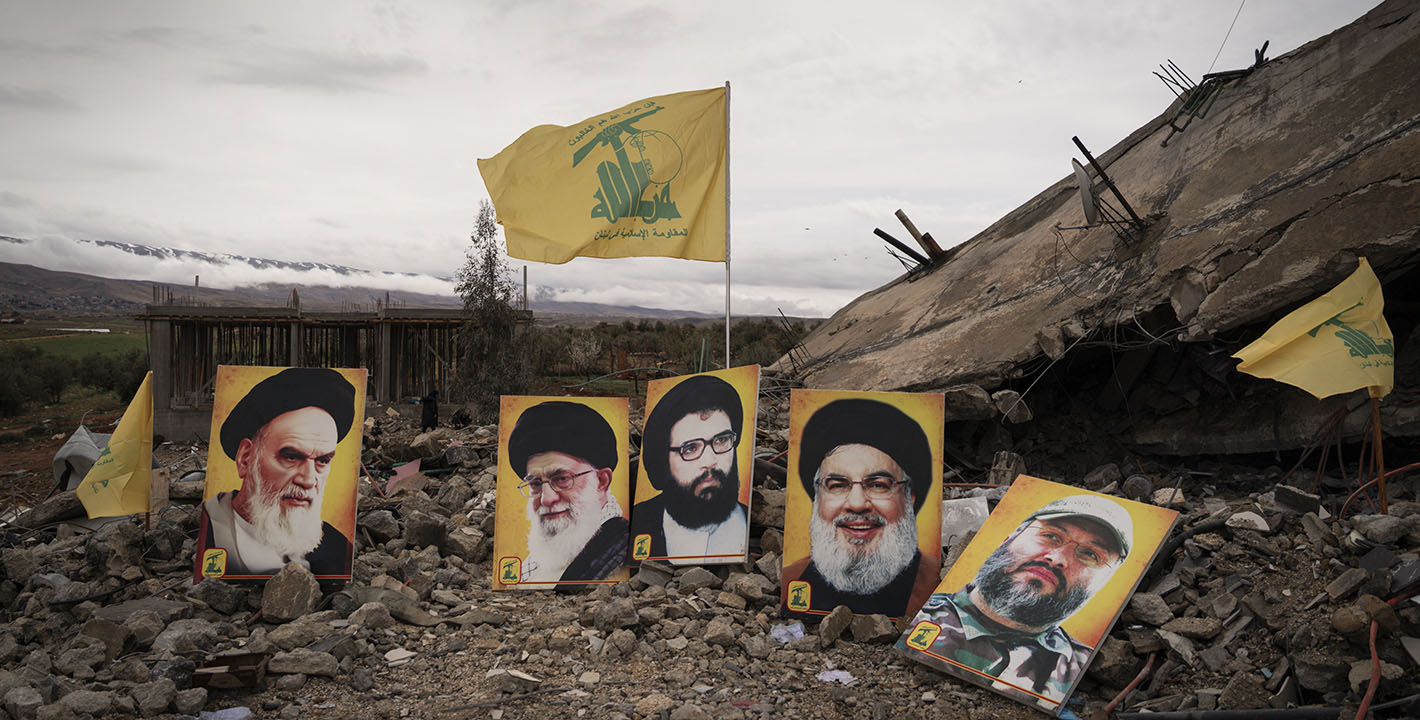
The party’s objectives involve tying together the Lebanese and Iranian fronts, while surviving militarily and politically at home.
Mohamad Fawaz
{
  "authors": [
    "John Polcari"
  ],
  "type": "commentary",
  "blog": "Diwan",
  "centerAffiliationAll": "dc",
  "centers": [
    "Carnegie Endowment for International Peace",
    "Malcolm H. Kerr Carnegie Middle East Center"
  ],
  "collections": [],
  "englishNewsletterAll": "menaTransitions",
  "nonEnglishNewsletterAll": "",
  "primaryCenter": "Carnegie Endowment for International Peace",
  "programAffiliation": "MEP",
  "programs": [
    "Middle East"
  ],
  "projects": [],
  "regions": [
    "Middle East",
    "Lebanon",
    "Saudi Arabia",
    "Gulf",
    "Levant"
  ],
  "topics": [
    "Political Reform"
  ]
}
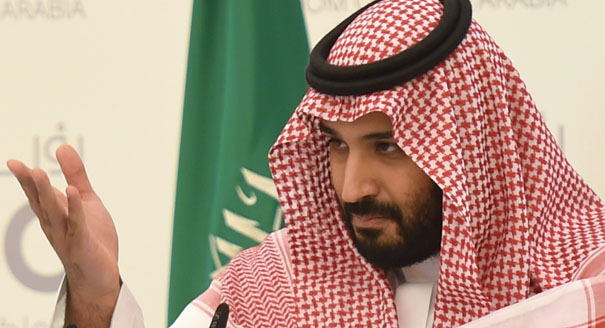
Source: Getty
What do the arrest of Saudi princes and the resignation of Lebanon’s prime minister tell us about power plays in Riyadh?
In recent days, dramatic events have taken place in the Middle East. In Saudi Arabia, reports emerged that several senior princes had been placed under arrest, apparently at the orders of Crown Prince Mohammed bin Salman, for their alleged involvement in corruption. Most analysts, however, saw this as a power play by the prince, as he prepares to inherit the throne from his father King Salman. At the same time, on November 4, Lebanese Prime Minister Saad al-Hariri resigned, in what was widely regarded as a decision imposed on him by his Saudi patrons. Indeed, the resignation announcement took place in Riyadh.
It is to discuss these developments that Diwan spoke to Joseph Bahout, a visiting scholar in the Carnegie Middle East program. He recently wrote an article for Diwan in which he predicted that the implicit Saudi-Iranian understanding to sideline Lebanon from their rivalry was likely coming to an end. The Hariri resignation appeared to be confirmation of this.
John Polcari
Former Program Coordinator and Research Assistant, Middle East Program
Carnegie does not take institutional positions on public policy issues; the views represented herein are those of the author(s) and do not necessarily reflect the views of Carnegie, its staff, or its trustees.
The party’s objectives involve tying together the Lebanese and Iranian fronts, while surviving militarily and politically at home.
Mohamad Fawaz
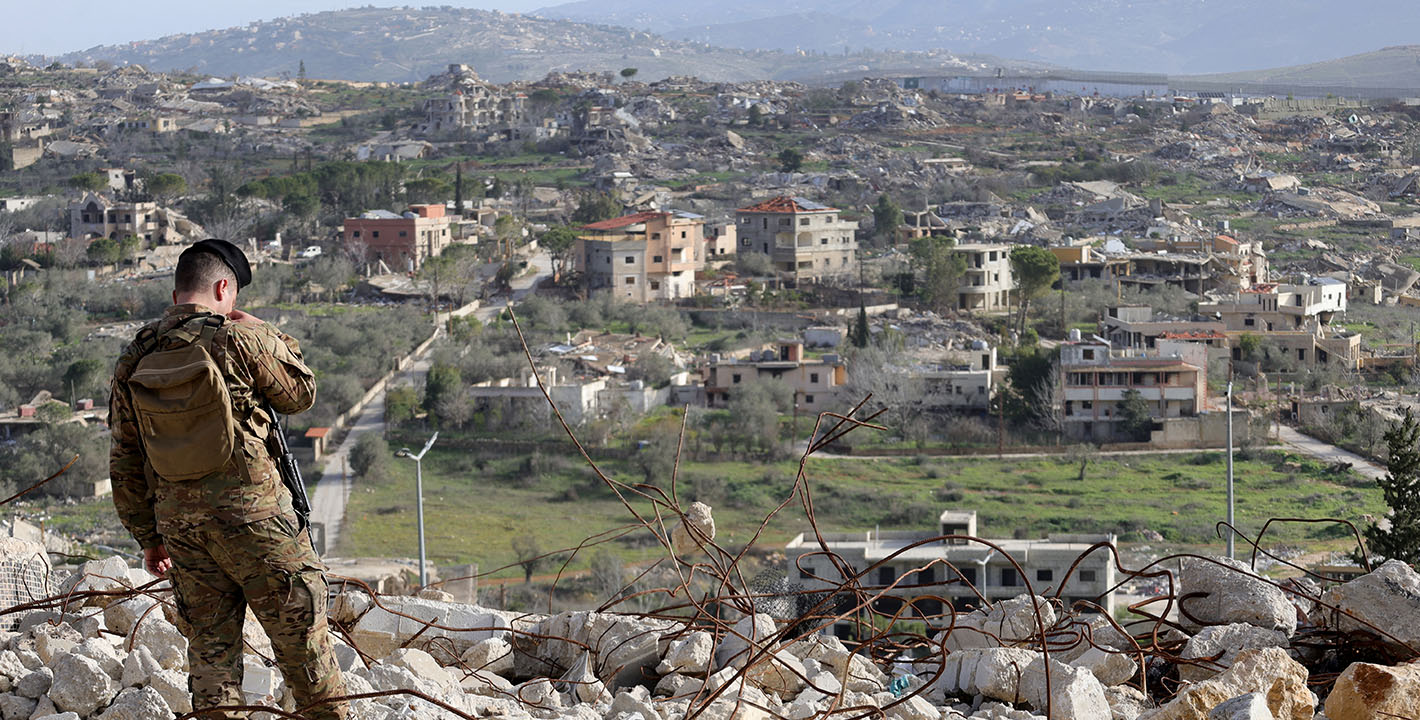
While armed forces commander Rudolph Haykal’s caution is understandable, he is in a position to act, and must.

Michael Young
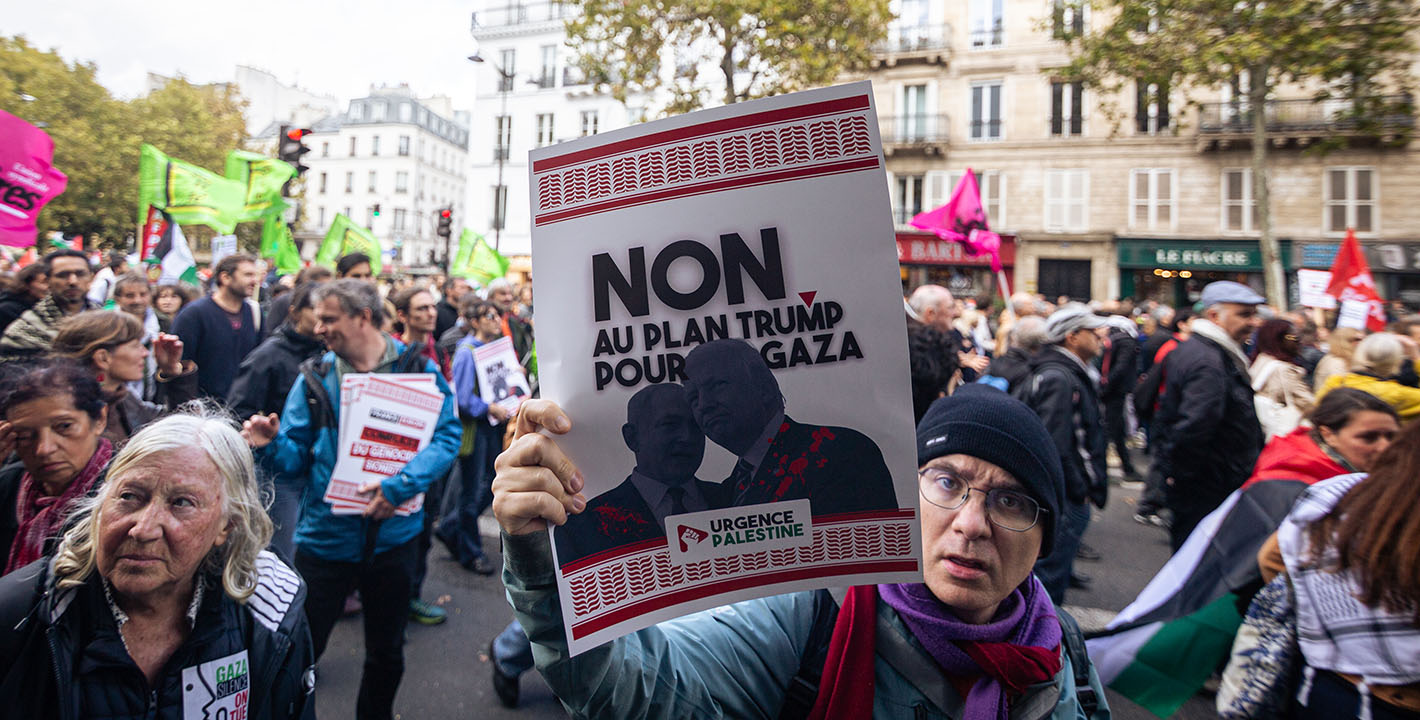
The simple conclusion is that the scheme will bring neither peace nor prosperity, but will institutionalize devastation.

Nathan J. Brown
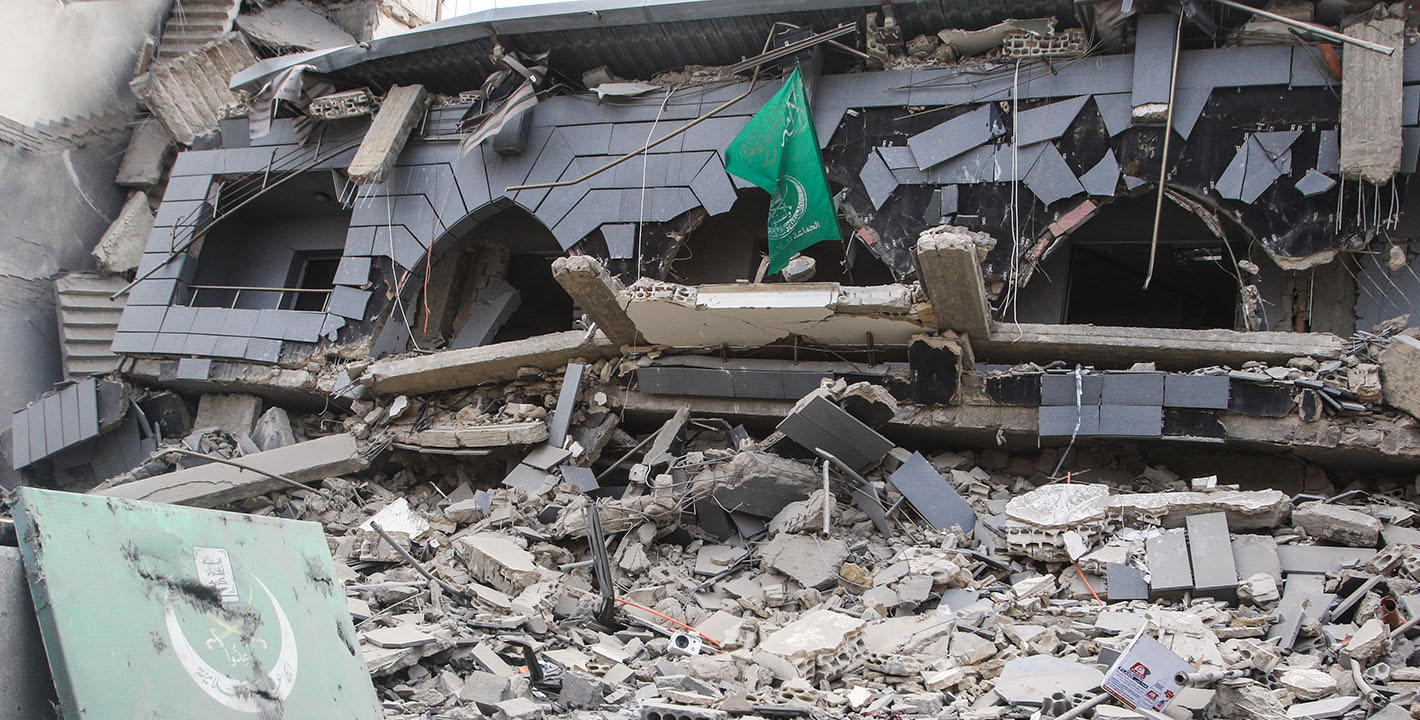
The Jamaa al-Islamiyya is the local Lebanese dimension of a broader struggle involving rival regional powers.

Issam Kayssi

In an interview, Roger Diwan discusses where the global economy may be going in the third week of the U.S.-Israeli war with Iran.

Nur Arafeh