

Article
Mohanad Hage Ali
{
  "authors": [
    "Mohanad Hage Ali"
  ],
  "type": "commentary",
  "blog": "Diwan",
  "centerAffiliationAll": "dc",
  "centers": [
    "Carnegie Endowment for International Peace",
    "Malcolm H. Kerr Carnegie Middle East Center"
  ],
  "collections": [],
  "englishNewsletterAll": "menaTransitions",
  "nonEnglishNewsletterAll": "",
  "primaryCenter": "Malcolm H. Kerr Carnegie Middle East Center",
  "programAffiliation": "MEP",
  "programs": [
    "Middle East"
  ],
  "projects": [],
  "regions": [
    "Iran",
    "Middle East"
  ],
  "topics": [
    "Political Reform"
  ]
}
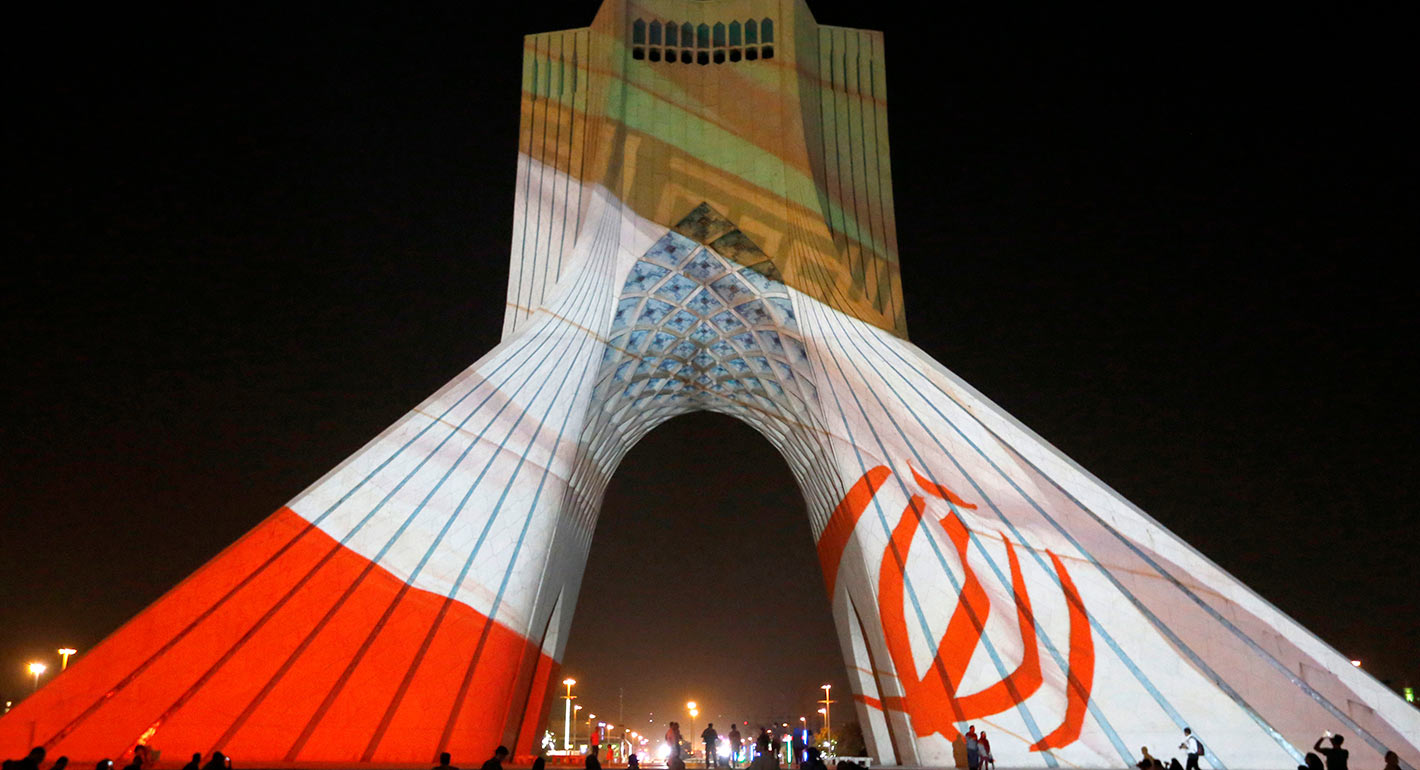
Source: Getty
Ali Hashem examines the ongoing protests in the Islamic Republic, and what they may mean for Tehran’s regional agenda.
At the end of 2017, major protests broke out in Iran, and quickly spread throughout the country. While initially they were described as protests against economic conditions in Iran, they soon were directed against the country’s political, security, and religious leadership. To examine the situation further, in early January 2018 Diwan spoke to Ali Hashem, a Tehran-based journalist. Hashem is familiar with Iran, and outlined his thinking on the protests in a Twitter thread that can be read here. This interview was conducted in English and Arabic. The Arabic version is available here.

Deputy Director for Research, Malcolm H. Kerr Carnegie Middle East Center
Mohanad Hage Ali is the deputy director for research at the Malcolm H. Kerr Carnegie Middle East Center.
Recent Work
Mohanad Hage Ali
Mohanad Hage Ali
Carnegie does not take institutional positions on public policy issues; the views represented herein are those of the author(s) and do not necessarily reflect the views of Carnegie, its staff, or its trustees.
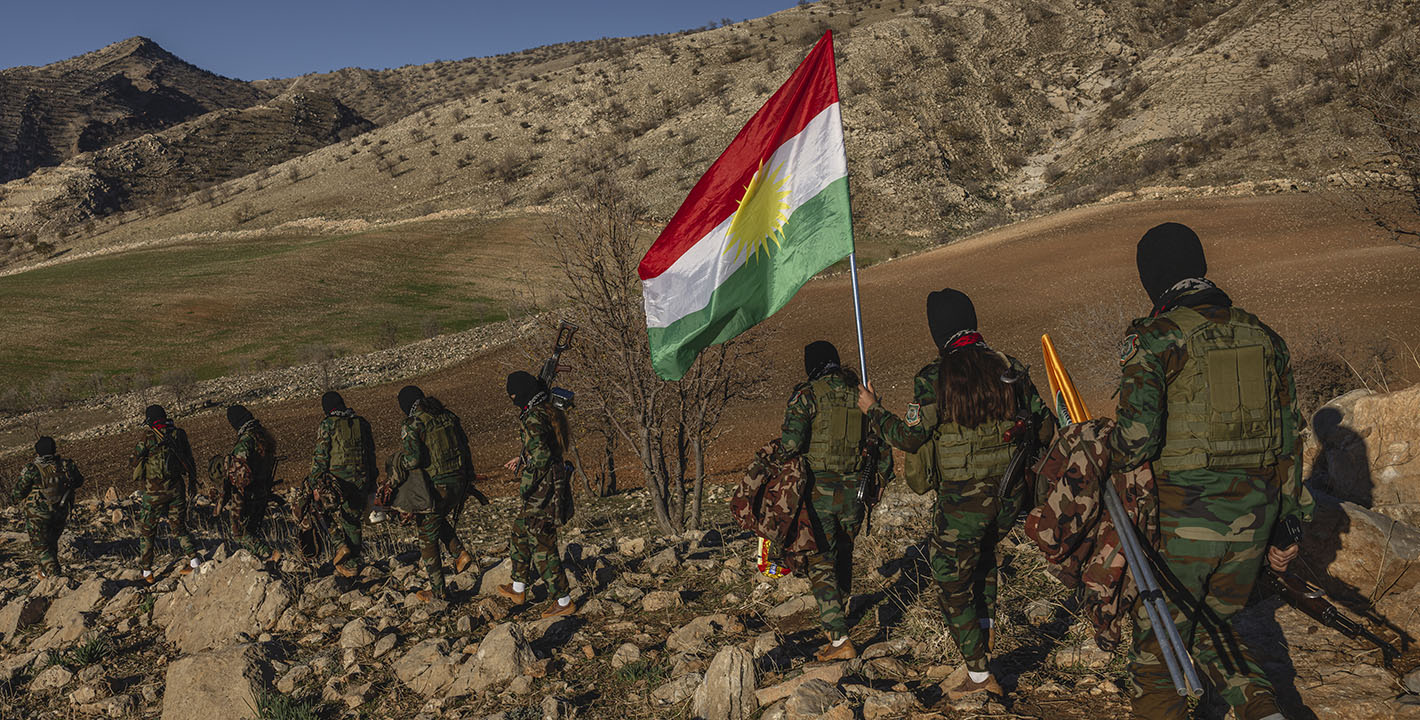
Following its deal with the United States, Iran may act against Iraq-based dissidents.
Wladimir van Wilgenburg

There is a disturbing structural parallel between the old global energy economy and the new green transition.

Angie Omar
This will be the region’s most representative tournament, amid broad changes in its footballing landscape.

Issam Kayssi

In an interview, Marc Lynch discusses his new book decrying the post-1990 U.S.-dominated order in the Middle East.

Michael Young
Because perpetual conflict enhances control, offers economic benefits, and allows leaders to ignore popular preferences.
Angie Omar