

Article
Sarah Yerkes
{
  "authors": [
    "Sarah Yerkes"
  ],
  "type": "commentary",
  "blog": "Diwan",
  "centerAffiliationAll": "dc",
  "centers": [
    "Carnegie Endowment for International Peace",
    "Malcolm H. Kerr Carnegie Middle East Center"
  ],
  "collections": [
    "Three Question Time",
    "Political Islam"
  ],
  "englishNewsletterAll": "menaTransitions",
  "nonEnglishNewsletterAll": "",
  "primaryCenter": "Malcolm H. Kerr Carnegie Middle East Center",
  "programAffiliation": "MEP",
  "programs": [
    "Middle East"
  ],
  "projects": [
    "Tunisia Monitor"
  ],
  "regions": [
    "North Africa",
    "Tunisia",
    "Maghreb"
  ],
  "topics": [
    "Political Reform"
  ]
}
Source: Getty
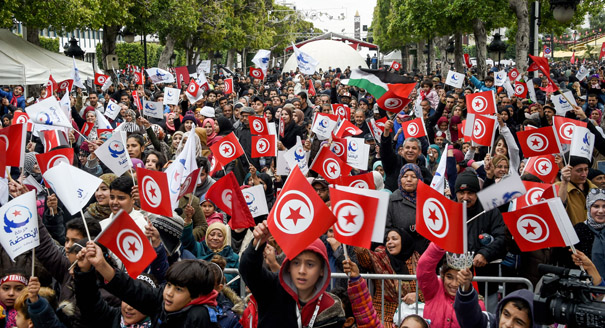
In an interview, Ennahda’s Oussama Sghaier talks about Tunisia’s democracy and the government’s credibility problem.
Oussama Sghaier is a Tunisian politician and parliamentarian from the Ennahda Party. Though he was born in Tunis, Sghaier and his family were forced to flee during the rule of former president Zine al-Abidine ben Ali. After seventeen years of political asylum in Italy, he returned to Tunisia after the 2010–2011 uprising. During his first parliamentary cycle, Sghaier was elected to the committee charged with preparing a constitution. He was also a member of the parliamentary committee on transitional justice. Sghaier was reelected in the 2014 parliamentary elections. In his second parliamentary cycle, he joined the Committee of Finance, Planning, and Economic Development and the Defense and Security Committee. In November 2017, Sghaier was appointed president of the Committee of Tunisian Residents Overseas. In mid-March, Diwan sat with Sghaier to discuss the current political situation in Tunisia.
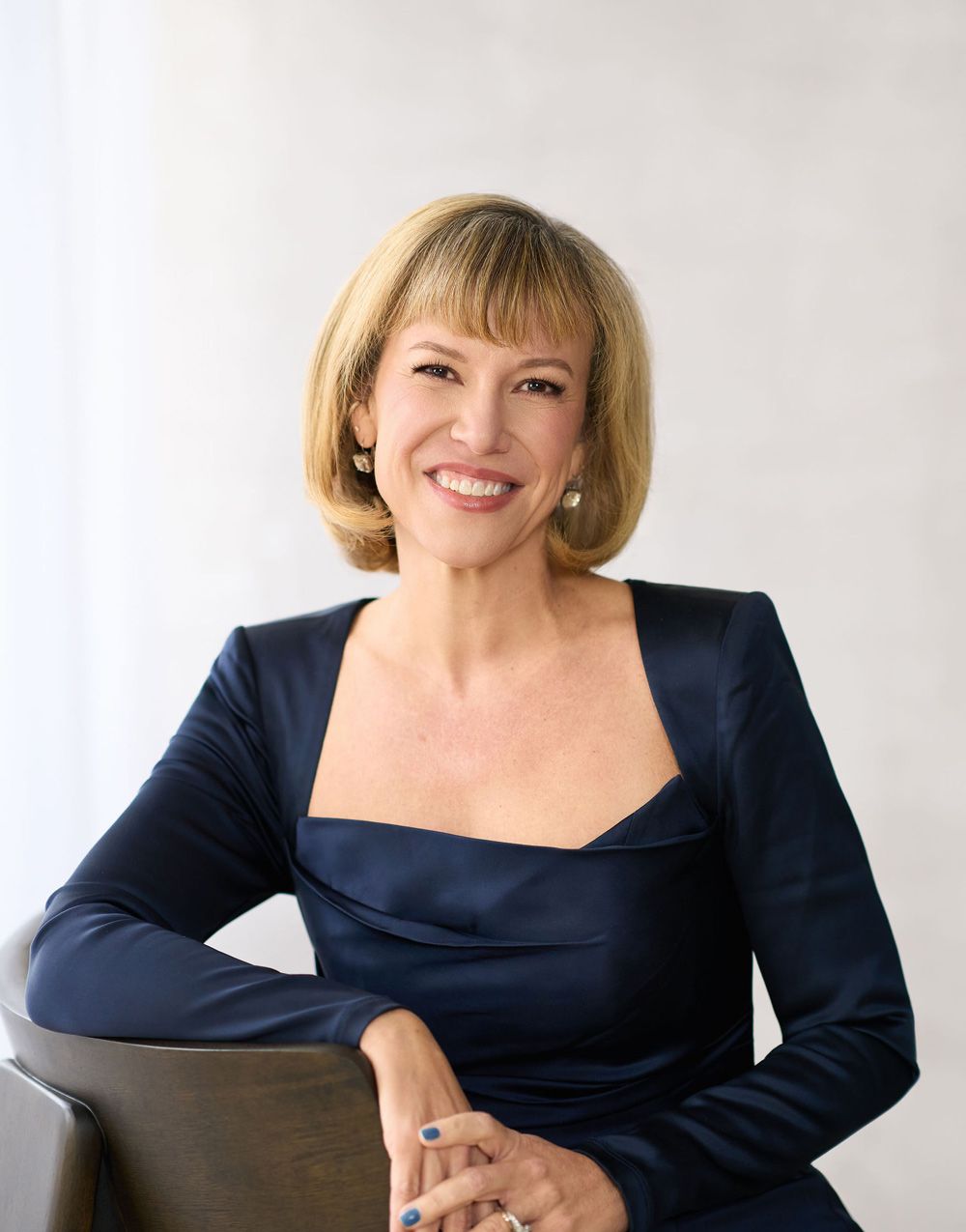
Senior Fellow, Middle East Program
Sarah Yerkes is a senior fellow in Carnegie’s Middle East Program, where her research focuses on Tunisia’s political, economic, and security developments as well as state-society relations in the Middle East and North Africa.
Recent Work

Amr Hamzawy, Sarah Yerkes, Kathryn Selfe
Carnegie does not take institutional positions on public policy issues; the views represented herein are those of the author(s) and do not necessarily reflect the views of Carnegie, its staff, or its trustees.
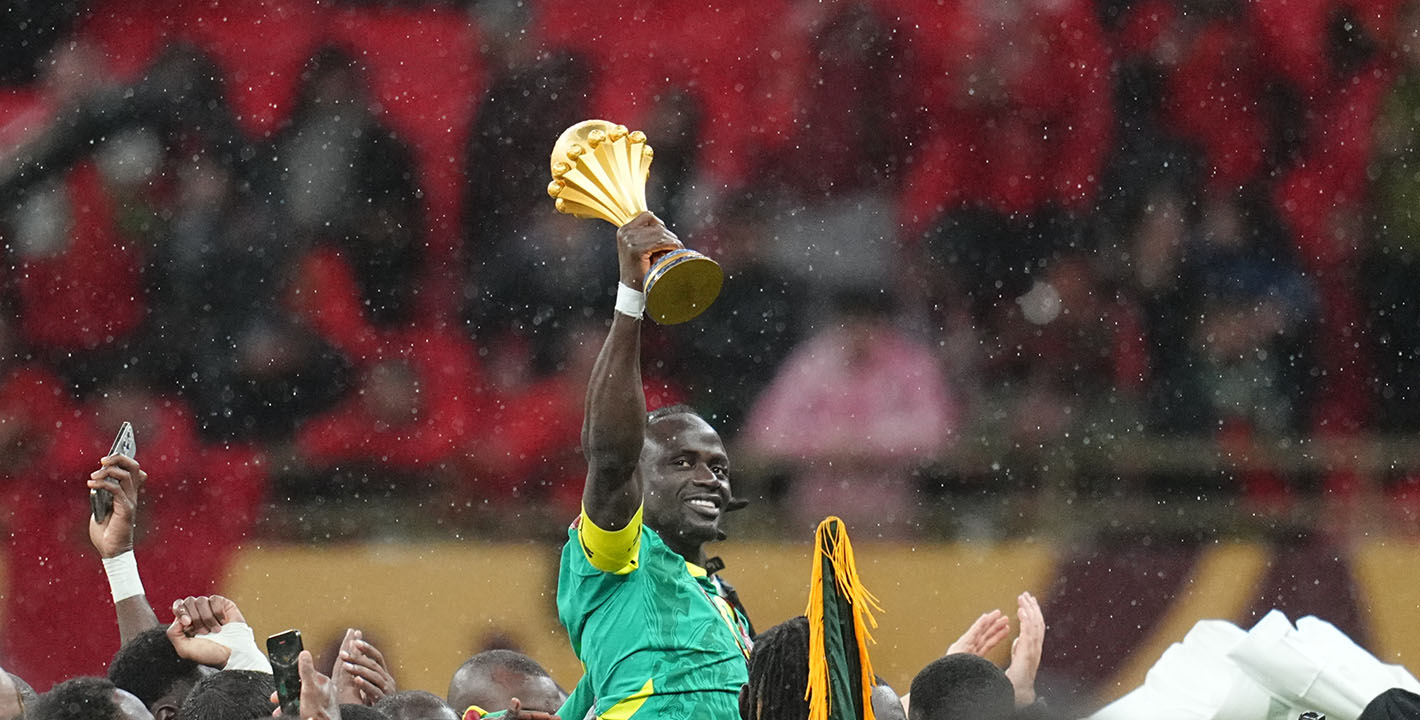
The recent African Cup of Nations tournament in Morocco touched on issues that largely transcended the sport.


Issam Kayssi, Yasmine Zarhloule
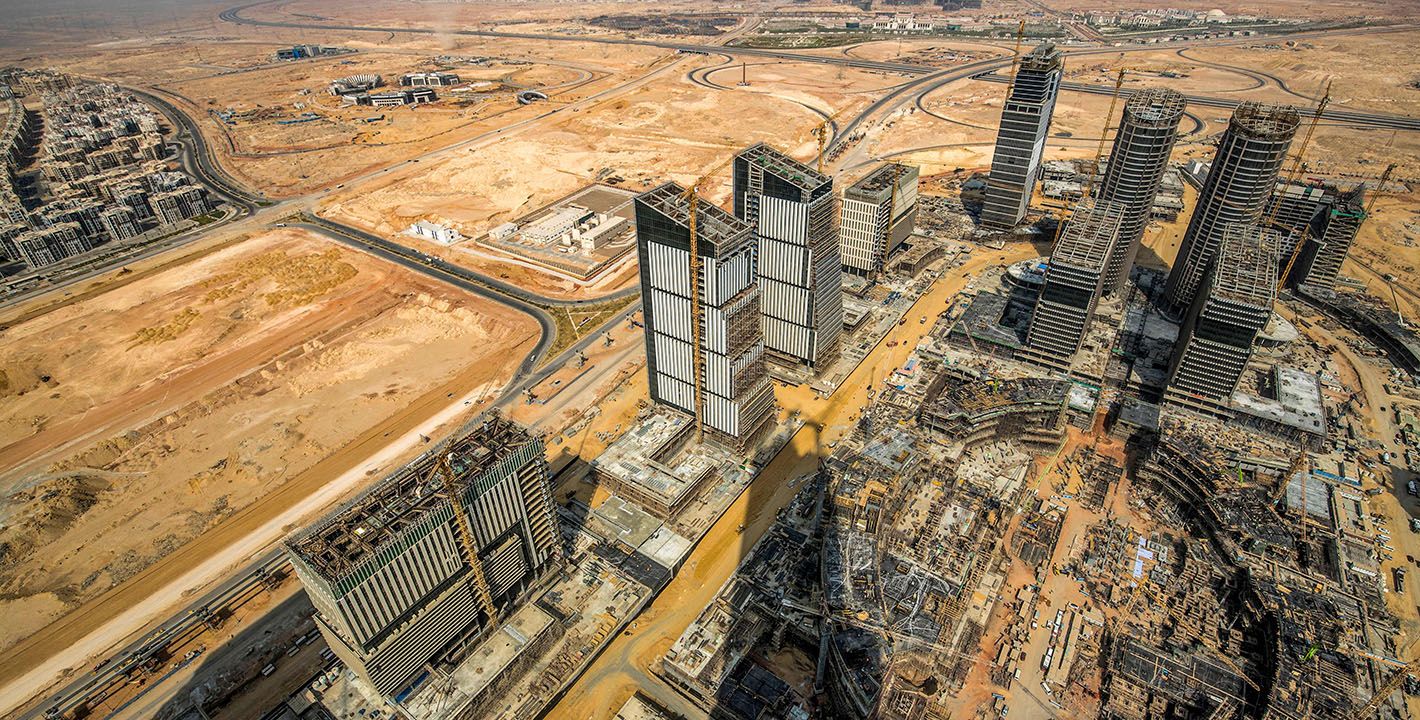
Mustaqbal Misr has expanded its portfolio with remarkable speed, but a lack of transparency remains.

Yezid Sayigh
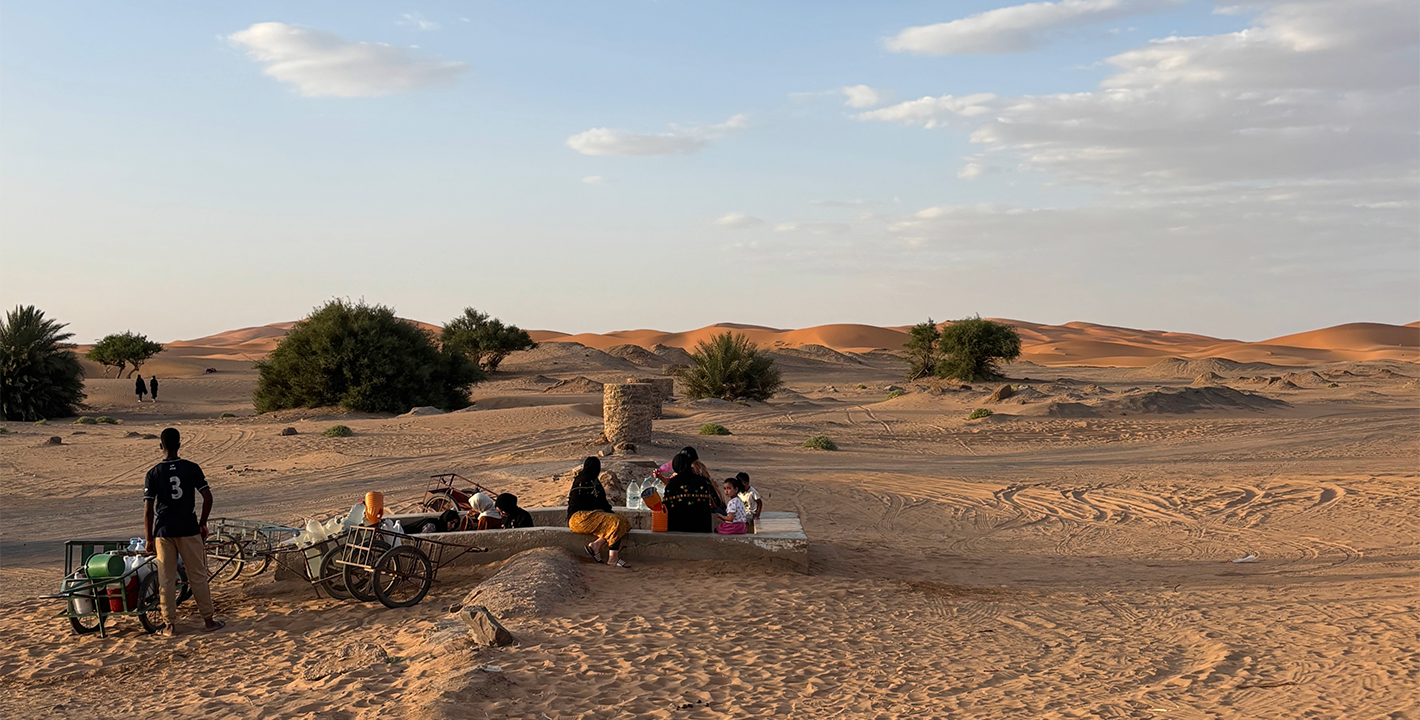
The burden of environmental degradation is felt not only through physical labor but also emotional and social loss.
Yasmine Zarhloule, Ella Williams
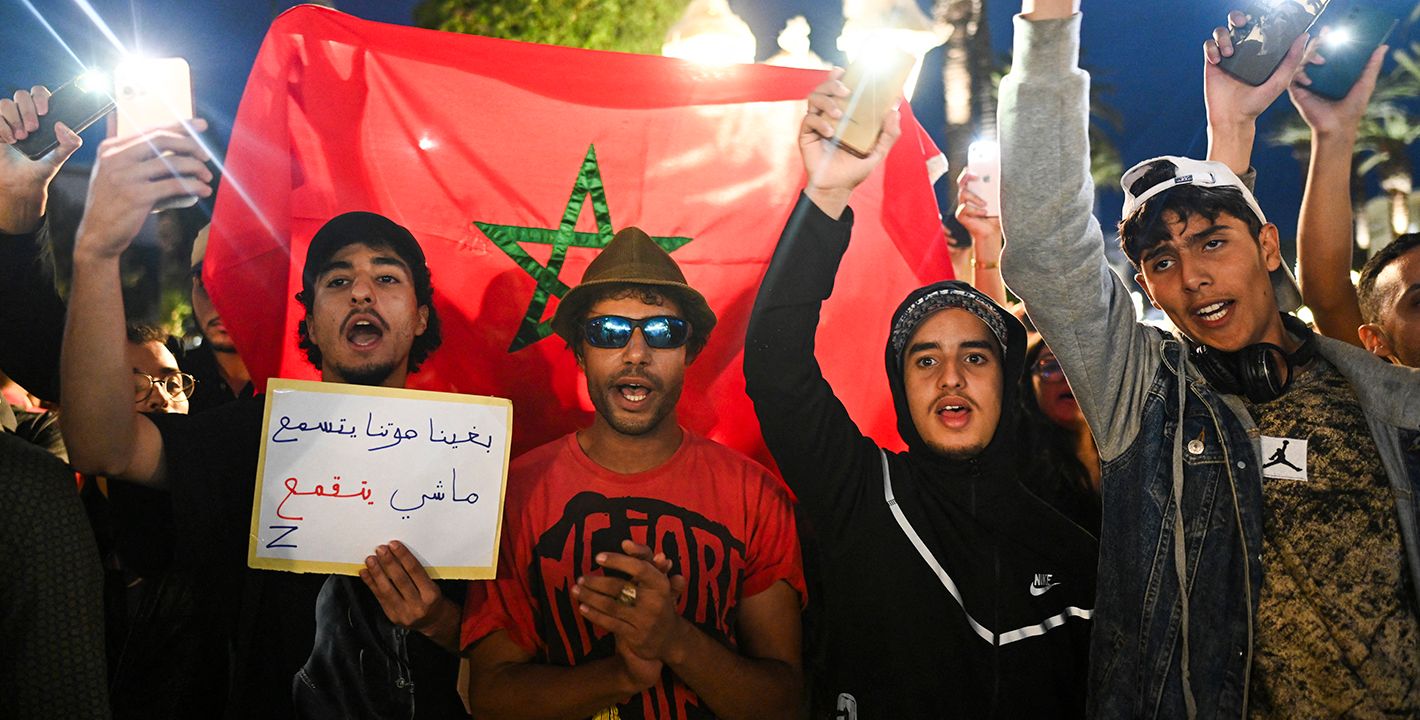
The country’s youthful protest movement is seeking economic improvement, social justice, and just a little hope.
Yasmine Zarhloule
In an interview, Yezid Sayigh looks at the different dimensions of the Trump plan.
Ghida Tayara, Yezid Sayigh