

Article
Hamza Meddeb, Mohamed Ali Adraoui
{
  "authors": [
    "Hamza Meddeb"
  ],
  "type": "commentary",
  "blog": "Diwan",
  "centerAffiliationAll": "dc",
  "centers": [
    "Carnegie Endowment for International Peace",
    "Malcolm H. Kerr Carnegie Middle East Center"
  ],
  "collections": [],
  "englishNewsletterAll": "menaTransitions",
  "nonEnglishNewsletterAll": "",
  "primaryCenter": "Malcolm H. Kerr Carnegie Middle East Center",
  "programAffiliation": "MEP",
  "programs": [
    "Middle East"
  ],
  "projects": [],
  "regions": [
    "Maghreb",
    "North Africa",
    "Tunisia"
  ],
  "topics": [
    "Political Reform"
  ]
}
Source: Getty
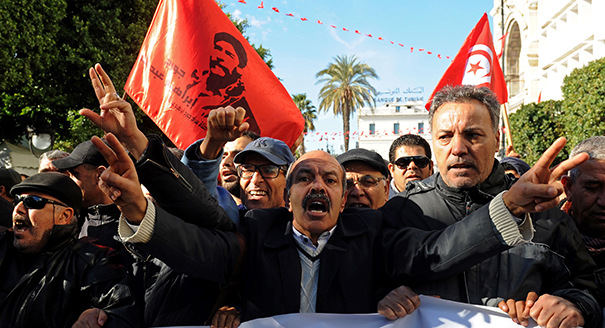
Tunisia’s UGTT has long been powerful, but its influence can endure only for as long as it remains united.
In recent months, there has been an intense struggle in Tunisia between the Tunisian General Labor Union (UGTT), the country’s principal labor union, and the government. Faced with the declining value of the national currency, the dinar, and the rising cost of living, the UGTT had been pushing for higher salaries and an end to the government’s austerity measures.
Negotiations between the two sides have broken down on a number of occasions, leading to two general strikes that paralyzed the economy. In parallel to the UGTT’s campaign have been protests by the teachers’ union affiliated with the UGTT. The escalation between the teachers and the Ministry of Education reached a tipping point when union members occupied the ministry building.
Across the country, social tension has been building. A two-day strike scheduled for February 20–21 was only averted after a compromise agreement allowed for an increase in wages throughout the public sector, with a separate agreement brokered to satisfy the teachers’ demands. The standoff over labor conditions is not something new. However, from having been regarded as the savior of the country’s democracy during the national dialogue of 2013–2014, the UGTT today finds itself portrayed as an active threat to Tunisia’s democratic transition. Something has changed, and it is worth trying to make sense of this shift.
The UGTT has never pursued its own agenda in way that was oblivious to the wider social or economic context. Nor has it identified itself as the exclusive defender of Tunisian democracy. Rather, it has alternated between confrontation and compromise, ultimately aiming to secure the leverage it needs to defend and promote the interests of its members. The UGTT tries to obtain economic and social concessions from the government by participating in the political system and using its political leverage to achieve compromises, without being subject to unilateral government dictates. This approach is motivated by the history of the UGTT and the economic and organizational constraints shaping its choices during the current democratic transition.
The union had been a major sociopolitical actor since Tunisia’s independence in 1956. It has served as an interlocutor of successive governments on social and economic issues. Despite being penetrated and occasionally coopted by the regimes of former presidents Habib Bourguiba (1957–1987) and Zine al-Abedin bin Ali (1987–2011), the UGTT retained a relatively high level of financial, political, and organizational autonomy.
The national dialogue that saved Tunisia’s democratic experiment from collapse offered the UGTT a central role in helping shape the country’s evolution. It did so by exerting pressure on post-2014 governments from within the system. The crucial role it played continued to serve the UGTT, allowing it to limit the capacity of governments to rule in an arbitrary fashion. Consequently, politicians were often eager to secure its support in order to remain in office. In return, the UGTT supported the national unity governments created within the framework of the Carthage Agreement. This pact, signed in 2016 by nine political parties, the UGTT, and the Tunisian Union of Industry, Commerce, and Artisans, the main employers’ representative, gave the UGTT effective veto power over the policies of post-2016 governments. It ensured that any discussion of austerity had to take place in an environment of negotiation and compromise.
A loan agreement in 2016 with the International Monetary Fund (IMF) that required a restructuring of the public sector put pressure on the UGTT. The public sector has historically been the most unionized, so by participating within the IMF-mandated reforms the UGTT had to accept measures that ran counter to the interests of part of its base. This included a freeze on public-sector hiring, cuts in fuel subsidies, and an increase in electricity and gas prices.
The UGTT’s support for successive post-2016 governments, and to a degree their reformist agendas, exacerbated tensions with UGTT-affiliated sectors and labor federations. This led them to stage protests independent of the UGTT. In doing so, they raised the heat on the union, pushing it to review its stance and reposition itself against the austerity measures. The UGTT’s position was clear: Preservation of Tunisia’s political transition could not come at the expense of the public-sector employees who form a majority of its base.
Adding to the economic constraints on the UGTT have been the limits placed upon its ability to operate freely. Tunisia’s political transition ended the UGTT’s monopoly over the country’s trade union movement through the creation of new labor unions that challenged the unity of the UGTT. Because of these competing unions, the UGTT has found it more difficult to preserve its status as primary interlocutor of the government. Moreover, competition for the UGTT leadership has intensified since the influx of some 200,000 additional members after the uprising of 2010–2011, with more radical elements vying with more moderate voices. This has generated competition among sectors, which risks fragmenting the UGTT.
So far, the strategy of confrontation and compromise has helped preserve concord within the UGTT. However, the union’s continued ability to defend the interests of its base will depend upon the UGTT’s strength and unity. Both factors would likely be under greater threat if the economic crisis in Tunisia deepens.
Fellow, Malcolm H. Kerr Carnegie Middle East Center
Hamza Meddeb is a research fellow at the Malcolm H. Kerr Carnegie Middle East Center in Beirut, where he co-leads the Political Economy Program
Recent Work

Hamza Meddeb, Mohamed Ali Adraoui
Carnegie does not take institutional positions on public policy issues; the views represented herein are those of the author(s) and do not necessarily reflect the views of Carnegie, its staff, or its trustees.
The recent African Cup of Nations tournament in Morocco touched on issues that largely transcended the sport.


Issam Kayssi, Yasmine Zarhloule
Mustaqbal Misr has expanded its portfolio with remarkable speed, but a lack of transparency remains.

Yezid Sayigh
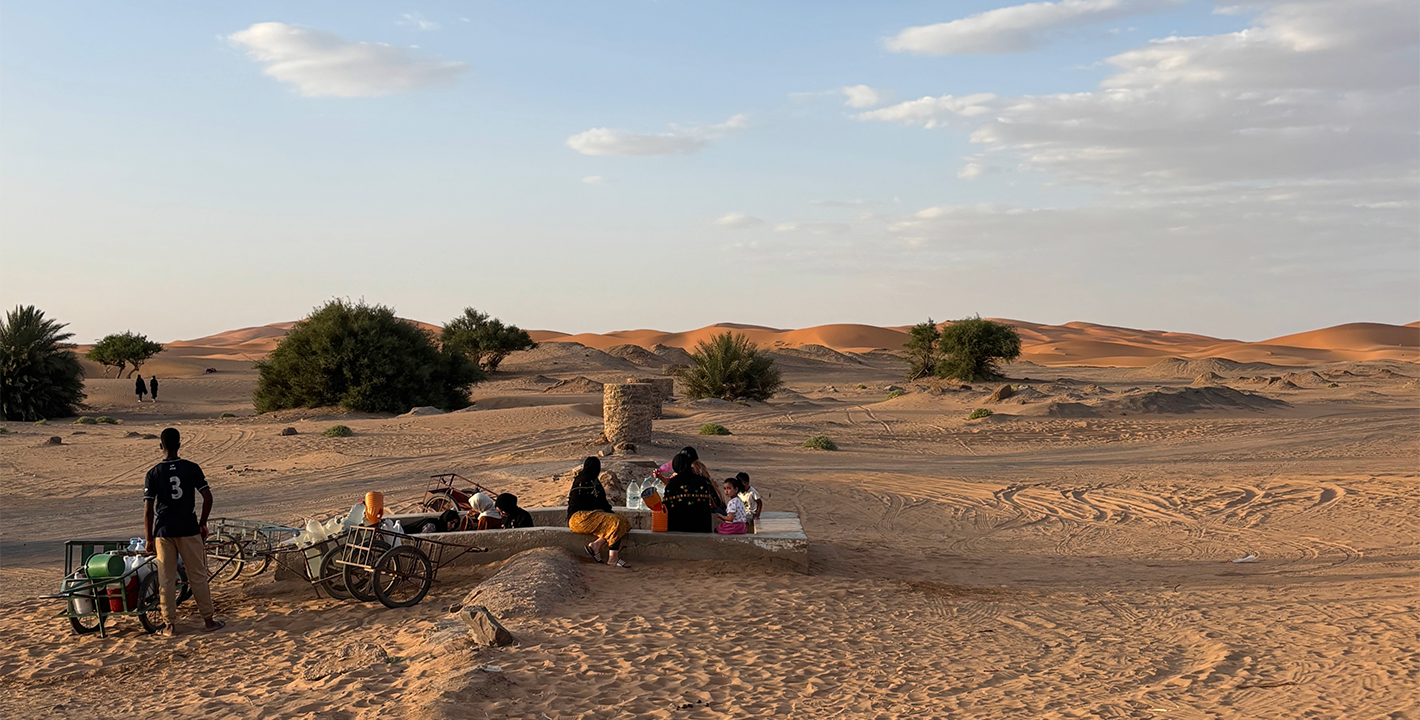
The burden of environmental degradation is felt not only through physical labor but also emotional and social loss.
Yasmine Zarhloule, Ella Williams
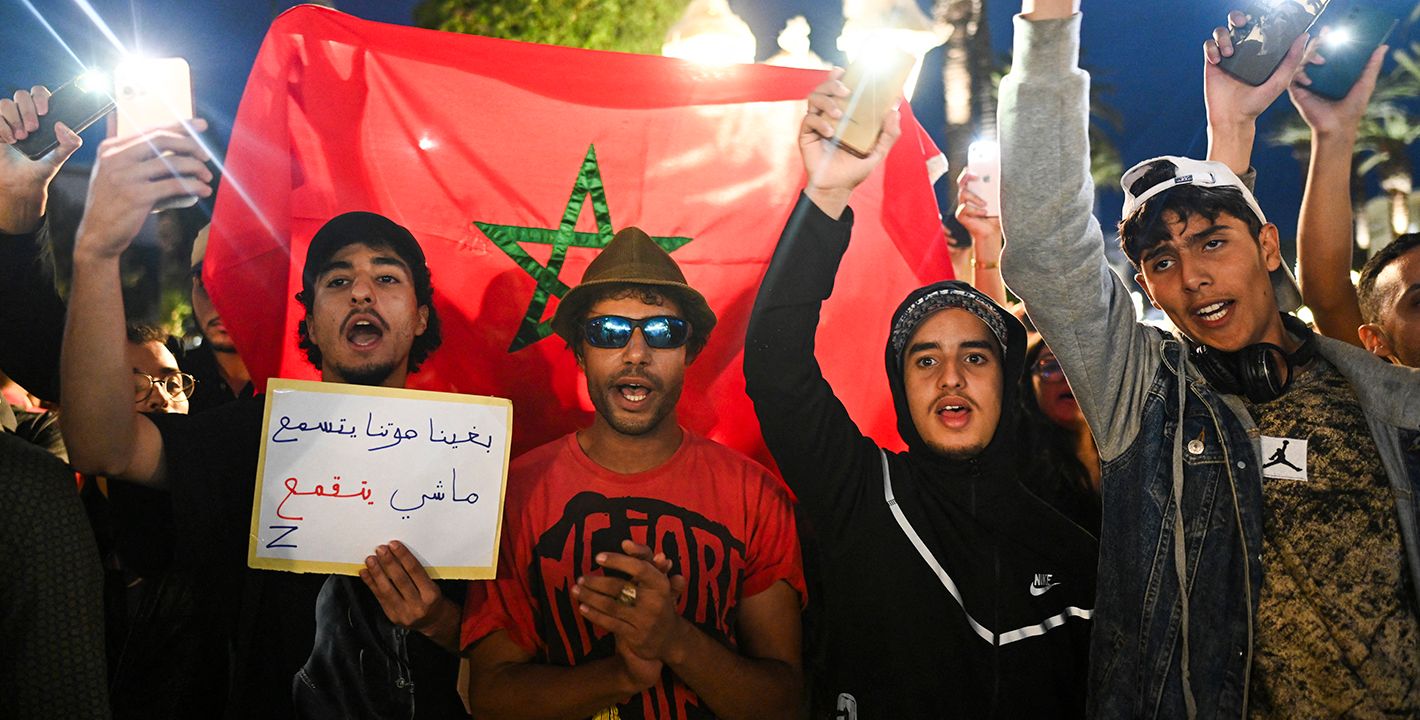
The country’s youthful protest movement is seeking economic improvement, social justice, and just a little hope.
Yasmine Zarhloule
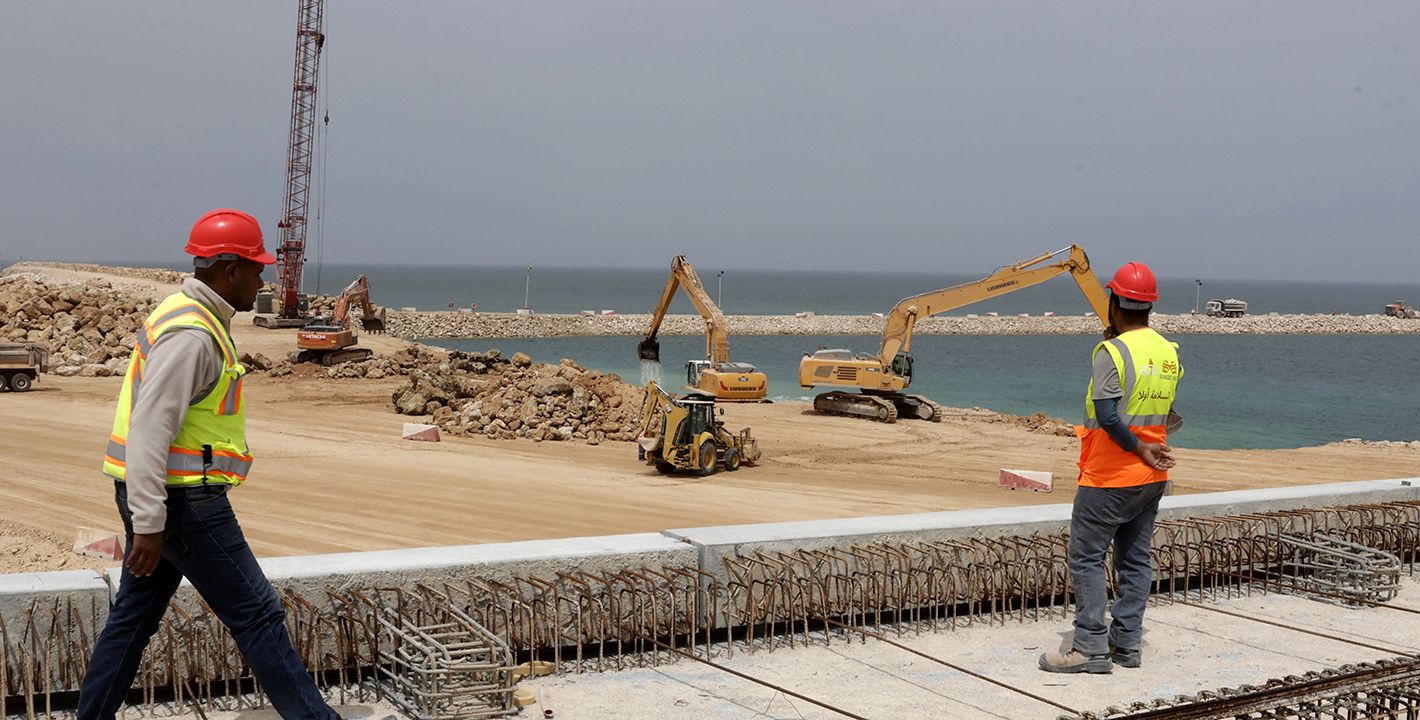
The Moroccan-Algerian rivalry is playing itself out in ties with Burkina Faso, Niger, and Mali.
Yasmine Zarhloule