

Research
- +6
Yasmine Farouk, Nathan J. Brown, Maysaa Shuja Al-Deen, …
{
  "authors": [
    "Michele Dunne"
  ],
  "type": "commentary",
  "blog": "Diwan",
  "centerAffiliationAll": "dc",
  "centers": [
    "Carnegie Endowment for International Peace",
    "Malcolm H. Kerr Carnegie Middle East Center"
  ],
  "collections": [],
  "englishNewsletterAll": "menaTransitions",
  "nonEnglishNewsletterAll": "",
  "primaryCenter": "Malcolm H. Kerr Carnegie Middle East Center",
  "programAffiliation": "MEP",
  "programs": [
    "Middle East"
  ],
  "projects": [],
  "regions": [
    "North Africa",
    "Egypt"
  ],
  "topics": [
    "Political Reform"
  ]
}
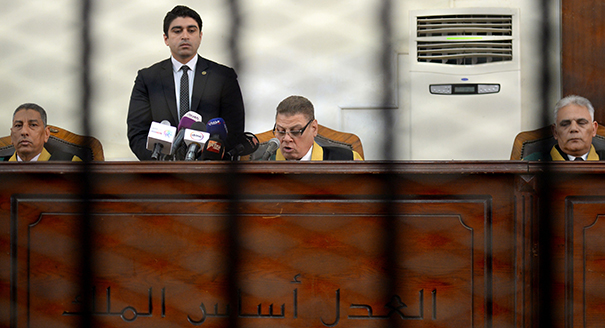
Source: Getty
The Sisi regime has cracked down on legal political activity, while the United States has remained largely silent about this.
When the Egyptian authorities arrested yet another group of well-known public figures in late June, the detainees were accused of involvement in a Muslim Brotherhood plot to bring down the government. Meanwhile, the Trump administration in the United States continues to give serious consideration to designating the Muslim Brotherhood a terrorist organization in response to a plea by President Abdel-Fattah al-Sisi during an April visit to Washington.
At first glance, this step appears to make sense: the United States is helping an ally to combat a dangerous enemy. Except that is not at all what is happening. Rather, what Sisi seeks is U.S. complicity in stamping out all forms of political activity—including those permitted under current Egyptian law—by secular as well as Islamist citizens. The men arrested in late June were part of the “Coalition of Hope,” a soon-to-be-announced political alliance of current and former parliamentarians, party leaders, journalists, businesspeople, labor leaders, and youth leaders who were seeking to run in the 2020 parliamentary elections.
The detainees include well-known figures such as Ziad Al-‘Alaimi (a former parliamentarian from the Social Democratic party), Hossam Moanis (a journalist and campaign manager in 2014 for the Nasserite presidential candidate Hamdeen Sabahi), Hisham Fouad (a journalist and labor activist from the Revolutionary Socialist movement), and ‘Omar al-Shenety (an economist and investment firm founder).
There is no indication that those arrested broke the law. Even after the military coup of July 2013, Egyptians are legally permitted to form political parties or alliances and run for office—whether for parliament or indeed the presidency. However, Sisi’s regime has become adept at conflating politics and ”terrorism,” and has done so once again in this case. Government prosecutors have tossed the secular Coalition of Hope politicians into the same legal case with well-known Muslim Brotherhood members or allies, some inside Egypt and some in exile, in order to incriminate all as supporters of terrorism (as explained by leftist lawyer and former presidential candidate Khaled Ali in a recent Facebook post).
It is not clear how many Egyptians still believe such nonsense. However, the Interior Ministry continues to work at it. For example, it has produced a video showing raids by the security forces of the recent detainees’ offices, accusing them of “entering into a conspiracy alongside exiled Brotherhood leaders aimed at toppling the state and its institutions.”
Whatever Egyptian citizens believe or do not believe, the question for the United States remains to what degree should the U.S. government support and encourage such blatant repression? Not only does the Trump administration do much less than its predecessors in speaking up for those unjustly detained in Egypt, it is actively considering buying into Sisi’s false narrative that the Muslim Brotherhood is a terrorist group. And make no mistake, Sisi would use U.S. designation of the Brotherhood to show that he has Washington’s full support in committing grave injustices against Brotherhood members as well as anyone else he claims to be connected to the Brotherhood—no matter how spurious that claim might be.
‘Alaimi and his associates, who merely wanted to form a secular opposition alliance to run for parliament, are just the most recent among many victims of Sisi’s campaign to snuff out politics. The U.S. administration should protest their arrest as well as decline to be complicit in Sisi’s strategy of widespread repression, which is doomed to bring misery and ultimately instability to Egypt.

Former Nonresident Scholar, Middle East Program
Michele Dunne was a nonresident scholar in Carnegie’s Middle East Program, where her research focuses on political and economic change in Arab countries, particularly Egypt, as well as U.S. policy in the Middle East.
Recent Work


Yasmine Farouk, Nathan J. Brown, Maysaa Shuja Al-Deen, …
Robert Springborg, Emile Hokayem, Becca Wasser, …
Carnegie does not take institutional positions on public policy issues; the views represented herein are those of the author(s) and do not necessarily reflect the views of Carnegie, its staff, or its trustees.
This will be the region’s most representative tournament, amid broad changes in its footballing landscape.

Issam Kayssi
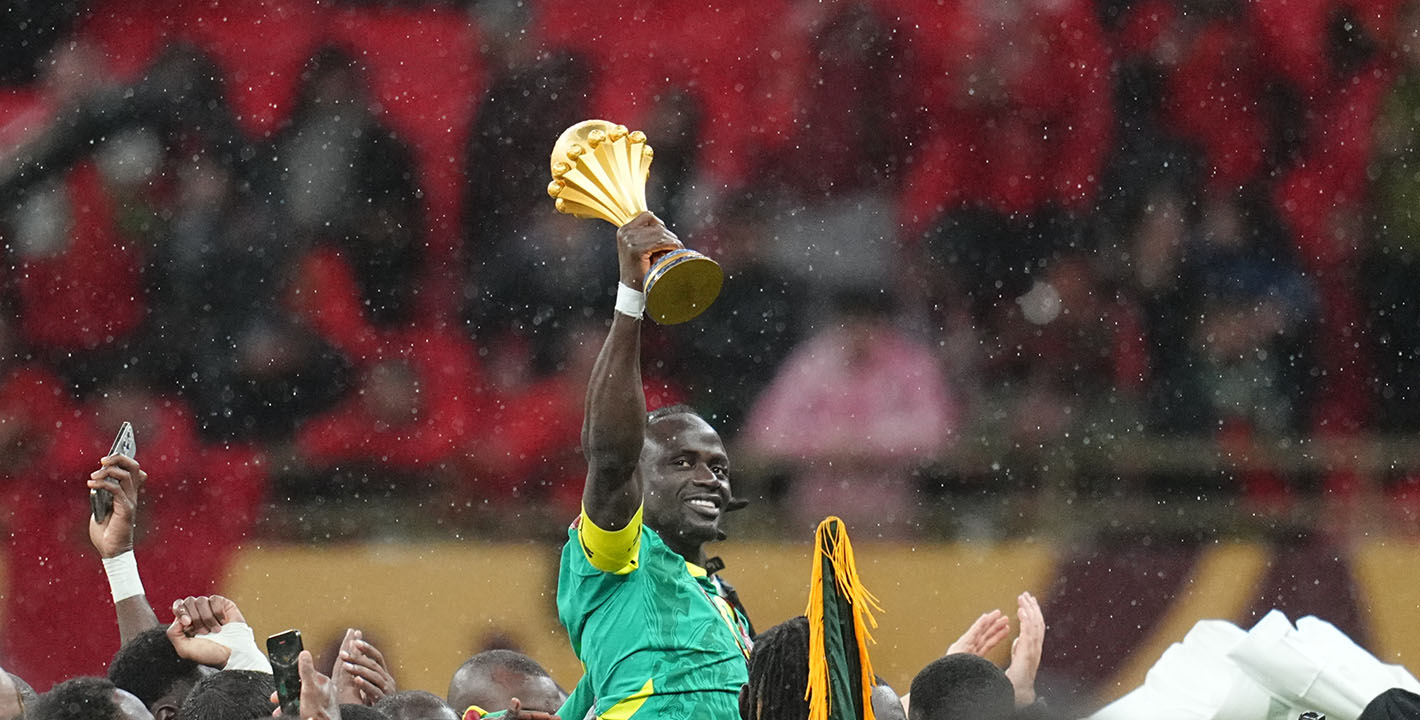
The recent African Cup of Nations tournament in Morocco touched on issues that largely transcended the sport.

Issam Kayssi, Yasmine Zarhloule
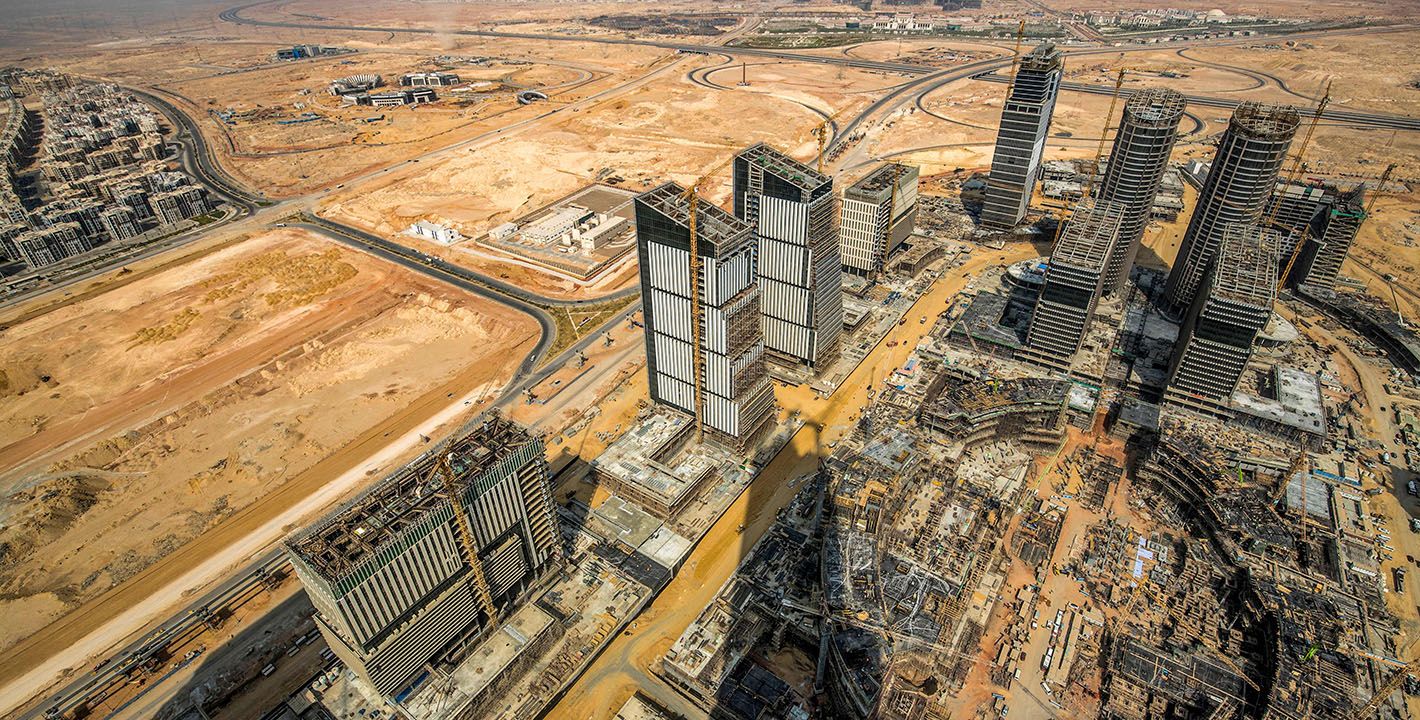
Mustaqbal Misr has expanded its portfolio with remarkable speed, but a lack of transparency remains.

Yezid Sayigh
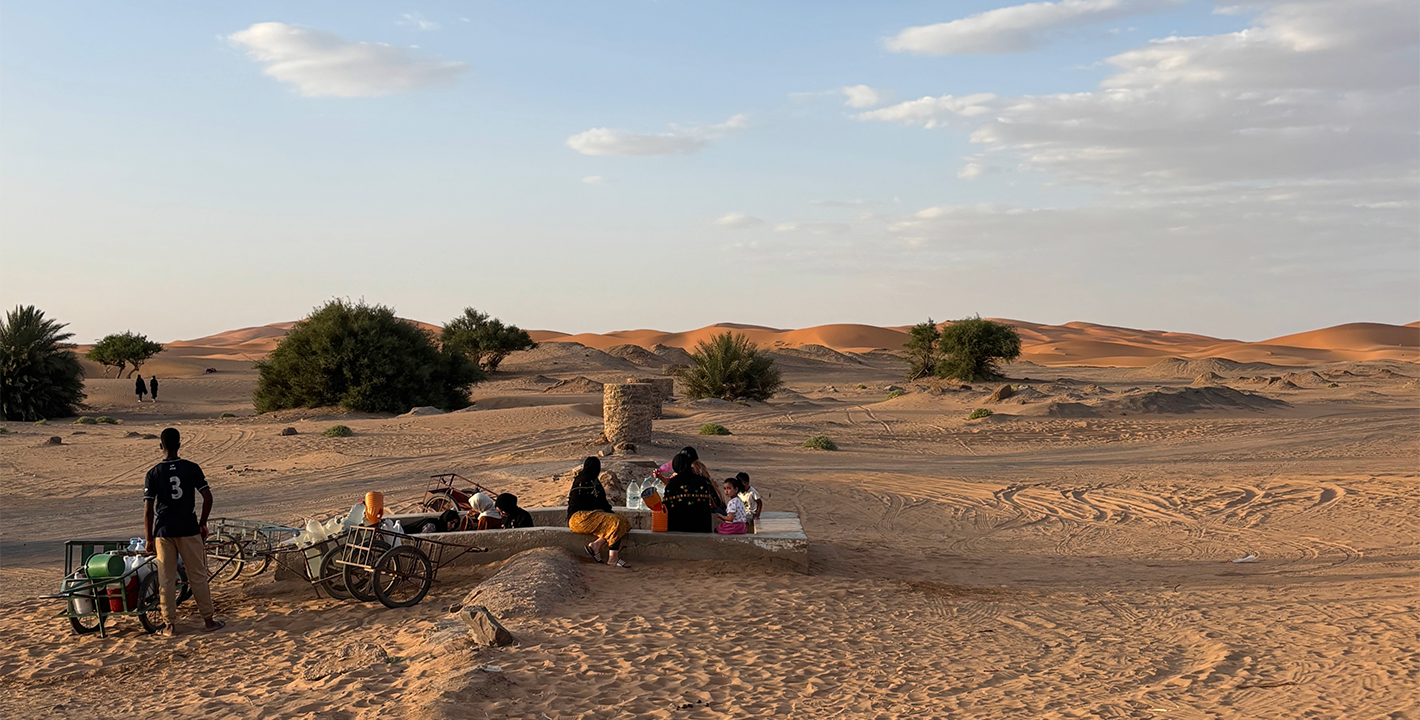
The burden of environmental degradation is felt not only through physical labor but also emotional and social loss.
Yasmine Zarhloule, Ella Williams
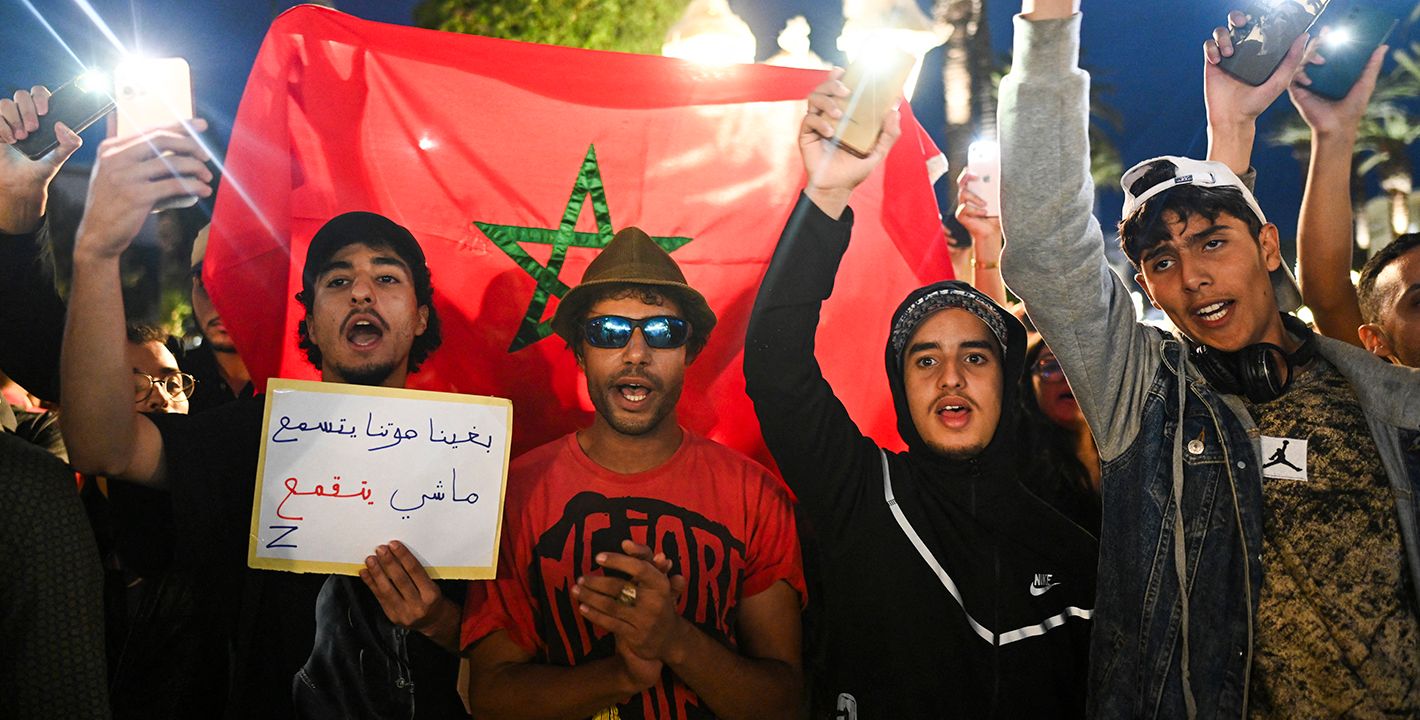
The country’s youthful protest movement is seeking economic improvement, social justice, and just a little hope.
Yasmine Zarhloule