

Article
Hamza Meddeb, Mohamed Ali Adraoui
{
  "authors": [
    "Hamza Meddeb"
  ],
  "type": "commentary",
  "blog": "Diwan",
  "centerAffiliationAll": "dc",
  "centers": [
    "Carnegie Endowment for International Peace",
    "Malcolm H. Kerr Carnegie Middle East Center"
  ],
  "collections": [
    "Reaction Shot"
  ],
  "englishNewsletterAll": "menaTransitions",
  "nonEnglishNewsletterAll": "",
  "primaryCenter": "Malcolm H. Kerr Carnegie Middle East Center",
  "programAffiliation": "MEP",
  "programs": [
    "Middle East"
  ],
  "projects": [],
  "regions": [
    "Maghreb",
    "North Africa",
    "Tunisia"
  ],
  "topics": [
    "Political Reform"
  ]
}
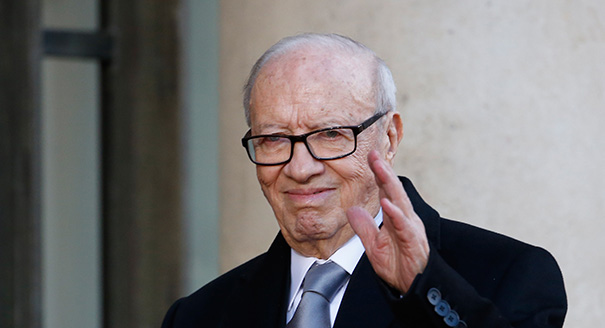
Source: Getty
Spot analysis from Carnegie scholars on events relating to the Middle East and North Africa
What Happened?
Beji Caïd Essebsi, Tunisia’s first president elected in fair and free elections, has passed away in the Tunis military hospital at the age of 92. He had played an important role during the democratic transition after the removal from power of president Zine al-Abedin bin Ali in January 2011.
Essebsi was elected in 2014. He had served in both the Bourguiba and Bin Ali regimes. In 2011 he was interim prime minister in charge of organizing the elections to the National Constituent Assembly. He then handed over power to an elected government led by the Islamist Ennahda movement.
In 2012, Essebsi created Nida’ Tounes to unify the secularist camp against the increasingly unpopular Ennahda. Nida’ Tounes took part in the Tunisian national dialogue and won a majority of seats in the 2014 parliamentary elections.
Why Does It Matter?
Though he was perceived as a representative of the old regime, Essebsi played a crucial role during the national dialogue of 2013–2014. He reached a compromise with the Islamists and recognized their role as a legitimate political actor. He helped preserve the Tunisian democratic experiment by forming a coalition with Ennahda after the 2014 elections, despite resistance to such a decision from within the secularist camp.
The death of Essebsi is important not only because of what he did for democracy, but also with regard to the ambiguous situation through which Tunisia is currently passing. Indeed, a few days before his death Essebsi refused to approve amendments to the electoral law passed by parliament that would have set conditions for participating in parliamentary elections. A leader of one of the parties that would have been excluded by these amendments was a political ally of the president. In the absence of a constitutional court, this created a political crisis.
What Are the Implications for the Future?
According to the Tunisian constitution, Essebsi will be replaced by Mohammed Nasser, the speaker of parliament, who will be in charge of organizing an early presidential election within 90 days, instead of the election that had been scheduled for November. This means that Tunisia may vote in both the early presidential election and in parliamentary elections this coming October.
Essebsi’s death also means the absence of a prominent leader and the risk of greater divisions and fragmentation within the secularist camp—with all the consequences for how this might affect Tunisia’s consensus-based democracy.
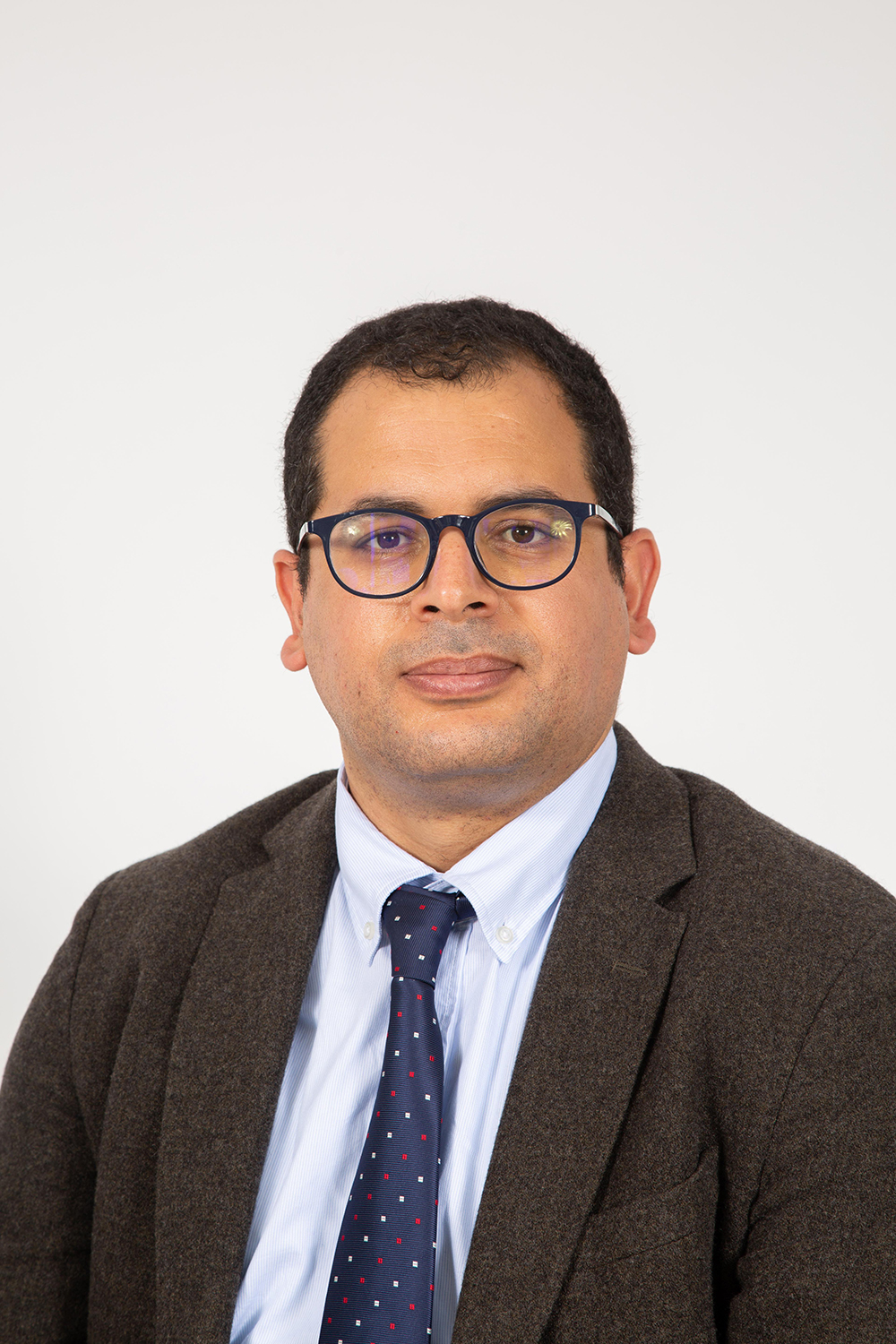
Fellow, Malcolm H. Kerr Carnegie Middle East Center
Hamza Meddeb is a research fellow at the Malcolm H. Kerr Carnegie Middle East Center in Beirut, where he co-leads the Political Economy Program
Recent Work
Hamza Meddeb, Mohamed Ali Adraoui
Carnegie does not take institutional positions on public policy issues; the views represented herein are those of the author(s) and do not necessarily reflect the views of Carnegie, its staff, or its trustees.
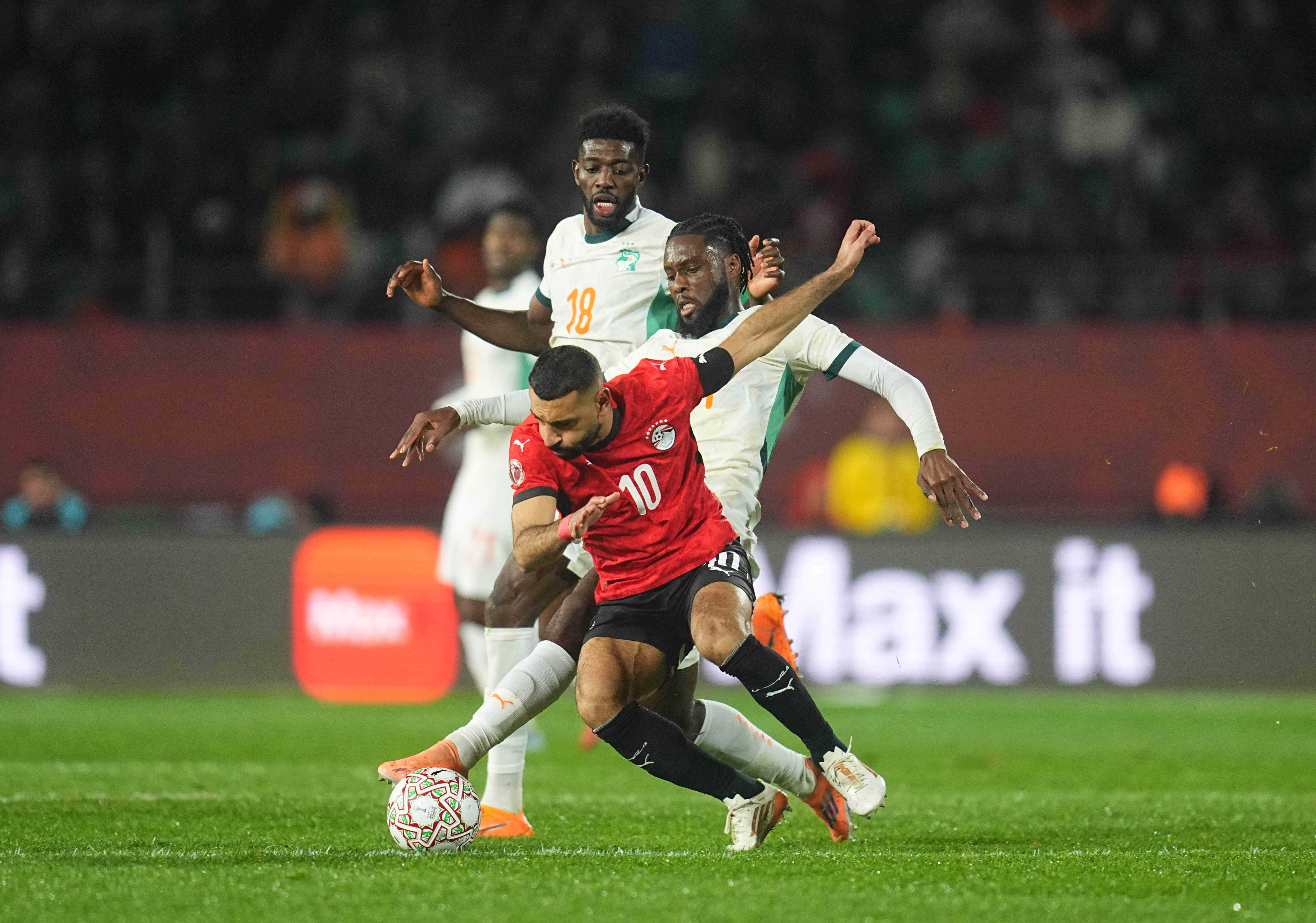
This will be the region’s most representative tournament, amid broad changes in its footballing landscape.
Issam Kayssi
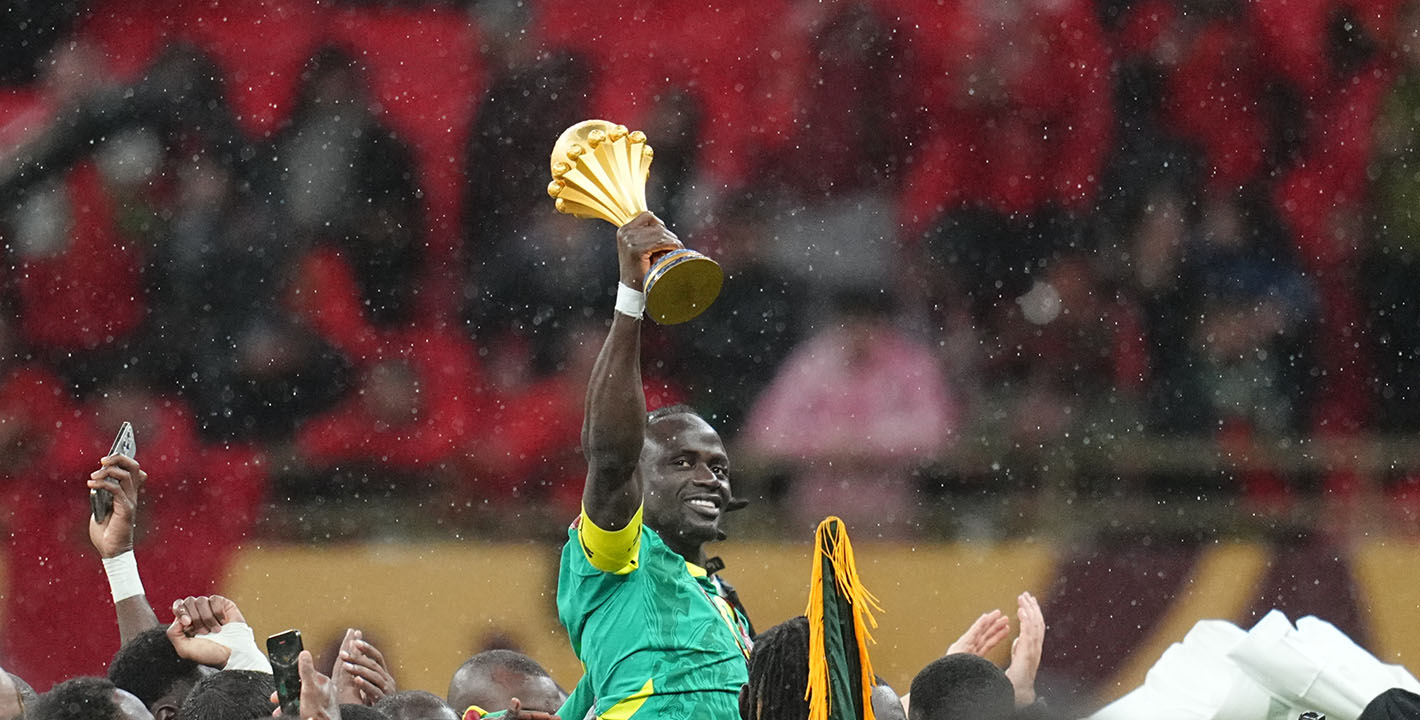
The recent African Cup of Nations tournament in Morocco touched on issues that largely transcended the sport.

Issam Kayssi, Yasmine Zarhloule
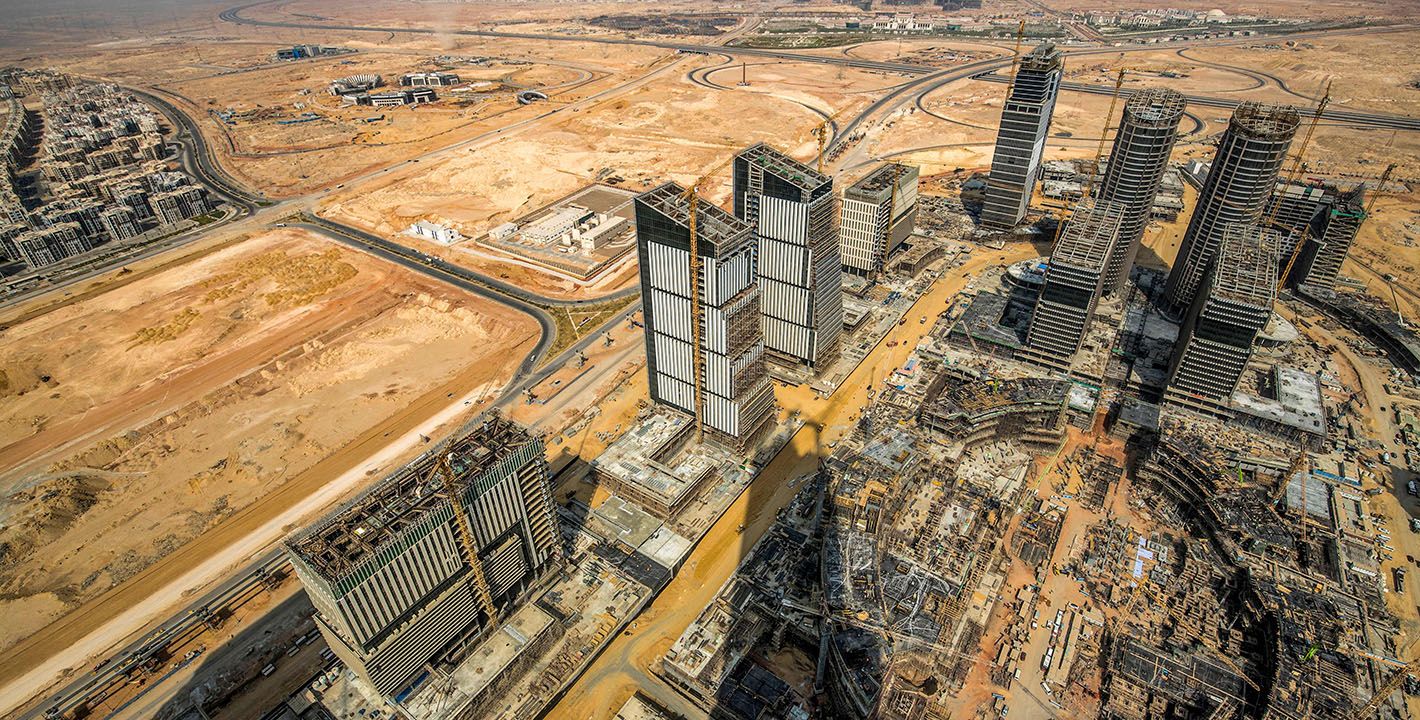
Mustaqbal Misr has expanded its portfolio with remarkable speed, but a lack of transparency remains.

Yezid Sayigh
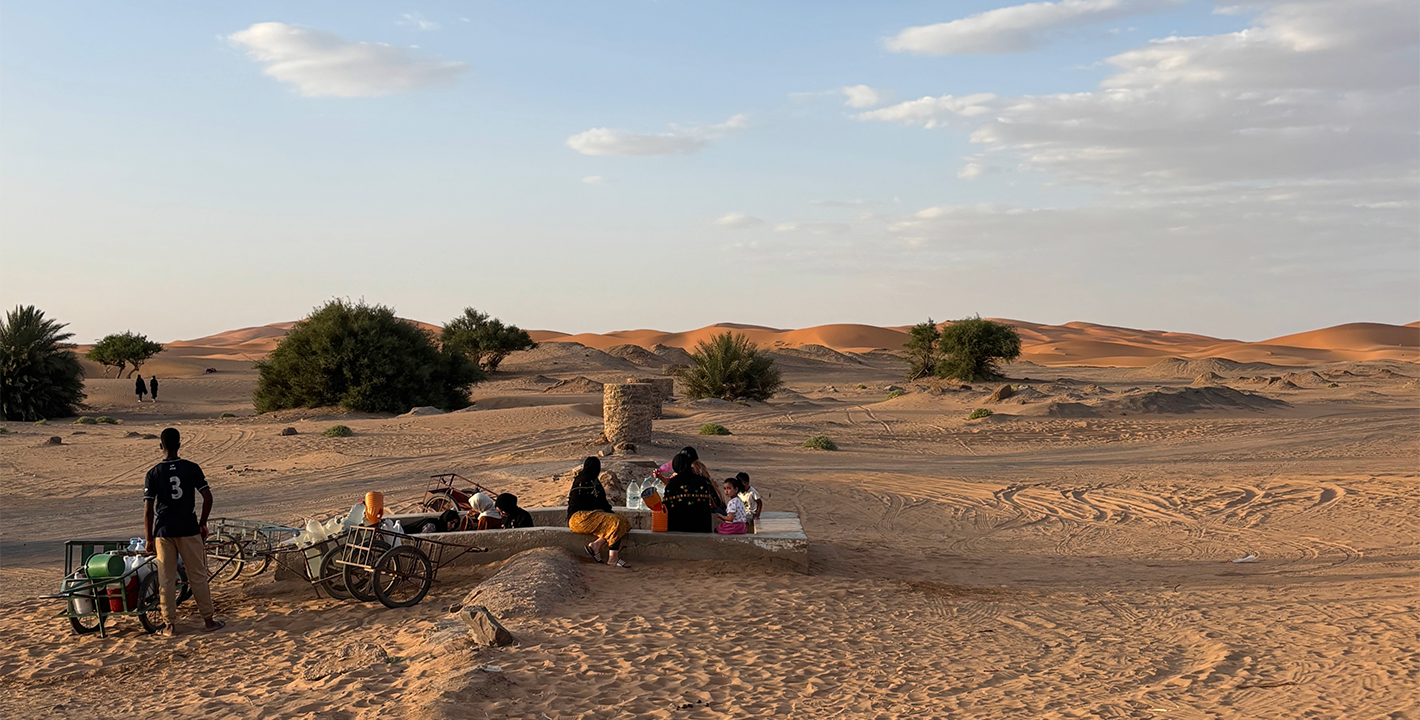
The burden of environmental degradation is felt not only through physical labor but also emotional and social loss.
Yasmine Zarhloule, Ella Williams
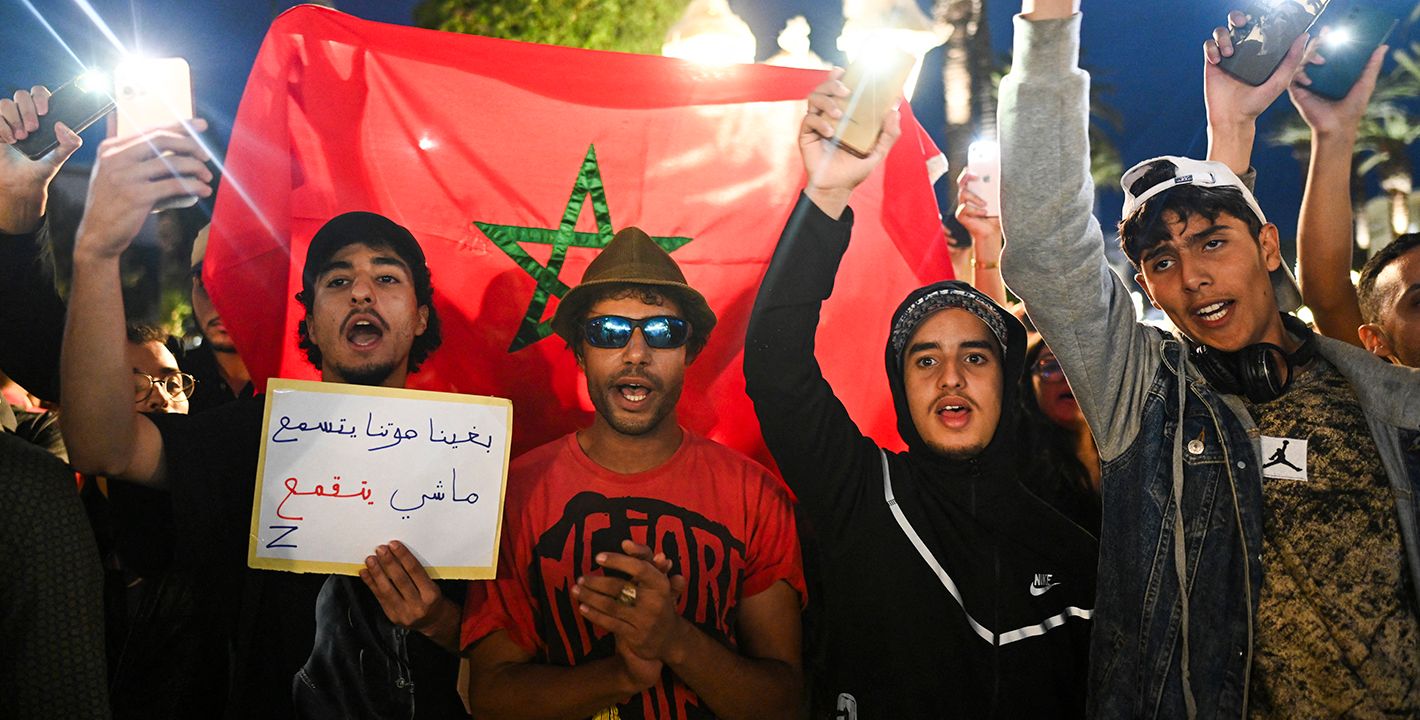
The country’s youthful protest movement is seeking economic improvement, social justice, and just a little hope.
Yasmine Zarhloule