

Commentary
Michael Young
{
  "authors": [
    "Michael Young"
  ],
  "type": "commentary",
  "blog": "Diwan",
  "centerAffiliationAll": "dc",
  "centers": [
    "Carnegie Endowment for International Peace",
    "Malcolm H. Kerr Carnegie Middle East Center"
  ],
  "collections": [
    "Inquiring Minds",
    "Arab Spring 2.0",
    "Coronavirus"
  ],
  "englishNewsletterAll": "menaTransitions",
  "nonEnglishNewsletterAll": "",
  "primaryCenter": "Malcolm H. Kerr Carnegie Middle East Center",
  "programAffiliation": "MEP",
  "programs": [
    "Middle East"
  ],
  "projects": [],
  "regions": [
    "Levant",
    "Iraq",
    "Middle East"
  ],
  "topics": [
    "Political Reform"
  ]
}
Source: Getty
A regular survey of experts on matters relating to Middle Eastern and North African politics and security.
Oula Kadhum | Post-doctoral fellow at the University of Birmingham, teaching fellow at the School of Oriental and African Studies, University of London, where she specializes in diaspora and Middle Eastern politics
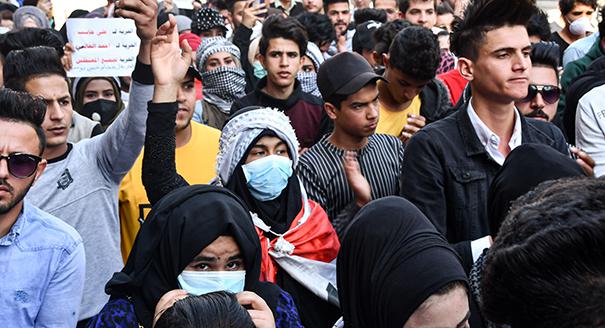
The Iraq protests are not a flash in the pan. Rather, they represent a historical turning point for a new generation that has tired of government ineptitude, politicized sectarianism, corruption, and an unequal society. As long as these symptoms persist in Iraqi society, so will the protests. The movement has been impacted by the Covid-19 pandemic however, though its spirit continues in smaller sit-ins in Tahrir Square in Baghdad and smaller gatherings in Nasiriyya and Basra. Those still holding the fort are helping to sanitize public spaces and distribute provisions to those in need. The message from these camps remains resolute: Once the threat from the coronavirus is contained the revolution will be back bigger and stronger.
Yet two threats represent the greatest impediments to the movement’s survival. First, repression by the state and militias continues, including the targeting of activists and assassinations. Only recently a female activist was killed in Nasiriyya. Second, the unknown longevity of the coronavirus will test the ability of the movement to maintain its momentum. For now at least the protests have certainly been stalled, but they most certainly have not been silenced.
Fazel Hawramy | Journalist at Rudaw English, based in Erbil
The impact of the novel coronavirus pandemic on Iraq’s economy has compounded the woes of young people, who have been socially marginalized since 2003. While new prime minister-designate Mustapha al-Kadhimi appears to be more favored by the mostly young protesters than his ill-fated predecessors, he will find state coffers depleted by the economic blow dealt by the pandemic and an unprecedented drop in oil revenues. This makes any meaningful efforts to ease the grievances of Iraq’s youth nearly impossible.
Young Iraqis have had no role in the country’s power structures since 2003. Instead, they have had to watch regional and international powers wield enormous influence over a domestic elite more interested in protecting its power than in serving the average Iraqis.
Kadhimi will also find it difficult to shake off the legacy of brutality by the security forces and militia insubordination displayed during the youth-driven protests. The protests may have been subdued for now, but the economic repercussions of the pandemic have only aggravated the situation for young people and wider society, including in the Kurdish north. Therefore, we’ll see protestors taking to the streets again in larger numbers in the coming months.
Haley Bobseine | Independent researcher and analyst of the Middle East
While small groups of protesters remain in Baghdad’s Tahrir Square, in compliance with the government’s coronavirus lockdown measures, most protest gatherings have come to a halt. But prior to the coronavirus outbreak, protest numbers had already started to dwindle. A violent crackdown by various security forces had left hundreds dead and tens of thousands wounded, arrested, or kidnapped. Some remain missing. Media campaigns to distort the image of protesters by alleging engagement in lewd or immoral acts sought to undermine the movement’s credibility and obfuscate the government’s responsibility to hold to account the perpetrators of attacks against the protestors. Protesters were tired and some just needed to return to work, wherever they could find a job.
Shi‘a cleric Muqtada al-Sadr’s withdrawal of support resulted in a sizable exodus of Sadrists who had been involved in the protests for months. Subsequent violent confrontations with Sadr’s “blue caps” sowed further distrust and feelings of betrayal, further dividing the movement. Protesters say they are taking this time out to assess the movement’s achievements and failures and to debate potential paths moving forward. Facebook protest groups promise a return is near.
Ultimately, underlying economic factors that drove people into the streets remain unaddressed and are about to get worse. Reeling from shuttered businesses due to the coronavirus shutdown, already impoverished communities are being pushed to the brink. Placating citizens’ anger during Iraq’s worst fiscal crisis in years, as prime minister-designate Mustapha al-Kadhimi attempts to bring political elites into a new government, will likely prove to be a tall order.
Harith Hasan | Nonresident senior fellow at the Carnegie Middle East Center in Beirut
There are two reasons to think that the pandemic will not completely silence the protests in Iraq. First, Iraqi youths have discovered that demonstrations are an important tool to communicate their demands and gain a sense of empowerment derived from being part of a collective action. Even today, some groups remain in Tahrir Square waiting for the moment to revitalize their movement.
Second, the pandemic and its consequences will only worsen the socioeconomic conditions in the country, as the drastic reduction in oil prices will force the government to adopt austerity measures, augmenting unemployment and poverty. The resulting frustration would likely result in a new wave of protests, especially if the coming summer includes long power outages.
However, as the prime minister-designate, Mustapha al-Kadhimi, is trying to form a new government, the current pause could be an opportunity for his government to reduce the trust gap with the street and show that it is committed to achieving some of the protesters’ demands, such as early, free elections.

Editor, Diwan, Senior Editor, Malcolm H. Kerr Carnegie Middle East Center
Michael Young is the editor of Diwan and a senior editor at the Malcolm H. Kerr Carnegie Middle East Center.
Recent Work
Michael Young
Michael Young
Carnegie does not take institutional positions on public policy issues; the views represented herein are those of the author(s) and do not necessarily reflect the views of Carnegie, its staff, or its trustees.
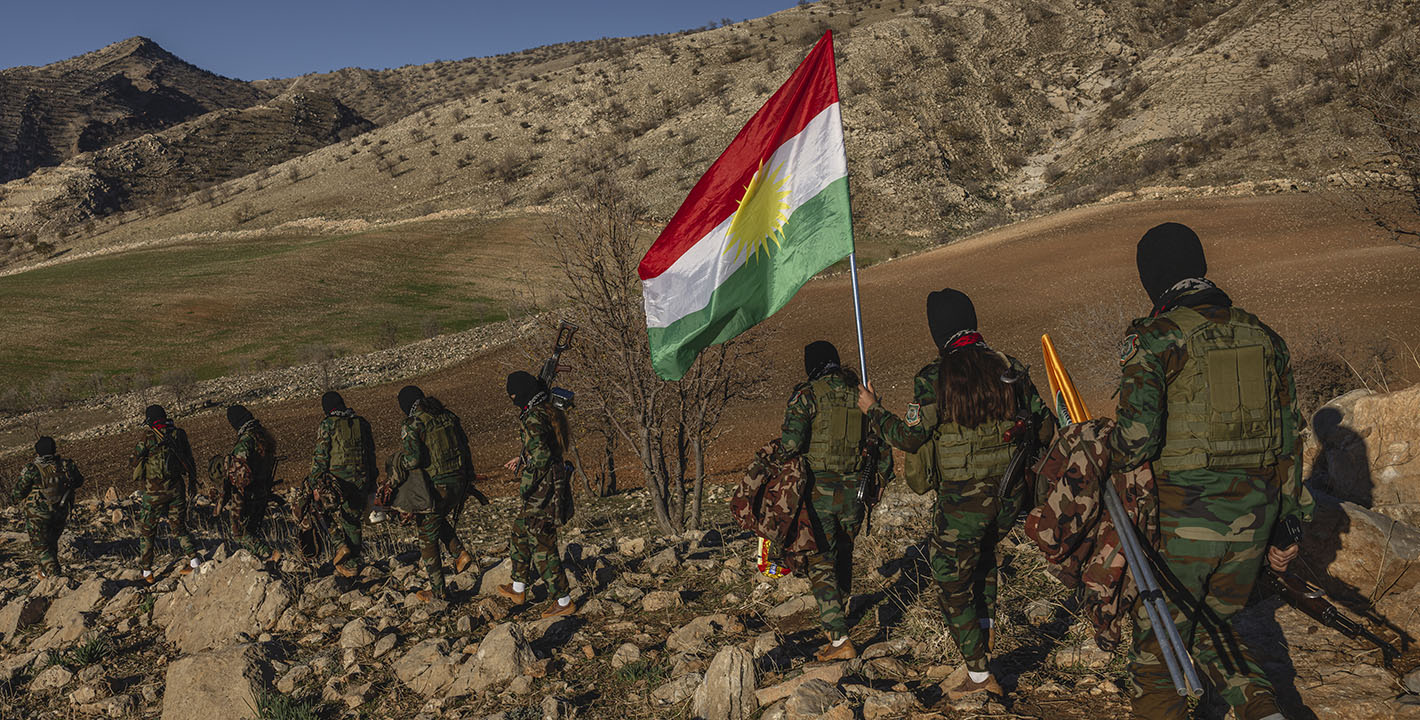
Following its deal with the United States, Iran may act against Iraq-based dissidents.
Wladimir van Wilgenburg
There is a disturbing structural parallel between the old global energy economy and the new green transition.

Angie Omar
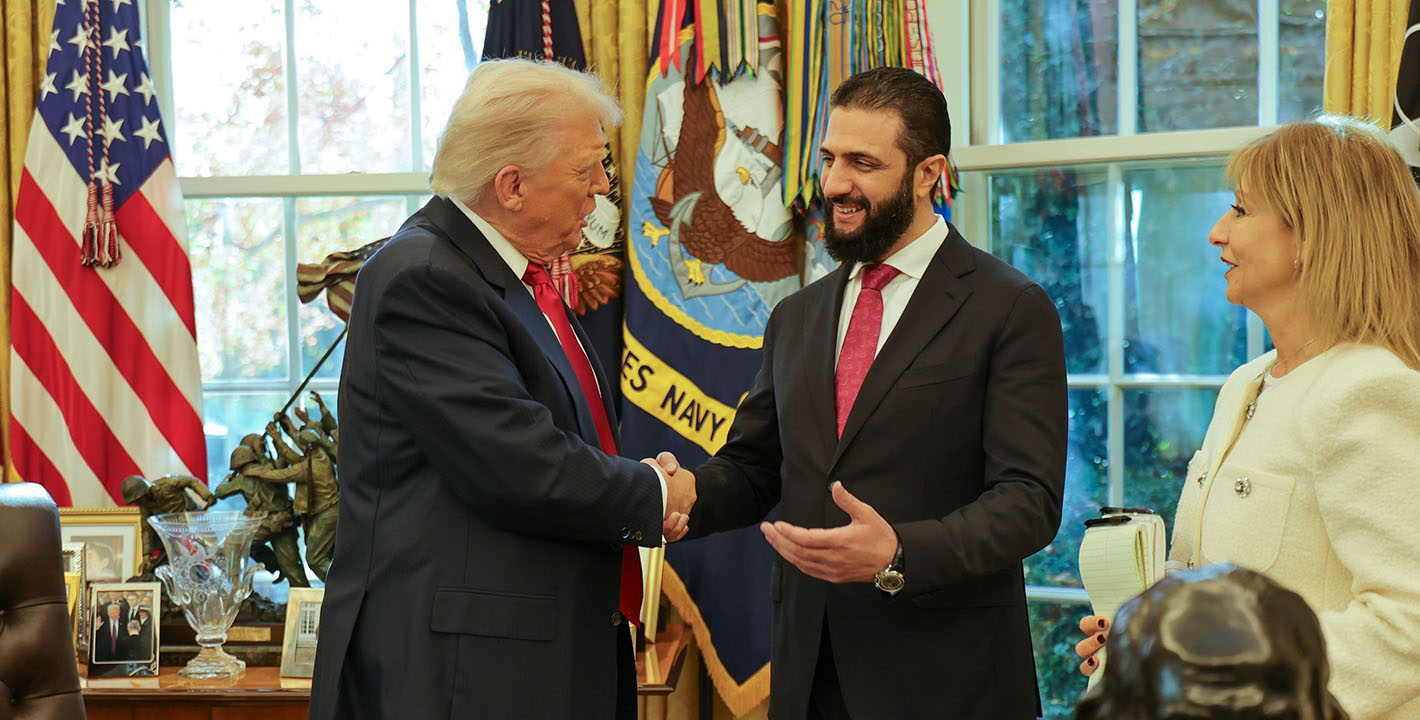
Any move by the United States to make good on Trump’s suggestion that Washington persuade Damascus to confront Hezbollah militarily would have catastrophic consequences.
Kheder Khaddour
As talks begin between Washington and Tehran, Beirut has an opening to advance a regional plan for the party’s disarmament.
Michael Young
In an interview, Elizabeth Thompson recalls how the country formulated a liberal constitution in 1920, before being denied by France and Britain.
Michael Young