

Commentary
Huawei pushed hard to enter the Egyptian data centers market, until the Americans made a better offer.
Angie Omar
{
  "authors": [
    "Alexander Müller"
  ],
  "type": "commentary",
  "blog": "Diwan",
  "centerAffiliationAll": "dc",
  "centers": [
    "Carnegie Endowment for International Peace",
    "Malcolm H. Kerr Carnegie Middle East Center"
  ],
  "collections": [
    "Decoding Lebanon"
  ],
  "englishNewsletterAll": "menaTransitions",
  "nonEnglishNewsletterAll": "",
  "primaryCenter": "Malcolm H. Kerr Carnegie Middle East Center",
  "programAffiliation": "MEP",
  "programs": [
    "Middle East"
  ],
  "projects": [],
  "regions": [
    "Levant",
    "Lebanon",
    "Middle East"
  ],
  "topics": [
    "Economy"
  ]
}
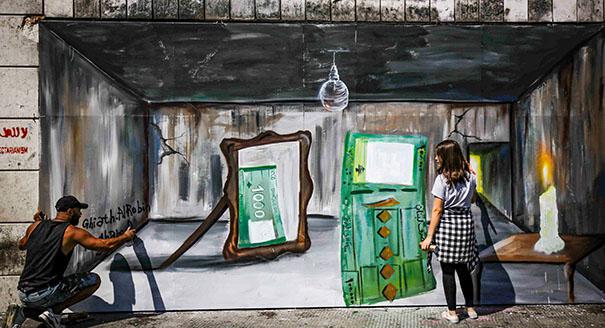
Source: Getty
In an interview, Dan Azzi discusses the many facets of Lebanon’s financial crisis.
Dan Azzi is a former chairman and CEO of Standard Chartered Bank in Lebanon. He has also held executive positions for Bear Stearns in Hong Kong, Deutsche Bank in New York, Merrill Lynch in London, UBS in Auckland, and is a regular op-ed writer for several media outlets in Lebanon. He comments on Lebanon’s financial sector under the Twitter handle @dan_azzi. Diwan interviewed Azzi in mid-July to get his perspective on Lebanon’s volatile currency situation, the forensic audit of its central bank— the Banque du Liban—and the ongoing negotiations between its government and the International Monetary Fund.
Alexander Müller
Former Media and Events Coordinator
Carnegie does not take institutional positions on public policy issues; the views represented herein are those of the author(s) and do not necessarily reflect the views of Carnegie, its staff, or its trustees.

Huawei pushed hard to enter the Egyptian data centers market, until the Americans made a better offer.

Angie Omar

The accord represents a pivotal moment in the region to avert a security vacuum in the Gulf.


Azeema Cheema, Mohanad Hage Ali

In an interview, Jason Burke discusses his sweeping account of the “revolutionists” who so shaped the 1970s and early 1980s.

Michael Young
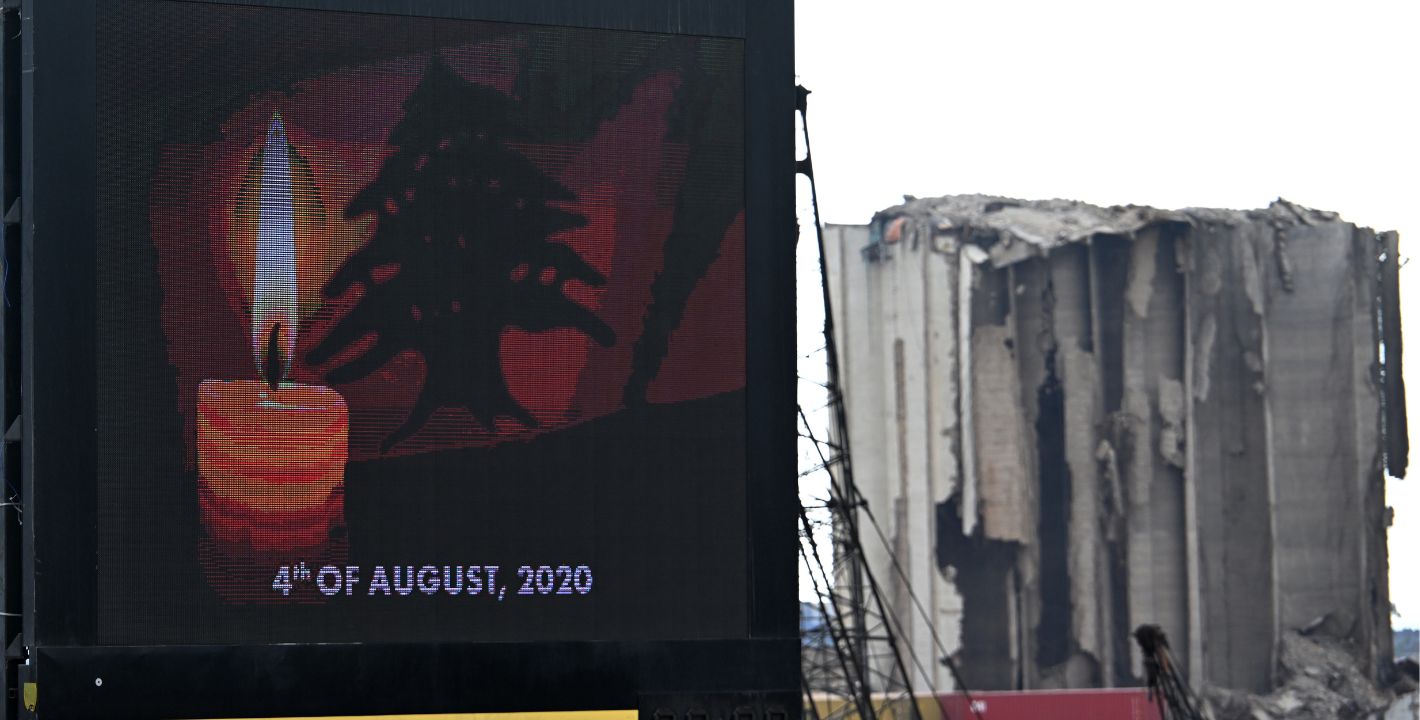
Lying at the heart of Lebanon’s dysfunction is an inability to secure accountability and institutional legitimacy.

Maha Yahya
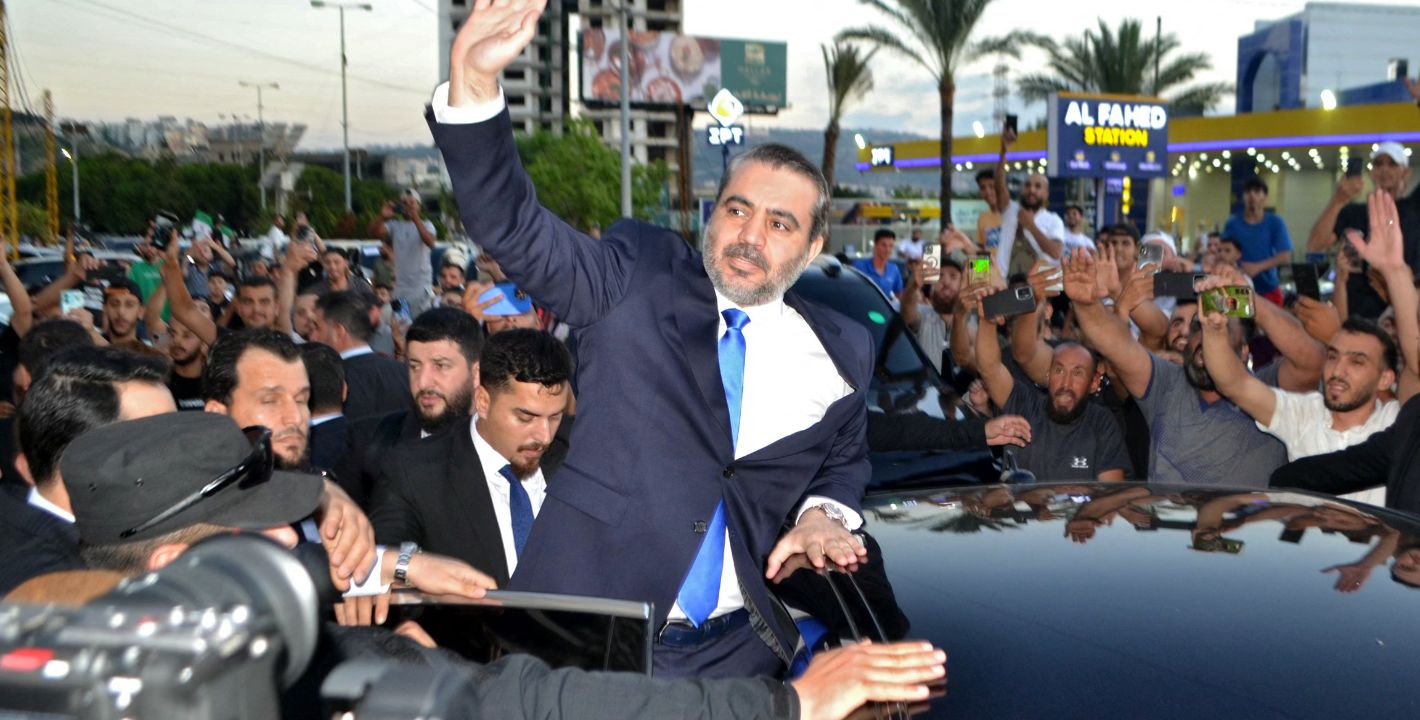
In an interview, Sohaib Jawhar analyzes the profound changes in the ties between the neighboring countries.
Michael Young