

Commentary
While armed forces commander Rudolph Haykal’s caution is understandable, he is in a position to act, and must.
Michael Young
{
  "authors": [
    "Ghida Tayara"
  ],
  "type": "commentary",
  "blog": "Diwan",
  "centerAffiliationAll": "dc",
  "centers": [
    "Carnegie Endowment for International Peace",
    "Malcolm H. Kerr Carnegie Middle East Center"
  ],
  "collections": [
    "Decoding Lebanon"
  ],
  "englishNewsletterAll": "menaTransitions",
  "nonEnglishNewsletterAll": "",
  "primaryCenter": "Malcolm H. Kerr Carnegie Middle East Center",
  "programAffiliation": "MEP",
  "programs": [
    "Middle East"
  ],
  "projects": [],
  "regions": [
    "Levant",
    "Lebanon",
    "Middle East"
  ],
  "topics": [
    "Economy"
  ]
}
Source: Getty
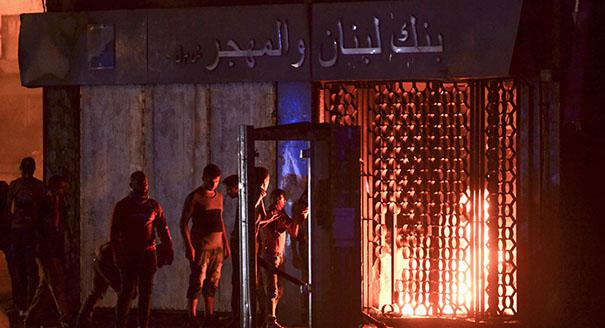
In an interview, Saad Andary discusses Lebanon’s economic crisis and criticizes the government’s plans for addressing it.
Saad Andary is a former second vice governor of Lebanon’s central bank, an economist, and a member of the board of directors of the Ecole Supérieure des Affaires. Currently, he is working on multiple initiatives, including one that encourages industrial exports. Another brings together two of Lebanon’s top universities and targets innovation in Lebanon’s healthcare sector. Andary previously held senior executive positions in different Lebanese banks and has served as director of the Institute of Money and Banking at the American University of Beirut and as an associate professor at the Lebanese American University’s business school. He also served as chairman of the International Chambers of Commerce’s Anti-Corruption Commission. Diwan interviewed Andary in late July to discuss Lebanon’s financial crisis.
Ghida Tayara
Senior Digital and Web Coordinator
Carnegie does not take institutional positions on public policy issues; the views represented herein are those of the author(s) and do not necessarily reflect the views of Carnegie, its staff, or its trustees.
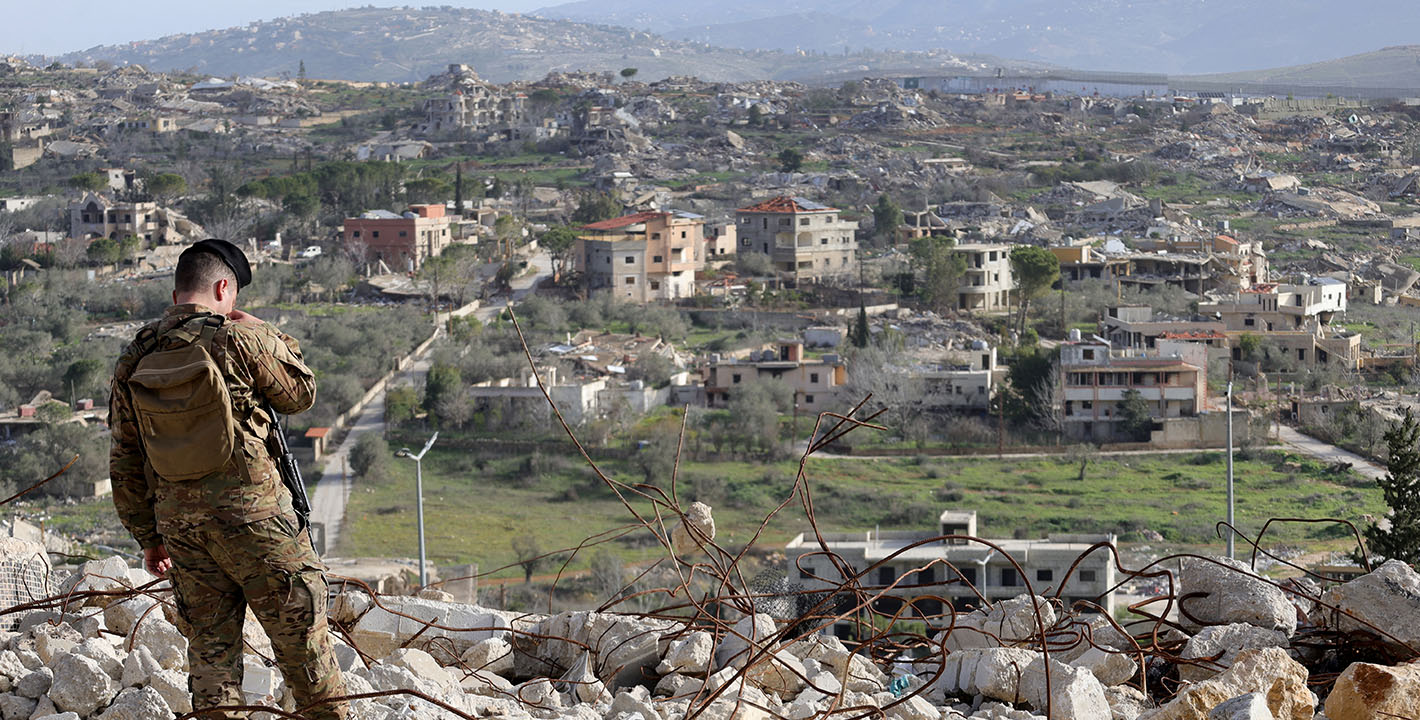
While armed forces commander Rudolph Haykal’s caution is understandable, he is in a position to act, and must.

Michael Young
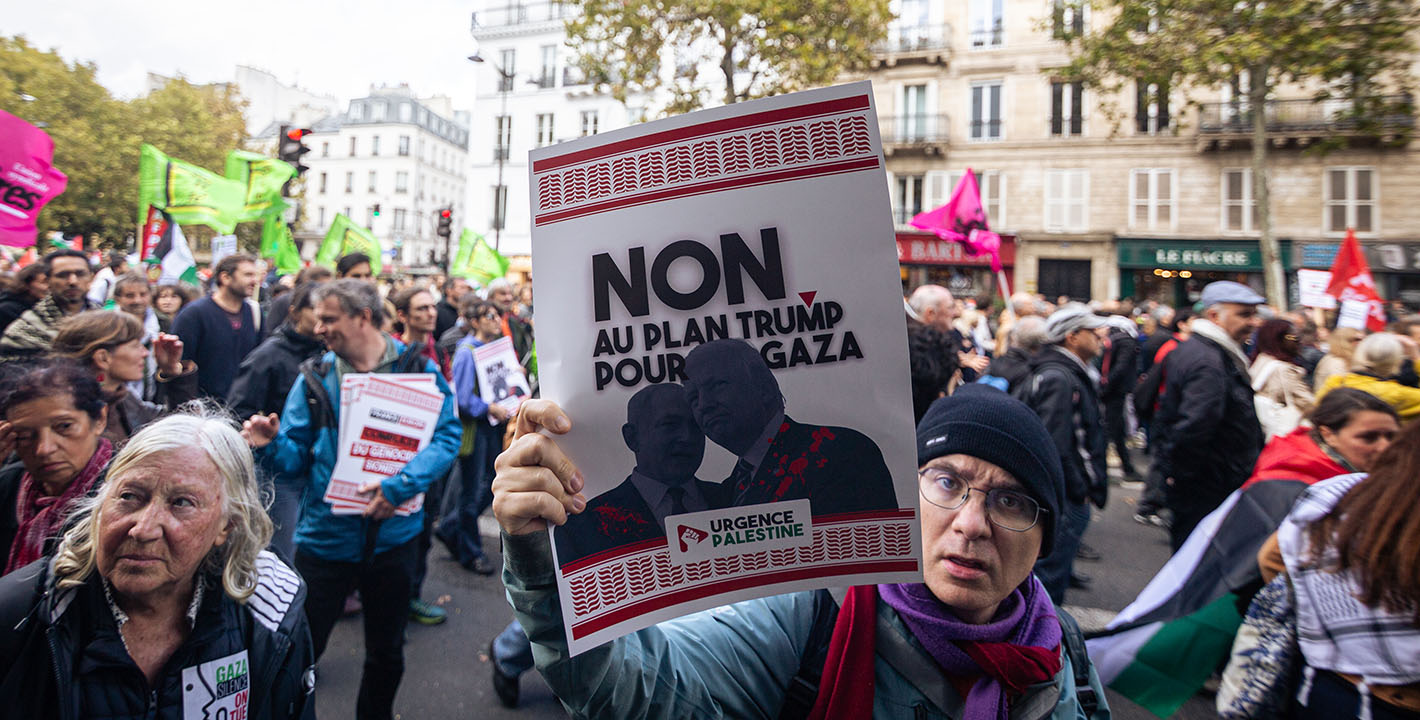
The simple conclusion is that the scheme will bring neither peace nor prosperity, but will institutionalize devastation.

Nathan J. Brown
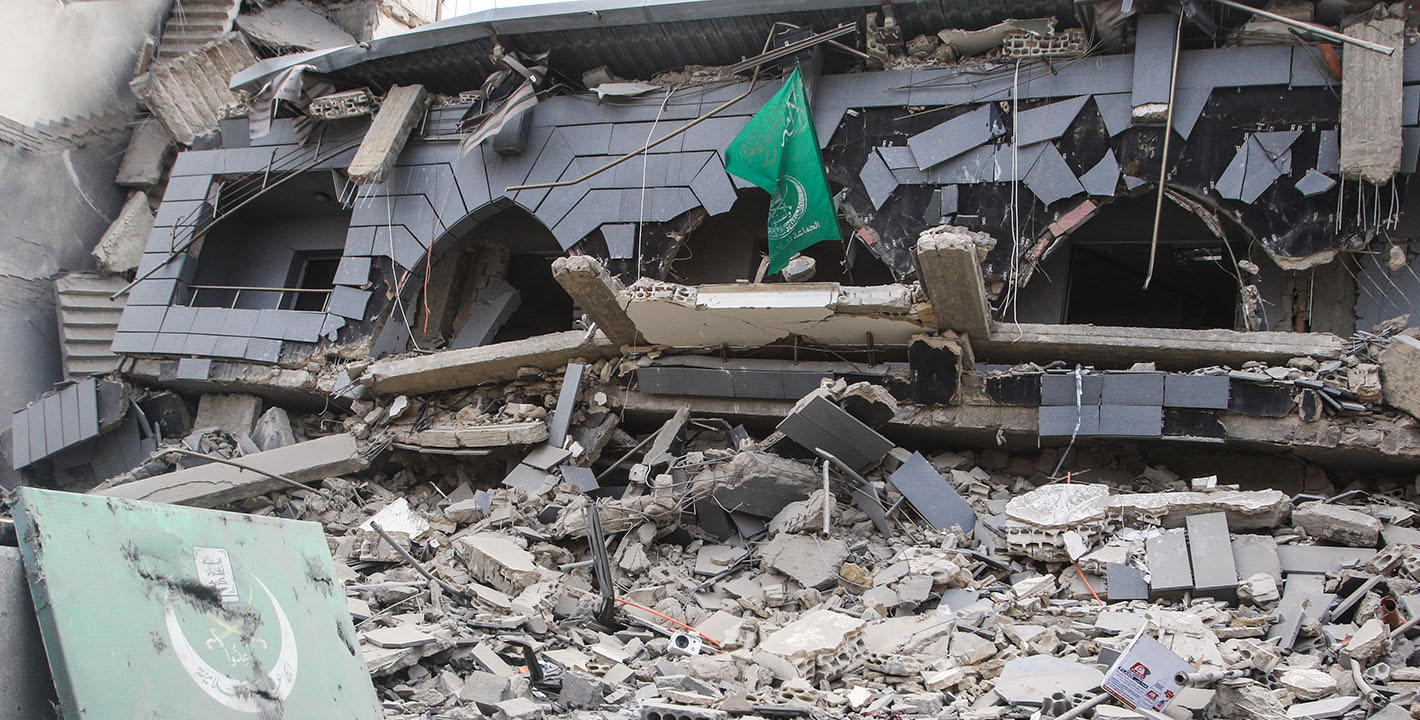
The Jamaa al-Islamiyya is the local Lebanese dimension of a broader struggle involving rival regional powers.

Issam Kayssi
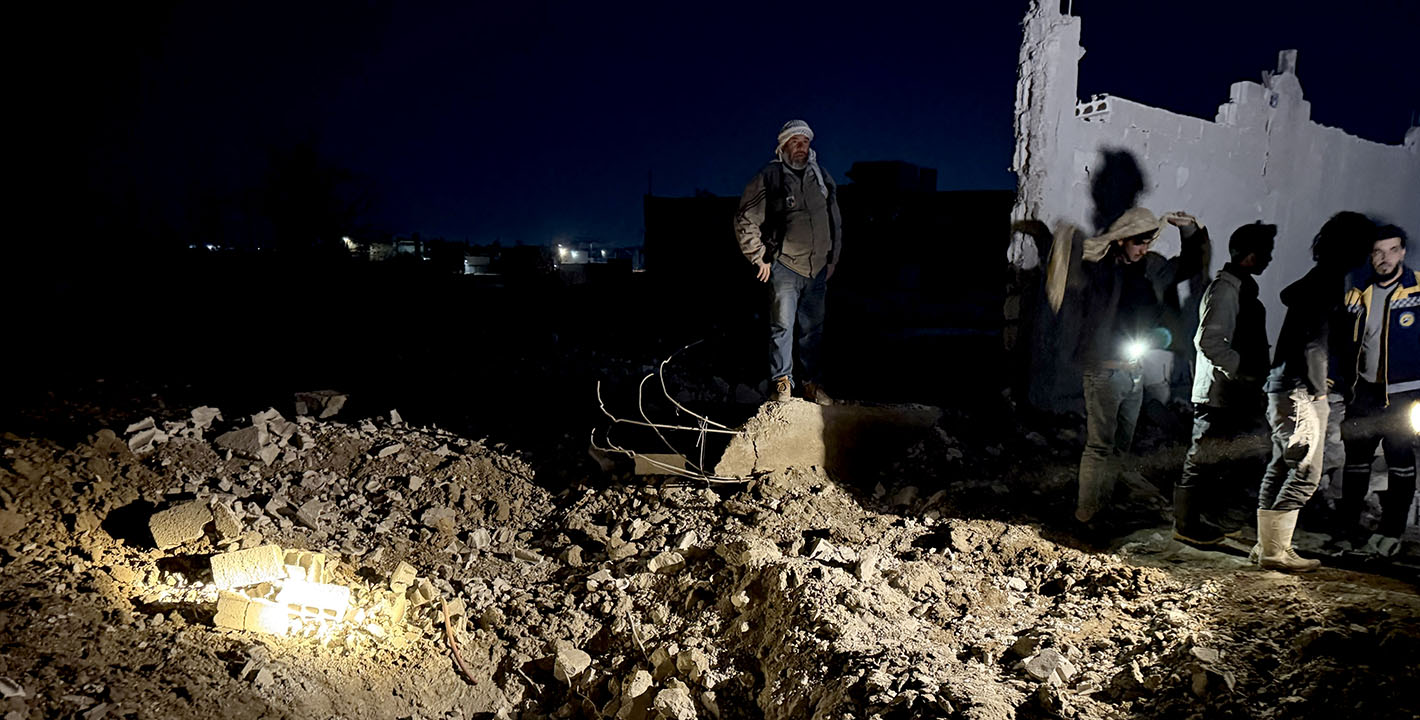
In an interview, Kheder Khaddour explains that Damascus is trying to stabilize its borders, but avoiding war isn’t guaranteed.
Michael Young
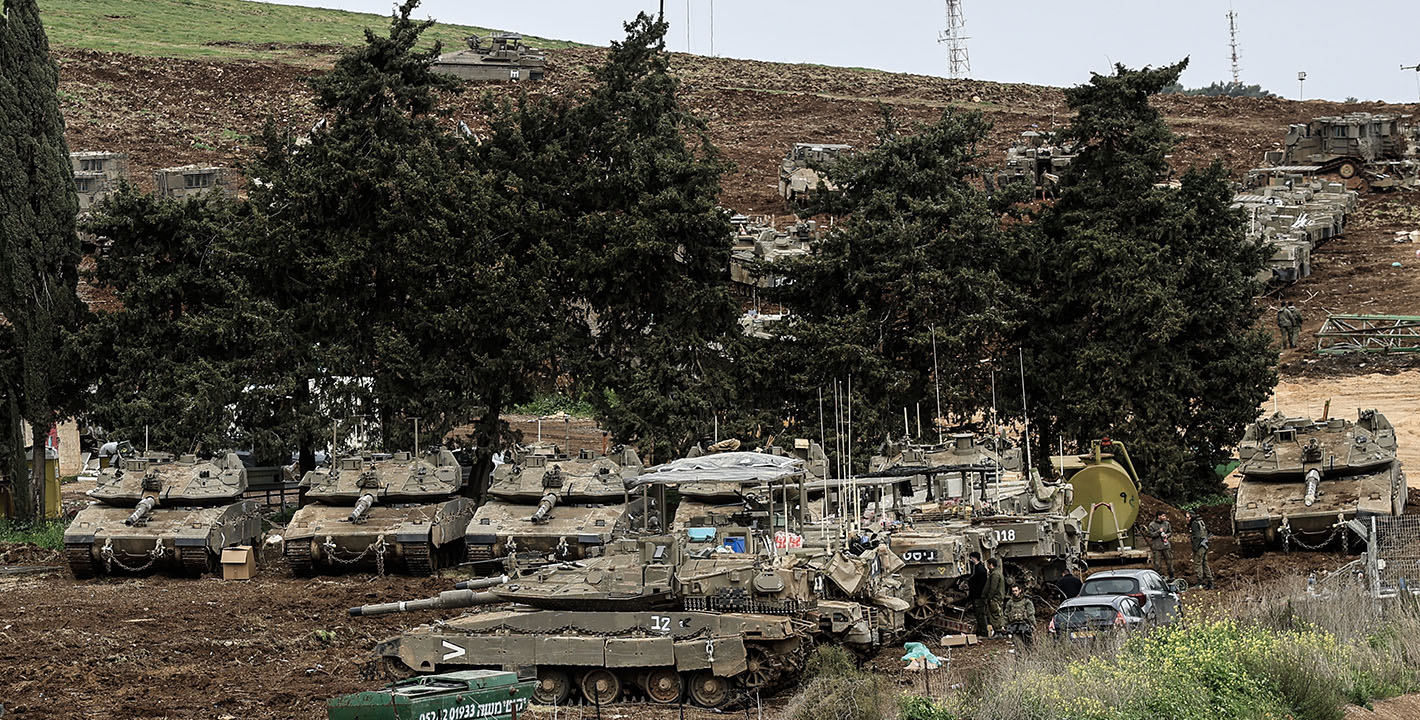
The country’s strategy is no longer focused on deterrence and diplomacy, it’s about dominance and degradation.
Nathan J. Brown