

Commentary
In Egypt’s dense cities, the disappearance of foliage has health implications and punishes daily commuters.
Angie Omar
{
  "authors": [
    "Nathan Toronto"
  ],
  "type": "commentary",
  "blog": "Diwan",
  "centerAffiliationAll": "dc",
  "centers": [
    "Carnegie Endowment for International Peace",
    "Malcolm H. Kerr Carnegie Middle East Center"
  ],
  "collections": [],
  "englishNewsletterAll": "menaTransitions",
  "nonEnglishNewsletterAll": "",
  "primaryCenter": "Malcolm H. Kerr Carnegie Middle East Center",
  "programAffiliation": "MEP",
  "programs": [
    "Middle East"
  ],
  "projects": [],
  "regions": [
    "Egypt",
    "North Africa"
  ],
  "topics": [
    "Economy"
  ]
}
Source: Getty
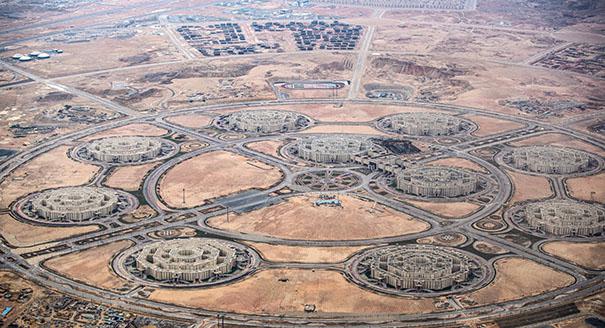
Egypt has long sought to expand habitation and agriculture into the desert, but the obstacles are great.
Two of Egypt’s most daunting strategic challenges are population growth and the scarcity of arable land. Almost all of Egypt’s 100 million people call the Nile Valley home, and all of Egypt’s agricultural production occurs along the ribbon of the Nile and its Delta. Severe overcrowding, a massive housing deficit, loss of arable soil to incessant urbanization, dense vehicle traffic, and worsening air pollution are among the many consequences. With 95 percent of the country’s territory untouched, it is no surprise that for decades Egyptian leaders have sought to expand urban areas and agriculture into the desert.
Horizontal expansion is extremely costly, but every president since 1954 has pressed forward nonetheless, as a recent report by Carnegie’s Yezid Sayigh on Egypt’s military economy details. If the effort were to succeed, it could prove a boon for Egypt’s economic and human development. New farmland and cities could reduce the country’s reliance on importing much of its food and bring it closer to fulfilling the aspirations of various social sectors for upward mobility. But, as this video asks, is it a realizable dream worth the massive investment of scarce funds, or just a costly mirage?

Nathan Toronto
Former Commissioning Editor, Program on Civil-Military Relations in Arab States, Malcolm H. Kerr Carnegie Middle East Center
Nathan Toronto was the commissioning editor for the Program on Civil-Military Relations in Arab States at the Malcolm H. Kerr Carnegie Middle East Center. His research and practitioner work focus on civil-military relations, battlefield effectiveness, military recruitment and education, and Middle East security, especially in the Gulf region.
Carnegie does not take institutional positions on public policy issues; the views represented herein are those of the author(s) and do not necessarily reflect the views of Carnegie, its staff, or its trustees.
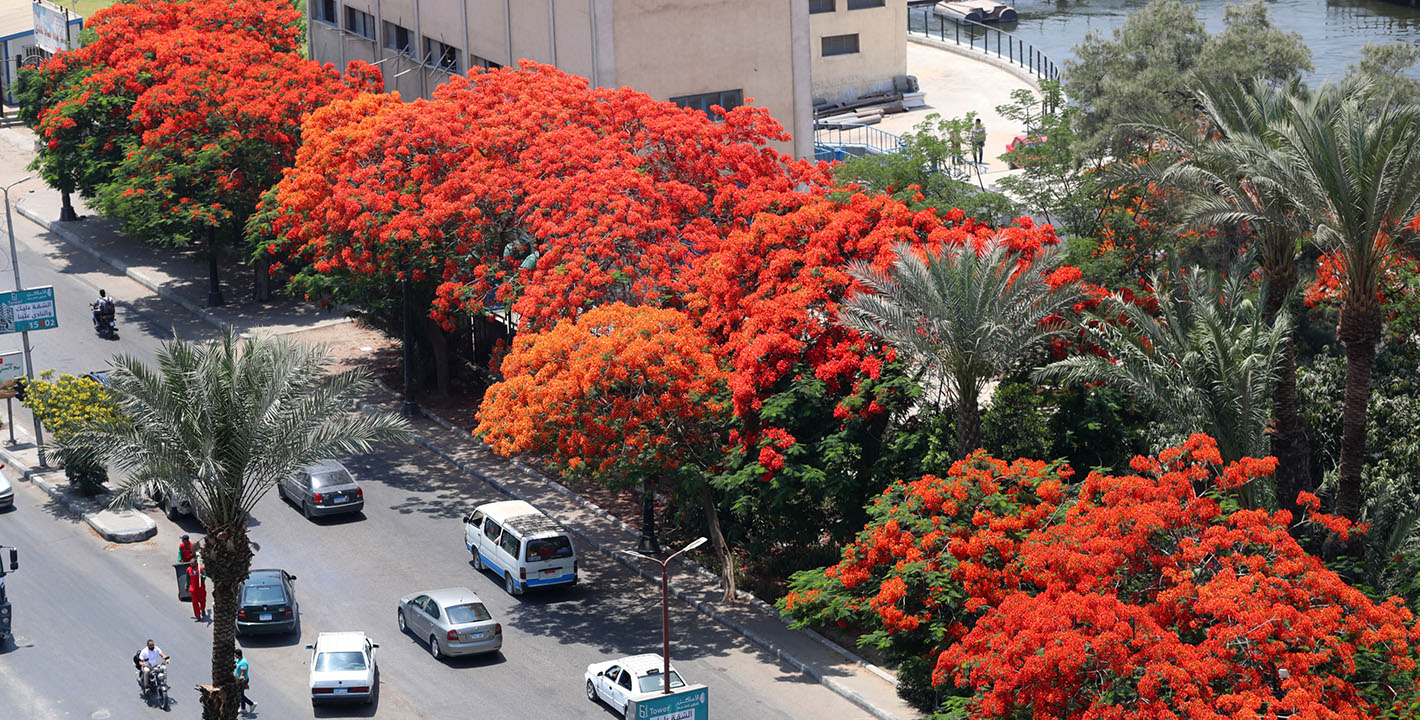
In Egypt’s dense cities, the disappearance of foliage has health implications and punishes daily commuters.

Angie Omar

Huawei pushed hard to enter the Egyptian data centers market, until the Americans made a better offer.
Angie Omar
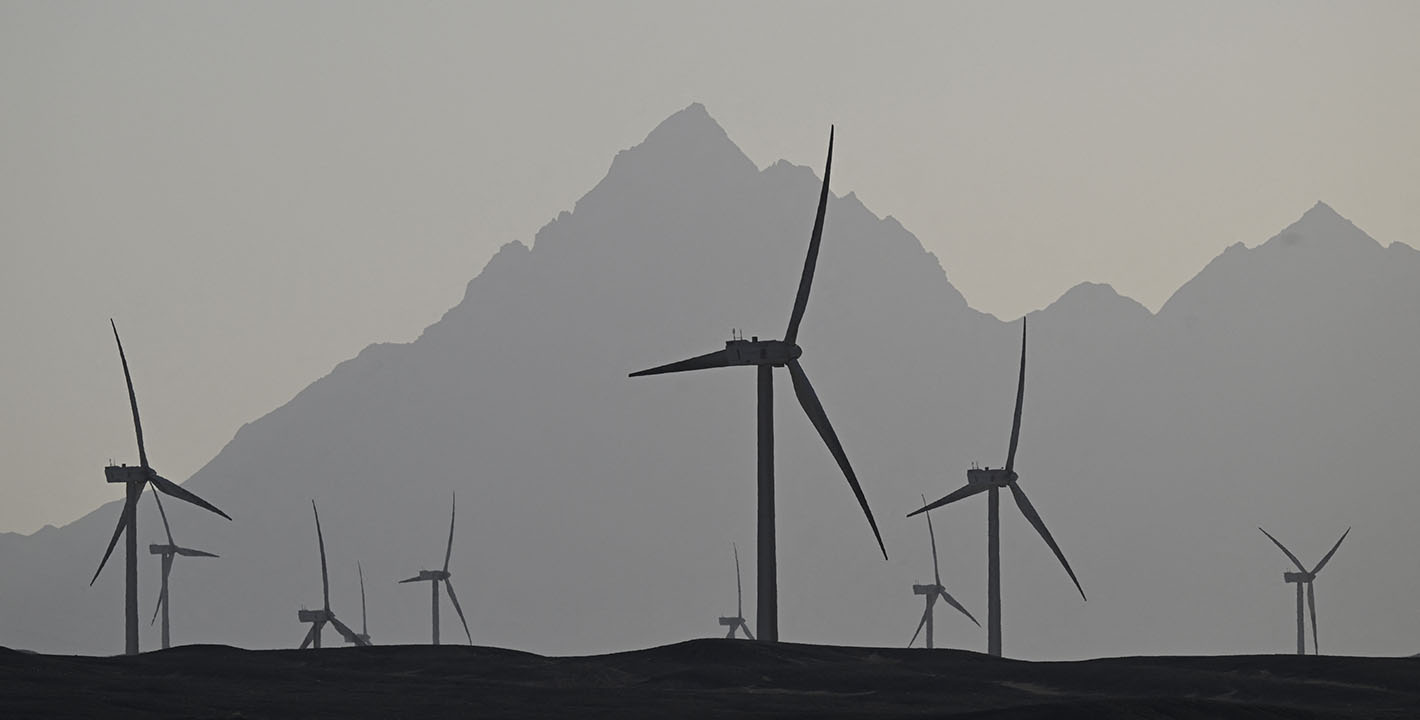
There is a disturbing structural parallel between the old global energy economy and the new green transition.
Angie Omar
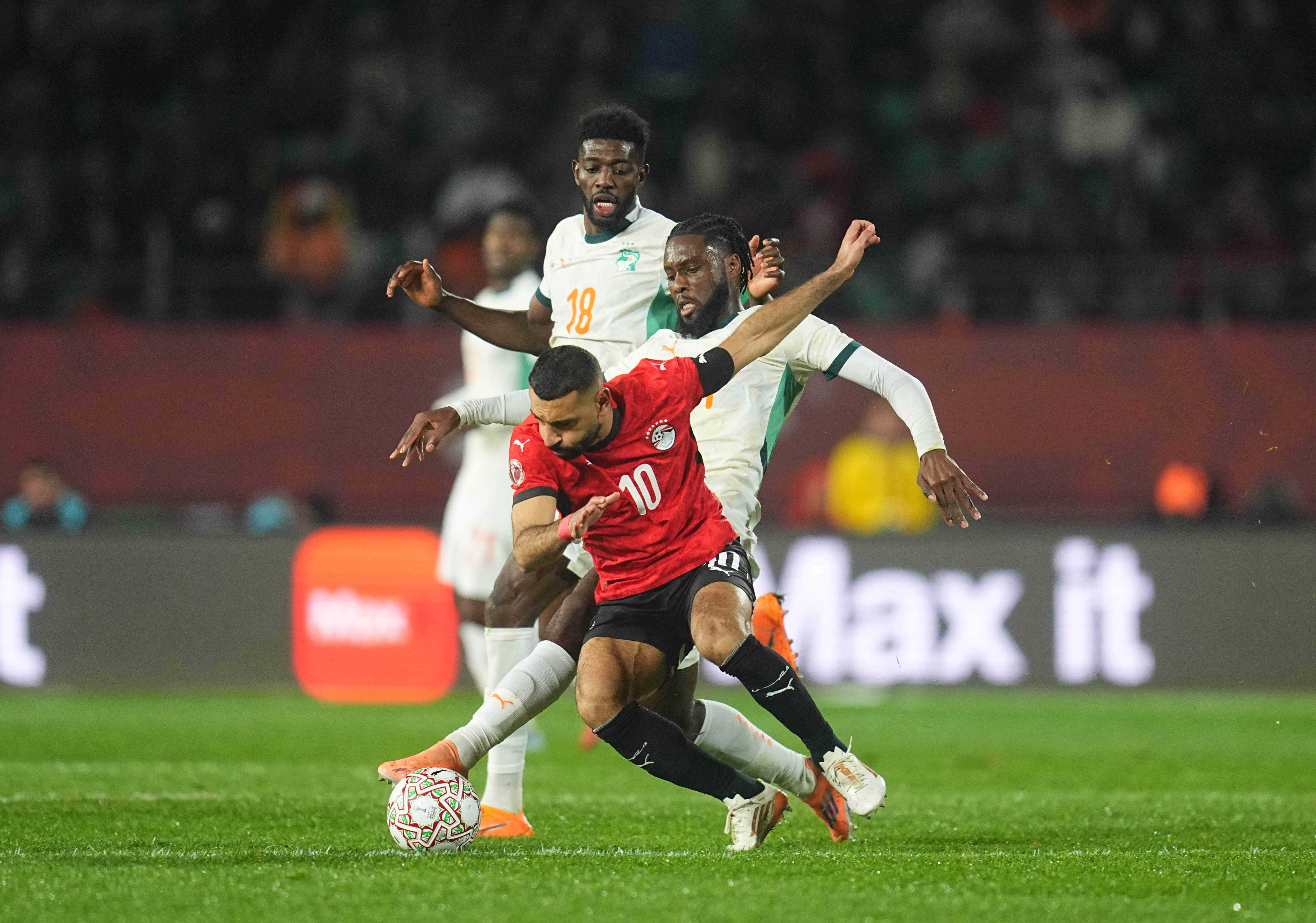
This will be the region’s most representative tournament, amid broad changes in its footballing landscape.

Issam Kayssi
Cairo’s efforts send a message to the United States and the region that it still has a place at the diplomatic table.
Angie Omar