

Commentary
While armed forces commander Rudolph Haykal’s caution is understandable, he is in a position to act, and must.
Michael Young
{
  "authors": [
    "Ghida Tayara"
  ],
  "type": "commentary",
  "blog": "Diwan",
  "centerAffiliationAll": "dc",
  "centers": [
    "Carnegie Endowment for International Peace",
    "Malcolm H. Kerr Carnegie Middle East Center"
  ],
  "collections": [
    "Three Question Time"
  ],
  "englishNewsletterAll": "menaTransitions",
  "nonEnglishNewsletterAll": "",
  "primaryCenter": "Malcolm H. Kerr Carnegie Middle East Center",
  "programAffiliation": "MEP",
  "programs": [
    "Middle East"
  ],
  "projects": [],
  "regions": [
    "Levant",
    "Lebanon",
    "Middle East",
    "Syria"
  ],
  "topics": [
    "Political Reform"
  ]
}
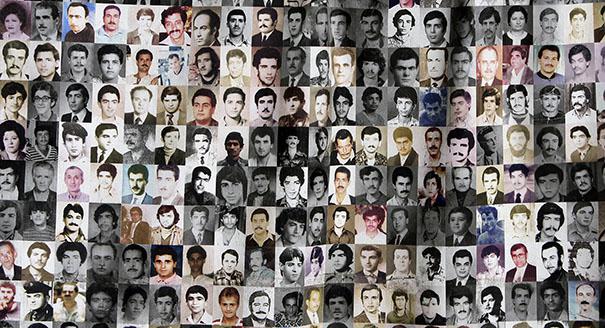
Source: Getty
In an interview, Lyna Comaty talks about Lebanon’s wartime disappeared and the difficulties faced by their families.
Lyna Comaty holds a Ph.D. in development studies from the Graduate Institute for International and Development Studies in Geneva. She is the author of Post-Conflict Transition in Lebanon: The Disappeared of the Civil War, published by Routledge in 2019. Comaty also lectures at the university level. Her research interests include political reform, peace building, and development. She is active politically and in civil society and regularly consults with local and international organizations. She is a founding member of the Act for the Disappeared nongovernmental organization and a member of the National Bloc Party. Diwan met with her in early September to discuss the wartime disappeared and how the postwar Lebanese state has dealt with their families.
Ghida Tayara
Senior Digital and Web Coordinator
Carnegie does not take institutional positions on public policy issues; the views represented herein are those of the author(s) and do not necessarily reflect the views of Carnegie, its staff, or its trustees.
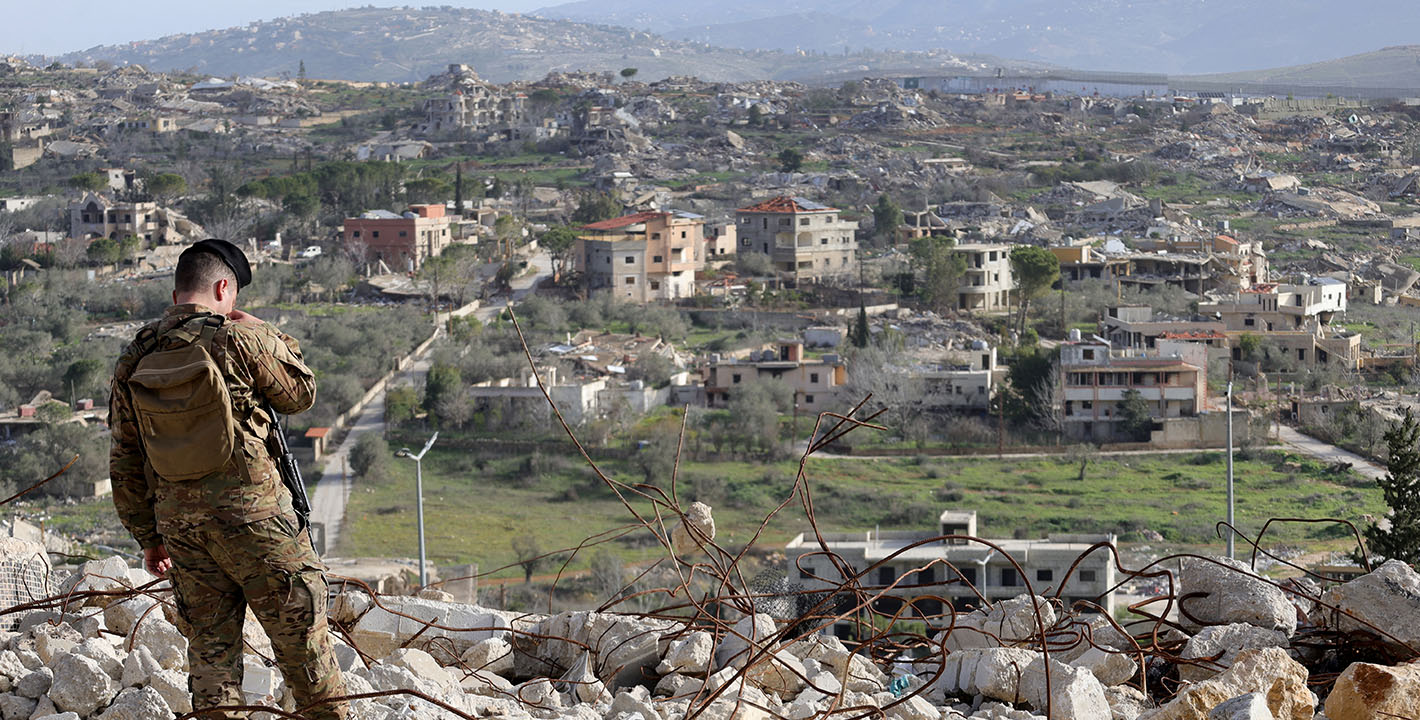
While armed forces commander Rudolph Haykal’s caution is understandable, he is in a position to act, and must.

Michael Young
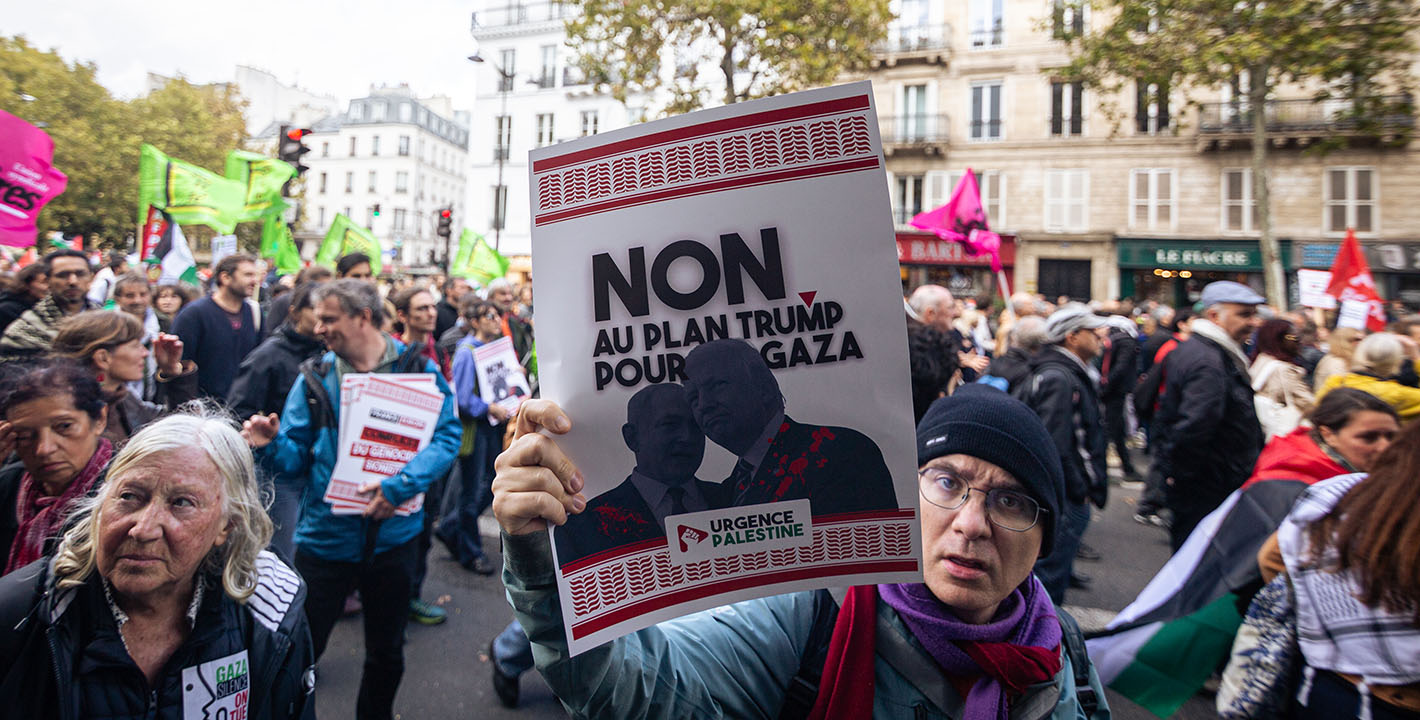
The simple conclusion is that the scheme will bring neither peace nor prosperity, but will institutionalize devastation.

Nathan J. Brown
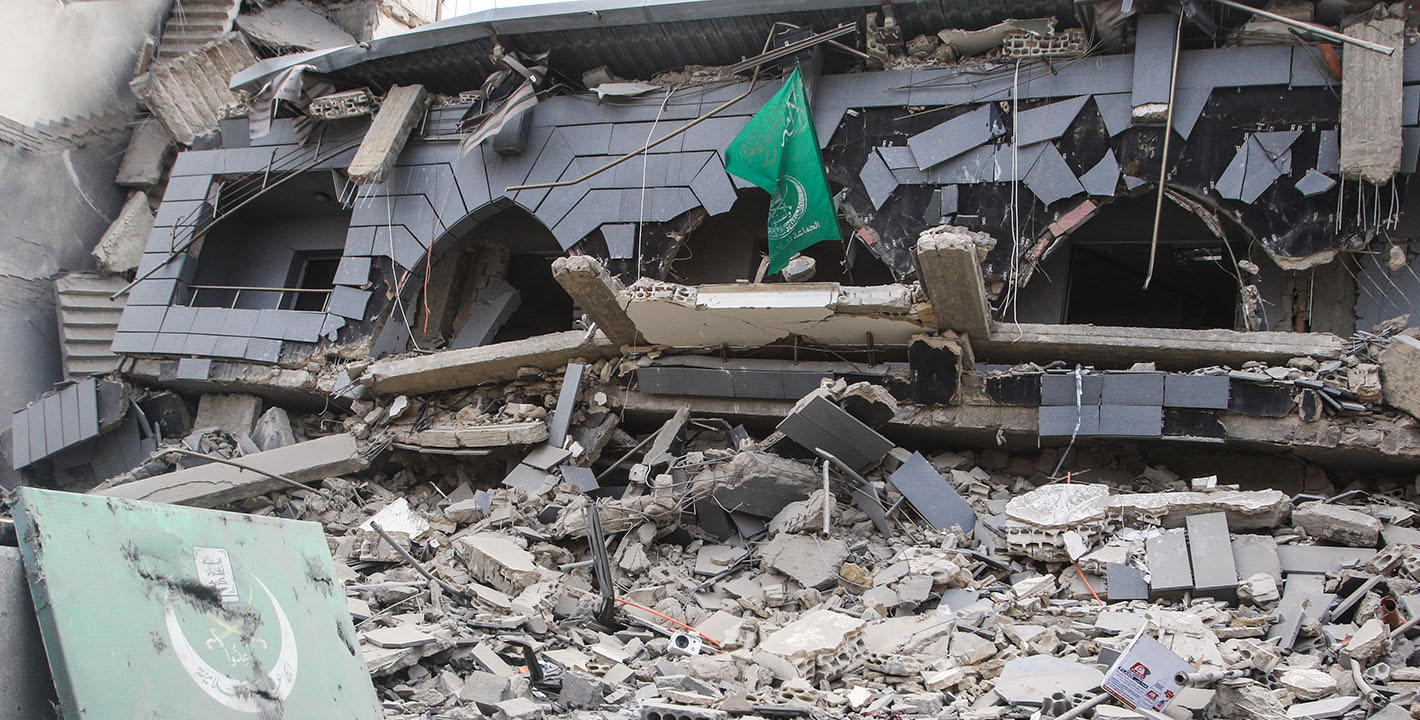
The Jamaa al-Islamiyya is the local Lebanese dimension of a broader struggle involving rival regional powers.
Issam Kayssi
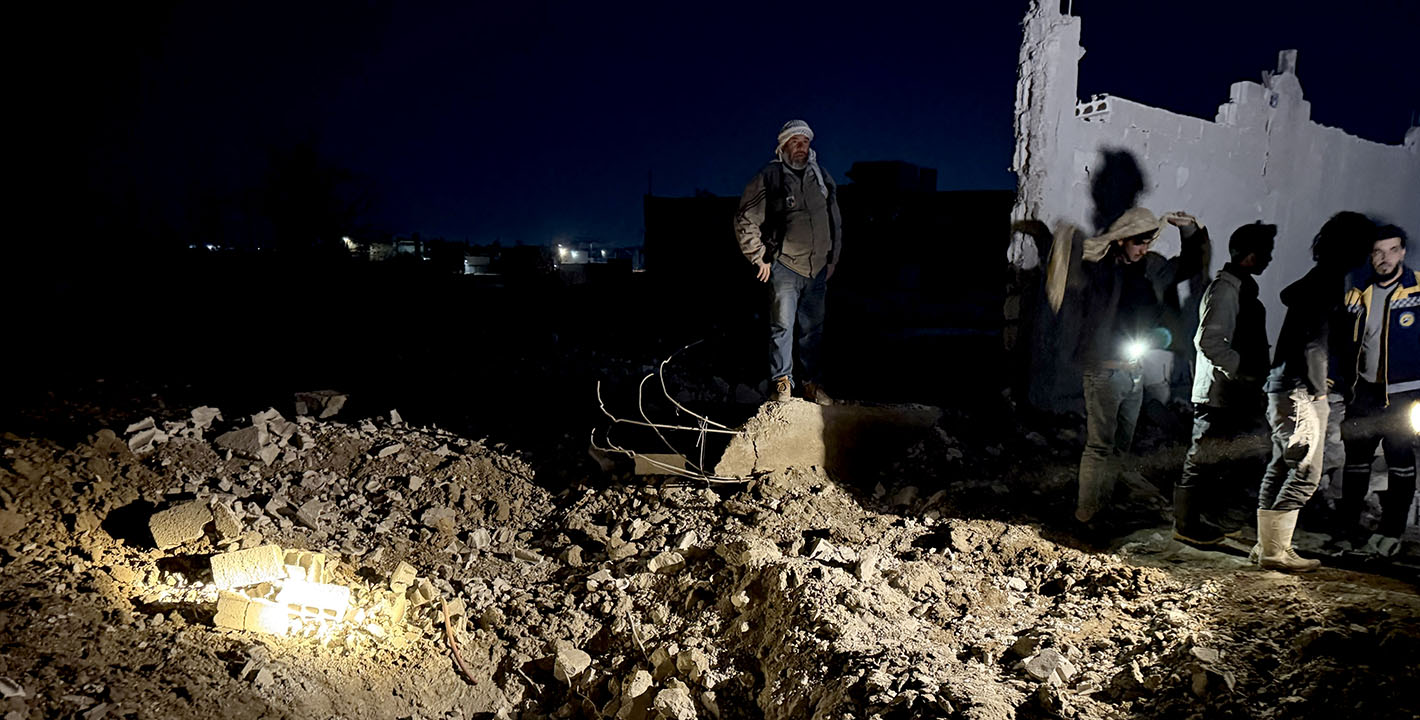
In an interview, Kheder Khaddour explains that Damascus is trying to stabilize its borders, but avoiding war isn’t guaranteed.
Michael Young
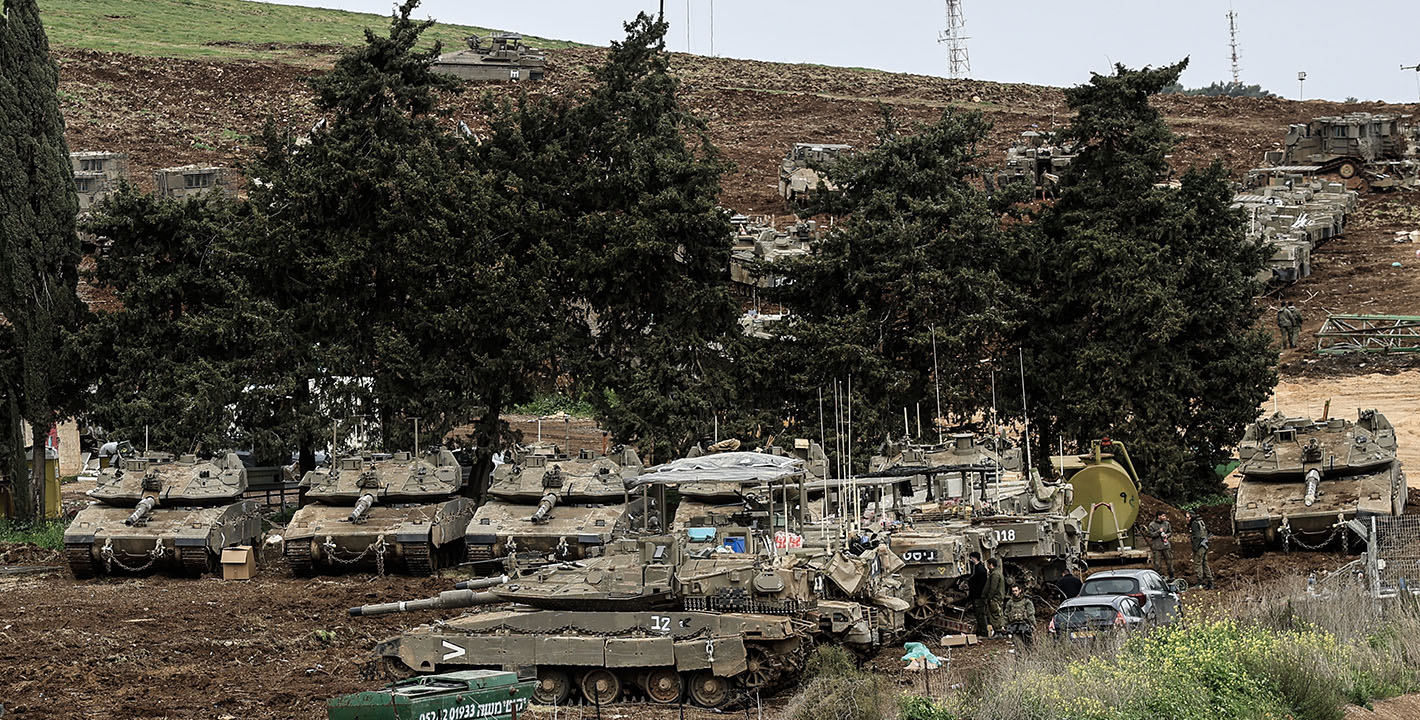
The country’s strategy is no longer focused on deterrence and diplomacy, it’s about dominance and degradation.
Nathan J. Brown