

Commentary
In an interview, Elizabeth Thompson recalls how the country formulated a liberal constitution in 1920, before being denied by France and Britain.
Michael Young
{
  "authors": [
    "Ghida Tayara"
  ],
  "type": "commentary",
  "blog": "Diwan",
  "centerAffiliationAll": "dc",
  "centers": [
    "Carnegie Endowment for International Peace",
    "Malcolm H. Kerr Carnegie Middle East Center"
  ],
  "collections": [
    "Three Question Time"
  ],
  "englishNewsletterAll": "menaTransitions",
  "nonEnglishNewsletterAll": "",
  "primaryCenter": "Malcolm H. Kerr Carnegie Middle East Center",
  "programAffiliation": "MEP",
  "programs": [
    "Middle East"
  ],
  "projects": [],
  "regions": [
    "Levant",
    "Syria",
    "Jordan",
    "Middle East"
  ],
  "topics": [
    "Political Reform",
    "Security"
  ]
}
Source: Getty
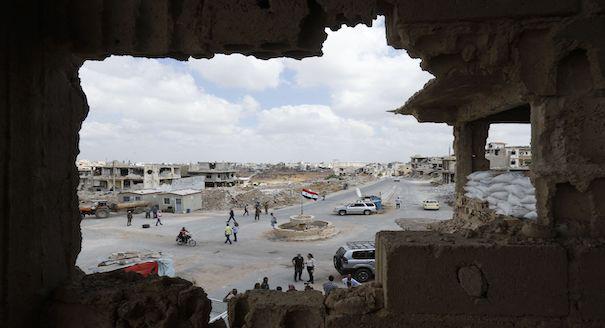
In an interview, Armenak Tokmajyan examines the regional implications of developments in southern Syria.
Armenak Tokmajyan is a nonresident scholar at the Carnegie Middle East Center in Beirut, where his research focuses on borders and conflict, Syrian refugees, and local intermediaries in Syria. Tokmajyan has been following the situation in southern Syria very closely for some time, and in August he published an article for Diwan on the most recent developments in Daraa. Last year, he wrote a paper for Carnegie on how the Assad regime’s forces returned to southern Syria in 2018, which serves as a basis for explaining the developments we are seeing today in the region.
Ghida Tayara
Senior Digital and Web Coordinator
Carnegie does not take institutional positions on public policy issues; the views represented herein are those of the author(s) and do not necessarily reflect the views of Carnegie, its staff, or its trustees.
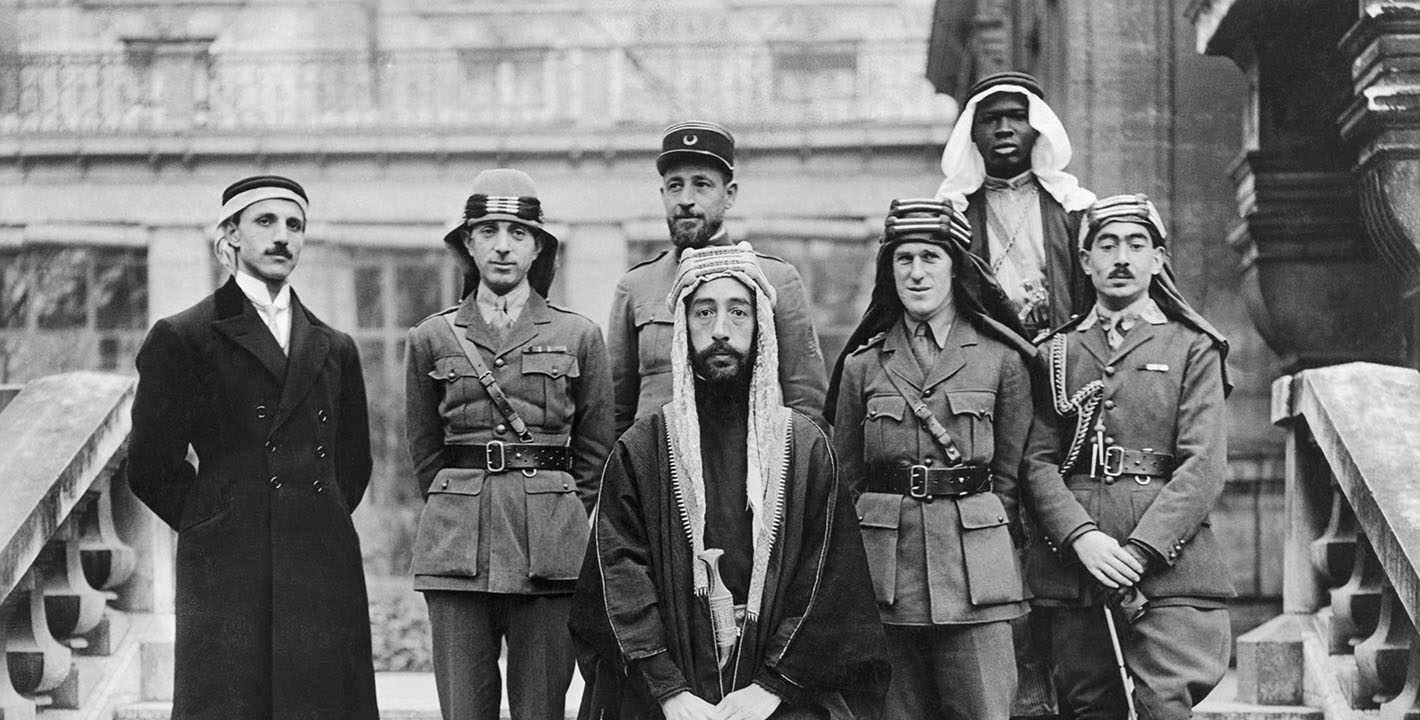
In an interview, Elizabeth Thompson recalls how the country formulated a liberal constitution in 1920, before being denied by France and Britain.

Michael Young

This will be the region’s most representative tournament, amid broad changes in its footballing landscape.

Issam Kayssi
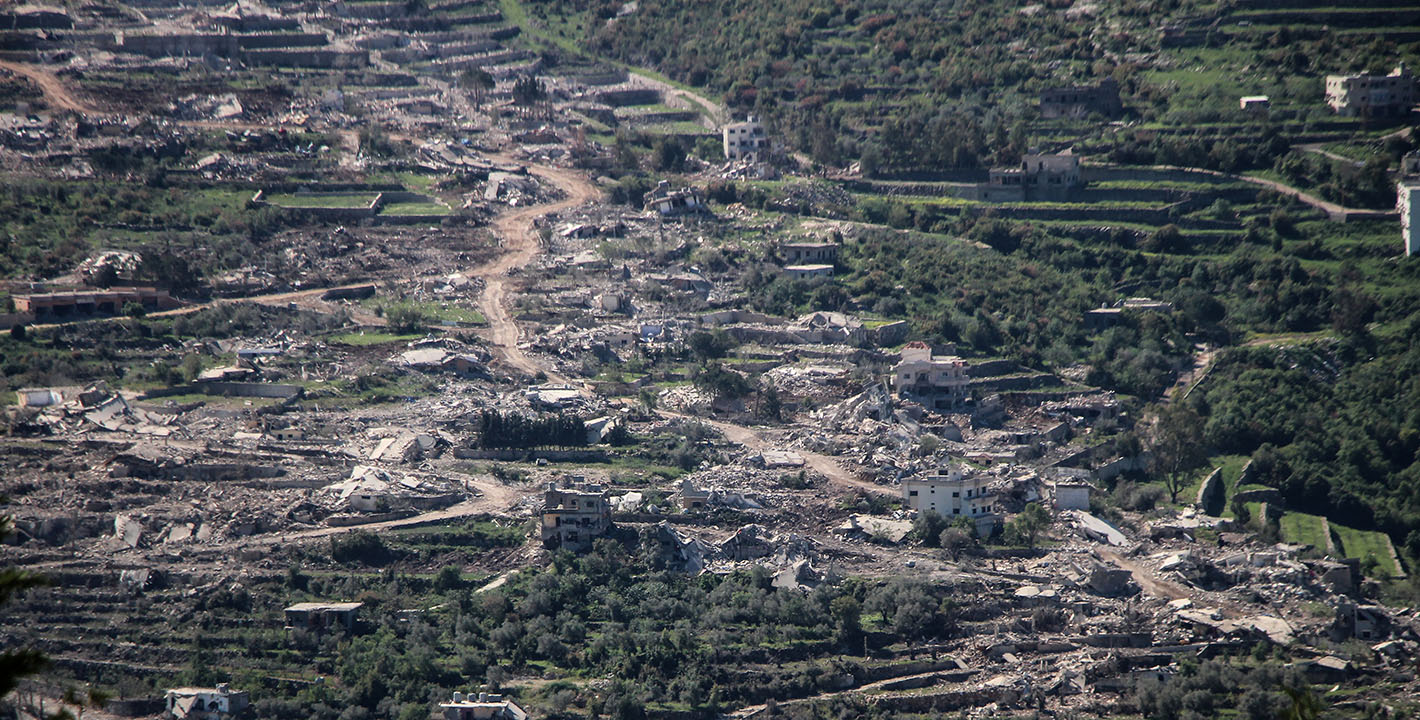
As negotiations with Iran and Lebanon continue, chaos is at the heart of the Netanyahu government’s calculations.
Michael Young
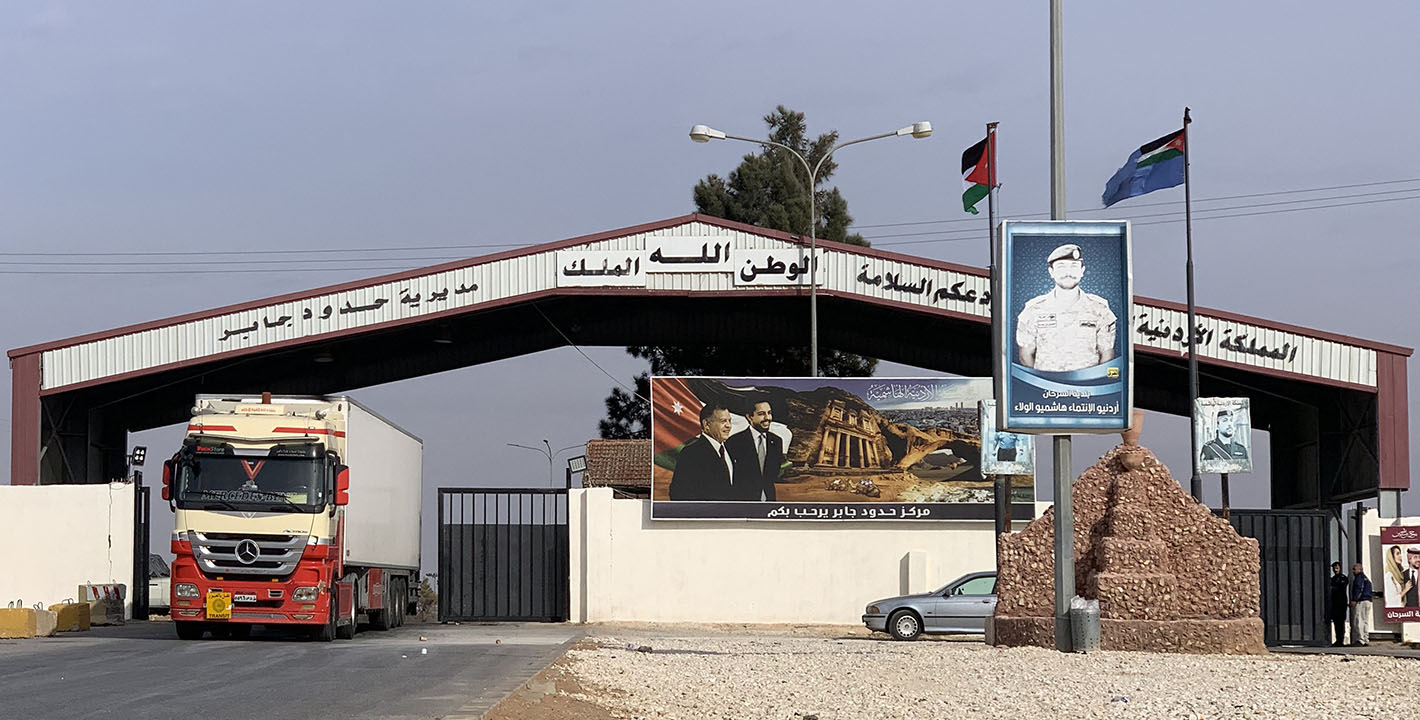
Trade statistics show why Amman has more reason than Damascus to welcome the improvement in bilateral commerce.

Armenak Tokmajyan
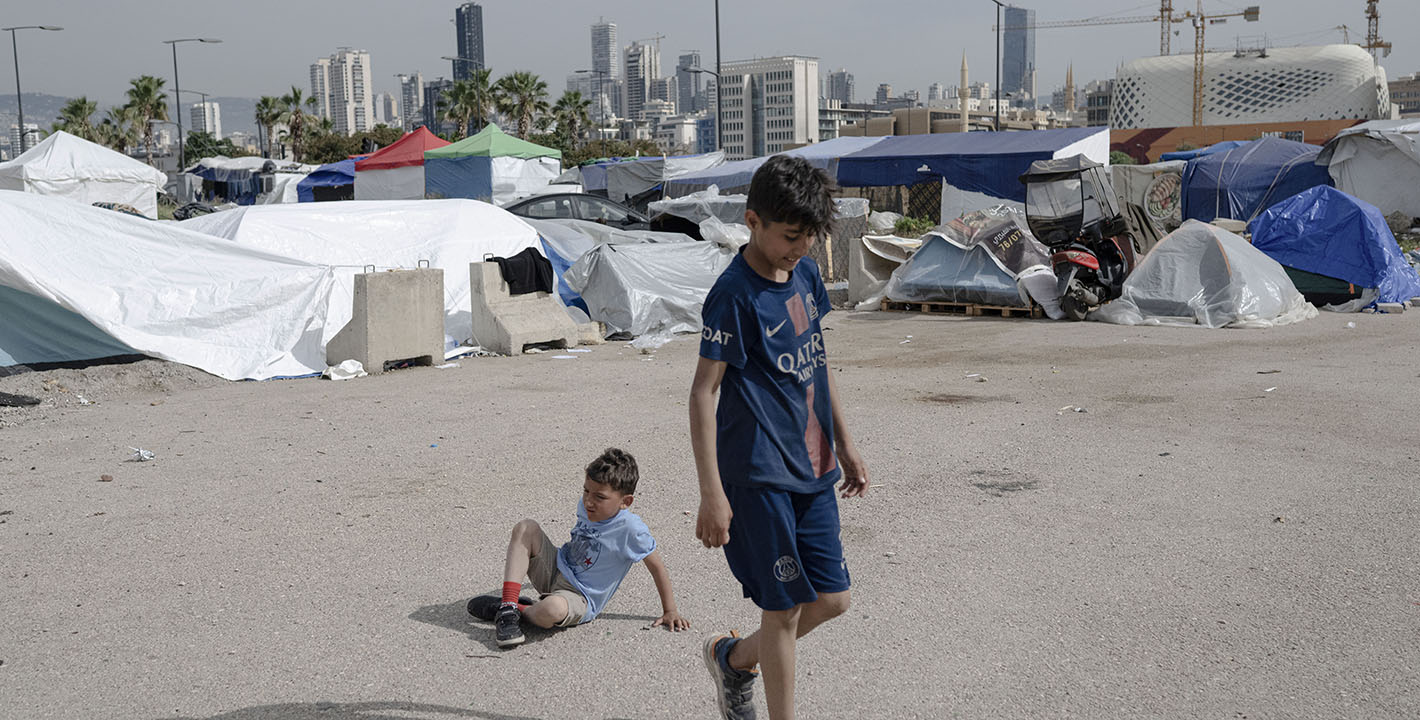
Israel is encroaching on the country’s territory, while the Lebanese look askance at one another.
Issam Kayssi