

Article
Mohanad Hage Ali
{
  "authors": [
    "Mohanad Hage Ali"
  ],
  "type": "commentary",
  "blog": "Diwan",
  "centerAffiliationAll": "dc",
  "centers": [
    "Carnegie Endowment for International Peace",
    "Malcolm H. Kerr Carnegie Middle East Center"
  ],
  "collections": [],
  "englishNewsletterAll": "menaTransitions",
  "nonEnglishNewsletterAll": "",
  "primaryCenter": "Malcolm H. Kerr Carnegie Middle East Center",
  "programAffiliation": "MEP",
  "programs": [
    "Middle East"
  ],
  "projects": [],
  "regions": [
    "Levant",
    "Jordan",
    "Palestine",
    "North America",
    "United States",
    "Middle East",
    "Israel"
  ],
  "topics": [
    "Political Reform"
  ]
}
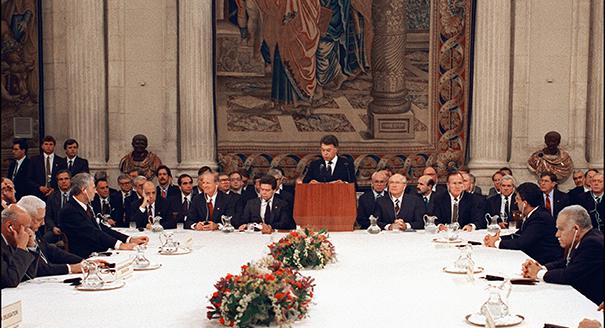
Source: Getty
In an interview on the anniversary of the 1991 Arab-Israeli peace conference, Marwan Muasher looks back.
Marwan Muasher is vice president for studies at the Carnegie Endowment for International Peace, where he oversees research in Washington and Beirut on the Middle East. Muasher served as foreign minister (2002–2004) and deputy prime minister (2004–2005) of Jordan, and his career has spanned the areas of diplomacy, development, civil society, and communications. For the thirtieth anniversary of the Madrid conference on Arab-Israeli peace on October 30, Diwan interviewed Muasher, who was part of the Jordanian delegation, to get his perspective on what took place.

Deputy Director for Research, Malcolm H. Kerr Carnegie Middle East Center
Mohanad Hage Ali is the deputy director for research at the Malcolm H. Kerr Carnegie Middle East Center.
Recent Work
Mohanad Hage Ali
Mohanad Hage Ali
Carnegie does not take institutional positions on public policy issues; the views represented herein are those of the author(s) and do not necessarily reflect the views of Carnegie, its staff, or its trustees.
A prerequisite of serious talks is that the country’s leadership consolidates majority national support for such a process.

Michael Young
The community seeks maintain a distance from Hezbollah, and an even greater one from normalization with their southern neighbor.
Mohamad Fawaz
In an interview, Jim Lamson discusses the ongoing regional conflict and sees an unclear picture when it comes to winners and losers.
Michael Young
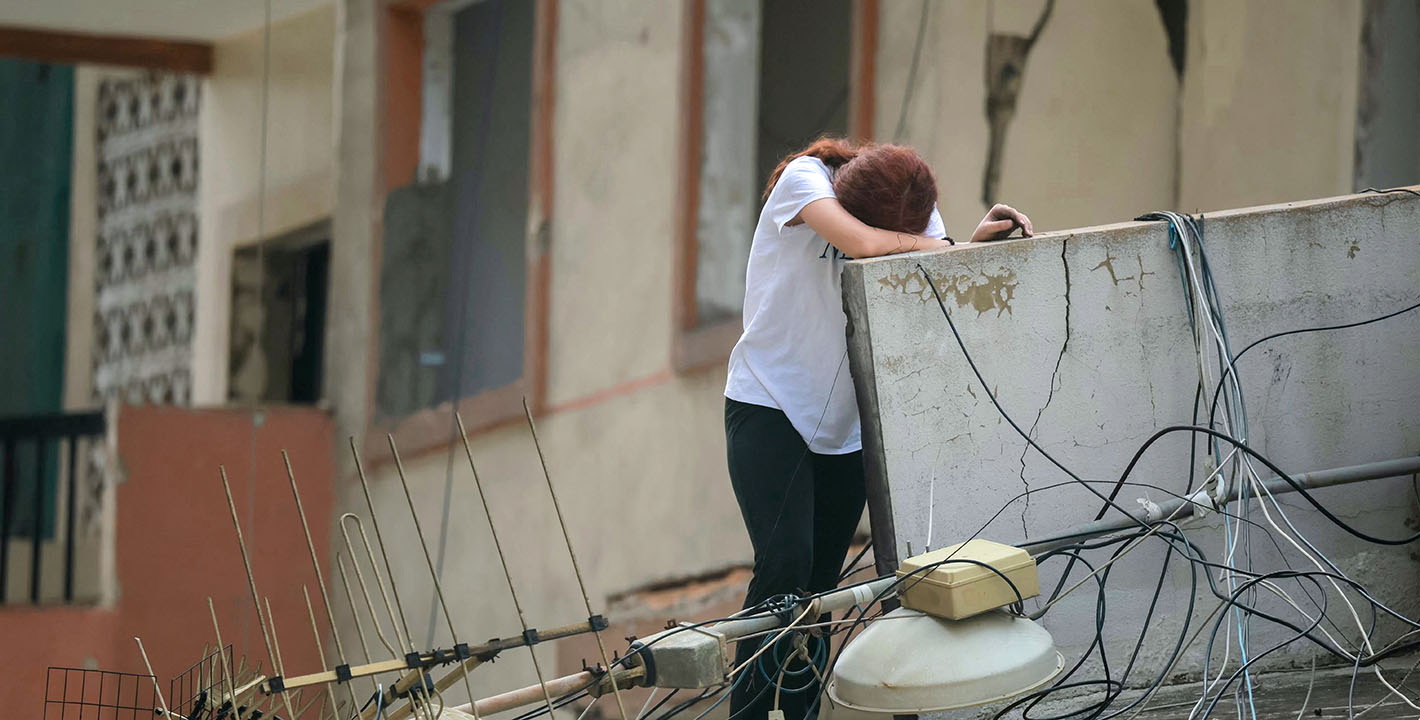
Unless Beirut lowers expectations, any setbacks will end up bolstering Hezbollah’s narrative.
Mohanad Hage Ali
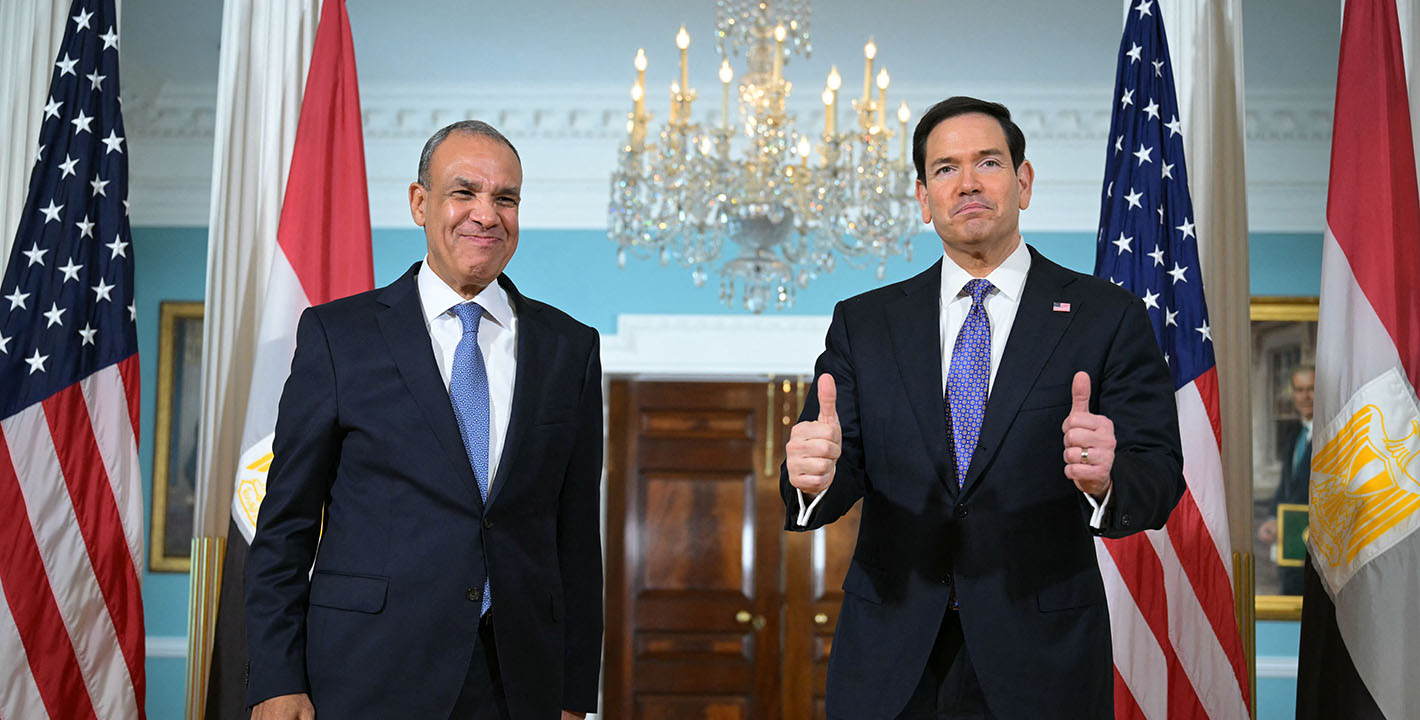
Cairo’s efforts send a message to the United States and the region that it still has a place at the diplomatic table.

Angie Omar