

Commentary
Azeema Cheema, Mohanad Hage Ali
{
  "authors": [
    "Mohanad Hage Ali"
  ],
  "type": "commentary",
  "blog": "Diwan",
  "centerAffiliationAll": "dc",
  "centers": [
    "Carnegie Endowment for International Peace",
    "Malcolm H. Kerr Carnegie Middle East Center"
  ],
  "collections": [
    "Three Question Time"
  ],
  "englishNewsletterAll": "menaTransitions",
  "nonEnglishNewsletterAll": "",
  "primaryCenter": "Malcolm H. Kerr Carnegie Middle East Center",
  "programAffiliation": "MEP",
  "programs": [
    "Middle East"
  ],
  "projects": [],
  "regions": [
    "Gulf",
    "Levant",
    "North Africa",
    "Yemen",
    "Syria",
    "Middle East"
  ],
  "topics": [
    "Political Reform",
    "Economy"
  ]
}
Source: Getty
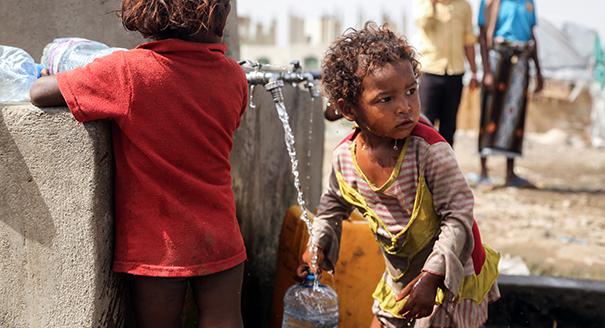
In an interview, Chris Cormency discusses the serious consequences of water scarcity in the Middle East.
Chris Cormency is chief of water, sanitation and hygiene (WASH) at the United Nations Children’s Fund (UNICEF). Cormency has long been following the water scarcity situation in the Middle East and Africa very closely, and in May 2021 he contributed to a discussion paper for UNICEF titled “The Ripple Effect of Cash-Based Programming on WASH Services in Informal Settlements in Lebanon.” In August 2021, he published a report for UNICEF on “The Impact of Water Scarcity on Children in the Middle East and North Africa.” Diwan interviewed Cormency for the occasion of World Water Day, on March 22. Readers can also read the long interview with Olivia Lazard from November 2020, in which she discusses how climate change will affect the Middle East, here.

Deputy Director for Research, Malcolm H. Kerr Carnegie Middle East Center
Mohanad Hage Ali is the deputy director for research at the Malcolm H. Kerr Carnegie Middle East Center.
Recent Work

Azeema Cheema, Mohanad Hage Ali
Mohanad Hage Ali
Carnegie does not take institutional positions on public policy issues; the views represented herein are those of the author(s) and do not necessarily reflect the views of Carnegie, its staff, or its trustees.

As the U.S. stumbles in its war with Iran, we are likely to see an acceleration of its disengagement from the region.

Michael Young
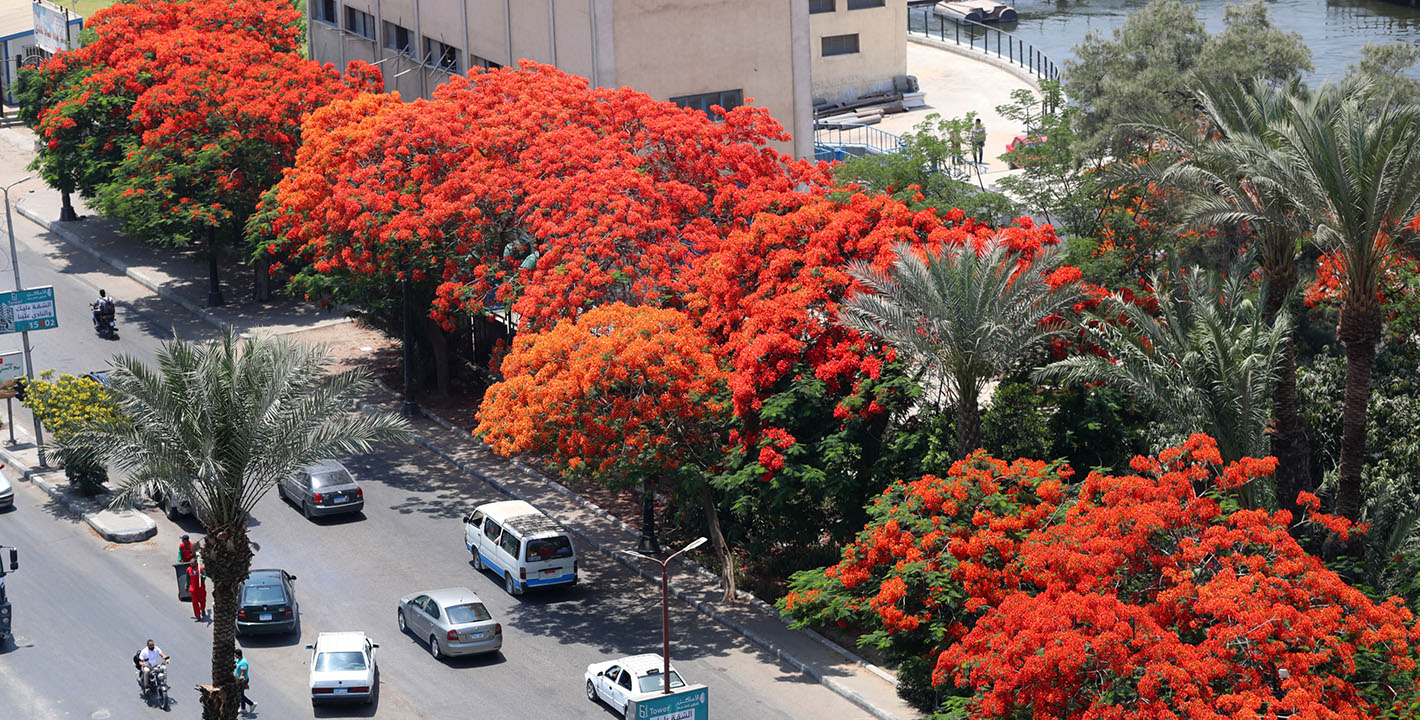
In Egypt’s dense cities, the disappearance of foliage has health implications and punishes daily commuters.

Angie Omar
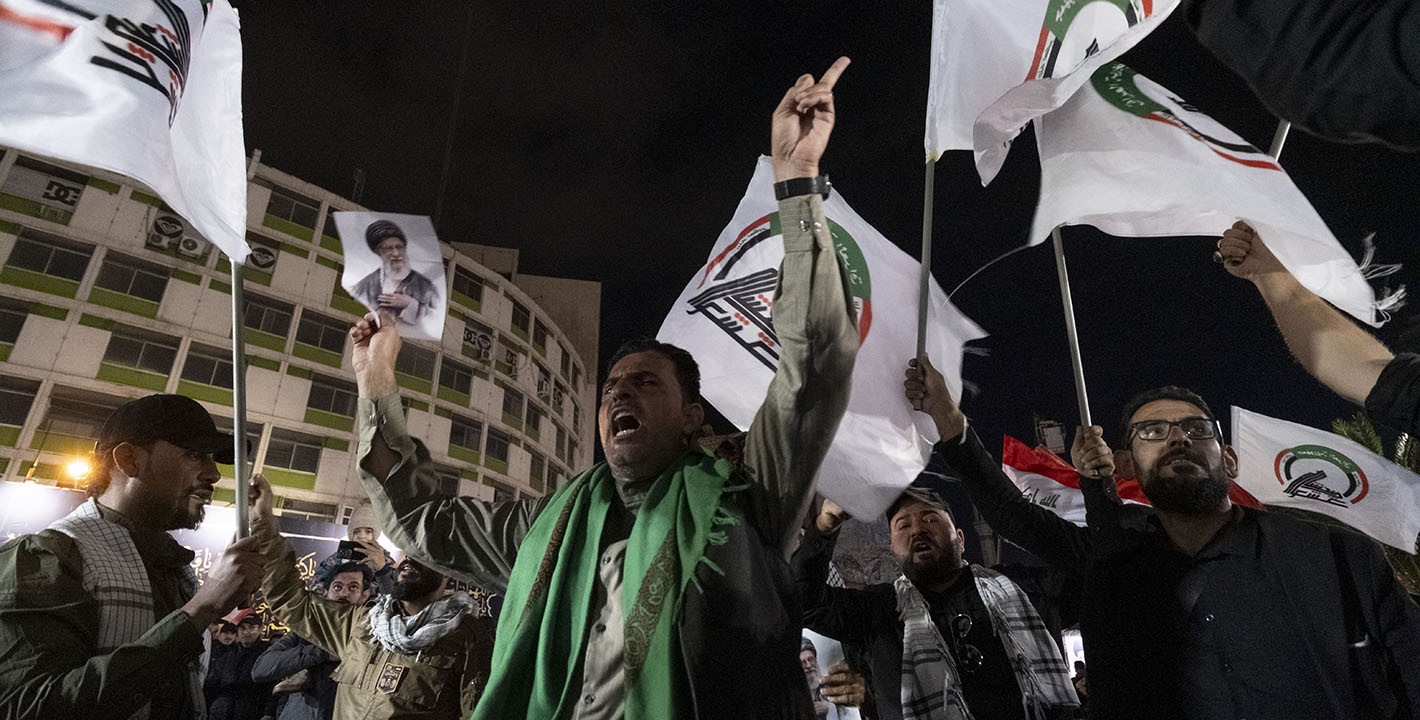
The Zaidi government’s objective to collect weapons is constrained by regional conflict, but it can take certain measures at home.
Ali Al-Mawlawi

Huawei pushed hard to enter the Egyptian data centers market, until the Americans made a better offer.
Angie Omar

Middle Eastern states should welcome an accelerated U.S. disengagement from their region.
Michael Young