

Commentary
It is improbable that Israel’s forthcoming elections will alter much in terms of how the country thinks about security.
Nathan J. Brown
{
  "authors": [
    "Ghida Tayara"
  ],
  "type": "commentary",
  "blog": "Diwan",
  "centerAffiliationAll": "",
  "centers": [
    "Carnegie Endowment for International Peace",
    "Malcolm H. Kerr Carnegie Middle East Center"
  ],
  "collections": [
    "Three Question Time"
  ],
  "englishNewsletterAll": "",
  "nonEnglishNewsletterAll": "",
  "primaryCenter": "Malcolm H. Kerr Carnegie Middle East Center",
  "programAffiliation": "",
  "programs": [],
  "projects": [],
  "regions": [
    "Lebanon",
    "Israel"
  ],
  "topics": []
}
Source: Getty
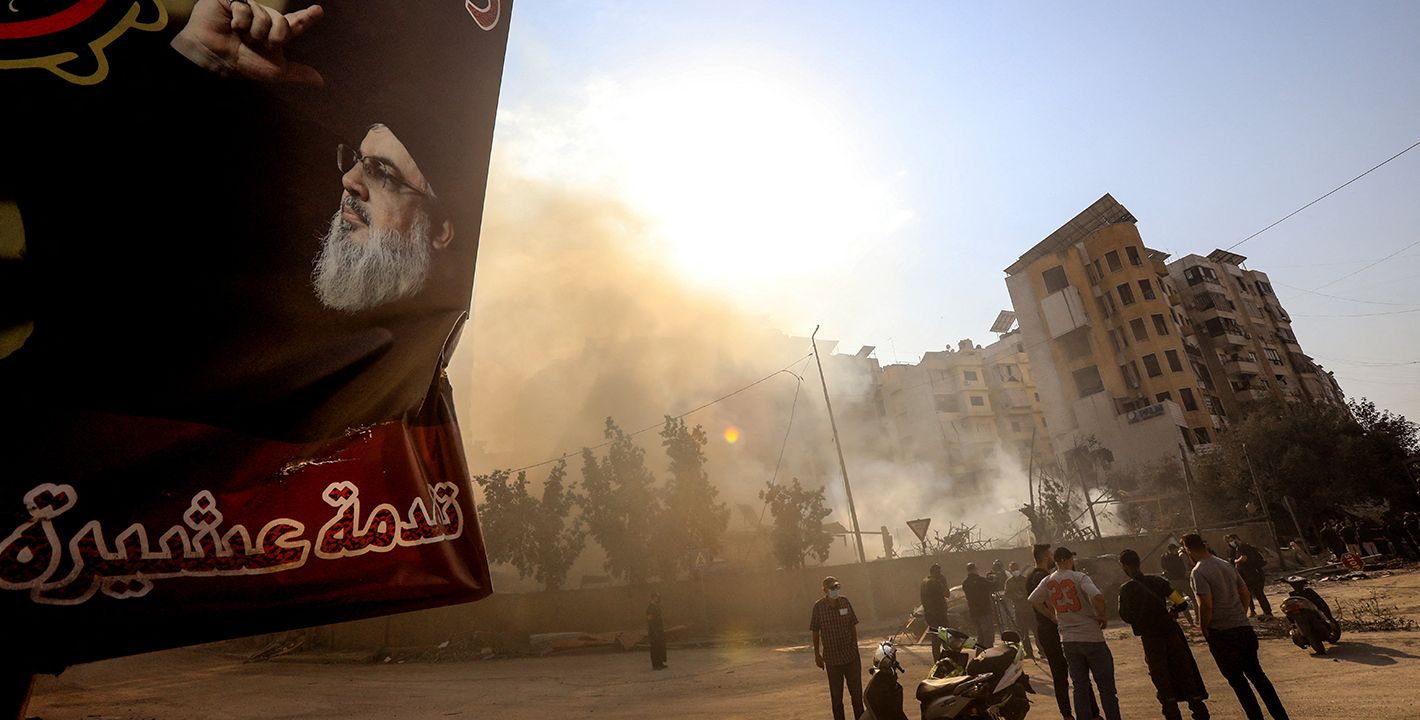
In an interview, Mohanad Hage Ali discusses the devastating impact of Israel’s ongoing attacks in Lebanon.
Invalid video URL
Mohanad Hage Ali is the deputy director for research at the Malcolm H. Kerr Carnegie Middle East Center in Beirut where his work focuses on the shifting geopolitics and Islamist groups after the Arab uprisings. Hage Ali is from south Lebanon and wrote his doctoral dissertation on Hezbollah, later published as a book, titled Nationalism, Transnationalism, and Political Islam: Hizbullah's Institutional Identity (Palgrave Macmillan, 2018). Diwan interviewed him in late October to get his perspective on the ongoing war in Lebanon, as large segments of the country, particularly areas of Shiite concentration, have been devastated by Israeli bombing.
Ghida Tayara
Senior Digital and Web Coordinator

It is improbable that Israel’s forthcoming elections will alter much in terms of how the country thinks about security.

Nathan J. Brown
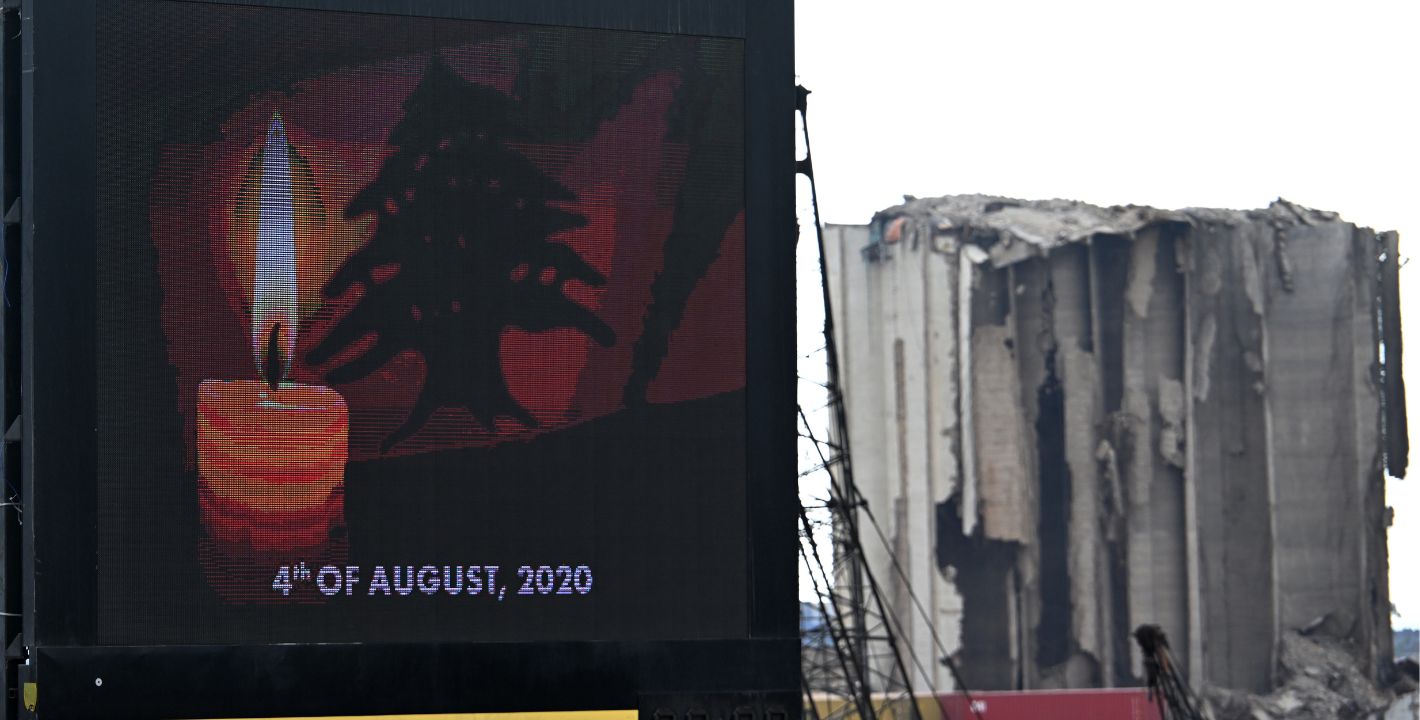
Lying at the heart of Lebanon’s dysfunction is an inability to secure accountability and institutional legitimacy.

Maha Yahya
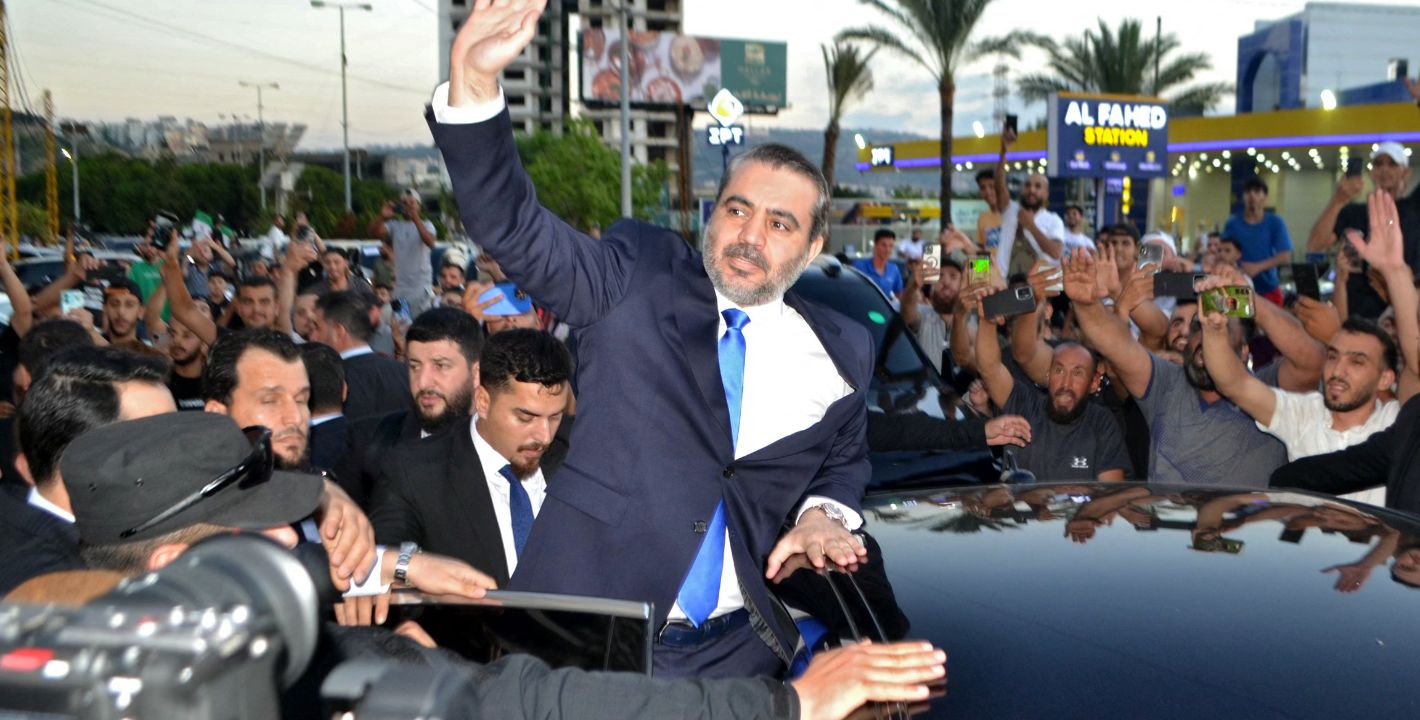
In an interview, Sohaib Jawhar analyzes the profound changes in the ties between the neighboring countries.

Michael Young

By failing to address Palestinian representation, the current process is bound to lead to just another temporary arrangement.
Nathan J. Brown
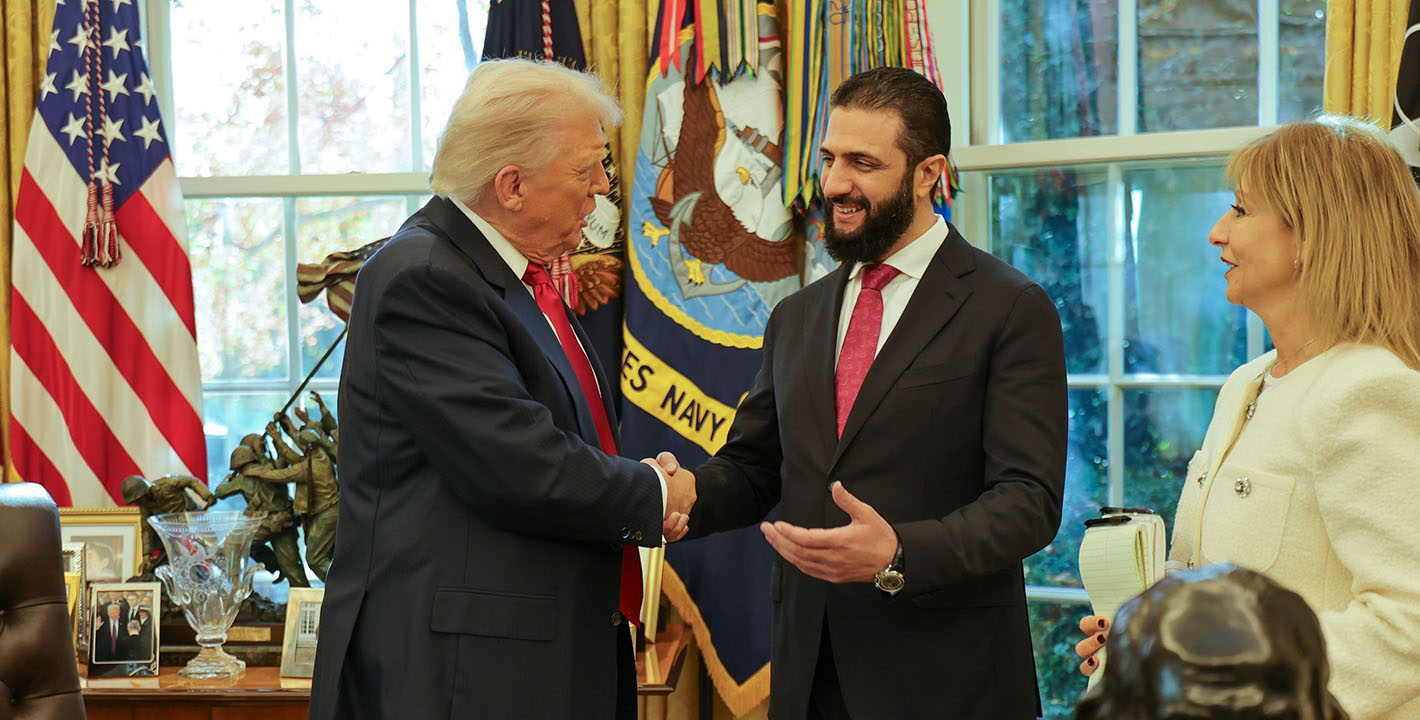
Any move by the United States to make good on Trump’s suggestion that Washington persuade Damascus to confront Hezbollah militarily would have catastrophic consequences.

Kheder Khaddour