

Commentary
In an interview, Sohaib Jawhar analyzes the profound changes in the ties between the neighboring countries.
Michael Young
{
  "authors": [
    "Ghida Tayara",
    "Jasmine Khelil"
  ],
  "type": "commentary",
  "blog": "Diwan",
  "centerAffiliationAll": "",
  "centers": [
    "Carnegie Endowment for International Peace",
    "Malcolm H. Kerr Carnegie Middle East Center"
  ],
  "collections": [
    "Three Question Time",
    "Syria in a New Era"
  ],
  "englishNewsletterAll": "",
  "nonEnglishNewsletterAll": "",
  "primaryCenter": "Malcolm H. Kerr Carnegie Middle East Center",
  "programAffiliation": "",
  "programs": [],
  "projects": [],
  "regions": [
    "Syria"
  ],
  "topics": []
}
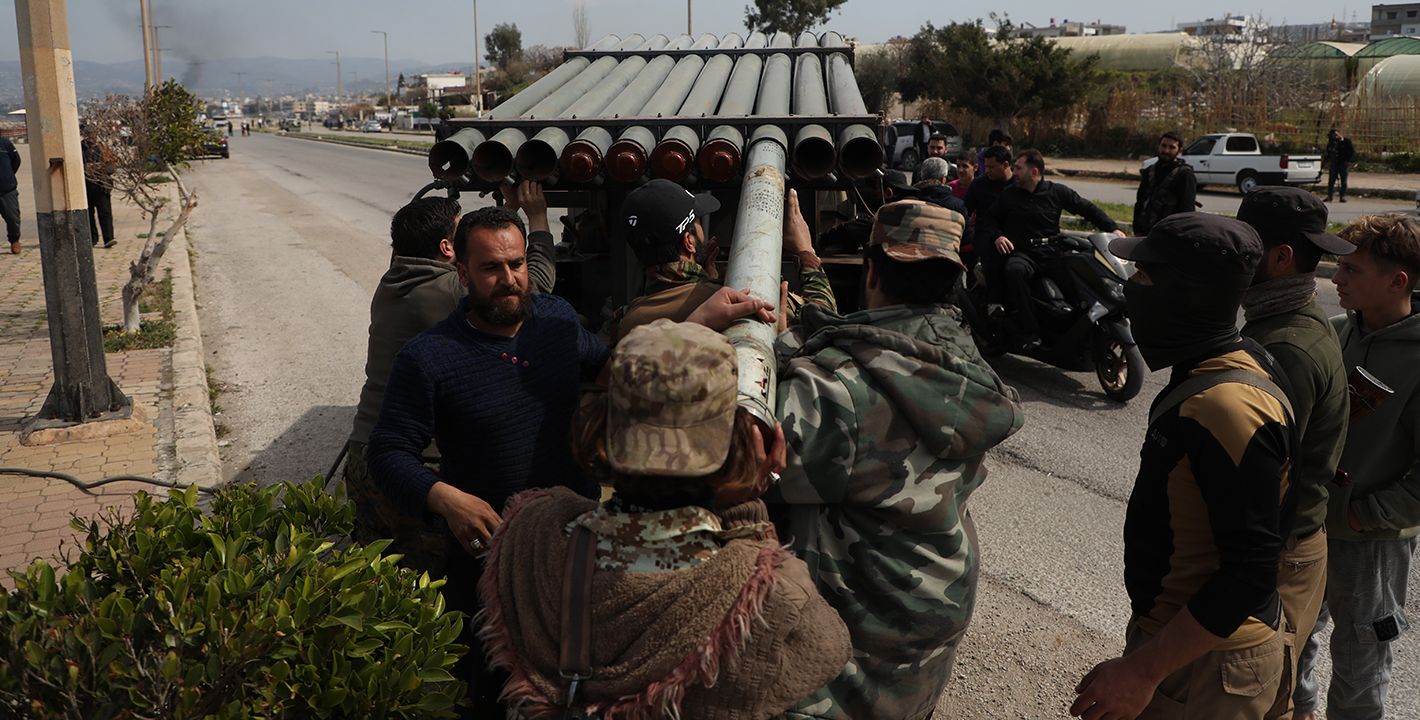
Source: Getty
In an interview, Mohanad Hage Ali looks at the many challenges the new leadership in Damascus faces.
Invalid video URL
Mohanad Hage Ali is the deputy director for research at the Malcolm H. Kerr Carnegie Middle East Center in Beirut, where his work focuses on the shifting geopolitics and Islamist groups after the Arab uprisings. Hage Ali has long been following developments in Syria, and Diwan interviewed him in early March to get his perspective on the situation in the country, particularly the growing tensions between the new leadership in Damascus and Syrian minority communities, as well as Israel’s intentions in Syria.
Ghida Tayara
Senior Digital and Web Coordinator
Jasmine Khelil
Carnegie does not take institutional positions on public policy issues; the views represented herein are those of the author(s) and do not necessarily reflect the views of Carnegie, its staff, or its trustees.
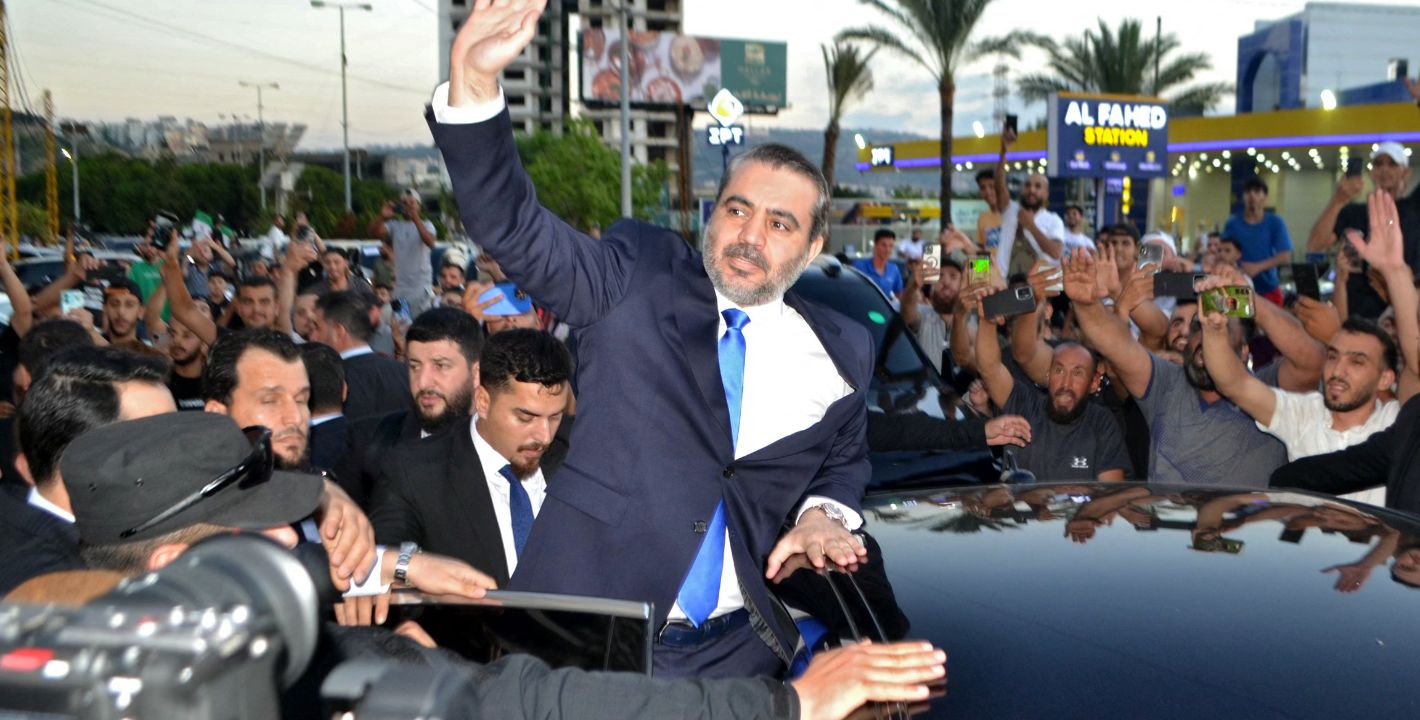
In an interview, Sohaib Jawhar analyzes the profound changes in the ties between the neighboring countries.

Michael Young
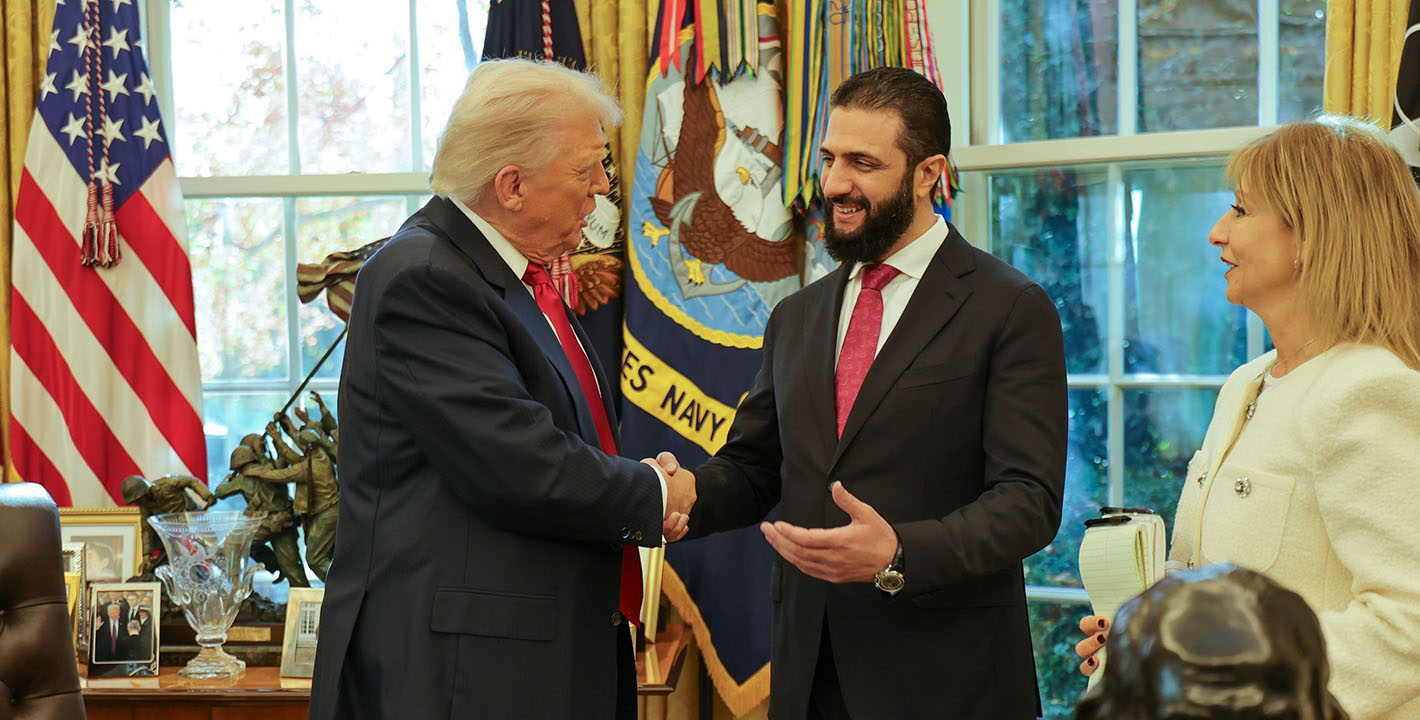
Any move by the United States to make good on Trump’s suggestion that Washington persuade Damascus to confront Hezbollah militarily would have catastrophic consequences.

Kheder Khaddour
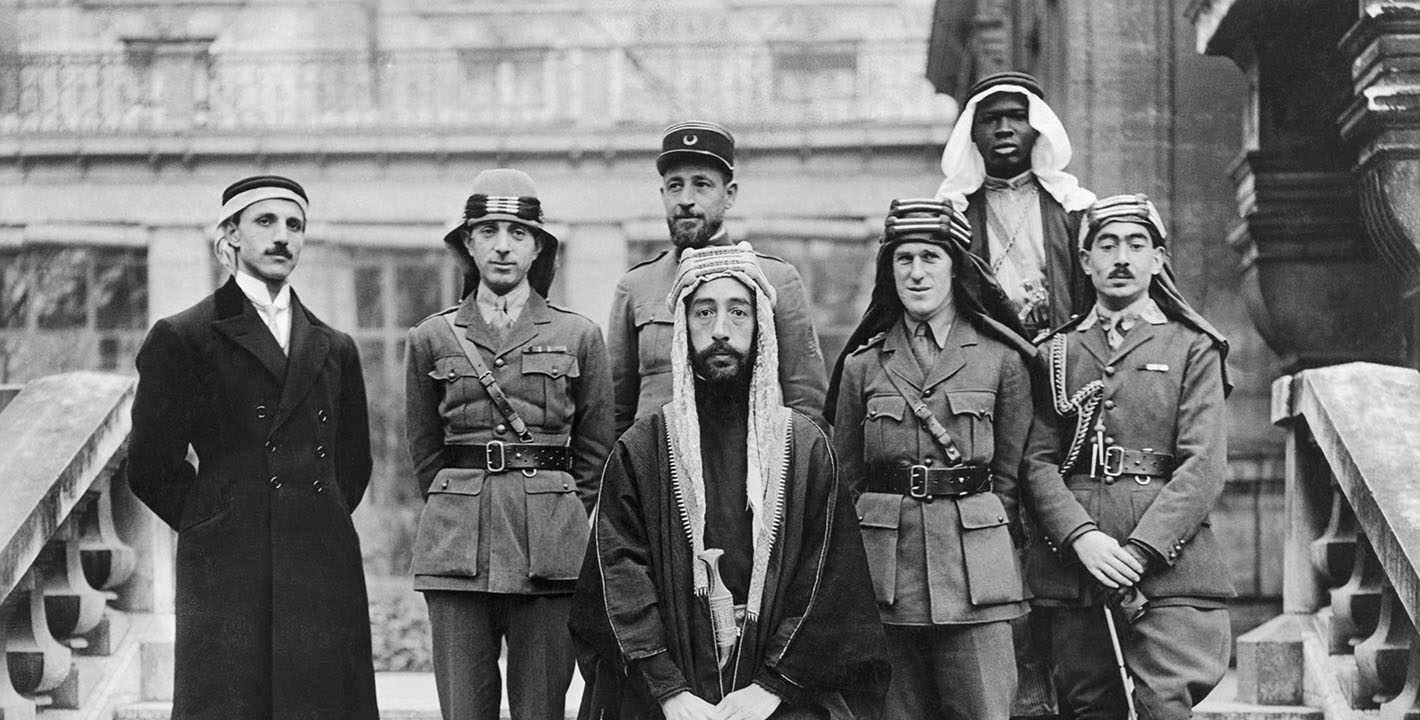
In an interview, Elizabeth Thompson recalls how the country formulated a liberal constitution in 1920, before being denied by France and Britain.
Michael Young
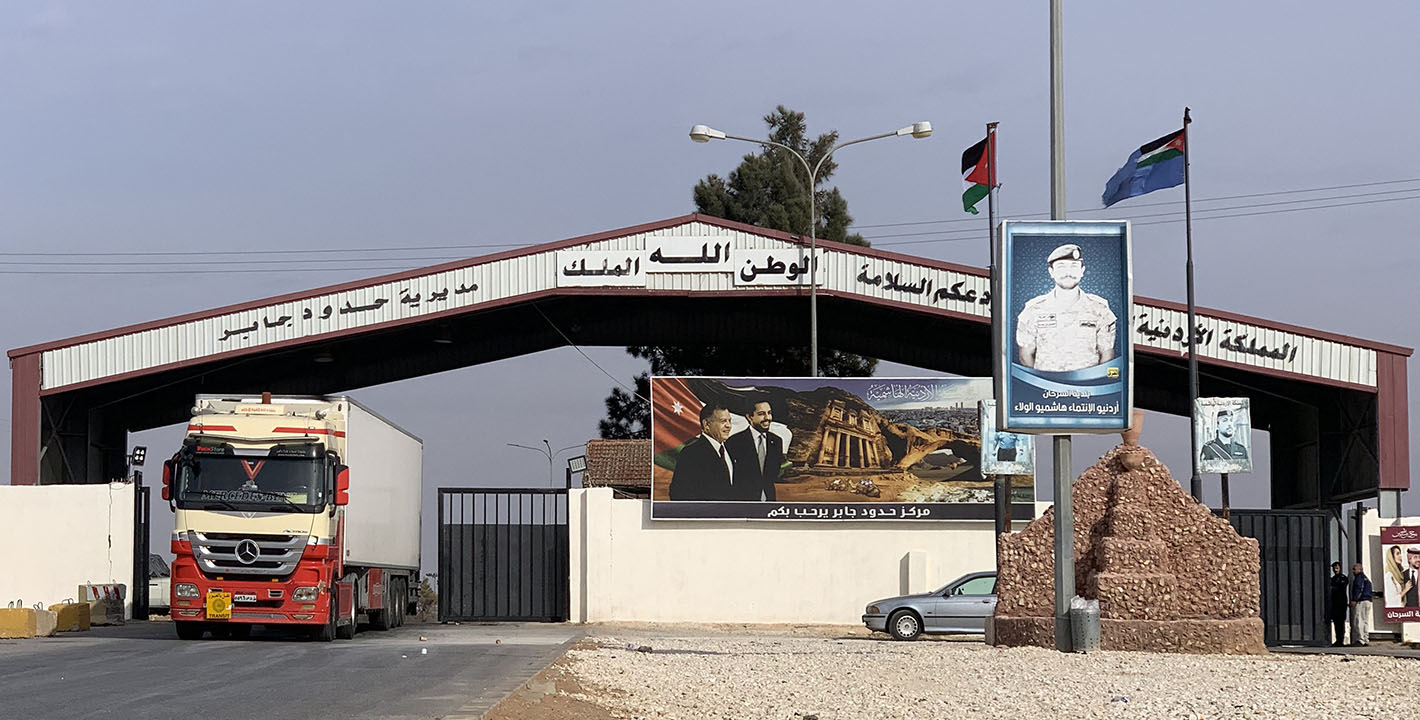
Trade statistics show why Amman has more reason than Damascus to welcome the improvement in bilateral commerce.

Armenak Tokmajyan
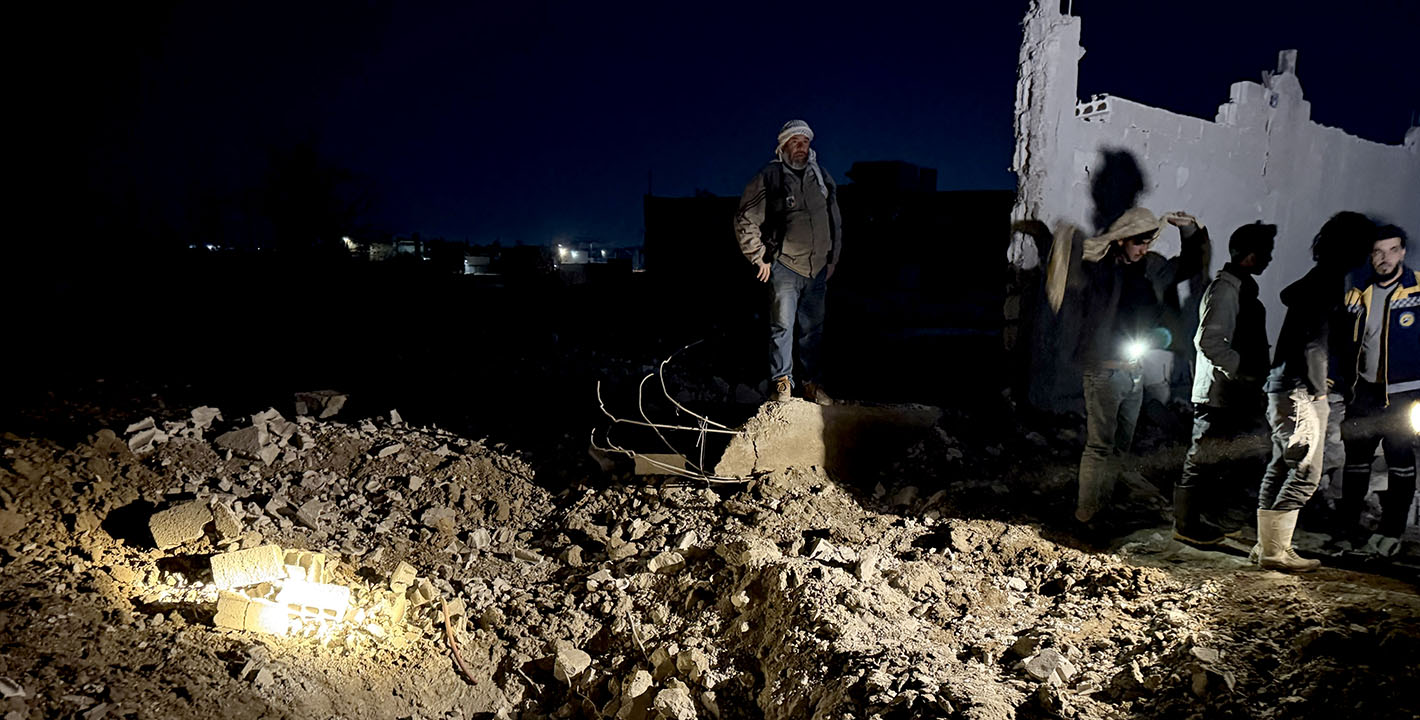
In an interview, Kheder Khaddour explains that Damascus is trying to stabilize its borders, but avoiding war isn’t guaranteed.
Michael Young