

{
  "authors": [
    "Jamie Shea",
    "Brendan Simms",
    "Jan Techau"
  ],
  "type": "event",
  "centerAffiliationAll": "",
  "centers": [
    "Carnegie Endowment for International Peace",
    "Carnegie Europe"
  ],
  "collections": [
    "Transatlantic Cooperation"
  ],
  "englishNewsletterAll": "",
  "nonEnglishNewsletterAll": "",
  "primaryCenter": "Carnegie Europe",
  "programAffiliation": "",
  "programs": [],
  "projects": [],
  "regions": [
    "Europe"
  ],
  "topics": [
    "Foreign Policy",
    "Security"
  ]
}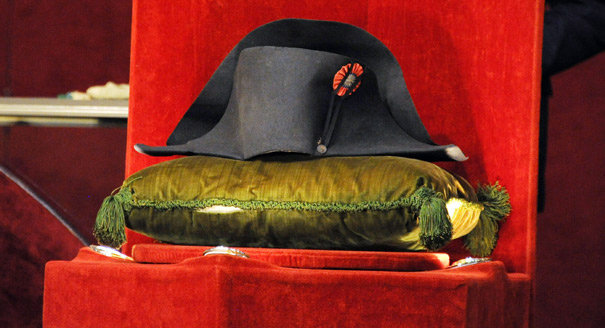
The Battle of Waterloo, Two Hundred Years Later
Tue, January 20th, 2015
Brussels
On June 18, 1815, in a small village outside Brussels, the Battle of Waterloo shaped the course of European history. Fought in less than twelve hours, the battle led to more than just an allied victory over Napoleon’s French army—it marked the end of an era of Bonapartist tyranny in Europe and ushered in almost half a century of continental peace.
In Carnegie Europe’s season opener, Brendan Simms, Cambridge University historian and author of The Longest Afternoon: The 400 Men Who Decided the Battle of Waterloo, Jamie Shea, NATO’s deputy assistant secretary-general for emerging security challenges, and Jan Techau, director of Carnegie Europe, discussed this historic turning point in European history, assessed its value for today’s strategy debate, and tried to glimpse into Europe’s future in light of one of the most important dates of remembrance in 2015.
Jamie Shea
Jamie Shea is deputy assistant secretary-general for emerging security challenges at NATO.
Brendan Simms
Brendan Simms is professor in the history of international relations at the University of Cambridge.
Jan Techau
Jan Techau is the director of Carnegie Europe.
Carnegie does not take institutional positions on public policy issues; the views represented herein are those of the author(s) and do not necessarily reflect the views of Carnegie, its staff, or its trustees.
Event Speakers
Jamie Shea
Jamie Shea is an associate fellow in the International Security Department at Chatham House and a professor of strategy and security at the University of Exeter. He was a NATO official for nearly four decades.
Brendan Simms
Director, Europe Team, Eurasia Group
Techau is director with Eurasia Group's Europe team, covering Germany and European security from Berlin. Previously, he was director of Carnegie Europe.