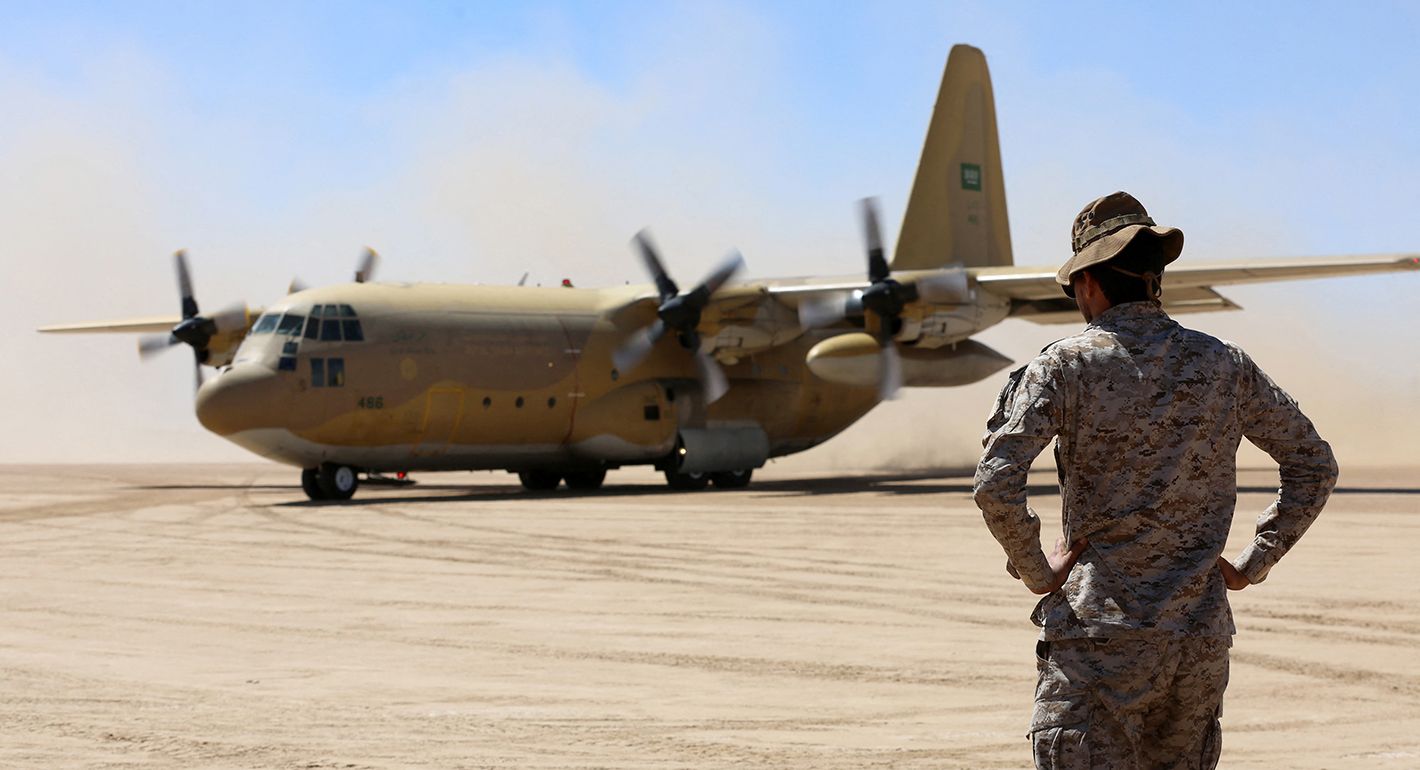
Gulf states such as Saudi Arabia and the UAE have determined that their national security goes beyond their physical borders. It is just as important to shield their airspace, territorial waters, and even maritime trade routes.
Abdullah Baabood
{
"authors": [],
"type": "legacyinthemedia",
"centerAffiliationAll": "dc",
"centers": [
"Carnegie Endowment for International Peace"
],
"collections": [],
"englishNewsletterAll": "ctw",
"nonEnglishNewsletterAll": "",
"primaryCenter": "Carnegie Endowment for International Peace",
"programAffiliation": "NPP",
"programs": [
"Nuclear Policy"
],
"projects": [],
"regions": [],
"topics": [
"Military",
"Nuclear Policy"
]
}REQUIRED IMAGE
Source: Carnegie
Carnegie does not take institutional positions on public policy issues; the views represented herein are those of the author(s) and do not necessarily reflect the views of Carnegie, its staff, or its trustees.
Gulf states such as Saudi Arabia and the UAE have determined that their national security goes beyond their physical borders. It is just as important to shield their airspace, territorial waters, and even maritime trade routes.
Abdullah Baabood
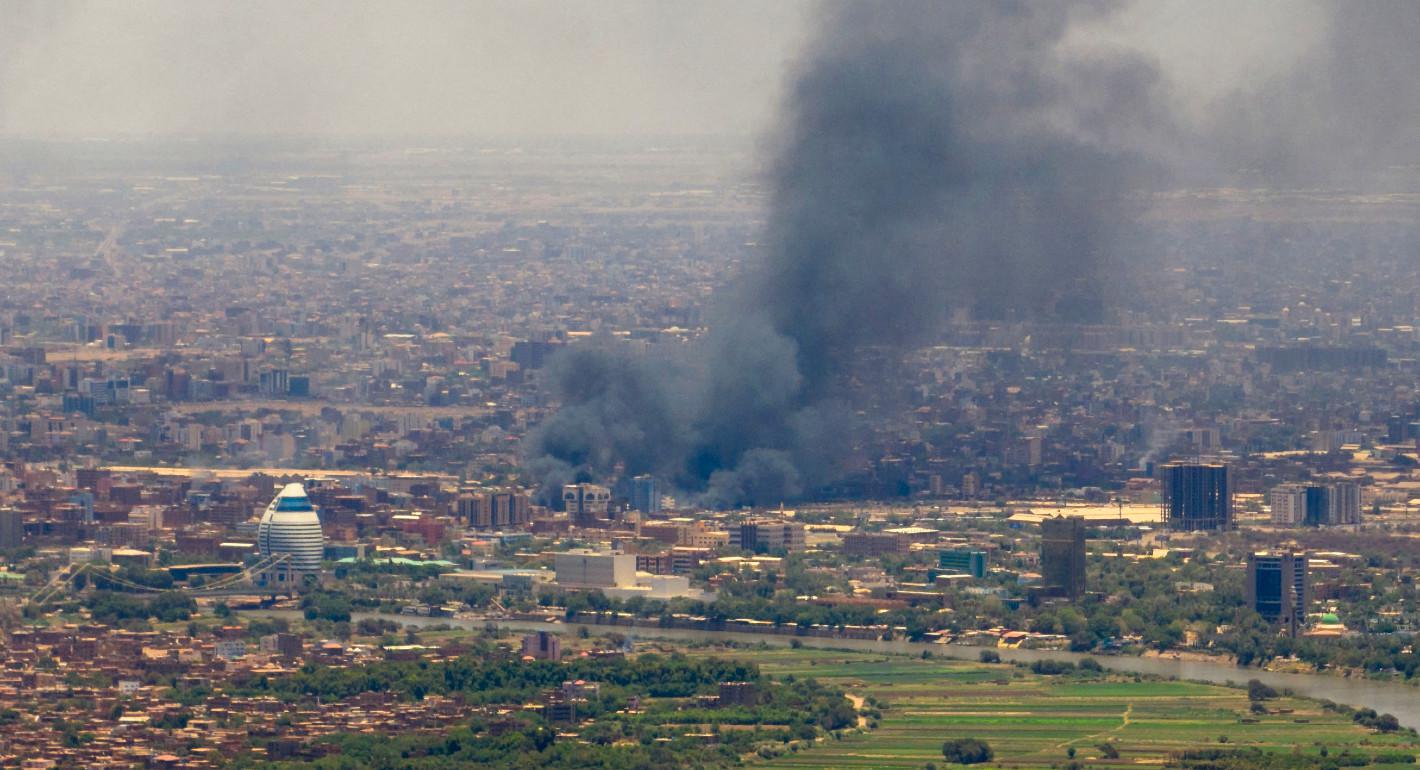
After the latest outbreak of violence, the country’s transition to democracy appears to be a pipedream.
Amr Hamzawy
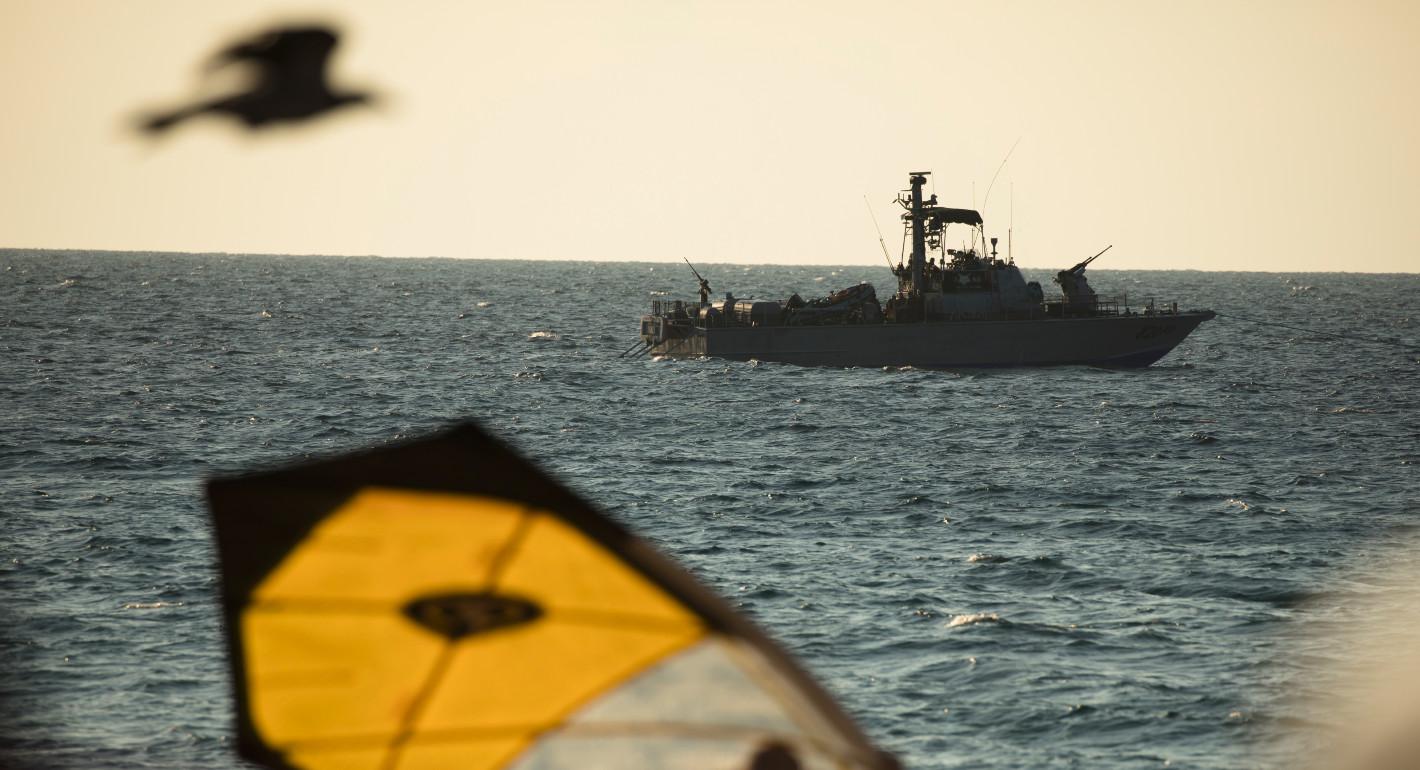
The landmark agreement is far from a peace deal, but both countries now have vested economic interests in maintaining calm along their common border regions.
Maha Yahya
Both events also could force Washington to rethink or revive its Middle East partnerships.
Karim Sadjadpour
Disagreement between the United States and Iran over a revived nuclear accord may anchor volatile competition.
George Perkovich