

In The Media
Minxin Pei
{
  "authors": [
    "Minxin Pei"
  ],
  "type": "other",
  "centerAffiliationAll": "dc",
  "centers": [
    "Carnegie Endowment for International Peace"
  ],
  "collections": [],
  "englishNewsletterAll": "asia",
  "nonEnglishNewsletterAll": "",
  "primaryCenter": "Carnegie Endowment for International Peace",
  "programAffiliation": "AP",
  "programs": [
    "Asia",
    "Democracy, Conflict, and Governance"
  ],
  "projects": [],
  "regions": [
    "China"
  ],
  "topics": [
    "Political Reform",
    "Economy",
    "Trade",
    "Military"
  ]
}
REQUIRED IMAGE
Source: Carnegie
China's impending WTO entry will pose unprecedented economic and political challenges to the Chinese government. Initial adjustments to WTO entry are expected to increase the pains of reform and pressures on the government. U.S.-China relations could deteriorate as bilateral tensions over trade and human rights increase. Despite the long-term promises of WTO entry for China's economic and political reform, the Chinese government's ability to overcome these short-term difficulties is not assured because of the inherent weaknesses of the current Chinese political system and accumulated social and political stress in the Chinese society.
Click on link above for the full text of this Policy Brief.
About the Author
Minxin Pei, senior associate and codirector of the China Program, conducts research in Chinese politics, economic reform, East Asian politics, U.S. relations with East Asian countries, and democratization in developing countries.
Former Adjunct Senior Associate, Asia Program
Pei is Tom and Margot Pritzker ‘72 Professor of Government and the director of the Keck Center for International and Strategic Studies at Claremont McKenna College.
Recent Work
Minxin Pei
Minxin Pei
Carnegie does not take institutional positions on public policy issues; the views represented herein are those of the author(s) and do not necessarily reflect the views of Carnegie, its staff, or its trustees.

Huawei pushed hard to enter the Egyptian data centers market, until the Americans made a better offer.

Angie Omar

The armed forces champion a form of capitalism that is generating revenue, but its reliance on rent faces diminishing returns, leaving the country with massive sunk costs and deferred returns, deepening dependency on external borrowing.

Yezid Sayigh

Morocco and Algeria, each in its own way, are having to navigate the global economic fallout of the U.S.-Israeli military campaign against Iran.

Yasmine Zarhloule
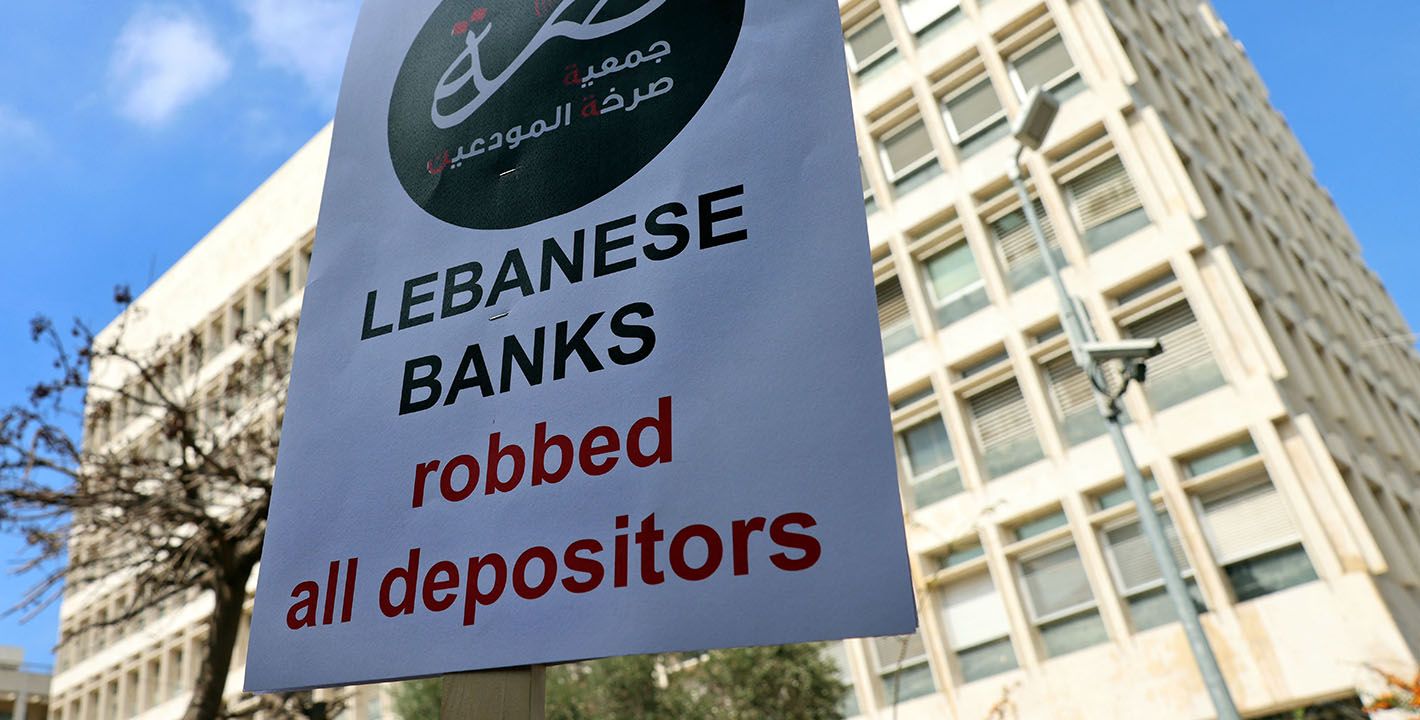
In an interview, Ishac Diwan looks at the merits and flaws in the draft legislation distributing losses from the financial collapse.

Michael Young
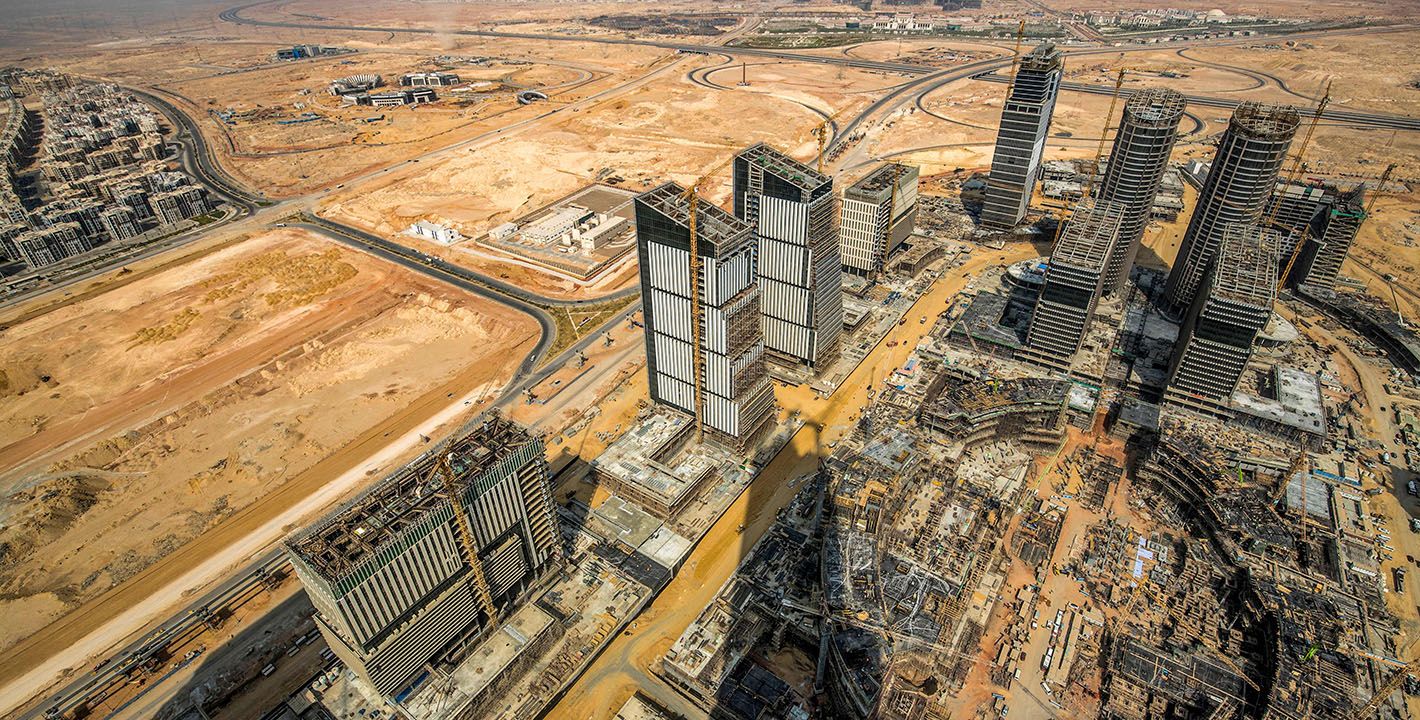
Mustaqbal Misr has expanded its portfolio with remarkable speed, but a lack of transparency remains.
Yezid Sayigh