

Q&A
John Hewko
{
  "authors": [
    "John Hewko"
  ],
  "type": "legacyinthemedia",
  "centerAffiliationAll": "dc",
  "centers": [
    "Carnegie Endowment for International Peace"
  ],
  "collections": [],
  "englishNewsletterAll": "democracy",
  "nonEnglishNewsletterAll": "",
  "primaryCenter": "Carnegie Endowment for International Peace",
  "programAffiliation": "DCG",
  "programs": [
    "Democracy, Conflict, and Governance"
  ],
  "projects": [],
  "regions": [],
  "topics": [
    "Democracy"
  ]
}
REQUIRED IMAGE
Source: Carnegie
Originally published in The Wall Street Journal, a Dow Jones company, on June 5, 2002
Beyond the glitz, the sound bites and MTV cameras, the tour of Africa by Bono and Treasury Secretary O?Neill ("Treasury Secretary Lets ?Silver Bullets? Fly," May 29) represents a golden opportunity to forge a public-private partnership to address poverty and under-development abroad. Although Mr. O?Neill is correct when he condemns the waste that has characterized aid programs in the past and demands results and accountability, Bono makes a valid point when he argues that massive amounts of capital will be needed in order to solve Africa?s problems. Since the resources of the private sector dwarf those of any government or international aid group, only a concerted public-private effort will result in any meaningful change. Unfortunately, the international development community has failed to understand the immensely positive role investors can play, not only in basic economic development, but in areas such as legal and institutional reform. Non-governmental organizations and development activists often mistrust multinational corporations and see them as money-grubbers prowling the globe for cheap labor and natural resources to exploit. The private sector, in turn, has not traditionally considered itself a vital player in the quest to alleviate poverty and misery.
John Hewko, Visiting Scholar, Carnegie Endowment for International Peace Washington
Former Nonresident Senior Associate, Democracy and Rule of Law Program
Hewko was a nonresident senior associate with the Carnegie Endowment’s Democracy and Rule of Law Program. His research focuses on international development issues, democracy promotion, and the countries of the former Soviet Union.
Recent Work
John Hewko
Carnegie does not take institutional positions on public policy issues; the views represented herein are those of the author(s) and do not necessarily reflect the views of Carnegie, its staff, or its trustees.
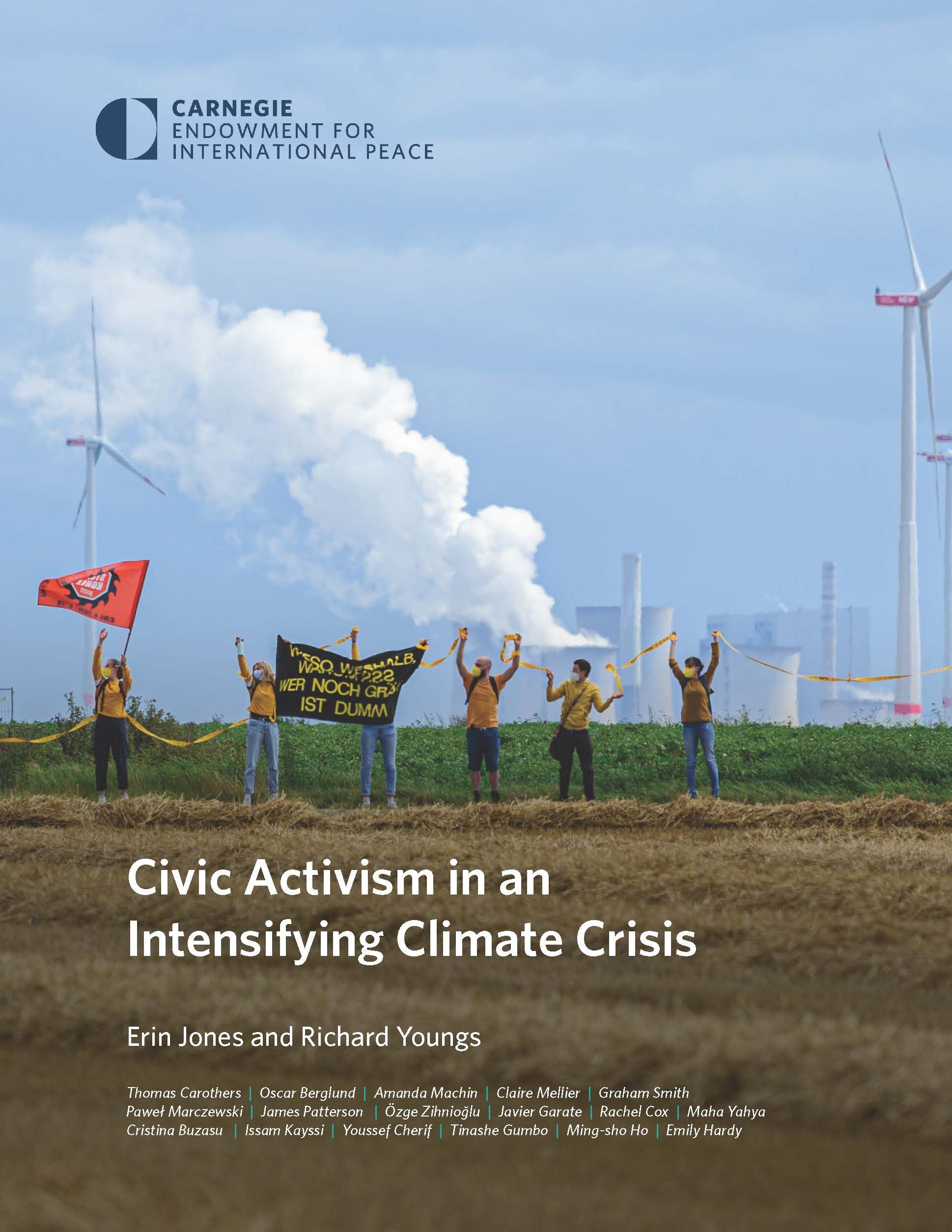
To address the deepening climate crisis, climate activism is employing a wider variety of tactics and aiming at a broader set of goals. In response, the movement faces stronger repression and civic backlash against climate action.

Erin Jones, Richard Youngs
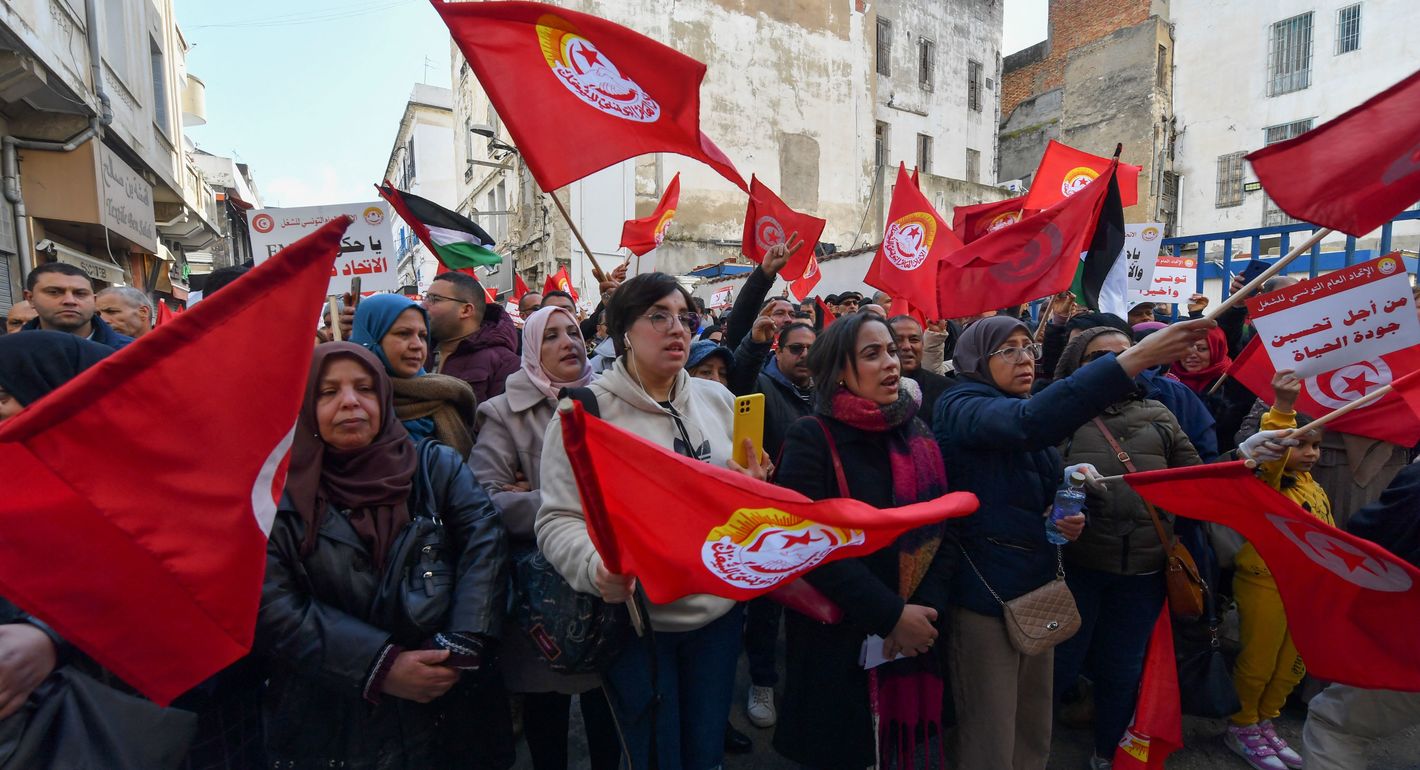
As members, organizers, and leaders, women continue to play an important role in the General Union of Tunisian Workers and advance its political advocacy.
Heba F El-Shazli

The emir has just put parliament and the constitution on the backburner, but for what purpose?

Nathan J. Brown
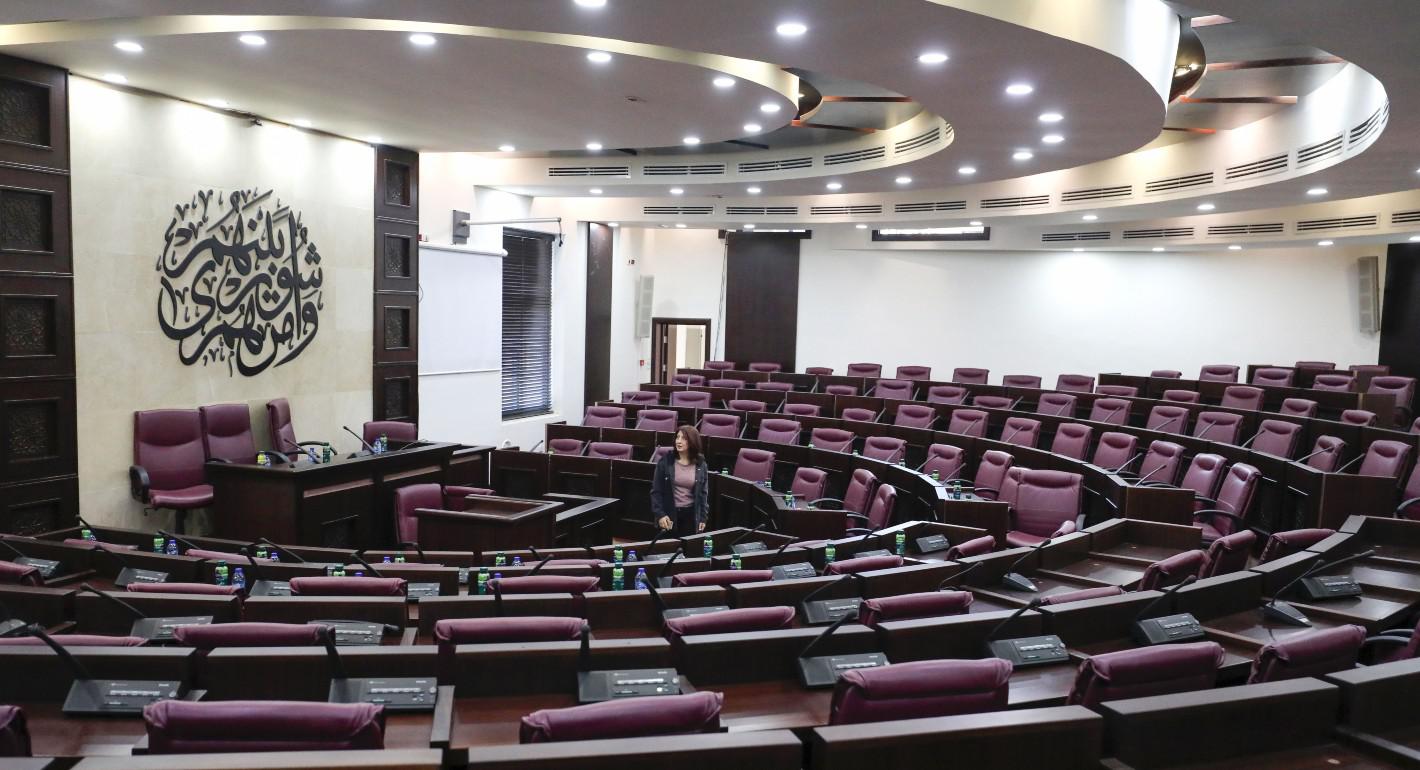
Despite the current fragmentation in leadership, Palestine could present itself as a national community under a set of authoritative institutions.

Nathan J. Brown, Sanaa Alsarghali
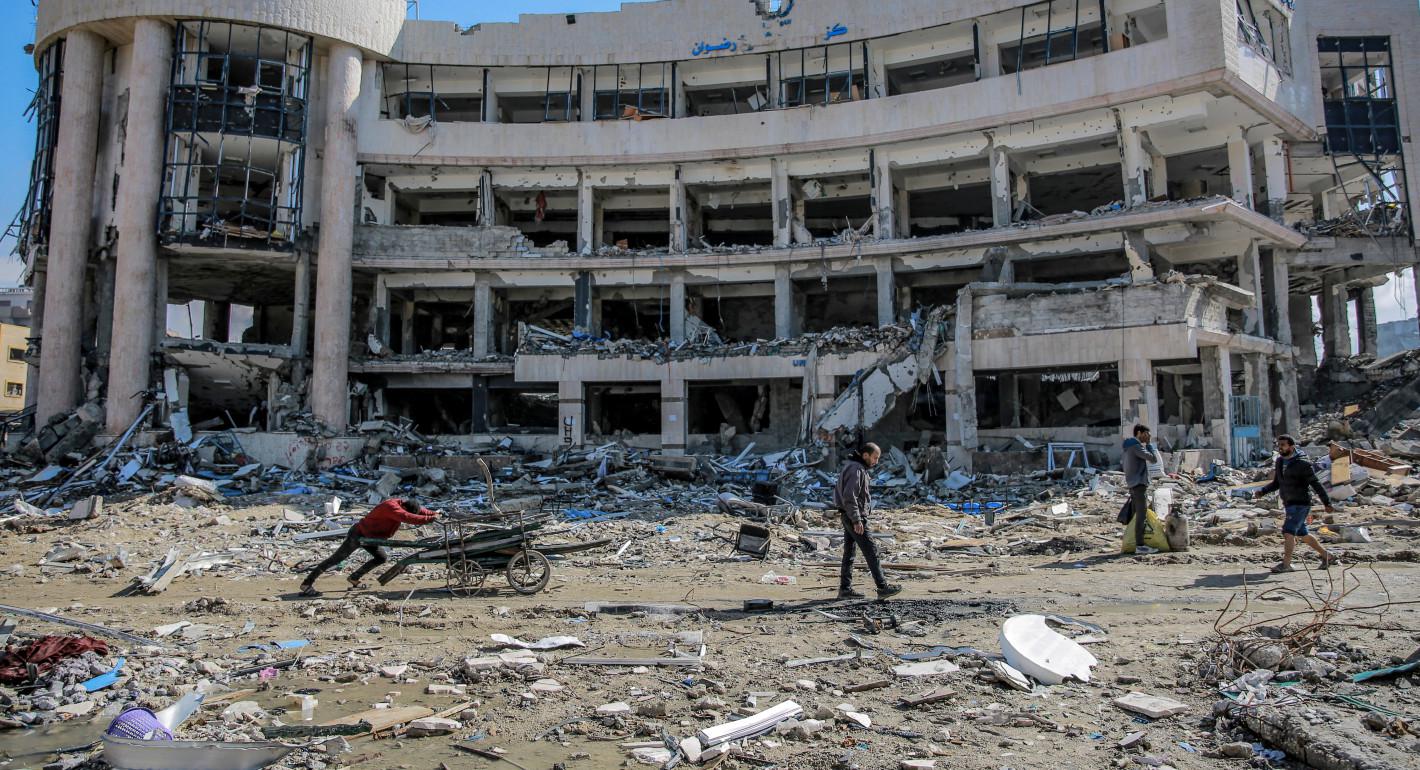
In the second of this four-part series, experts analyze Palestinian outlooks on what happens after the fighting abates.
Mkhaimar Abusada, Zaha Hassan, Sanaa Alsarghali, …