

Other
Fiona Hill, Anatol Lieven, Thomas de Waal
{
  "authors": [
    "Anatol Lieven"
  ],
  "type": "other",
  "centerAffiliationAll": "",
  "centers": [
    "Carnegie Endowment for International Peace"
  ],
  "collections": [],
  "englishNewsletterAll": "",
  "nonEnglishNewsletterAll": "",
  "primaryCenter": "Carnegie Endowment for International Peace",
  "programAffiliation": "",
  "programs": [],
  "projects": [],
  "regions": [
    "United States",
    "Iraq",
    "United Kingdom"
  ],
  "topics": [
    "Military",
    "Foreign Policy"
  ]
}
REQUIRED IMAGE
The Iraq War has drastically weakened Tony Blair's domestic position. If Washington forces Britain to choose between the United States and Europe, it may not choose the United States, and a collapse of the relationship with Britain would leave the United States without a single major Western ally. The consequences for U.S. power and influence in the world would be nothing short of disastrous.
The vital U.S. relationship with Britain is much more fragile than many Americans think. Thanks to the Bush administration policy on a range of issues, hostility to the United States among the British public is higher than it has been since the Vietnam War. Only the personal commitment and moral courage of Tony Blair made British participation in the Iraq War possible—and the result has been seriously to endanger his leadership at home.
Above all, Americans must understand that the strategy of this British government, and of the British foreign policy establishment in general, is to avoid having to make a definitive choice between Britain's alliance with the United States and its place in the European Union. If Washington forces Britain to choose between the two, it may not choose the United States, and a collapse of the relationship with Britain would leave the United States without a single major Western ally. The consequences for U.S. power and influence in the world would be nothing short of disastrous.
Click on link above for full text of this Policy Brief.
A limited number of print copies will be available.
Request a copy
About the Author
Anatol Lieven is senior associate in the Russian and Eurasian Program at the Carnegie Endowment. He is the coeditor of Ambivalent Neighbors: The EU, NATO and the Price of Membership and the author of several books including Chechnya: Tombstone of Russian Power.

Former Senior Associate
Recent Work

Fiona Hill, Anatol Lieven, Thomas de Waal

Marina Ottaway, Anatol Lieven
Carnegie does not take institutional positions on public policy issues; the views represented herein are those of the author(s) and do not necessarily reflect the views of Carnegie, its staff, or its trustees.
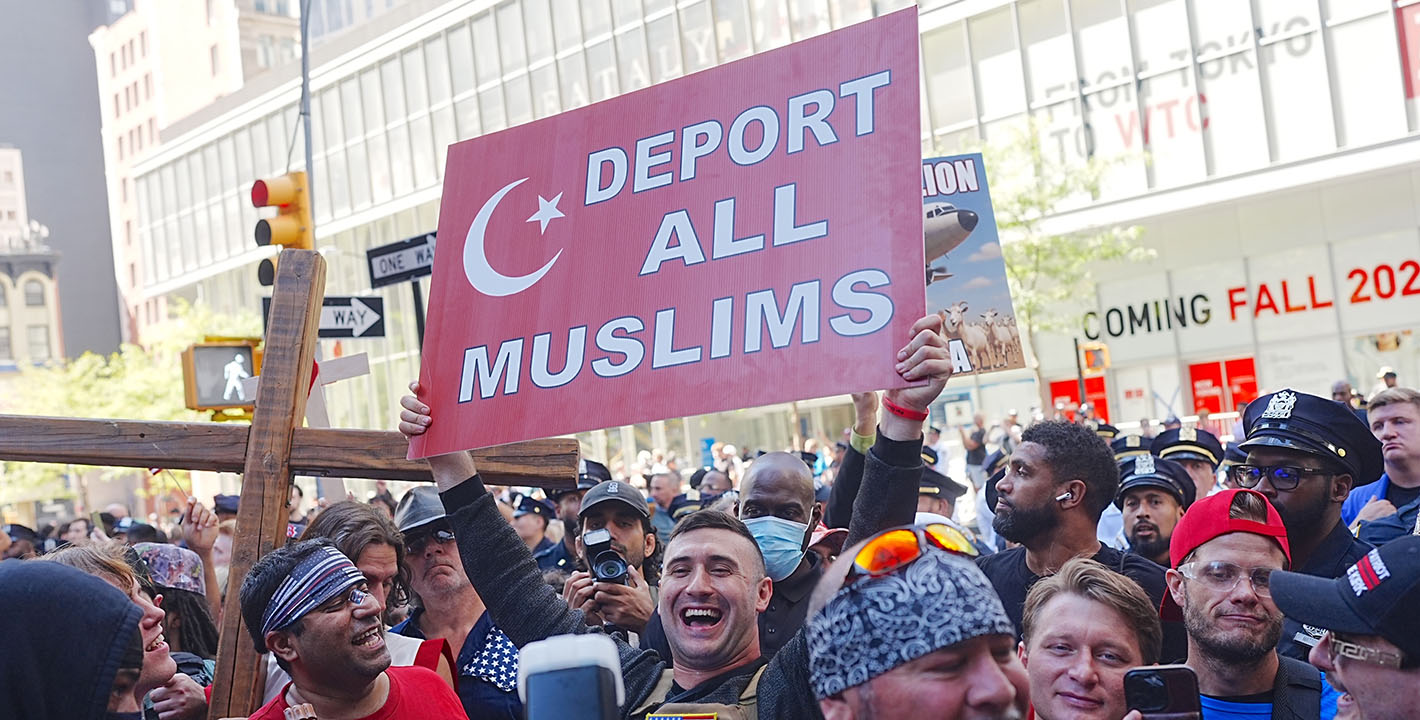
In an interview, Rozina Ali discusses her new book on the rise and manifestations of Islamophobia in the United States.

Michael Young
As the U.S.-led Coalition withdraws, the Kurds’ reliance on Baghdad, and on themselves, will only increase.
Wladimir van Wilgenburg

In an interview, Ian Lustick and Eli Clifton discuss their new book on why a prominent ally has so much influence in America.
Michael Young

As the U.S. stumbles in its war with Iran, we are likely to see an acceleration of its disengagement from the region.
Michael Young
The Zaidi government’s objective to collect weapons is constrained by regional conflict, but it can take certain measures at home.
Ali Al-Mawlawi