

Article
Dr. Albert Keidel
{
  "authors": [
    "Albert Keidel"
  ],
  "type": "legacyinthemedia",
  "centerAffiliationAll": "dc",
  "centers": [
    "Carnegie Endowment for International Peace"
  ],
  "collections": [],
  "englishNewsletterAll": "asia",
  "nonEnglishNewsletterAll": "",
  "primaryCenter": "Carnegie Endowment for International Peace",
  "programAffiliation": "AP",
  "programs": [
    "Asia"
  ],
  "projects": [],
  "regions": [
    "China"
  ],
  "topics": [
    "Economy",
    "Trade",
    "Military"
  ]
}
REQUIRED IMAGE
Source: Financial Times
Letter to the Editor
Sir, I was pleased to be interviewed for your article "A Dollar Dilemma," but I was disappointed to see that both it and the accompanying piece, "The Clock Ticks in Washington as Friends Drift Away," left the reader with an impression that everyone agrees that China is not practicing fair trade. In fact, like myself and a number of internationally more prominent economists, the World Bank, the International Monetary Fund, and the U.S. Treasury all agree that China's exchange rate does not provide an unfair trade advantage.
The piece relies heavily on quotes from U.S. Congressional sponsors of China sanctions legislation who are understandably concerned about the appearance that China has cost their constituents jobs and profits. It neglects differing views from other reputable sources outside China.
Albert Keidel, Senior Associate, Carnegie Endowment for International Peace
Former Senior Associate, China Program
Keidel served as acting director and deputy director for the Office of East Asian Nations at the U.S. Department of the Treasury. Before joining Treasury in 2001, he covered economic trends, system reforms, poverty, and country risk as a senior economist in the World Bank office in Beijing.
Recent Work
Dr. Albert Keidel
Dr. Albert Keidel

The armed forces champion a form of capitalism that is generating revenue, but its reliance on rent faces diminishing returns, leaving the country with massive sunk costs and deferred returns, deepening dependency on external borrowing.

Yezid Sayigh

Morocco and Algeria, each in its own way, are having to navigate the global economic fallout of the U.S.-Israeli military campaign against Iran.

Yasmine Zarhloule
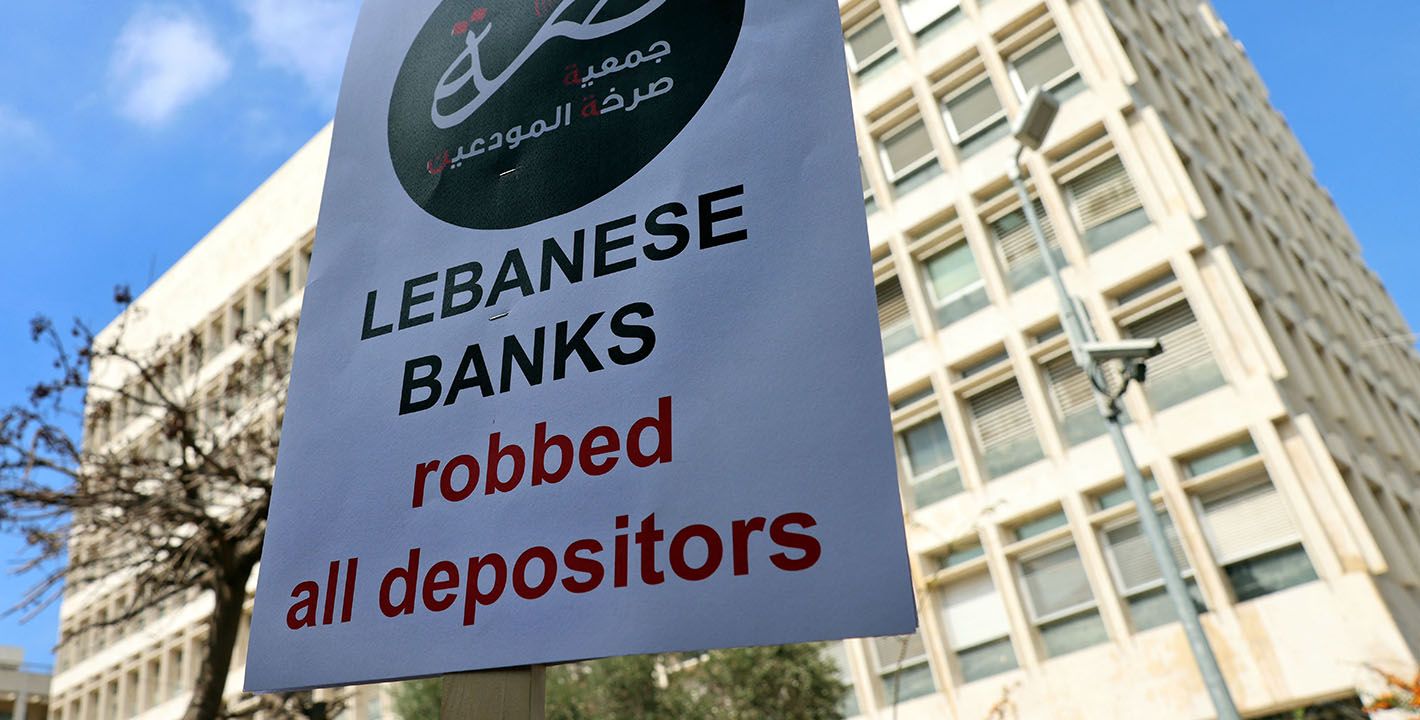
In an interview, Ishac Diwan looks at the merits and flaws in the draft legislation distributing losses from the financial collapse.

Michael Young
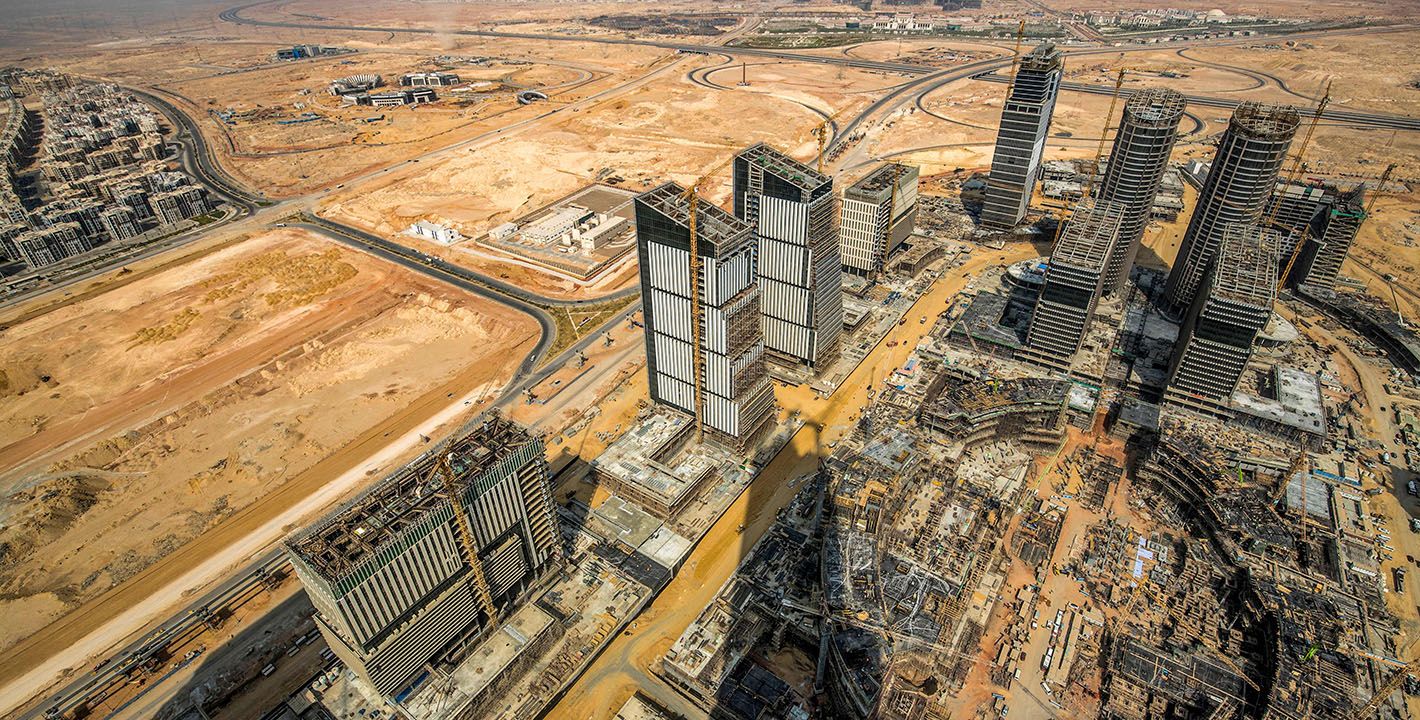
Mustaqbal Misr has expanded its portfolio with remarkable speed, but a lack of transparency remains.
Yezid Sayigh
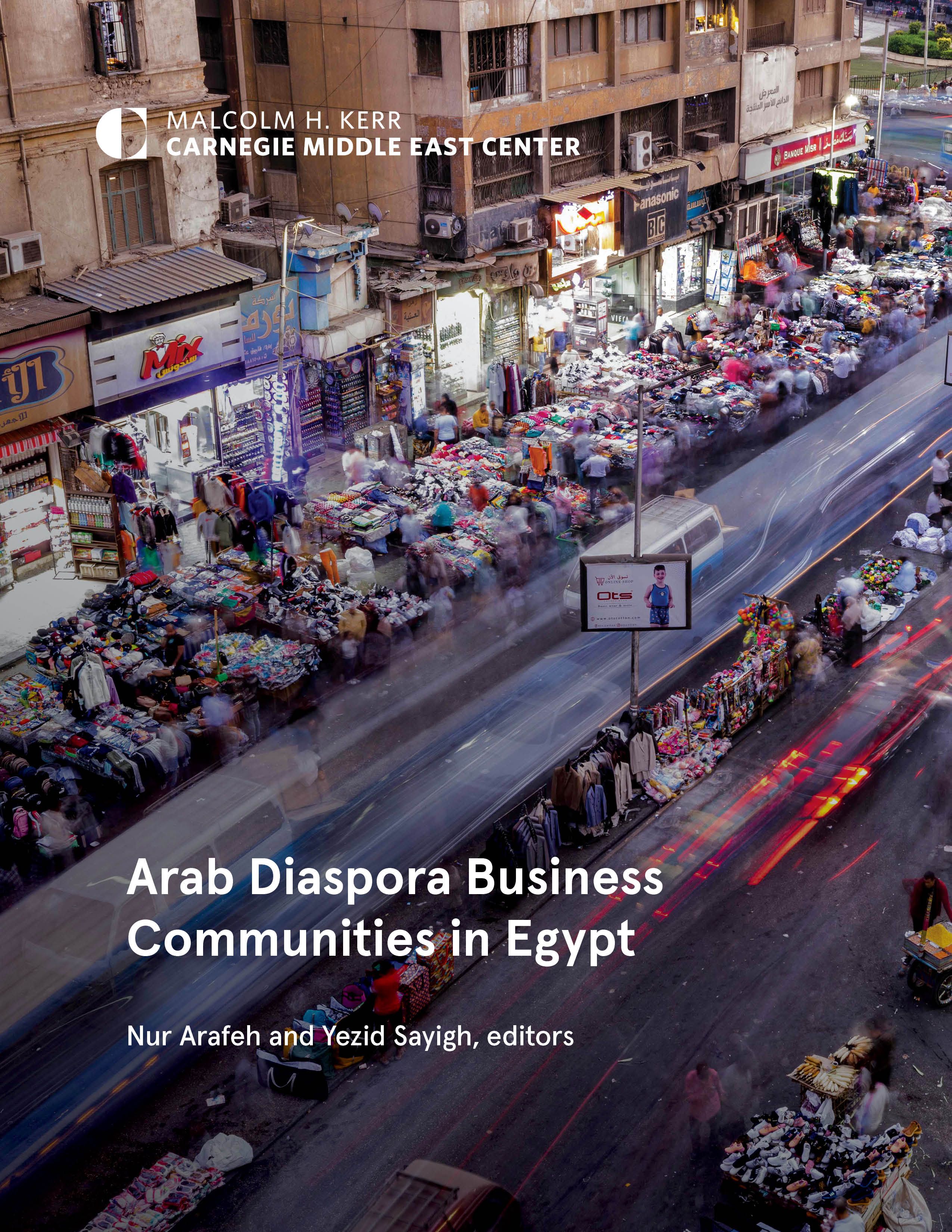
Arab diaspora business communities in Egypt often mirror the same systemic challenges facing Egyptian businesses.
Nur Arafeh, Yezid Sayigh, Qaboul al-Absi, …