

Article
Amr Hamzawy
{
  "authors": [
    "Amr Hamzawy"
  ],
  "type": "legacyinthemedia",
  "centerAffiliationAll": "dc",
  "centers": [
    "Carnegie Endowment for International Peace"
  ],
  "collections": [],
  "englishNewsletterAll": "menaTransitions",
  "nonEnglishNewsletterAll": "",
  "primaryCenter": "Carnegie Endowment for International Peace",
  "programAffiliation": "MEP",
  "programs": [
    "Middle East"
  ],
  "projects": [],
  "regions": [
    "North Africa",
    "Egypt"
  ],
  "topics": [
    "Political Reform",
    "Democracy"
  ]
}
REQUIRED IMAGE
Mubarak's victory represented a step toward opening up a persistently autocratic regime. It revitalized the political scene and partially minimized citizens' apathy toward politics. However, to describe the election as a historic breakthrough or as a shift toward a new pattern of state-society relationship is misleading. The election was not competitive and its conduct clearly undemocratic.
Source: bitterlemons-international.org
Hosni Mubarak landed a sweeping victory (88.6 percent) in Egypt's first multi-candidate presidential election on September 7. The election represented a step forward toward opening up a persistently autocratic regime. It revitalized the political scene and partially minimized citizens' apathy toward politics. However, to describe the election as a historic breakthrough (the official line) or as a substantial shift toward a new pattern of state-society relationship (pro-Mubarak intellectuals) is misleading. The election was not competitive and its conduct clearly undemocratic.
Opposition parties and movements reacted in different ways to the presidential election and its results. Nine parties, most notably the liberal Wafd and the newly established Tomorrow (al-Ghad), put forth candidates to compete with Mubarak. But the leftist Unionist (al-Tajammu) and the Arab-Nasserite (al-Arabi an-Nasseri) parties as well as new protest groups such as the Egyptian Movement for Change, Enough (Kifaya), chose to boycott the elections. The Muslim Brotherhood (al-Ikhwan) called on Egyptians to participate in the election without voicing explicit support for a candidate. Instead, the Brotherhood confined itself to issuing ambiguous statements, which were interpreted as being against a fifth term for Mubarak and in favor of Ayman Nour, Tomorrow's candidate.
The performance of the opposition was poor. Nour came second with only 7.6 percent of the votes, while Noman Gomaa of the Wafd Party won less than three percent. The remaining seven opposition candidates combined won less than one percent of the vote. As much as it demonstrated the limits of regime-led political reforms, September 7 documented the marginal status of opposition parties in Egypt, which failed to challenge the ruling National Democratic Party (NDP) and were unable to mobilize considerable segments of the population to vote for them. Also, the boycott strategy, which was designed to curtail the peaceful transition to Mubarak's fifth term, yielded no significant results.
While the negative impact on the opposition of the NDP's continued entrenchment in state institutions must be acknowledged, along with the overall semi-authoritarian conditions, opposition actors are also partly to blame for their poor performance. Major parties lack internal democracy and in most cases dynamic leadership. They have yet to articulate clear visions of the reforms needed in Egypt or to present concrete implementation programs that are essential in ensuring the support of the Egyptian electorate. Therefore, the opposition's ability to reach out to popular constituencies is minimal.
The parties that boycotted the presidential election belied their raison d'etre as organized groups that must seek to participate in the political process even under the worst of semi-authoritarian conditions. The experience of gradual democratic transition in different countries suggests that opposition participation unleashes new dynamics and helps subject autocratic rulers to increasing popular pressures.
In contrast to the boycotting parties, those that ran candidates in the election, especially Wafd and Tomorrow, demonstrated a higher degree of political maturity. They utilized the relatively expanded public space afforded to them by the presidential election and capitalized on heavy media attention to mobilize support. However, the ambivalent nature of their electoral platforms resulted in their failure to generate popular trust. Liberal Wafd's candidate, Gomaa, confused voters with contradictory statements on the state's role in the economic realm and did not offer more than generalities on political reform, whereas Ayman Nour appeared primarily preoccupied with attacking the government and neglected to inform an interested public how to move beyond Mubarak's legacy.
Yet the Muslim Brotherhood and Enough Movement gained from their strategies in the lead-up to September 7. The Brotherhood's pro-vote recommendation clearly proved its willingness to play by the rules, even those that exclude it from the sphere of political action. Although the low voter turnout calls into question al-Ikhwan's perceived popularity, the movement still managed to underline its pragmatism to suspicious domestic and international actors. Kifaya, on the other side, although unsuccessful in staging widespread protests against Mubarak's fifth term, triggered an unprecedented dynamism on the Egyptian scene. It capitalized on discontent in urban centers among intellectuals and civil society activists and advanced the public debate on reform by breaking existing taboos around Gamal Mubarak's future role and bridging the secular-religious divide in its political platform. Kifaya heterogeneous membership--liberals, Islamists, and leftists, as well as nationalists--conferred a degree of public credibility on its calls for a unified opposition camp against the Mubarak regime. But in spite of its relative success, Kifaya remains, like all other opposition forces, unable to generate popular support for its platform.
In post-presidential election Egypt, both regime and opposition are trapped, albeit in different ways. A vibrant pluralist political scene is emerging, yet one that is devoid of substantial reforms and most significantly of constituencies.- Published 29/9/2005 (c) bitterlemons-international.org
Dr. Amr Hamzawy is senior associate in the Democracy and Rule of Law Project at the Carnegie Endowment for International Peace, Washington, DC.

Director, Middle East Program
Amr Hamzawy is a senior fellow and the director of the Carnegie Middle East Program. His research and writings focus on Egypt’s and other middle powers’ involvement in regional security in the Middle East, particularly through collective diplomacy and multilateral conflict resolution
Recent Work
Amr Hamzawy


Amr Hamzawy, Andrew Leber, Eric Lob, …
Carnegie does not take institutional positions on public policy issues; the views represented herein are those of the author(s) and do not necessarily reflect the views of Carnegie, its staff, or its trustees.
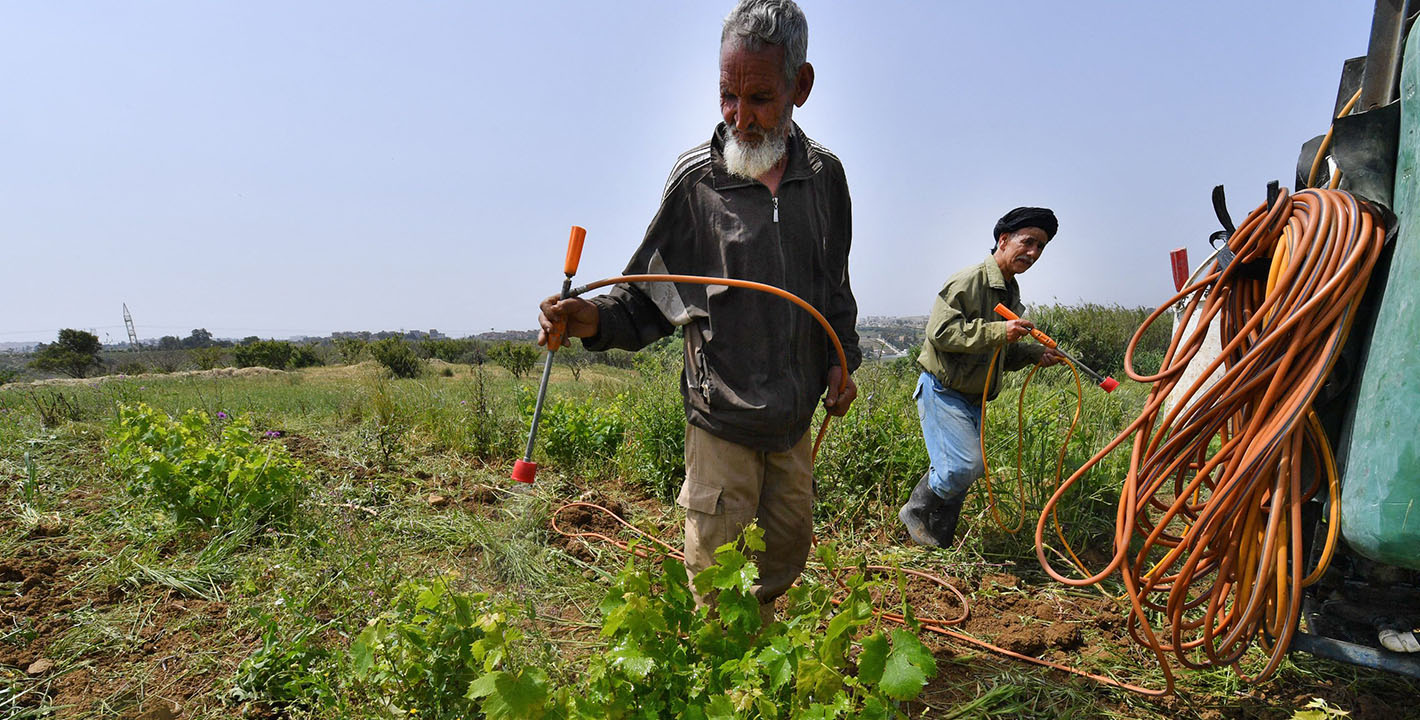
Understanding how farmers in the Oued Sahel-Soummam Valley grapple with climate change is essential for addressing the paradoxes through which adaptation, operating at both individual and institutional levels, deepens the region’s vulnerability and erodes the social fabric and agrarian identity that once defined life.

Ilyssa Yahmi
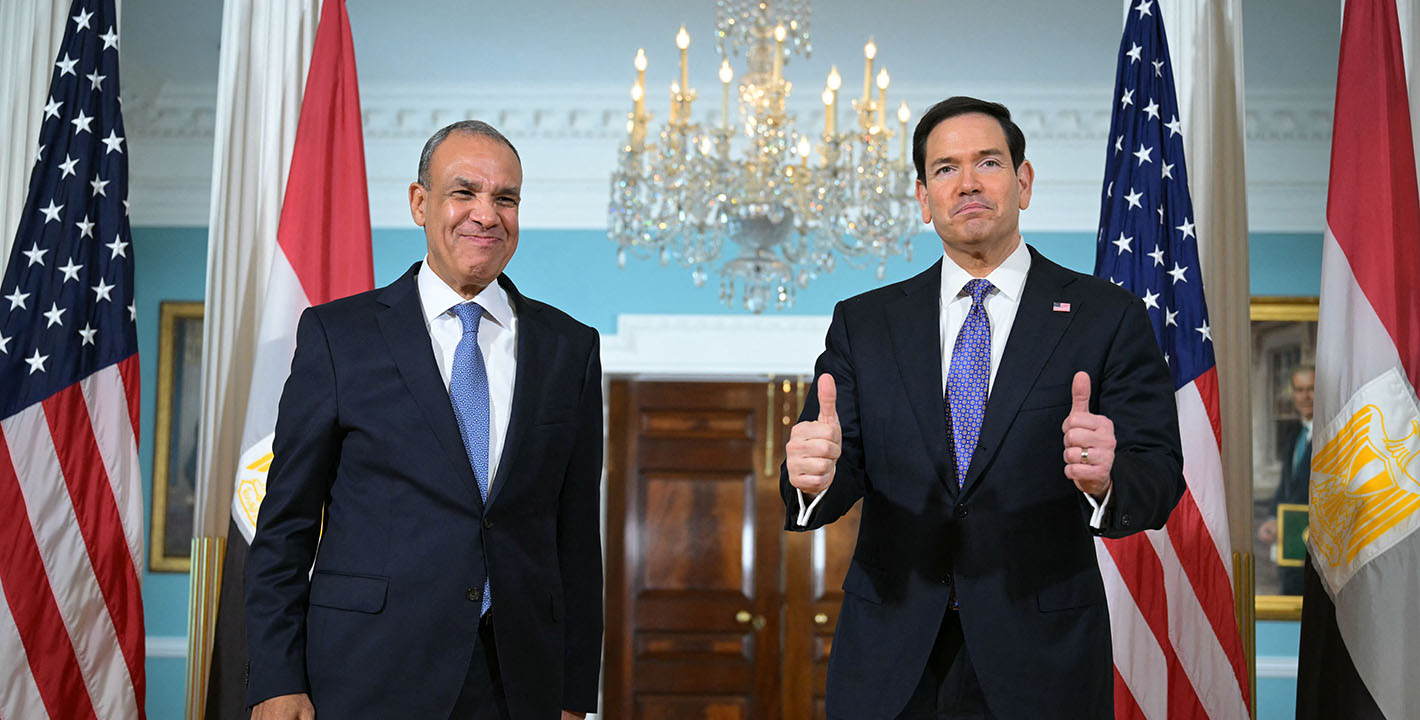
Cairo’s efforts send a message to the United States and the region that it still has a place at the diplomatic table.

Angie Omar
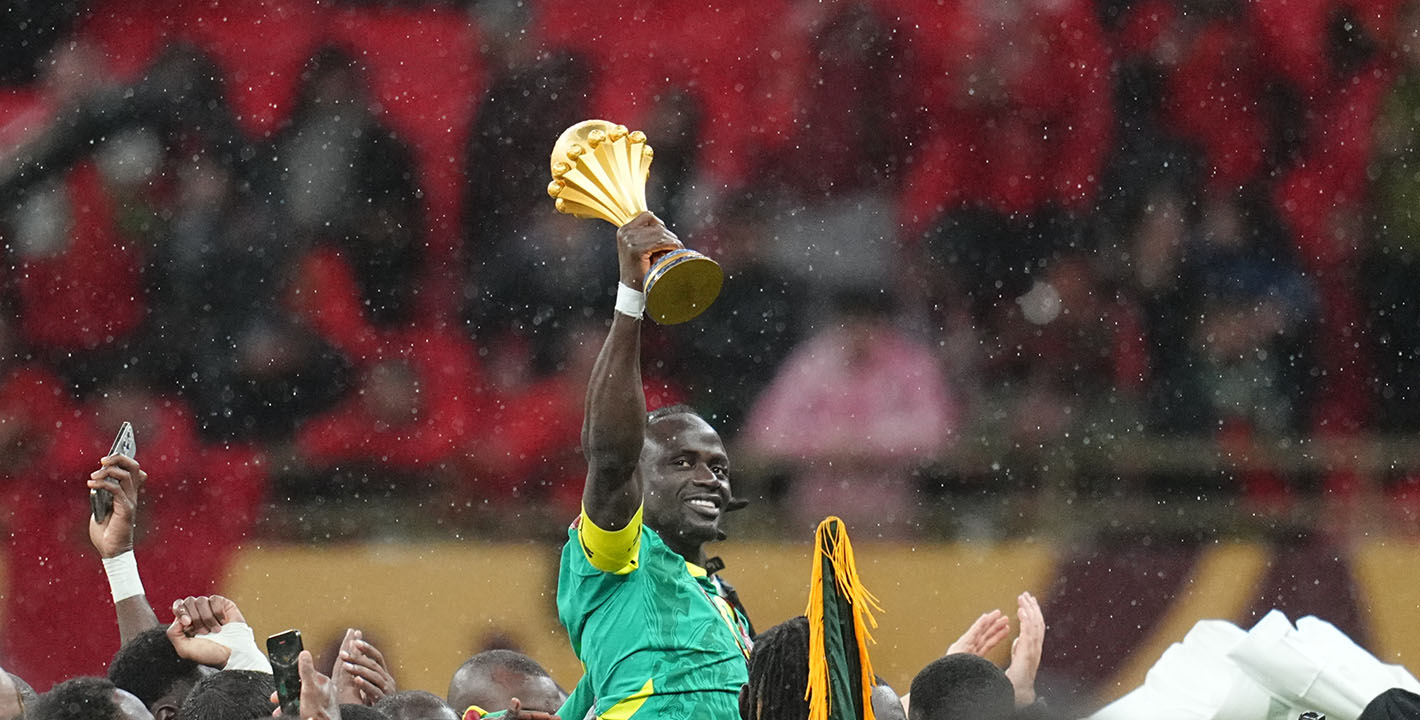
The recent African Cup of Nations tournament in Morocco touched on issues that largely transcended the sport.


Issam Kayssi, Yasmine Zarhloule
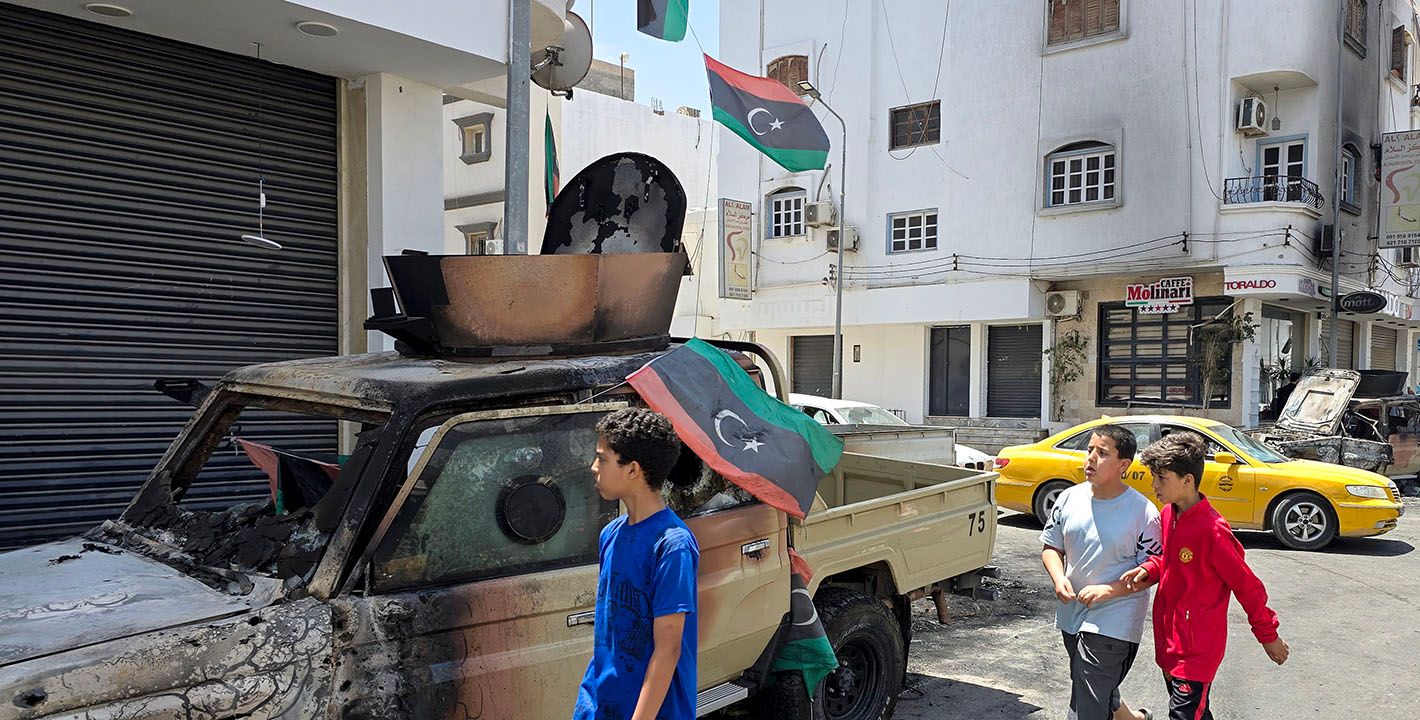
The UN Support Mission in the country should reassess its approach so that consensus between the warring parties becomes the eventual goal, rather than a procedural matter that dogs the negotiating process at every turn.
Soraya Rahem

Mustaqbal Misr has expanded its portfolio with remarkable speed, but a lack of transparency remains.

Yezid Sayigh