• Research
  • Diwan
  • About
  • Experts
Carnegie Middle East logoCarnegie lettermark logo
LebanonIran
{
  "authors": [
    "Joseph Cirincione"
  ],
  "type": "legacyinthemedia",
  "centerAffiliationAll": "dc",
  "centers": [
    "Carnegie Endowment for International Peace"
  ],
  "collections": [
    "U.S. Nuclear Policy"
  ],
  "englishNewsletterAll": "ctw",
  "nonEnglishNewsletterAll": "",
  "primaryCenter": "Carnegie Endowment for International Peace",
  "programAffiliation": "NPP",
  "programs": [
    "Nuclear Policy"
  ],
  "projects": [],
  "regions": [
    "North America",
    "United States",
    "Middle East",
    "Iran"
  ],
  "topics": [
    "Nuclear Policy",
    "Nuclear Energy"
  ]
}
REQUIRED IMAGE
REQUIRED IMAGE

In The Media

The New Brinksmanship: Iran's Nuclear Threat

Link Copied
By Joseph Cirincione
Published on Feb 8, 2006
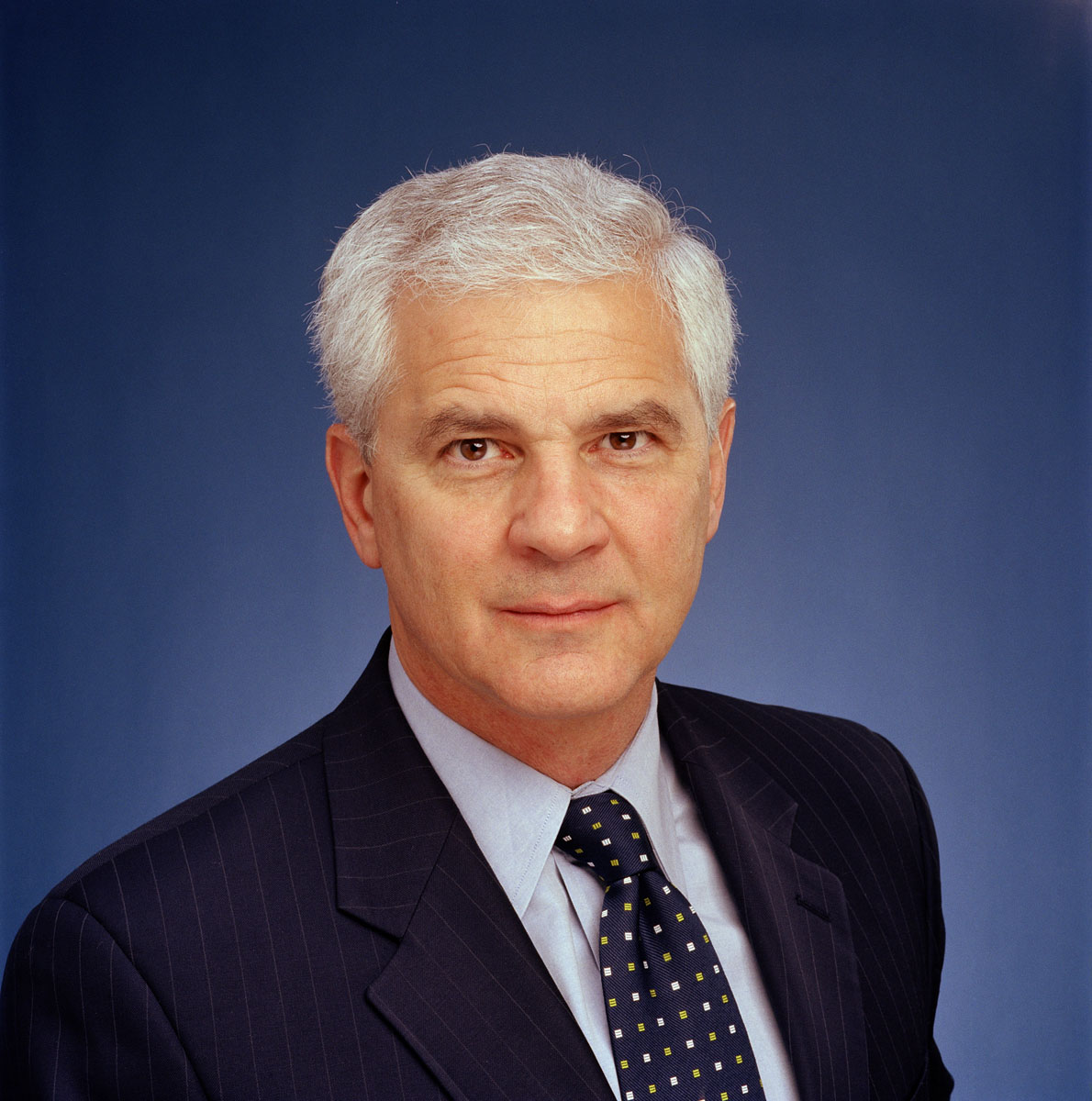
In a radio interview on February 8, 2006, Carnegie Director for Nonproliferation Joseph Cirincione discussed Iran's attempts to restart its nuclear program in defiance of the International Atomic Energy Agency. This hour-long program aired on Fresh Air on WHYY. Click here for streaming audio featured on National Public Radio's website.

About the Author

Joseph Cirincione

Former Senior Associate, Director for NonProliferation

    Recent Work

  • Report
    Universal Compliance: A Strategy for Nuclear Security<br>With 2007 Report Card on Progress
      • +2

      George Perkovich, Jessica Tuchman Mathews, Joseph Cirincione, …

  • Article
    The End of Neoconservatism

      Joseph Cirincione

Joseph Cirincione
Former Senior Associate, Director for NonProliferation
Joseph Cirincione
Nuclear PolicyNuclear EnergyNorth AmericaUnited StatesMiddle EastIran

Carnegie does not take institutional positions on public policy issues; the views represented herein are those of the author(s) and do not necessarily reflect the views of Carnegie, its staff, or its trustees.

More Work from Malcolm H. Kerr Carnegie Middle East Center

  • Commentary
    Diwan
    The United States and Iran Have Agreed to a Two-Week Ceasefire

    Spot analysis from Carnegie scholars on events relating to the Middle East and North Africa.

      Michael Young

  • Commentary
    Diwan
    Hezbollah’s Wartime Strategy

    The party’s objectives involve tying together the Lebanese and Iranian fronts, while surviving militarily and politically at home. 

      Mohamad Fawaz

  • Commentary
    Diwan
    Iran Rewrites Its War Strategy

    In an interview, Hamidreza Azizi discusses how Tehran has adapted in real time to the conflict with the United States and Israel.

      Michael Young

  • Commentary
    Diwan
    Trump’s Plan for Gaza Is Not Irrelevant. It’s Worse.

    The simple conclusion is that the scheme will bring neither peace nor prosperity, but will institutionalize devastation.

      Nathan J. Brown

  • Commentary
    Diwan
    What Does the Strait of Hormuz’s Closure Mean?

    In an interview, Roger Diwan discusses where the global economy may be going in the third week of the U.S.-Israeli war with Iran.

      Nur Arafeh

Get more news and analysis from
Malcolm H. Kerr Carnegie Middle East Center
Carnegie Middle East logo, white
  • Research
  • Diwan
  • About
  • Experts
  • Projects
  • Events
  • Contact
  • Careers
  • Privacy
  • For Media
Get more news and analysis from
Malcolm H. Kerr Carnegie Middle East Center
© 2026 Carnegie Endowment for International Peace. All rights reserved.





