

Q&A
- +2
Judy Dempsey, Alexander Gabuev, Rose Gottemoeller, …
{
  "authors": [
    "Rose Gottemoeller"
  ],
  "type": "legacyinthemedia",
  "centerAffiliationAll": "dc",
  "centers": [
    "Carnegie Endowment for International Peace"
  ],
  "collections": [
    "U.S. Nuclear Policy"
  ],
  "englishNewsletterAll": "ctw",
  "nonEnglishNewsletterAll": "",
  "primaryCenter": "Carnegie Endowment for International Peace",
  "programAffiliation": "russia",
  "programs": [
    "Russia and Eurasia",
    "Nuclear Policy"
  ],
  "projects": [],
  "regions": [
    "North America",
    "United States",
    "Middle East",
    "Iran",
    "Caucasus",
    "Russia"
  ],
  "topics": [
    "Foreign Policy",
    "Nuclear Policy",
    "Nuclear Energy"
  ]
}
Source: Getty
Source: New York Times

Should the rest of the international community give up on negotiations and take another path, either sanctions or the military options that have been bandied around in Washington? Maybe — but maybe there is also an opportunity to get Iran back to the negotiating table.
What we need is a wedge to push open the door to talks, and Russia might be able to provide it. Before the latest downward spiral with Tehran, the Russians had proposed bringing Iran into a nuclear fuel services center on Russian soil that would enrich uranium, manufacture fuel and deal with nuclear waste.
Nonresident Senior Fellow, Nuclear Policy Program
Rose Gottemoeller is a nonresident senior fellow in Carnegie’s Nuclear Policy Program. She also serves as lecturer at Stanford University’s Freeman Spogli Institute for International Studies and is a research fellow at the Hoover Institution. Ambassador Gottemoeller served as the deputy secretary general of NATO from 2016 to 2019.
Recent Work


Judy Dempsey, Alexander Gabuev, Rose Gottemoeller, …
Carnegie does not take institutional positions on public policy issues; the views represented herein are those of the author(s) and do not necessarily reflect the views of Carnegie, its staff, or its trustees.
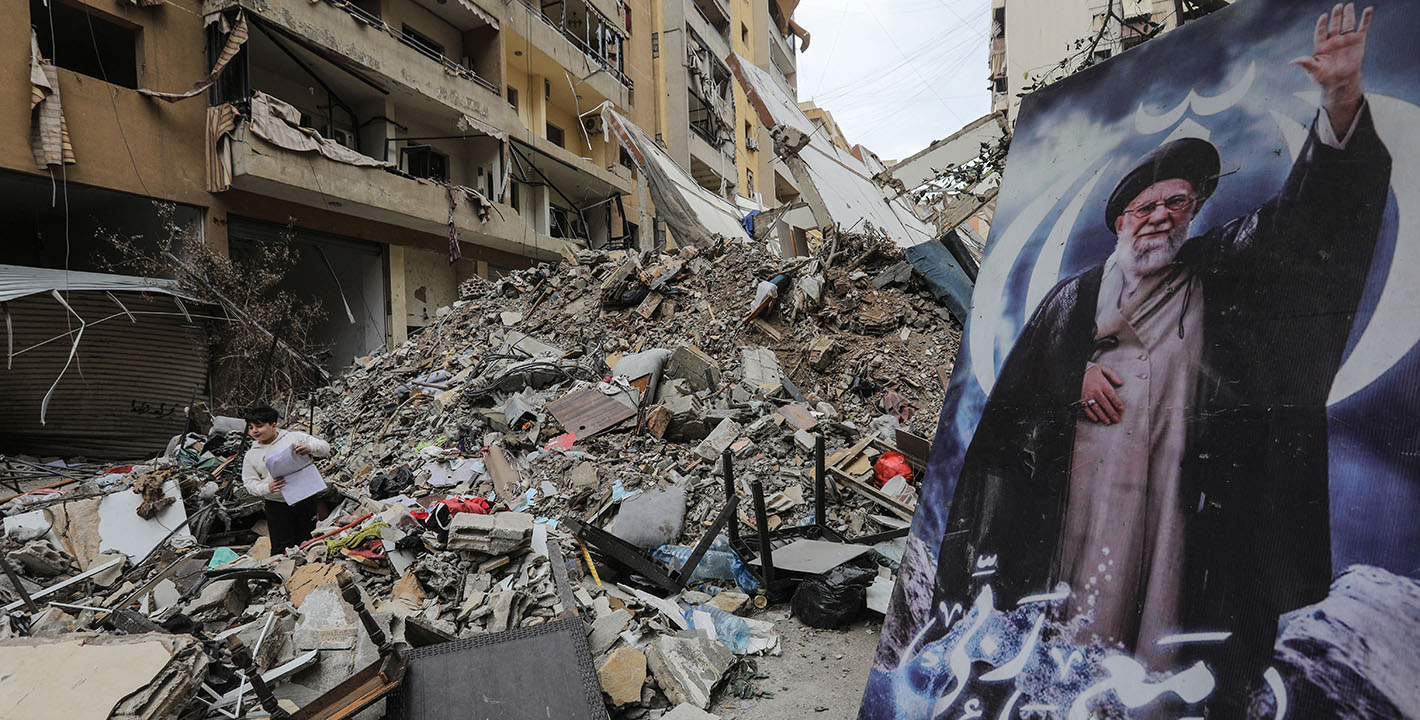
As talks begin between Washington and Tehran, Beirut has an opening to advance a regional plan for the party’s disarmament.

Michael Young
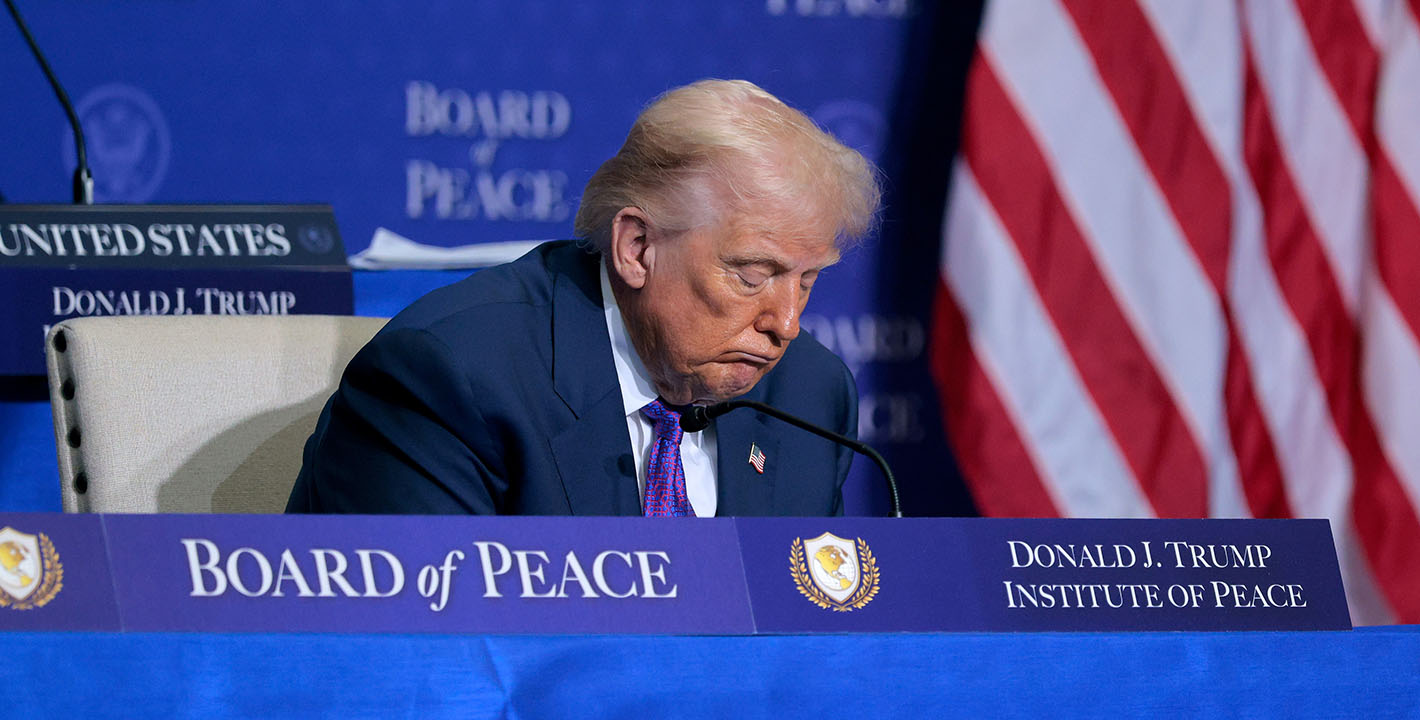
What is behind Marco Rubio’s announcement that the body is now an international nongovernmental organization?
Zaha Hassan
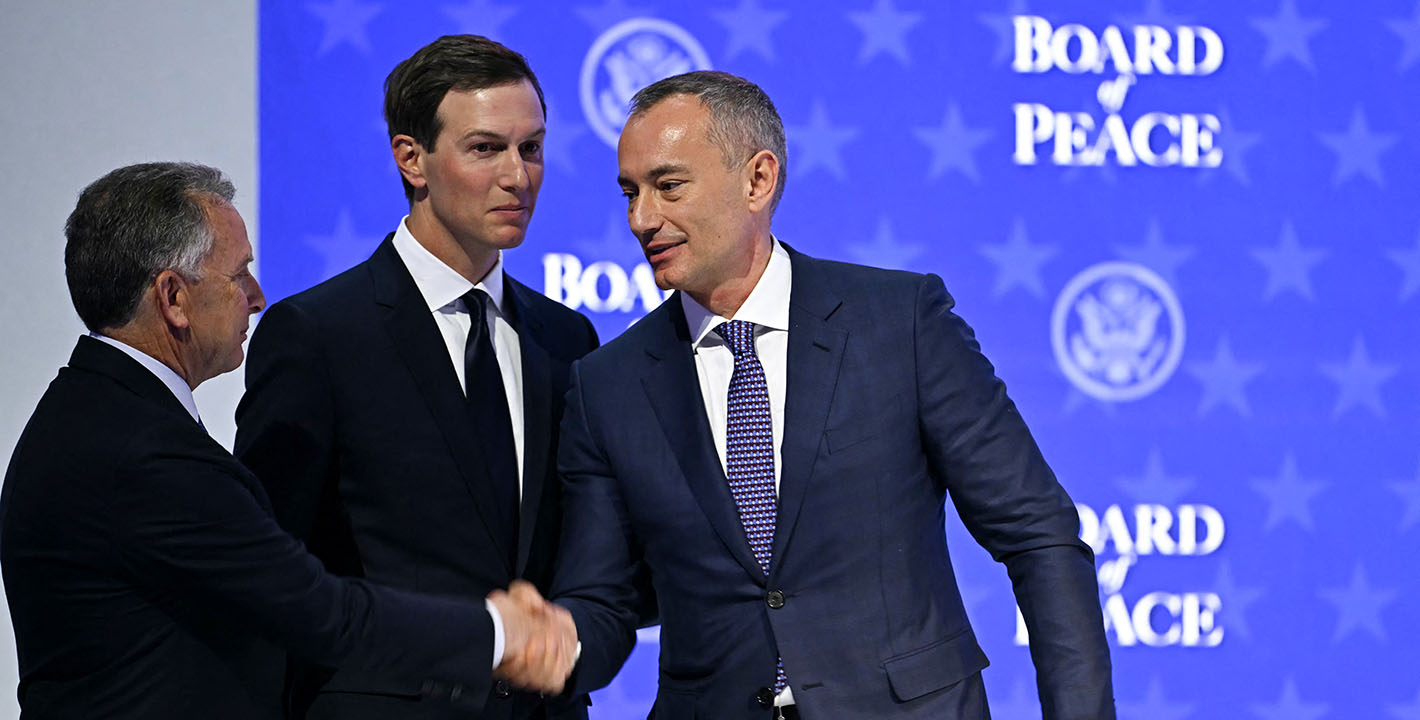
Policy discussion is ignoring that the Palestinian national project is hollowed out and apartheid is a present danger.

Nathan J. Brown
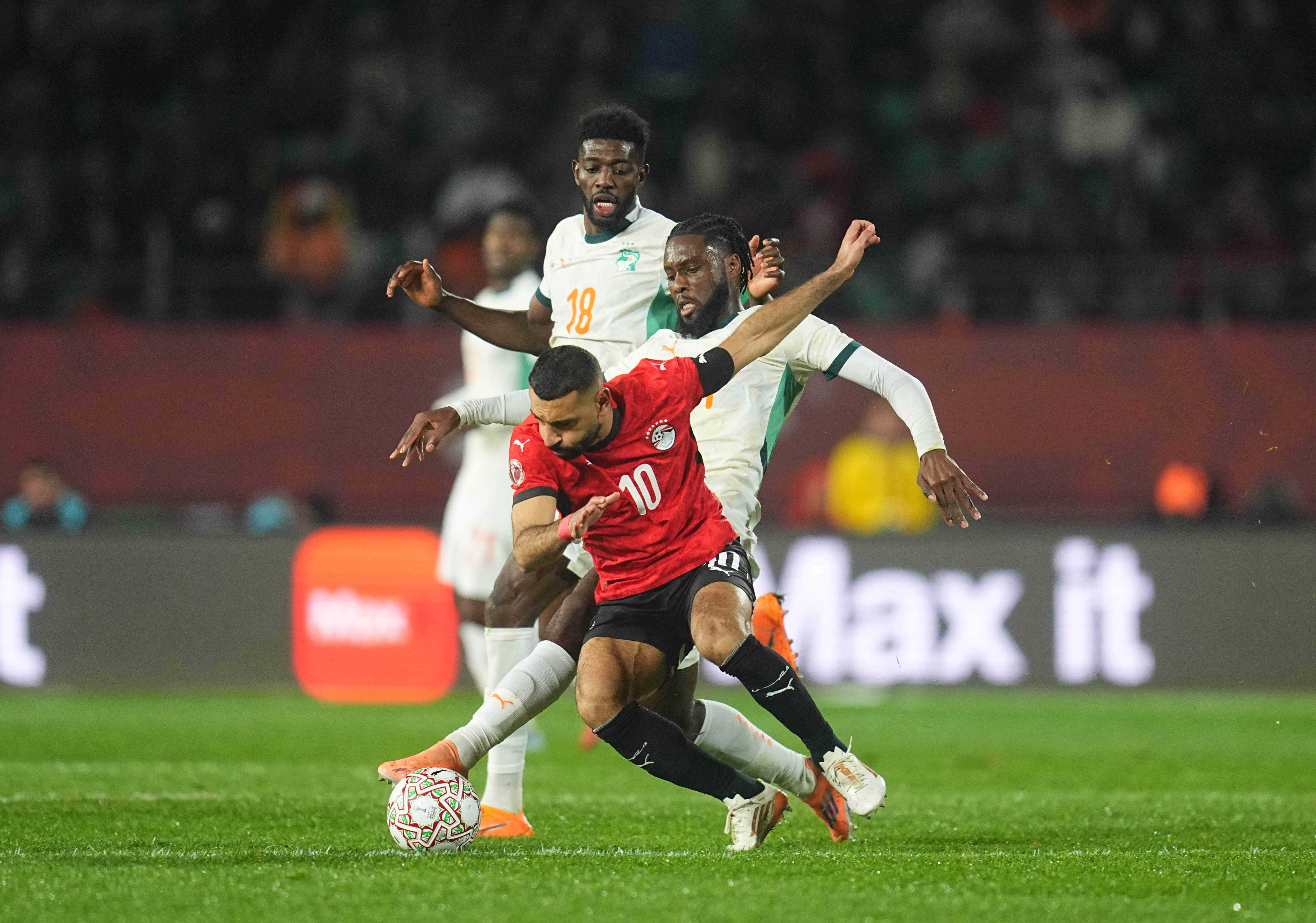
This will be the region’s most representative tournament, amid broad changes in its footballing landscape.

Issam Kayssi
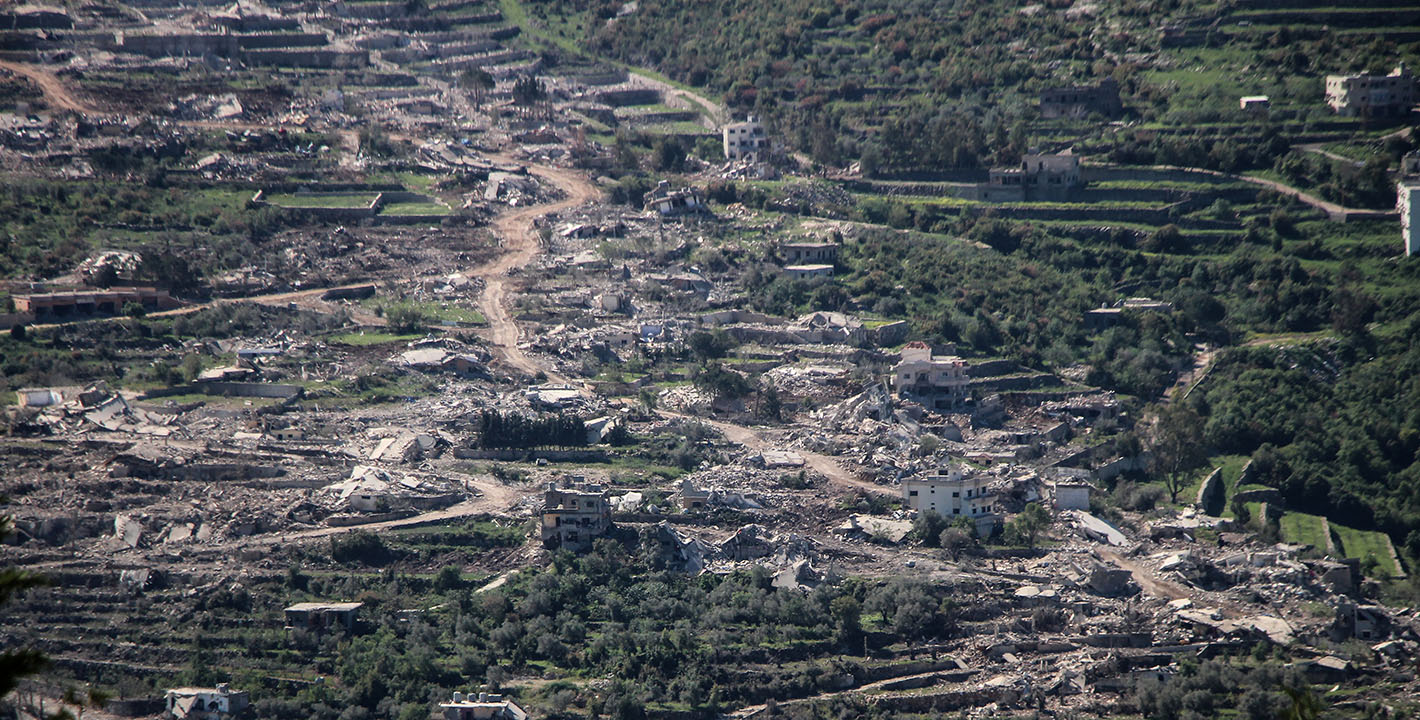
As negotiations with Iran and Lebanon continue, chaos is at the heart of the Netanyahu government’s calculations.
Michael Young