

Article
Viji Rangaswami, Lionel Johnson
{
  "authors": [
    "Viji Rangaswami"
  ],
  "type": "other",
  "centerAffiliationAll": "",
  "centers": [
    "Carnegie Endowment for International Peace"
  ],
  "collections": [],
  "englishNewsletterAll": "",
  "nonEnglishNewsletterAll": "",
  "primaryCenter": "Carnegie Endowment for International Peace",
  "programAffiliation": "",
  "programs": [],
  "projects": [],
  "regions": [
    "North America",
    "United States"
  ],
  "topics": [
    "Economy",
    "Trade"
  ]
}
REQUIRED IMAGE
The U.S. should provide open access for least developed country exports, which would yield real benefits to the global poor and allow the U.S. to reclaim its leadership position in the struggling WTO round.
Source: Carnegie Endowment
The United States has an opportunity to change the dynamics of the stalemated global trade talks at the World Trade Organization (WTO). Over the past few months, countries have criticized the United States for demanding that they open their markets to U.S. farm and manufactured goods exports, while at the same time refusing to open the U.S. market to goods from the poorest countries.
In a new Policy Outlook, Nickel and Diming the Poor: U.S. Implementation of the LDC Initiative, Viji Rangaswami argues that the U.S. should provide open access for least developed country exports, which would yield real benefits to the global poor and allow the U.S. to reclaim its leadership position in the struggling WTO round.
About the Author
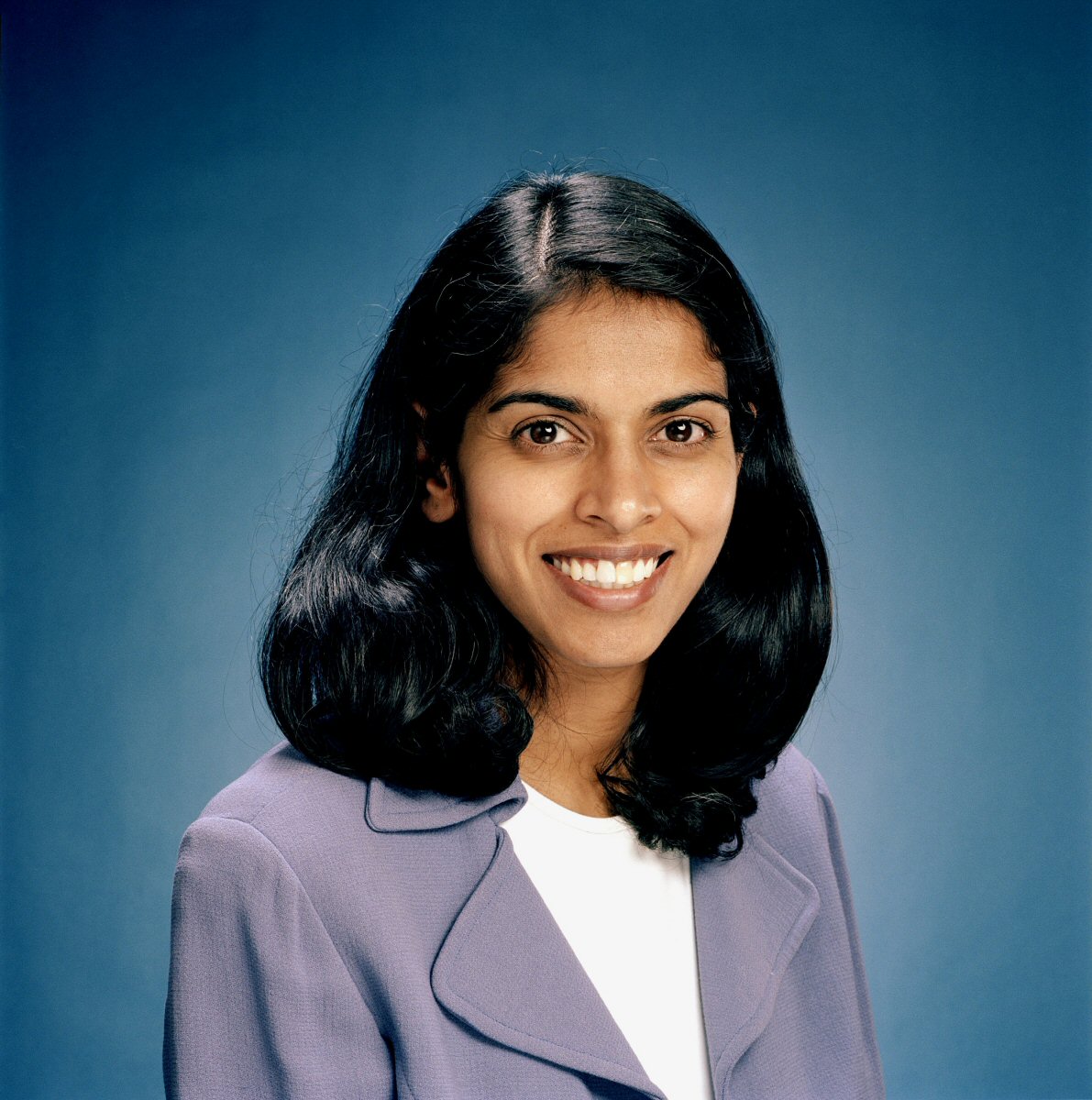
Viji Rangaswami is an associate in the Trade, Equity, and Development Project at the Carnegie Endowment for International Peace. Her work focuses on how multilateral and regional trade agreements, as well as unilateral preference programs, can promote development, particularly among the least developed countries.
Former Associate
Recent Work
Viji Rangaswami, Lionel Johnson
Carnegie does not take institutional positions on public policy issues; the views represented herein are those of the author(s) and do not necessarily reflect the views of Carnegie, its staff, or its trustees.

In an interview, Rozina Ali discusses her new book on the rise and manifestations of Islamophobia in the United States.

Michael Young

In an interview, Ian Lustick and Eli Clifton discuss their new book on why a prominent ally has so much influence in America.
Michael Young

As the U.S. stumbles in its war with Iran, we are likely to see an acceleration of its disengagement from the region.
Michael Young

Middle Eastern states should welcome an accelerated U.S. disengagement from their region.
Michael Young

In an interview, former ambassador Charles Freeman assesses the Trump administration’s war against Iran.
Michael Young