

Commentary
In an interview, Ian Lustick and Eli Clifton discuss their new book on why a prominent ally has so much influence in America.
Michael Young
{
  "authors": [
    "Amal Saad-Ghorayeb",
    "Marina Ottaway"
  ],
  "type": "other",
  "centerAffiliationAll": "dc",
  "centers": [
    "Carnegie Endowment for International Peace",
    "Malcolm H. Kerr Carnegie Middle East Center"
  ],
  "collections": [],
  "englishNewsletterAll": "democracy",
  "nonEnglishNewsletterAll": "",
  "primaryCenter": "Malcolm H. Kerr Carnegie Middle East Center",
  "programAffiliation": "DCG",
  "programs": [
    "Democracy, Conflict, and Governance",
    "Middle East"
  ],
  "projects": [],
  "regions": [
    "Levant",
    "Lebanon",
    "Middle East",
    "Iran"
  ],
  "topics": [
    "Political Reform",
    "Foreign Policy"
  ]
}
Source: Getty
After the war of last summer, Lebanon had settled back into a pretense of normality, shattered periodically by massive demonstrations in the streets of the capital, as Hizbollah mustered its supporters in an attempt to force the government to call for early elections. The government refused to give in. Hizbollah is now trying to break the impasse.
Source: Carnegie Endowment

From Washington, the crisis in Lebanon looks like a confrontation between a moderate, prowestern government and a radical movement doing the bidding of Iran—the western tip of the Shiite crescent through which Teheran hopes to impose itself as the dominant power in the Middle East. From Lebanon, Hizbollah looks like a movement trying to reconcile three identities and agendas increasingly at odds with each other, and blundering in the process. One Hizbollah is the movement that looks to Iran for support and is a player in the new geopolitical game of the Middle East. A second Hizbollah is the resistance movement that gained heroic stature last summer in the eyes of all Arabs, Sunnis and Shiites alike, for standing up to Israel and depriving it of a military victory. And there is a third Hizbollah, a player in the Lebanese domestic political scene, seeking to increase its power and change the byzantine rules by which politics is played in the country.
Click on the link above for the full text of this Carnegie publication.
This is a web-only publication.
About the Authors
Amal Saad-Ghorayeb is a visiting scholar in the Carnegie Middle East Center. A leading expert on Hizbollah, she has written extensively about Lebanon’s Shiites and Lebanese politics.
Marina Ottaway is a senior associate in the Democracy and Rule of Law Program and
director of the Carnegie Middle East Program.
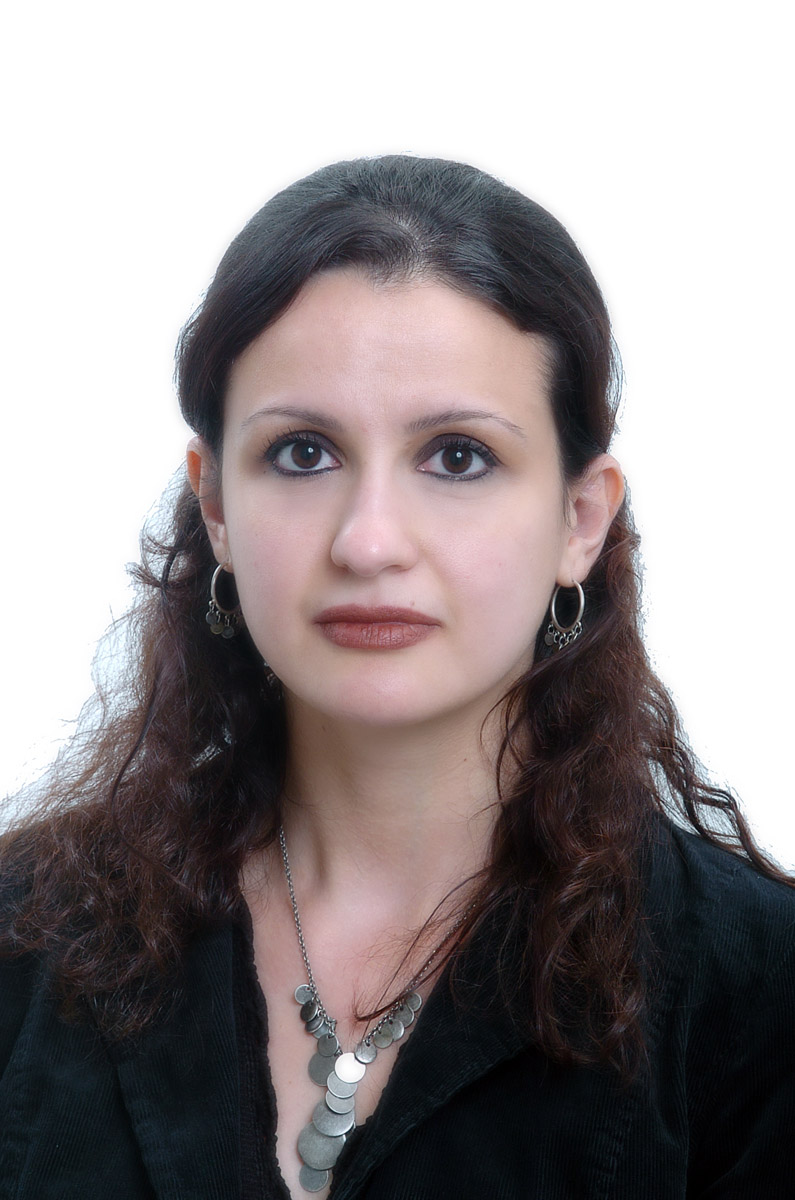
Former Visiting Scholar
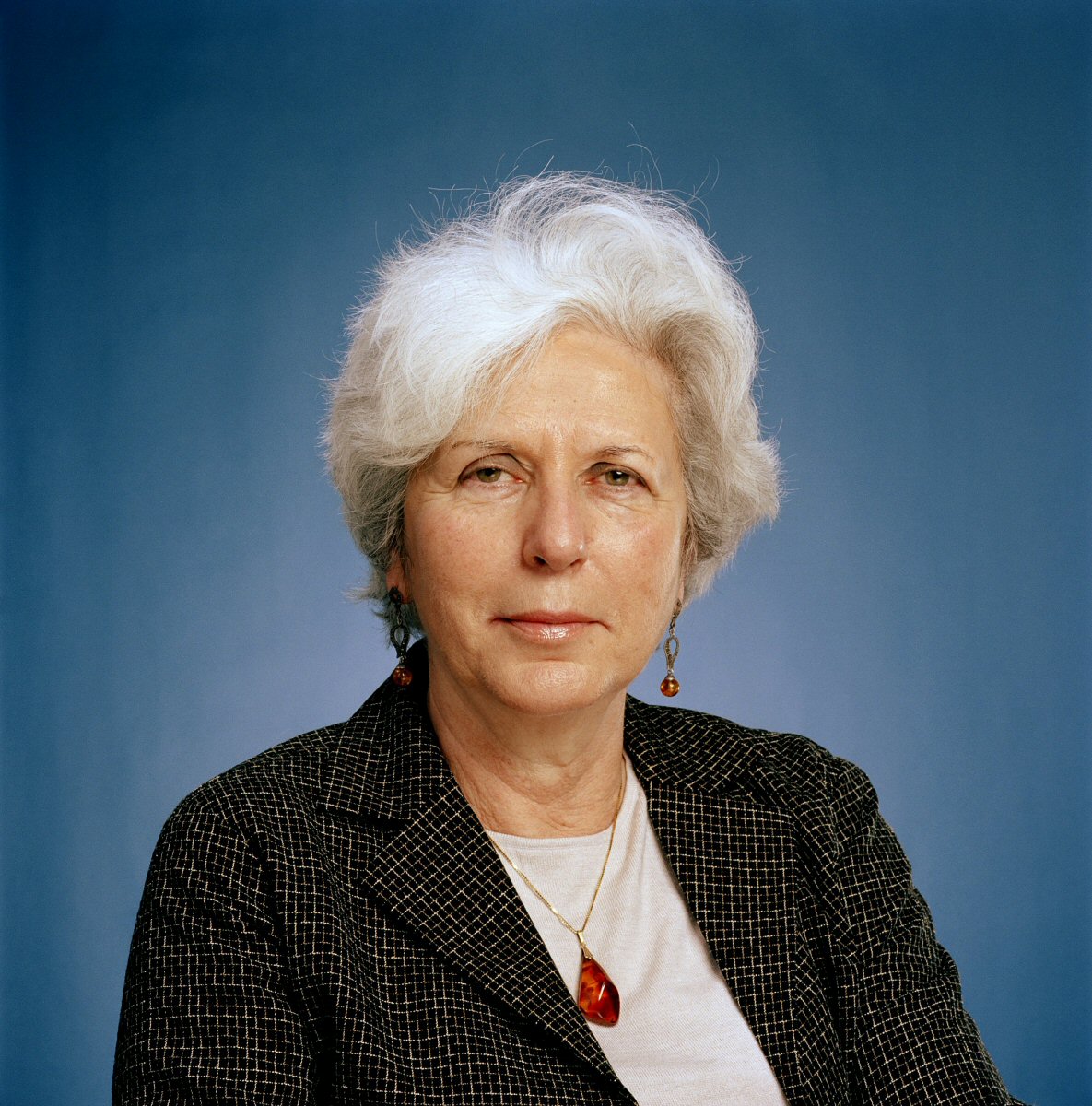
Former Senior Associate, Middle East Program
Before joining the Endowment, Ottaway carried out research in Africa and in the Middle East for many years and taught at the University of Addis Ababa, the University of Zambia, the American University in Cairo, and the University of the Witwatersrand in South Africa.
Carnegie does not take institutional positions on public policy issues; the views represented herein are those of the author(s) and do not necessarily reflect the views of Carnegie, its staff, or its trustees.

In an interview, Ian Lustick and Eli Clifton discuss their new book on why a prominent ally has so much influence in America.

Michael Young

As the U.S. stumbles in its war with Iran, we are likely to see an acceleration of its disengagement from the region.
Michael Young

The Zaidi government’s objective to collect weapons is constrained by regional conflict, but it can take certain measures at home.
Ali Al-Mawlawi

Huawei pushed hard to enter the Egyptian data centers market, until the Americans made a better offer.

Angie Omar

Middle Eastern states should welcome an accelerated U.S. disengagement from their region.
Michael Young