

Commentary
In an interview, Rozina Ali discusses her new book on the rise and manifestations of Islamophobia in the United States.
Michael Young
{
  "authors": [],
  "type": "pressRelease",
  "centerAffiliationAll": "dc",
  "centers": [
    "Carnegie Endowment for International Peace"
  ],
  "collections": [],
  "englishNewsletterAll": "democracy",
  "nonEnglishNewsletterAll": "",
  "primaryCenter": "Carnegie Endowment for International Peace",
  "programAffiliation": "DCG",
  "programs": [
    "Democracy, Conflict, and Governance",
    "Middle East"
  ],
  "projects": [],
  "regions": [
    "North America",
    "United States",
    "Middle East",
    "Iraq"
  ],
  "topics": [
    "Political Reform",
    "Foreign Policy",
    "Nuclear Policy"
  ]
}
REQUIRED IMAGE
FOR IMMEDIATE RELEASE: July 18, 2007
- PRESS RELEASE -
Jessica T. Mathews, president of the Carnegie Endowment for International Peace, testified today before the House Armed Services Committee hearing on “Iraq: Trends and Recent Security Developments.”
“The current conversation in Washington badly distorts what is happening in Iraq and what our options are. As it has from the very beginning, U.S. strategy has more to do with political needs in Washington than with realities on the ground—to our continuing confusion and detriment.”
Mathews offers five key considerations for a fresh approach to the debate on Iraq:
###
To read Dr. Mathews’ prepared testimony, go to www.carnegieendowment.org
Direct link to the PDF: http://www.carnegieendowment.org/files/mathews_iraq_testimony1.pdf
To request an interview with Dr. Mathews, please contact Trent Perrotto, 202/939-2372, tperrotto@ceip.org or Jessica Jennings 202/939-2265, jjennings@ceip.org
Biographical Information
Jessica Tuchman Mathews was appointed president of the Endowment in 1997. Her career includes senior positions in the White House, the State Department, the House of Representatives, the Council on Foreign Relations, the World Resources Institute, and the Washington Post.
Dr. Mathews is a director of Somalogic Inc. and a trustee of the Rockefeller Foundation, The Century Foundation, and the Nuclear Threat Initiative. She is also a member of the Council on Foreign Relations and the Trilateral Commission. She has previously served on the boards of the Brookings Institution, Radcliffe College, the Rockefeller Brothers Fund, the Surface Transportation Policy Project, and the Joyce Foundation, among others.
More information can be found at: www.carnegieendowment.org/jmathews.
Recent Interviews and Articles
The Carnegie Endowment for International Peace is a private, nonprofit organization dedicated to advancing cooperation between nations and promoting active international engagement by the United States. Founded in 1910, its work is nonpartisan and dedicated to achieving practical results. The Endowment has added operations in Beijing, Beirut, and Brussels to its longstanding offices in Washington and Moscow as part of its transformation into the first global think tank.
Carnegie does not take institutional positions on public policy issues; the views represented herein are those of the author(s) and do not necessarily reflect the views of Carnegie, its staff, or its trustees.

In an interview, Rozina Ali discusses her new book on the rise and manifestations of Islamophobia in the United States.

Michael Young
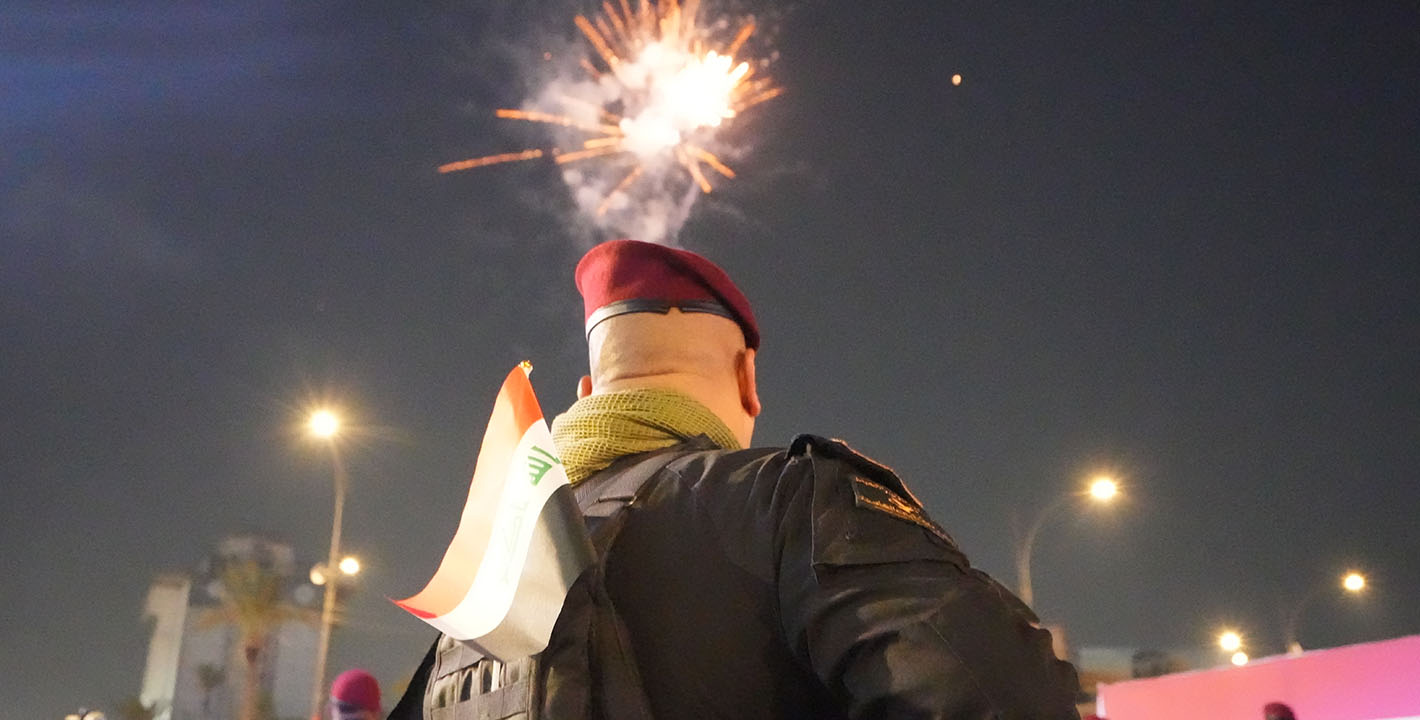
As the U.S.-led Coalition withdraws, the Kurds’ reliance on Baghdad, and on themselves, will only increase.
Wladimir van Wilgenburg

In an interview, Ian Lustick and Eli Clifton discuss their new book on why a prominent ally has so much influence in America.
Michael Young

As the U.S. stumbles in its war with Iran, we are likely to see an acceleration of its disengagement from the region.
Michael Young
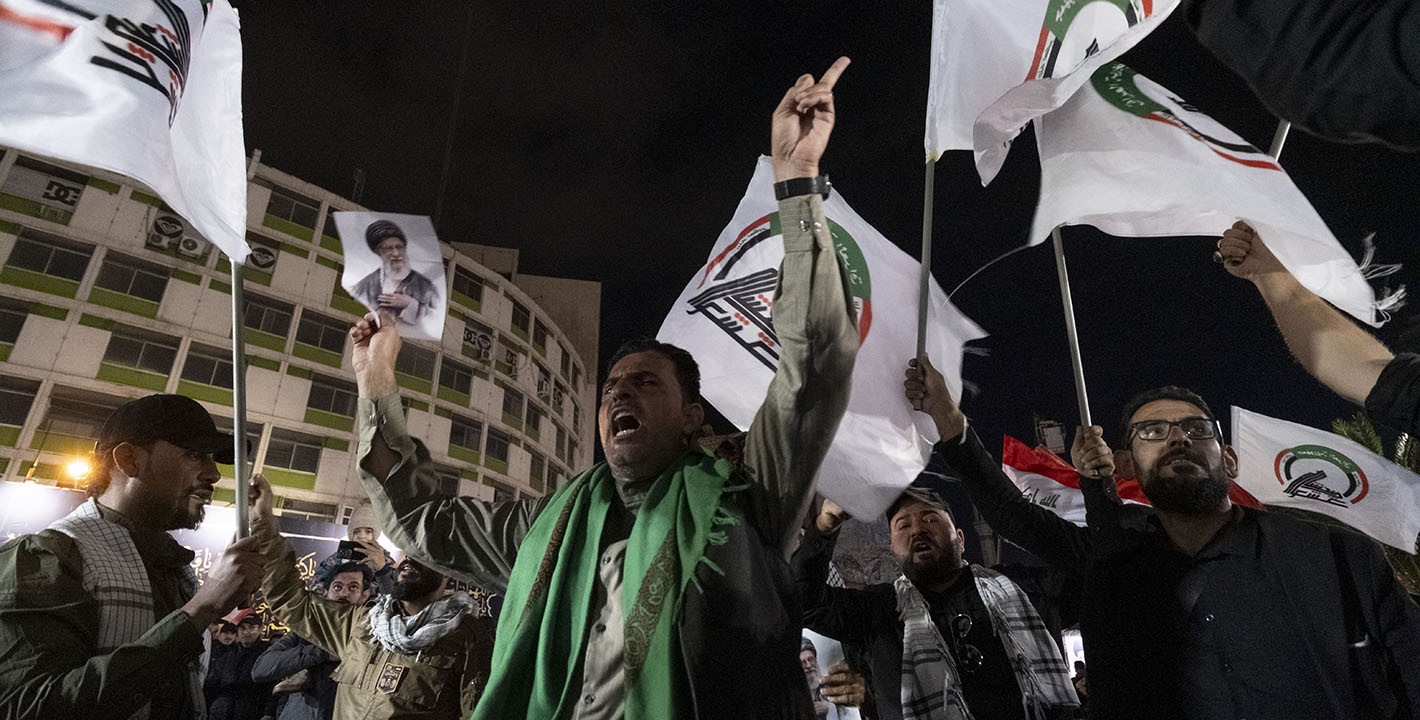
The Zaidi government’s objective to collect weapons is constrained by regional conflict, but it can take certain measures at home.
Ali Al-Mawlawi