• Research
  • Diwan
  • About
  • Experts
Carnegie Middle East logoCarnegie lettermark logo
LebanonIran
{
  "authors": [
    "Amal Saad-Ghorayeb"
  ],
  "type": "legacyinthemedia",
  "centerAffiliationAll": "dc",
  "centers": [
    "Carnegie Endowment for International Peace",
    "Malcolm H. Kerr Carnegie Middle East Center"
  ],
  "collections": [],
  "englishNewsletterAll": "menaTransitions",
  "nonEnglishNewsletterAll": "",
  "primaryCenter": "Malcolm H. Kerr Carnegie Middle East Center",
  "programAffiliation": "MEP",
  "programs": [
    "Middle East"
  ],
  "projects": [],
  "regions": [
    "Middle East",
    "Iran",
    "Israel",
    "Egypt",
    "Iraq",
    "Lebanon"
  ],
  "topics": [
    "Political Reform"
  ]
}
Source: Getty

In The Media
Malcolm H. Kerr Carnegie Middle East Center

Hezbollah Calls for National Unity Government

Interview with Amal Saad-Ghorayeb on the status of Hezbollah.

Link Copied
By Amal Saad-Ghorayeb
Published on Aug 14, 2007

Source: NPR's Morning Edition

Amal Saad-Ghorayeb, author of Hizbu'llah: Politics and Religion: Politics and Religion, says after the war with Israel last year there is a sentiment that the government was complacent about the Israeli invasion and could no longer be trusted. Ghorayeb discusses the status of Hezbollah with John Ydstie.

Click here to listen to the broadcast.

About the Author

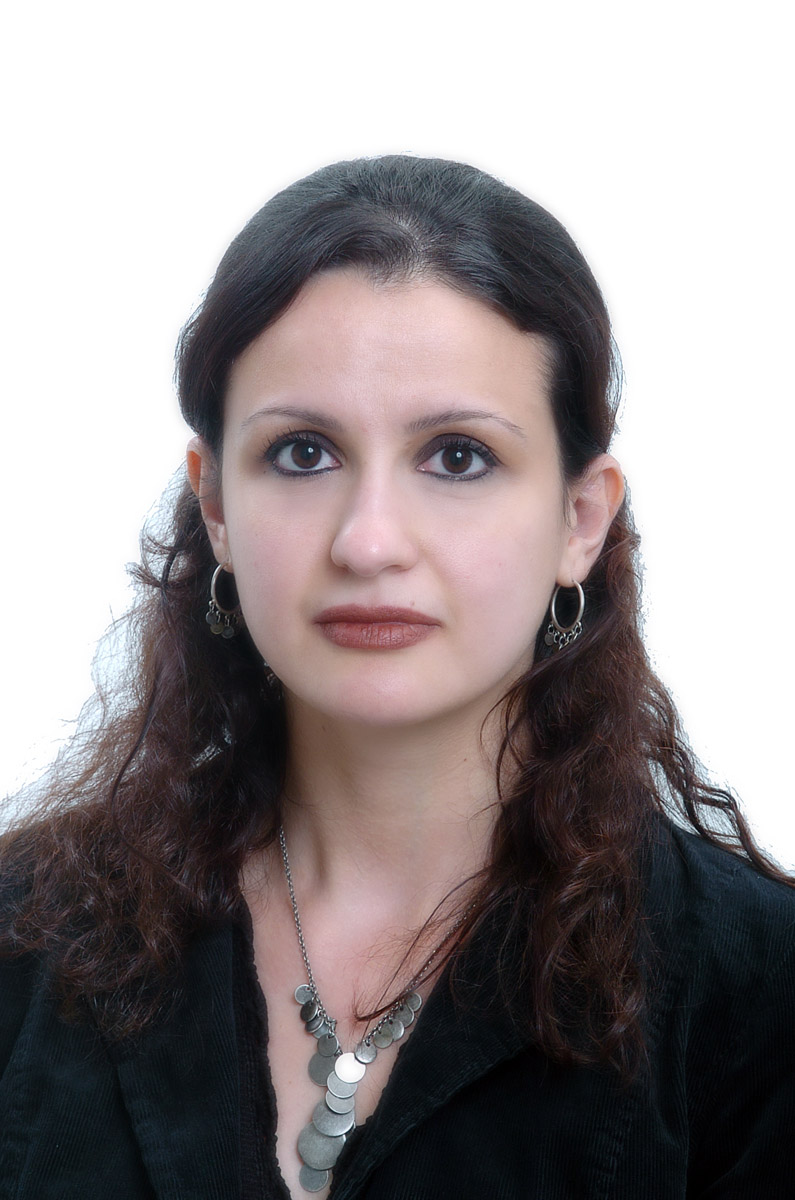
Amal Saad-Ghorayeb

Former Visiting Scholar

    Recent Work

  • Commentary
    Lebanese Shiites Express Political Identity

      Amal Saad-Ghorayeb

  • Commentary
    The Paradox of Hezbollah's Arms

      Amal Saad-Ghorayeb

Amal Saad-Ghorayeb
Former Visiting Scholar
Amal Saad-Ghorayeb
Political ReformMiddle EastIranIsraelEgyptIraqLebanon

Carnegie does not take institutional positions on public policy issues; the views represented herein are those of the author(s) and do not necessarily reflect the views of Carnegie, its staff, or its trustees.
More Work from Malcolm H. Kerr Carnegie Middle East Center

  • Commentary
    Diwan
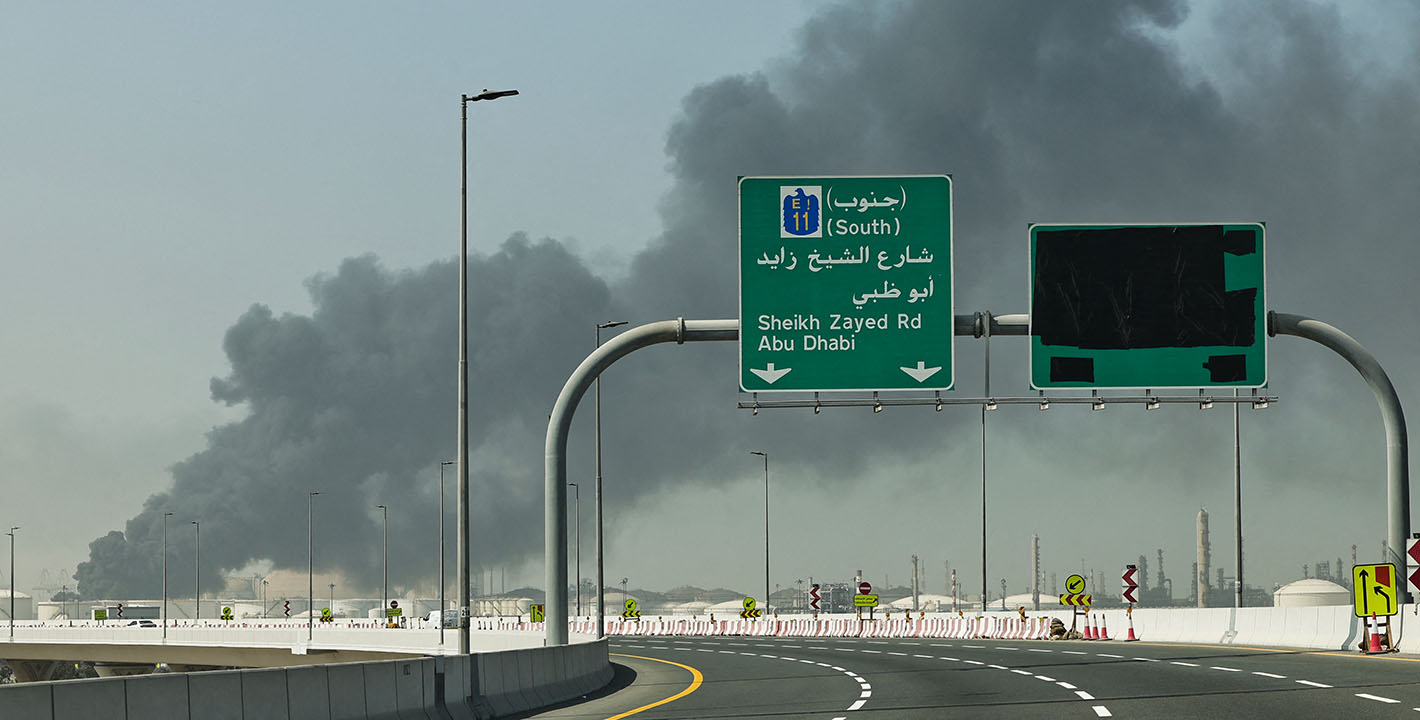
    Shockwaves Across the Gulf

    The countries in the region are managing the fallout from Iranian strikes in a paradoxical way.

      • Angie Omar

      Angie Omar

  • Commentary
    Diwan
    The U.S. Risks Much, but Gains Little, with Iran

    In an interview, Hassan Mneimneh discusses the ongoing conflict and the myriad miscalculations characterizing it.

      Michael Young
  • Commentary
    Diwan
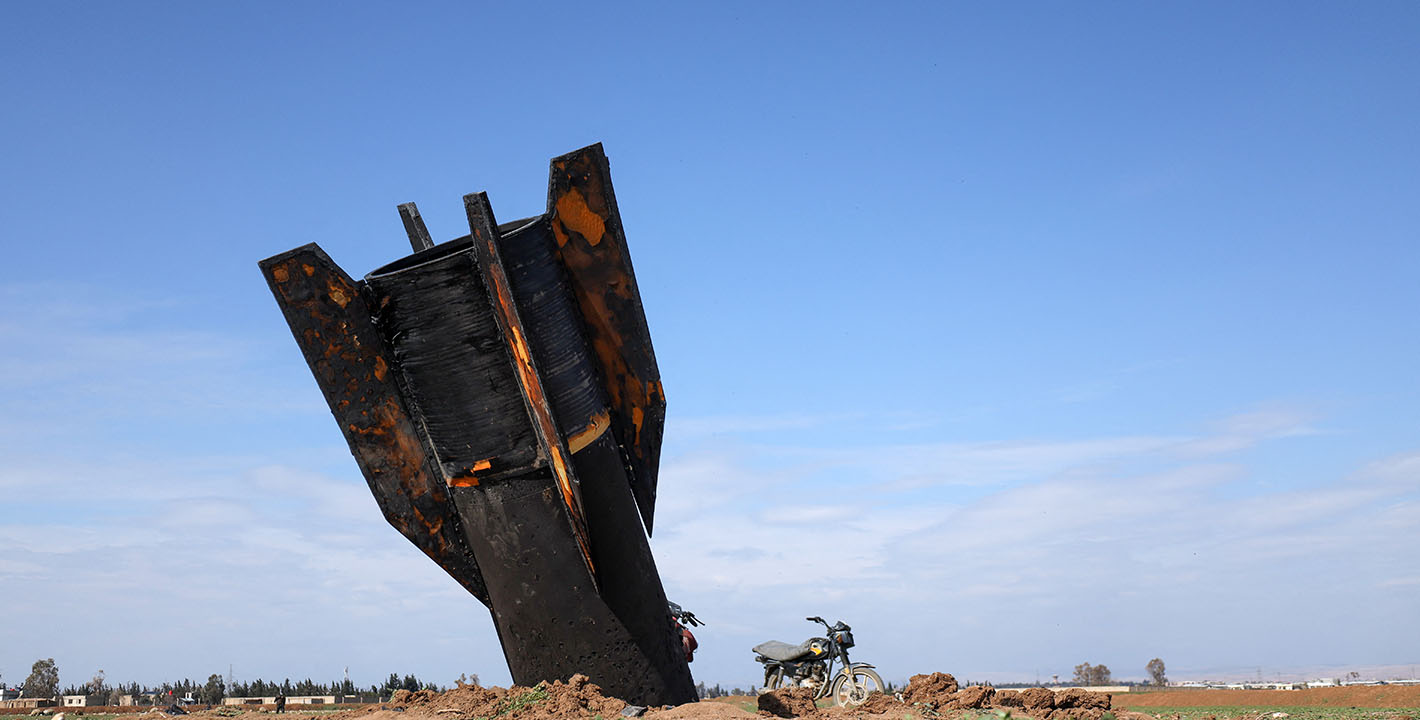
    The Greatest Dangers May Lie Ahead

    In an interview, Nicole Grajewski discusses the military dimension of the U.S. and Israeli attacks on Iran.

      Michael Young

  • Commentary
    Diwan
    Firepower Against Willpower

    In an interview, Naysan Rafati assesses the first week that followed the U.S. and Israeli attack on Iran.

      Michael Young
  • Commentary
    Diwan
    What Is Israel’s Plan in Lebanon?

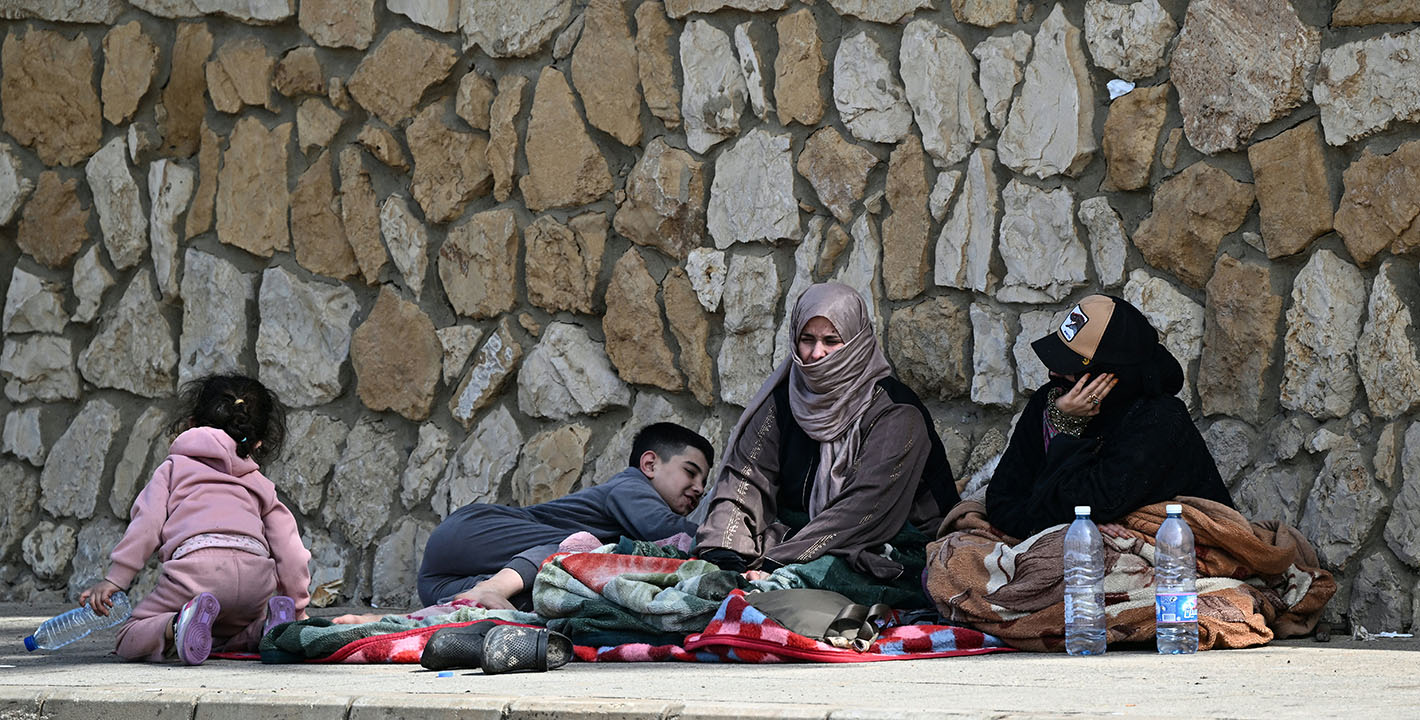
    At heart, to impose unconditional surrender on Hezbollah and uproot the party among its coreligionists.

      Yezid Sayigh

Get more news and analysis from
Malcolm H. Kerr Carnegie Middle East Center
Carnegie Middle East logo, white
  • Research
  • Diwan
  • About
  • Experts
  • Projects
  • Events
  • Contact
  • Careers
  • Privacy
  • For Media
Get more news and analysis from
Malcolm H. Kerr Carnegie Middle East Center
© 2026 Carnegie Endowment for International Peace. All rights reserved.