

In The Media
Josh Kurlantzick
{
  "authors": [
    "Josh Kurlantzick"
  ],
  "type": "legacyinthemedia",
  "centerAffiliationAll": "dc",
  "centers": [
    "Carnegie Endowment for International Peace"
  ],
  "collections": [],
  "englishNewsletterAll": "asia",
  "nonEnglishNewsletterAll": "",
  "primaryCenter": "Carnegie Endowment for International Peace",
  "programAffiliation": "AP",
  "programs": [
    "Asia"
  ],
  "projects": [],
  "regions": [
    "East Asia",
    "China"
  ],
  "topics": [
    "Political Reform",
    "Economy"
  ]
}
Source: Getty
Despite becoming more transparent in recent years, Beijing's first instinct, when presented with crises, is to slam the door. And as long as it does so, it will never truly enjoy the world's confidence.
Source: The New Republic

But the food scandals point to a much broader question about China: Despite becoming more transparent in recent years, Beijing's first instinct, when presented with crises, is to slam the door. And as long as it does so, it will never truly enjoy the world's confidence.
China's opaque political and economic systems are hardly new--for decades Sinologists have scrutinized each new generation of Chinese leaders, wondering how they fight it out within the Communist Party to choose a new boss like current leader Hu Jintao. But today China is far more interlinked with the world, and its problems cause global problems. When Severe Acute Respiratory Syndrome hit China four years ago, stonewalling by officials in Beijing may have allowed it to spread across Asia and to other continents. When China responded slowly to more recent outbreaks of avian flu and foot-and-mouth disease, it increased the risk of the disease spreading into Southeast Asia. When Beijing released little information about a series of recent mass deaths of pigs in southern China, it terrified its neighbors.
Even when China takes steps applauded by the world, other nations have trouble determining why it did so. For years, non-governmental organizations like Global Witness criticized China for abetting the illegal timber trade in northern Burma, home to valuable virgin forests. Over the past year, Chinese officials apparently cracked down, reducing the amount of timber imported from Burma and apparently helping to repatriate some Chinese migrants from Burma back to southwestern China. What caused this change? I asked many Burma experts. Few had a ready answer.
An authoritarian political system necessarily must be less transparent than a democracy. Yet in many ways China's system is even more opaque than other authoritarian regimes, like Taiwan or South Korea in the 1970s and 1980s. Because China simply is so much bigger than those countries, it contains provincial governments often able to act without the consent of Beijing. As a result, initiatives like progressive environmental planning by the central government, which has focused on renewable energy, fall on deaf ears in many provinces. So, too, any national attempts to clean up China's food and drug regulations may falter in provinces, where officials are focused on growth above all else.
Because China also is so much bigger and more powerful than those countries, it can defy foreign pressure to become more transparent. If international financial institutions, unsatisfied with how China cooperates on aid projects, pull out of the People's Republic, Beijing would hardly be in a dire situation--it has the vast cash reserves to do what it likes. By comparison, the World Bank was able to pressure the authoritarian but impoverished regime of Chad, which desperately needed a new oil project, to agree to use some of the proceeds for social welfare. What's more, the Chinese media, forced to be more financially self-sustaining than in the '80s, tends (like much of the world's media) to focus on scandals. Sometimes, this scandal-mongering has a positive effect, since it may expose massive corruption or environmental destruction. But the Chinese media rarely stays focused, over a long period of time, on improving government transparency, and journalists who push too hard still face the strong arm of the law.
In recent years, China has made enormous gains in global stature. As I often write, its diplomatic corps, staffed by younger and more sophisticated diplomats, has begun to engage with media, think-tanks, and diplomats in other nations. Its booming economy, and its willingness to take the lead on trade talks, has won it friends in many parts of Asia. It has surpassed the United States in popularity in several studies of global opinion. But it has not yet convinced many nations of what China will be like as a great power. Though it now publishes white papers on its defense industry, its neighbors--and the United States--still worry about its military ambitions. Though it assures other countries it will build a viable food and drug regulator, many nations doubt it can police its exports. When Beijing's first instinct, in crises, is to share what it knows, that fear will dissolve.

Former Visiting Scholar, China Program
A special correspondent for The New Republic, a columnist for Time, and a senior correspondent for The American Prospect, Kurlantzick assesses China’s relationship with the developing world, including Southeast Asia, Africa, and Latin America.
Recent Work
Josh Kurlantzick
Carnegie does not take institutional positions on public policy issues; the views represented herein are those of the author(s) and do not necessarily reflect the views of Carnegie, its staff, or its trustees.

Huawei pushed hard to enter the Egyptian data centers market, until the Americans made a better offer.

Angie Omar

The armed forces champion a form of capitalism that is generating revenue, but its reliance on rent faces diminishing returns, leaving the country with massive sunk costs and deferred returns, deepening dependency on external borrowing.

Yezid Sayigh
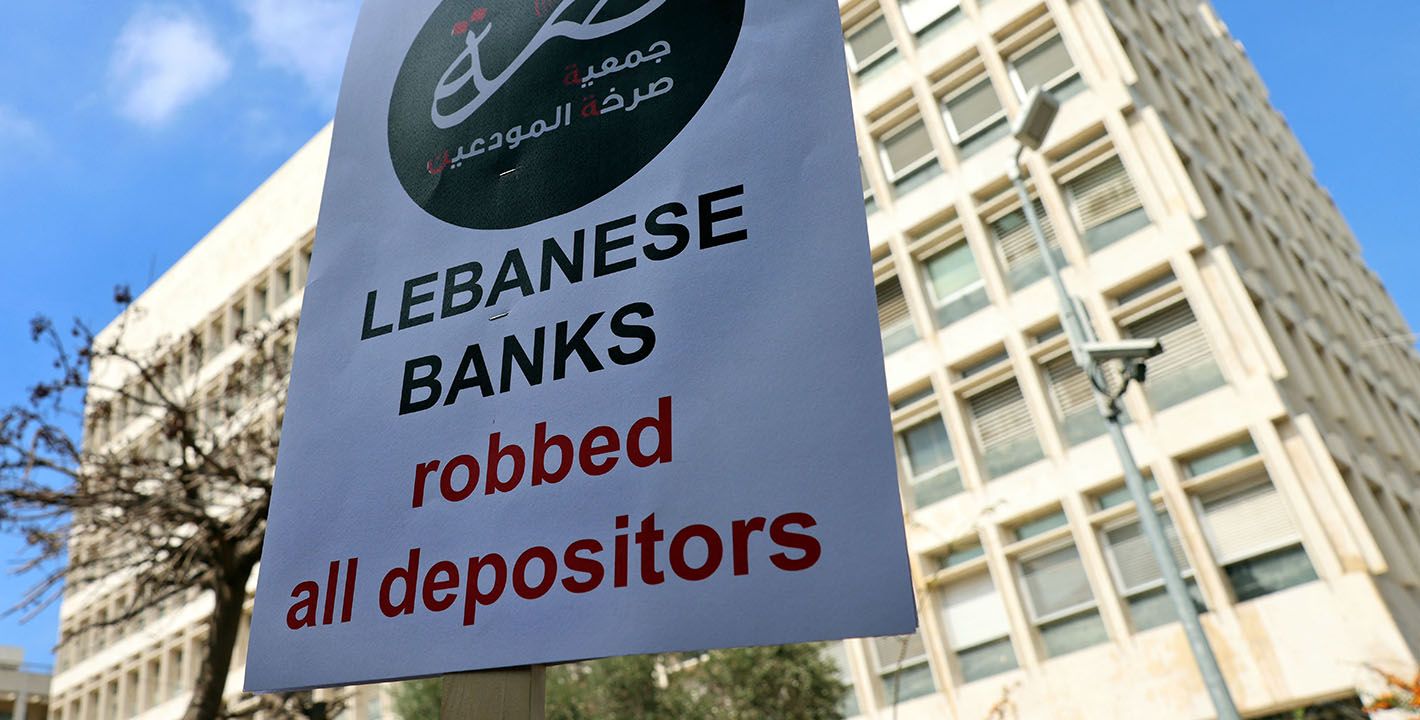
In an interview, Ishac Diwan looks at the merits and flaws in the draft legislation distributing losses from the financial collapse.

Michael Young
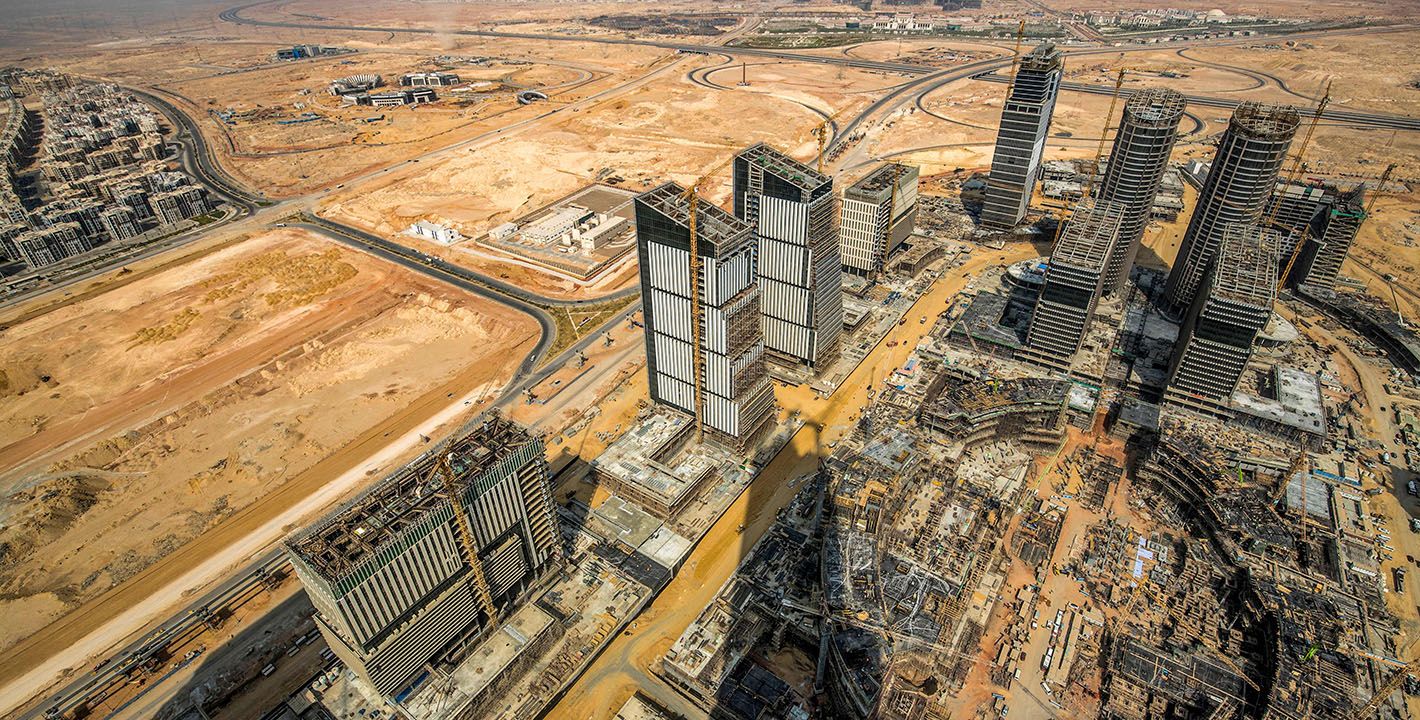
Mustaqbal Misr has expanded its portfolio with remarkable speed, but a lack of transparency remains.
Yezid Sayigh

Arab diaspora business communities in Egypt often mirror the same systemic challenges facing Egyptian businesses.

Nur Arafeh, Yezid Sayigh, Qaboul al-Absi, …