

Commentary
Amr Hamzawy
{
  "authors": [
    "Amr Hamzawy"
  ],
  "type": "legacyinthemedia",
  "centerAffiliationAll": "dc",
  "centers": [
    "Carnegie Endowment for International Peace"
  ],
  "collections": [],
  "englishNewsletterAll": "menaTransitions",
  "nonEnglishNewsletterAll": "",
  "primaryCenter": "Carnegie Endowment for International Peace",
  "programAffiliation": "MEP",
  "programs": [
    "Middle East"
  ],
  "projects": [],
  "regions": [
    "North Africa",
    "Morocco"
  ],
  "topics": [
    "Political Reform"
  ]
}
REQUIRED IMAGE
Nothing in Arab politics ought to encourage more hope than gradual democratisation in stable nation states. Sadly, last week's surprising results in Morocco's parliamentary elections, which thrust that country's democratic experience into the spotlight, demonstrates that political reform is under threat because of growing public disenchantment with the distribution of real power.
Source: Al-Ahram Weekly
Nothing in Arab politics ought to encourage more hope than gradual democratisation in stable nation states. Sadly, last week's surprising results in Morocco's parliamentary elections, which thrust that country's democratic experience into the spotlight, demonstrates that political reform is under threat because of growing public disenchantment with the distribution of real power.
Since King Mohamed VI came to the throne in 1999, a sustained process of political opening has been taking place in Morocco. But improvements have stopped short of addressing two central impediments to real democratisation: the concentration of power in royal hands, depriving the legislature of any real oversight, and the absence of credible checks and balances in the political machinery. Both have dimmed prospects for broader popular participation in the political process.
Contrary to earlier speculation, the recent Moroccan elections generated very little change in the country's political scene. The liberal conservatives of the Independence Party, a major partner in the former coalition government, finished the race in a leading position, whereas the Islamists of the Party of Justice and Development (PJD) finished second with a scanty four-seat gain from the 2002 elections (they now have 46 seats). A number of liberal, royalist and socialist factions won the bulk of the remaining parliamentary seats.
It is likely that the results will lead to a coalition with the Independence Party constituting the core of the new government. Most probably, the Islamist PJD, which failed to make the huge gains predicted for it in this election, will be left out of coalition negotiations. Fearing Islamist gains, the monarchy and major parties -- directly or indirectly -- warned against the inclusion of Islamists in government. The PJD's modest showing has spared, for now, both the monarchy and traditional political forces the painful task of including the party in the new government.
The outcome of the 2007 parliamentary elections in Morocco will not change the country's political scene fundamentally. The familiar story of political continuity amid slow and gradual liberalising reforms goes on. However, despite a considerable voting drive by the government, political parties and civil society, the unprecedented low voter turnout -- 37 per cent down from 51 per cent in 2002 and 58 per cent in 1997 -- represents a serious challenge to both the monarchy and political parties.
It appears that the parliament's inability to play an influential role and its weakness vis-à-vis the palace led to popular disenchantment with the democratic process. Unless the monarchy and parties reach a consensus on transferring power from the monarchy to parliament, the paradox of Moroccan politics -- sustained political opening amid shrinking popular participation -- will continue and endanger the prospects of democratic transition.

Director, Middle East Program
Amr Hamzawy is a senior fellow and the director of the Carnegie Middle East Program. His research and writings focus on Egypt’s and other middle powers’ involvement in regional security in the Middle East, particularly through collective diplomacy and multilateral conflict resolution
Recent Work
Amr Hamzawy
Amr Hamzawy, Kathryn Selfe
Carnegie does not take institutional positions on public policy issues; the views represented herein are those of the author(s) and do not necessarily reflect the views of Carnegie, its staff, or its trustees.

The armed forces champion a form of capitalism that is generating revenue, but its reliance on rent faces diminishing returns, leaving the country with massive sunk costs and deferred returns, deepening dependency on external borrowing.

Yezid Sayigh

Morocco and Algeria, each in its own way, are having to navigate the global economic fallout of the U.S.-Israeli military campaign against Iran.

Yasmine Zarhloule
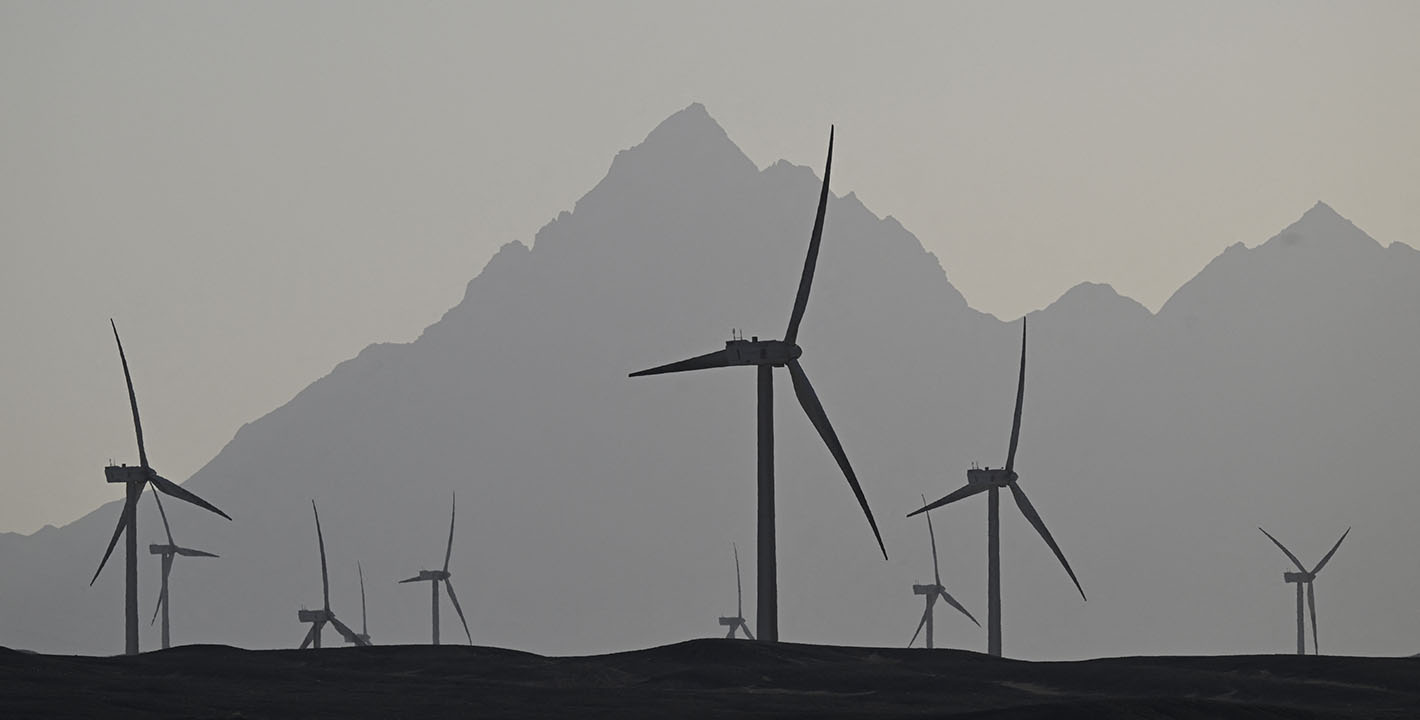
There is a disturbing structural parallel between the old global energy economy and the new green transition.

Angie Omar
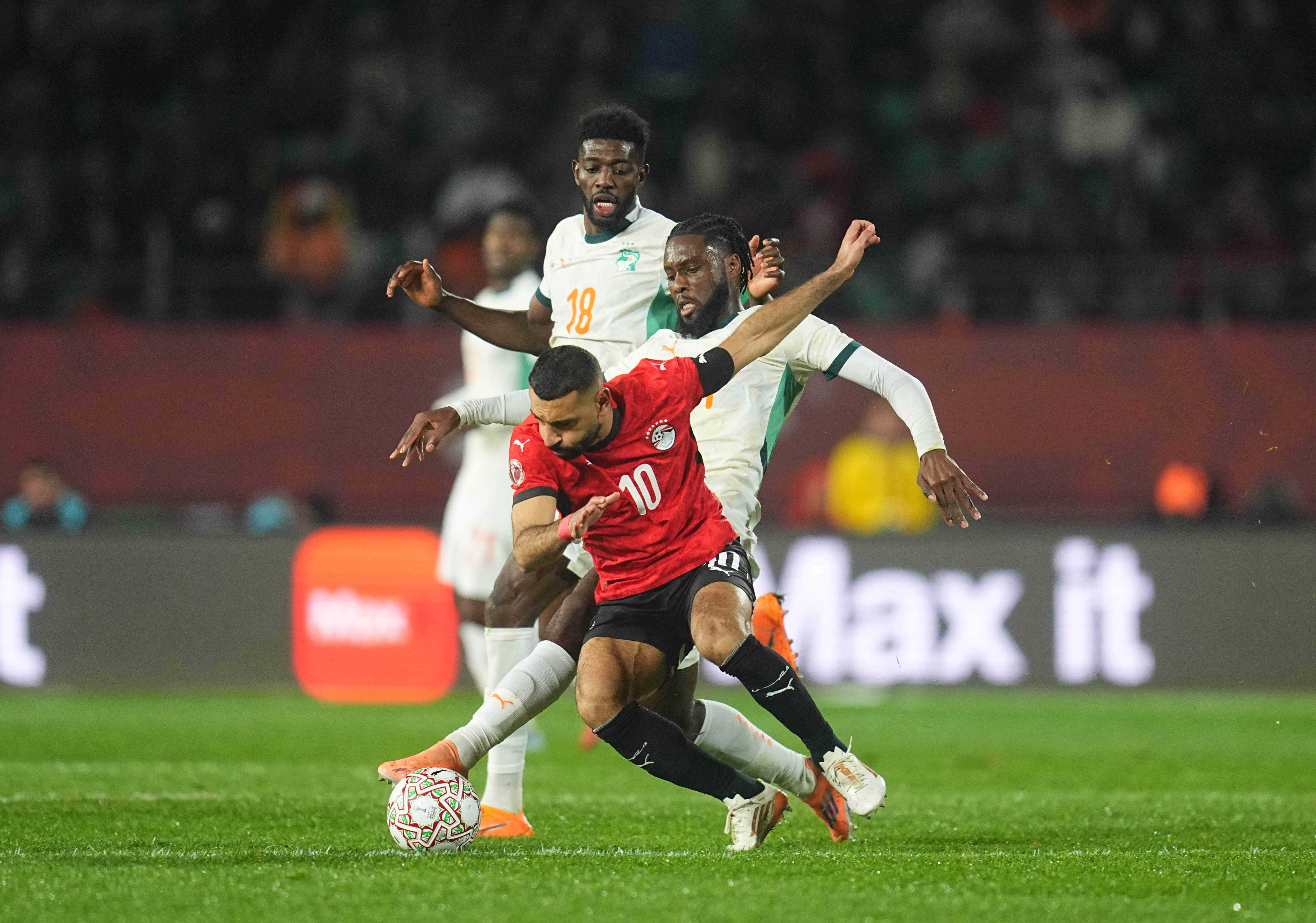
This will be the region’s most representative tournament, amid broad changes in its footballing landscape.

Issam Kayssi
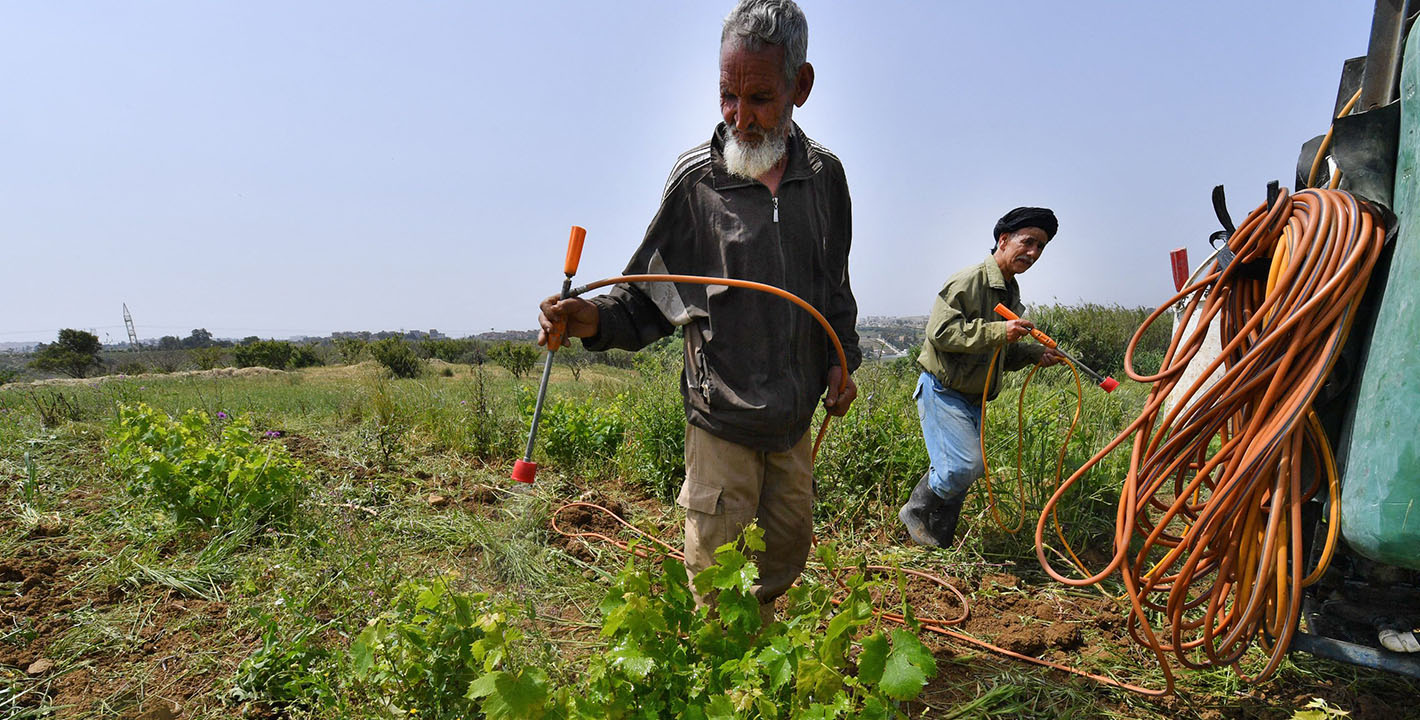
Understanding how farmers in the Oued Sahel-Soummam Valley grapple with climate change is essential for addressing the paradoxes through which adaptation, operating at both individual and institutional levels, deepens the region’s vulnerability and erodes the social fabric and agrarian identity that once defined life.
Ilyssa Yahmi