

In The Media
Josh Kurlantzick
{
  "authors": [
    "Josh Kurlantzick"
  ],
  "type": "legacyinthemedia",
  "centerAffiliationAll": "",
  "centers": [
    "Carnegie Endowment for International Peace"
  ],
  "collections": [],
  "englishNewsletterAll": "",
  "nonEnglishNewsletterAll": "",
  "primaryCenter": "Carnegie Endowment for International Peace",
  "programAffiliation": "",
  "programs": [],
  "projects": [],
  "regions": [
    "Southeast Asia"
  ],
  "topics": [
    "Political Reform",
    "Democracy"
  ]
}
Source: Getty
After making a few initial concessions to the international community, like allowing in a UN human rights investigator and permitting a government meeting with pro-democracy leaders, the Burmese junta has stood firm. In the weeks since the August and September protests, the military has scoured the country, rounding up demonstrators and shuttering monasteries.
Source: The New Republic

Three months later, the protests already seem long ago. After making a few initial concessions to the international community, like allowing in a UN human rights investigator and permitting a government meeting with pro-democracy leader and Nobel Peace Prize winner Aung San Suu Kyi, the Burmese junta has stood firm. In the weeks since the August and September protests, the military has scoured the country, rounding up demonstrators and shuttering monasteries. As during previous crackdowns, many monks have fled to Thailand, and the UN believes as many as 1,000 people remain in detention inside Burma from the Saffron protests. Despite meeting with Suu Kyi, the junta has declared that she will have no part in the launching of a new Burmese constitution.
No large-scale protests have erupted in Burma since September, and after initial rumors of a split in the junta, the military seems as united internally as ever. "The crackdown in Burma is far from over," Brad Adams, Asia director for Human Rights Watch, said recently. "Harsh repression continues, and the government is still lying about the extent of the deaths and detentions."
Yet after the immediate burst of interest, the world has moved on, just as it has after many other color revolutions. The Western media has once again relegated Burma to the back pages (if it reports on it at all); on Saturday, for example, The New York Times featured a thoughtful analysis of the Burmese crisis--but it ran on page A10. And on a political level, the UN has not imposed an arms embargo or financial sanctions on the Burmese regime. The Bush administration, though still clearly concerned about Burma, has had to turn its attention to other crises, like the even worse one in Pakistan.
China, the junta's most important patron, has continued to back Burma as well. Chinese officials clearly are worried about the junta's harsh tactics: Behind closed doors, China has prodded the Burmese to engage with Suu Kyi and to embrace economic reforms. Yet with few other nations applying real pressure on Burma, China will not step forward to push the regime.
The aftermath of the Burmese revolution fits into a much larger pattern of neglect. Burgeoning democracies, from Georgia to Lebanon, Ukraine to Kyrgyzstan, have triumphantly celebrated one color revolution after the next in recent years. Yet once the actual street protests die down, the West simply averts its gaze, or remains so enthralled by the initial protests that it ignores the challenges of post-revolution societies. And without continued foreign attention, the color revolutions rarely deliver upon their promises.
Sometimes, the protests initially succeed in replacing a dubious regime with seeming democrats, only to watch the new leaders adopt the habits of the old. Take Georgia's current president Mikheil Saakashvili. President Bush heaped praise on the Georgian leader directly following the Rose revolution. When the two leaders met in 2005, Bush proclaimed, "What I find on [President Saakashvili's] mind is very refreshing. He loves democracy and loves freedom .... The Rose revolution was a powerful moment in modern history. It not only inspired the people of Georgia; it inspired others around the world that want to live in a free society."
But three years after officially taking office, and with little international oversight, Saakashvili has governed in an increasingly autocratic manner. This fall, he used riot police to disperse protests by opposition activists, leaving hundreds injured. Then, as protests swelled, he declared a state of emergency that allowed him to stifle local media; opposition leaders were left with little choice but to flee. In response, the White House has pushed Saakashvili to hold new elections, but has not taken tougher measures, like threatening to cut off assistance to Georgia.
Other times, the color revolutions fizzle. In Lebanon, the jubiliant protests disintegrated into a new round of communal bloodletting and political stasis. In Kyrgyzstan, political in-fighting and corruption have spoiled the Tulip Revolution, and President Kurmanbek Bakiyev has turned authoritarian. And in all these cases, Western democracies have paid little attention.
But the international community can't disappear right after the initial color revolution; the end of regular news coverage is often just the beginning of the real challenge. Outside pressure helped force the Burmese junta's initial concessions, but Burma's neighbors have since turned silent. As the Times notes, the Association of Southeast Asian Nations (Asean), the most important regional grouping, held a meeting in November at which the UN special envoy to Burma was supposed to speak. Asean canceled his appearance, though, after Burma asked it to do so--a telling sign of fealty. But if major Asean members were to defy the current government and publicly keep up pressure on the junta, or even enact financial sanctions, it would force Burma's hand and let the regime know the world is still watching. Continued pressure also might compel China, the most important influence in Burma, to take a stronger stand.
Similar strategies could work in other color revolution nations, too. Just by demonstrating to Georgia that it's taking an interest, the administration helped prod Saakashvili to hold new elections. Proving that there are watchful eyes monitoring Georgia--or Kyrgyzstan, or Ukraine--keeps would-be authoritarians on their toes. Even better, setting real benchmarks, which would be linked to assistance, would provide roadmaps for these new democracies and help ensure the color doesn't fade.

Former Visiting Scholar, China Program
A special correspondent for The New Republic, a columnist for Time, and a senior correspondent for The American Prospect, Kurlantzick assesses China’s relationship with the developing world, including Southeast Asia, Africa, and Latin America.
Recent Work
Josh Kurlantzick
Carnegie does not take institutional positions on public policy issues; the views represented herein are those of the author(s) and do not necessarily reflect the views of Carnegie, its staff, or its trustees.
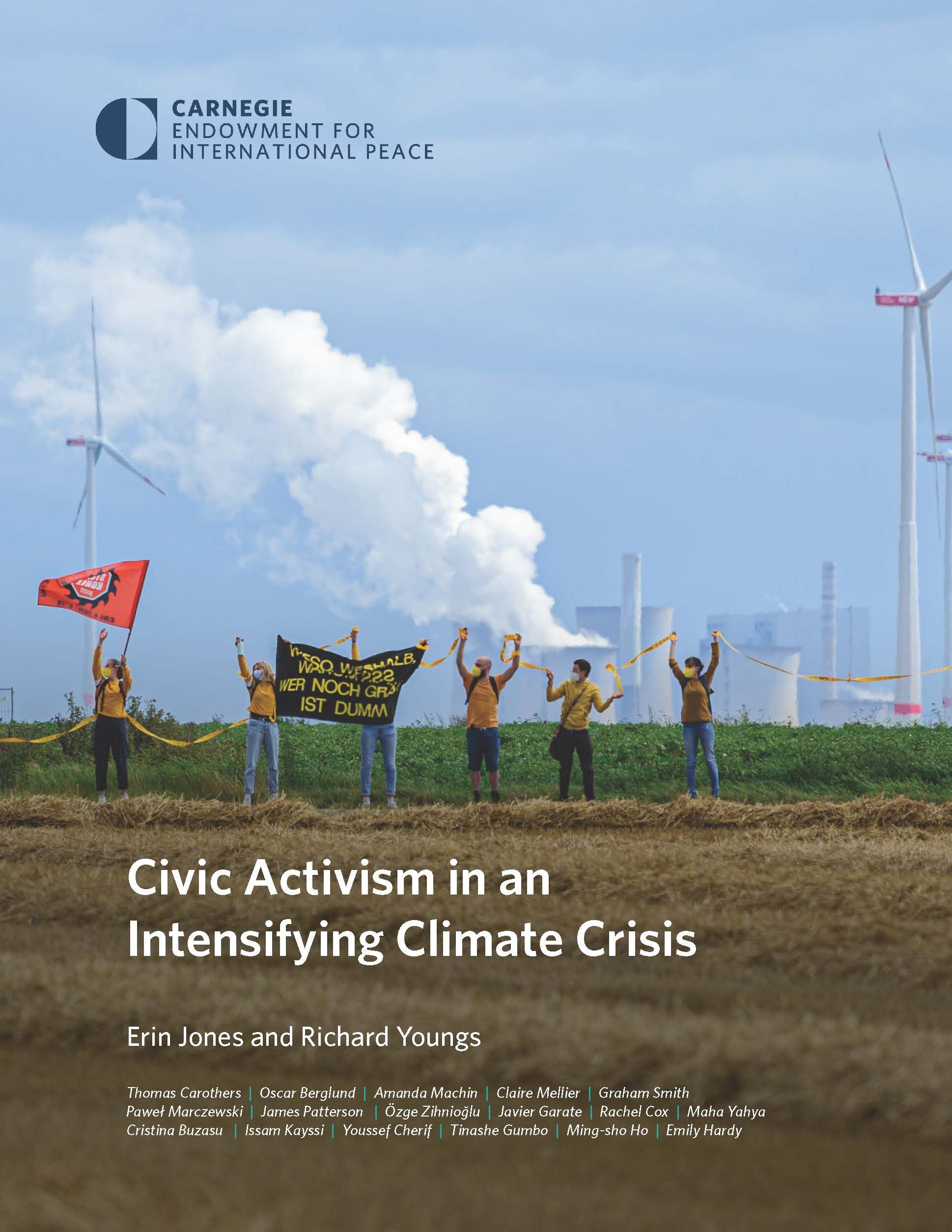
To address the deepening climate crisis, climate activism is employing a wider variety of tactics and aiming at a broader set of goals. In response, the movement faces stronger repression and civic backlash against climate action.

Erin Jones, Richard Youngs
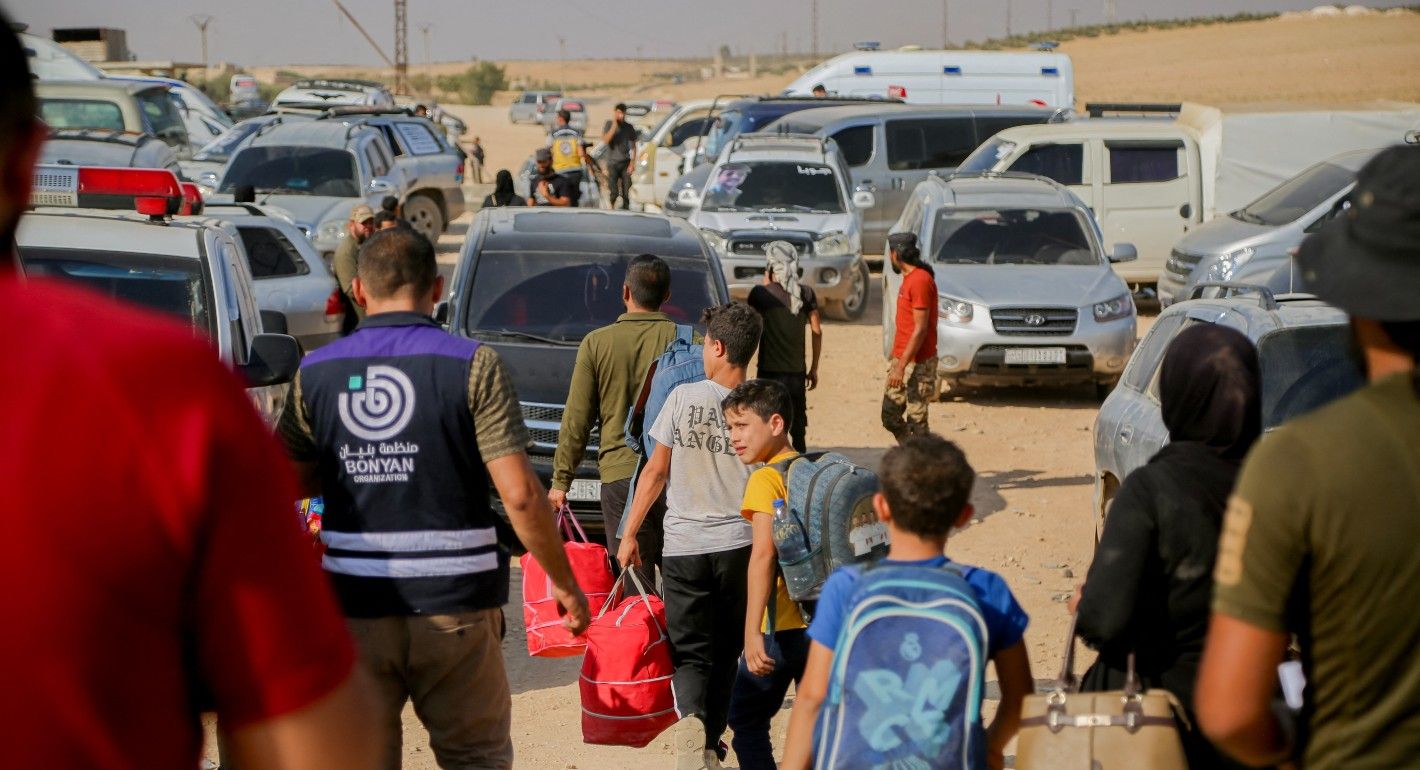
A humanitarian crisis in Lebanon deepens, and Syrian refugees face a perilous choice: remain in a war-torn environment or return to Syria where they risk encountering significant dangers and discrimination. There are significant challenges and risks to their search for safety in Syria.
Haid Haid
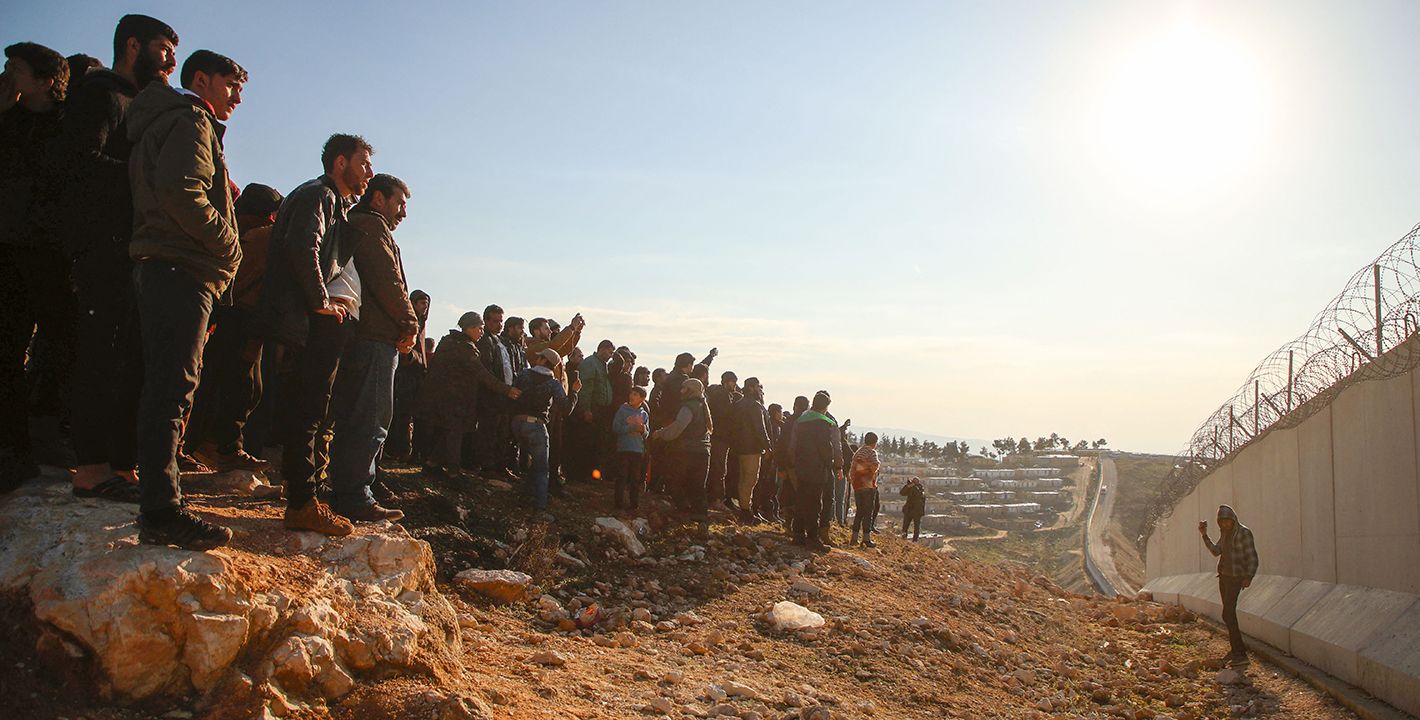
In Syria’s border regions, changes in demographics, economics, and security mean that an inter-Syrian peace process will require consensus among main regional powers that Syria must remain united, that no one side can be victorious, and that perennial instability threatens the region.


Kheder Khaddour, Armenak Tokmajyan
The interaction of national armed forces and private business sectors offers a useful lens for viewing the politics of numerous countries of the so-called Global South. A rising trend of military political activism—often accompanied by military commercial activity—underlines the importance of drivers and outcomes in these relationships.

Yezid Sayigh, Hamza Meddeb
For many in the society, the post-Ben Ali years were mainly about successive economic crises and political instability.
Jasmine Khelil