

In The Media
Jessica Tuchman Mathews
{
  "authors": [
    "Jessica Tuchman Mathews"
  ],
  "type": "legacyinthemedia",
  "centerAffiliationAll": "dc",
  "centers": [
    "Carnegie Endowment for International Peace"
  ],
  "collections": [
    "U.S. Nuclear Policy"
  ],
  "englishNewsletterAll": "ctw",
  "nonEnglishNewsletterAll": "",
  "primaryCenter": "Carnegie Endowment for International Peace",
  "programAffiliation": "NPP",
  "programs": [
    "Nuclear Policy",
    "Middle East"
  ],
  "projects": [],
  "regions": [
    "North America",
    "United States",
    "Middle East"
  ],
  "topics": [
    "Political Reform",
    "Foreign Policy"
  ]
}
Source: Getty
Source: Minnesota Public Radio

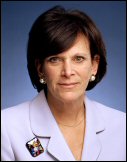
Carnegie President Jessica T. Mathews appeared on Minnesota Public Radio to discuss the state of U.S. foreign policy and provided recommendations on how the next president can improve credibility in the world. Mathews argued that the most pressing foreign policy issues—nuclear nonproliferation and global warming—require multilateral cooperation and U.S. commitment to international agreements. "We have to show that we are willing to live by a set of international rules, if we want anyone else to live by them also."


Distinguished Fellow
Mathews is a distinguished fellow at the Carnegie Endowment for International Peace. She served as Carnegie’s president for 18 years.
Recent Work
Jessica Tuchman Mathews
Jessica Tuchman Mathews
Carnegie does not take institutional positions on public policy issues; the views represented herein are those of the author(s) and do not necessarily reflect the views of Carnegie, its staff, or its trustees.
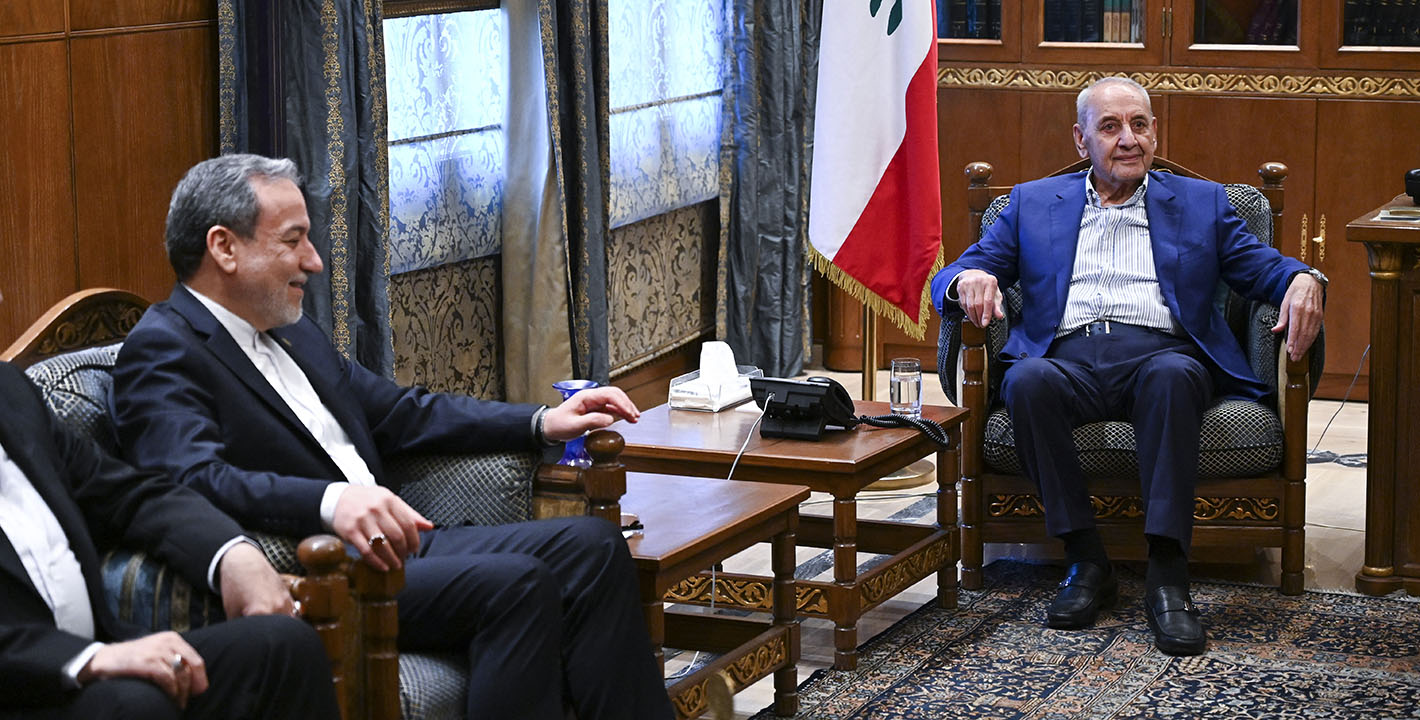
A prerequisite of serious talks is that the country’s leadership consolidates majority national support for such a process.

Michael Young
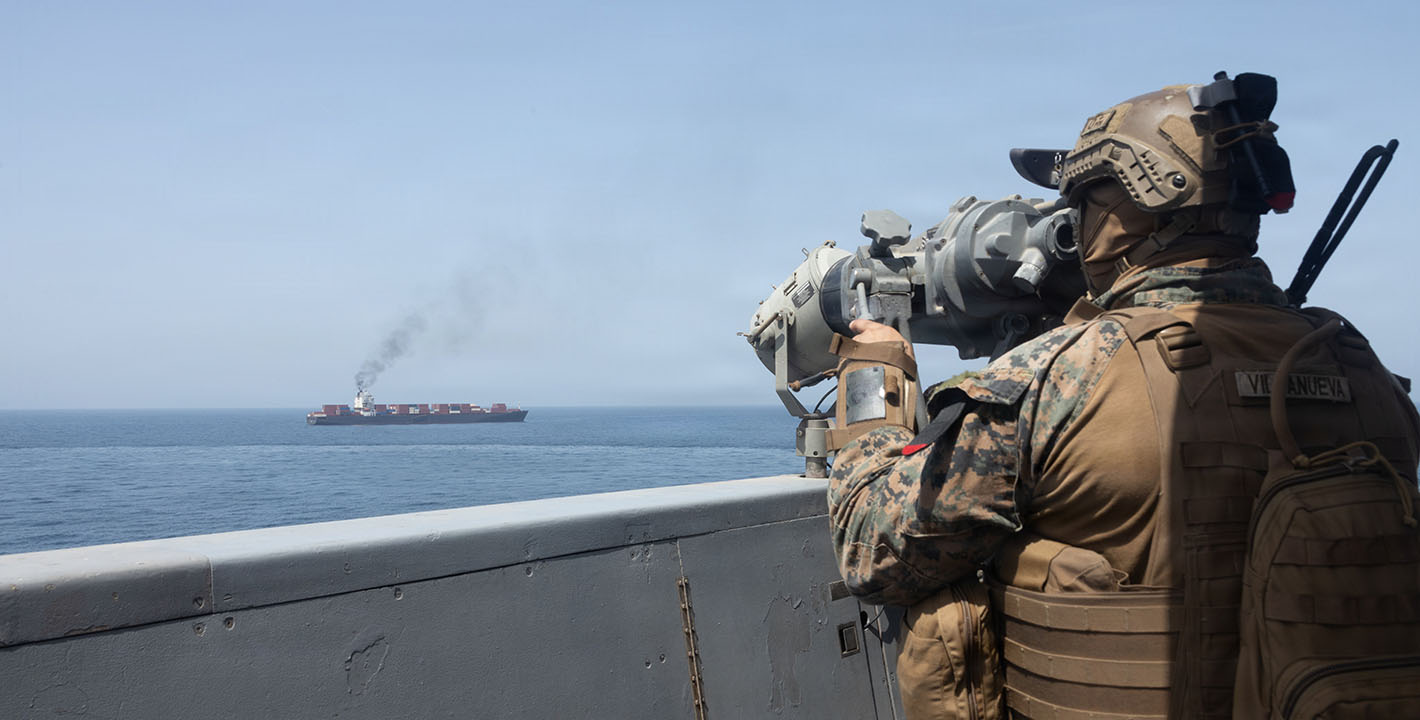
In an interview, Jim Lamson discusses the ongoing regional conflict and sees an unclear picture when it comes to winners and losers.
Michael Young
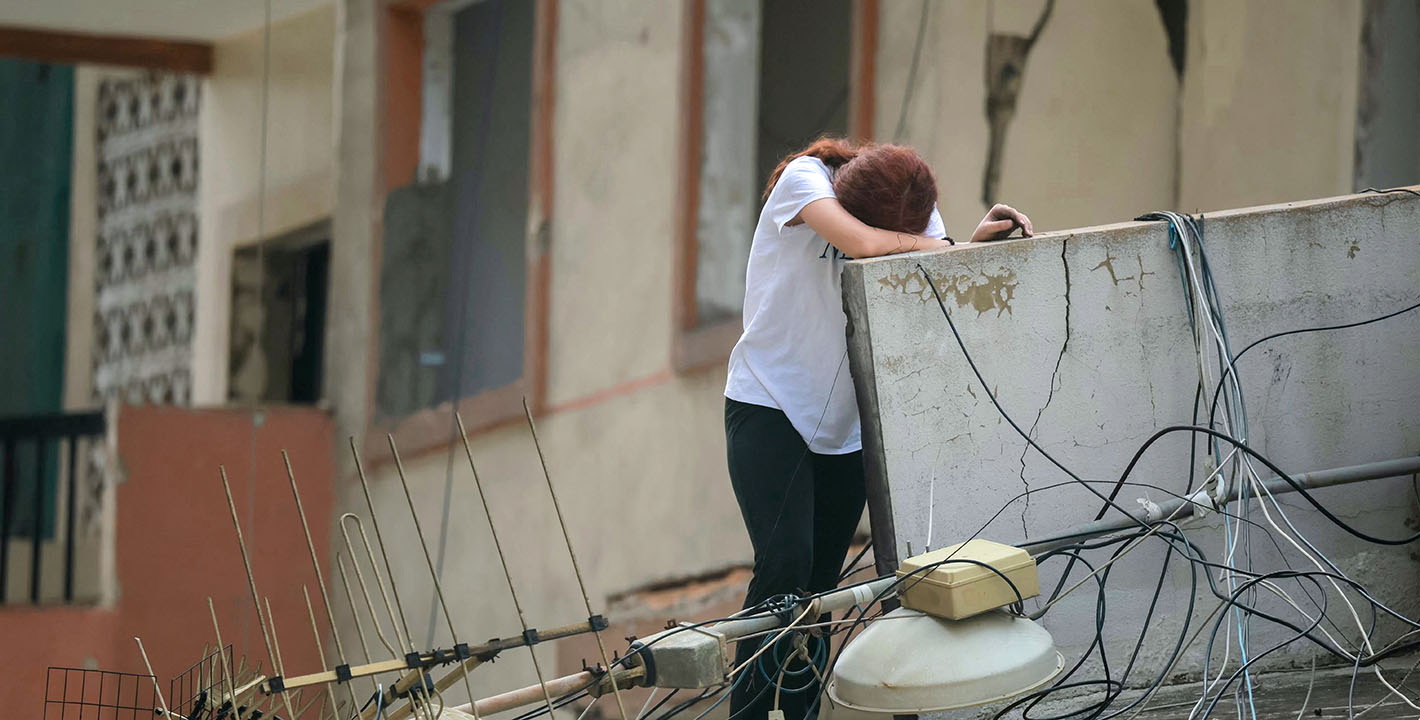
Unless Beirut lowers expectations, any setbacks will end up bolstering Hezbollah’s narrative.

Mohanad Hage Ali
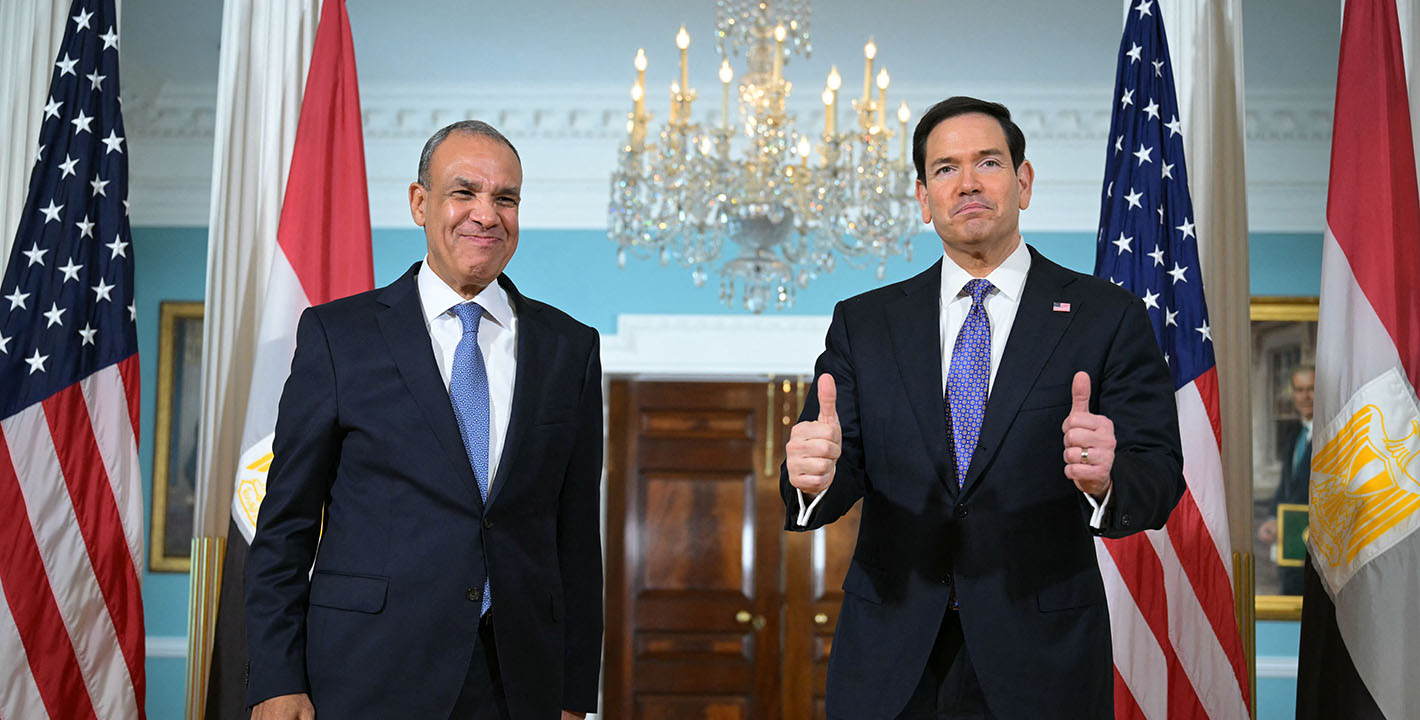
Cairo’s efforts send a message to the United States and the region that it still has a place at the diplomatic table.

Angie Omar
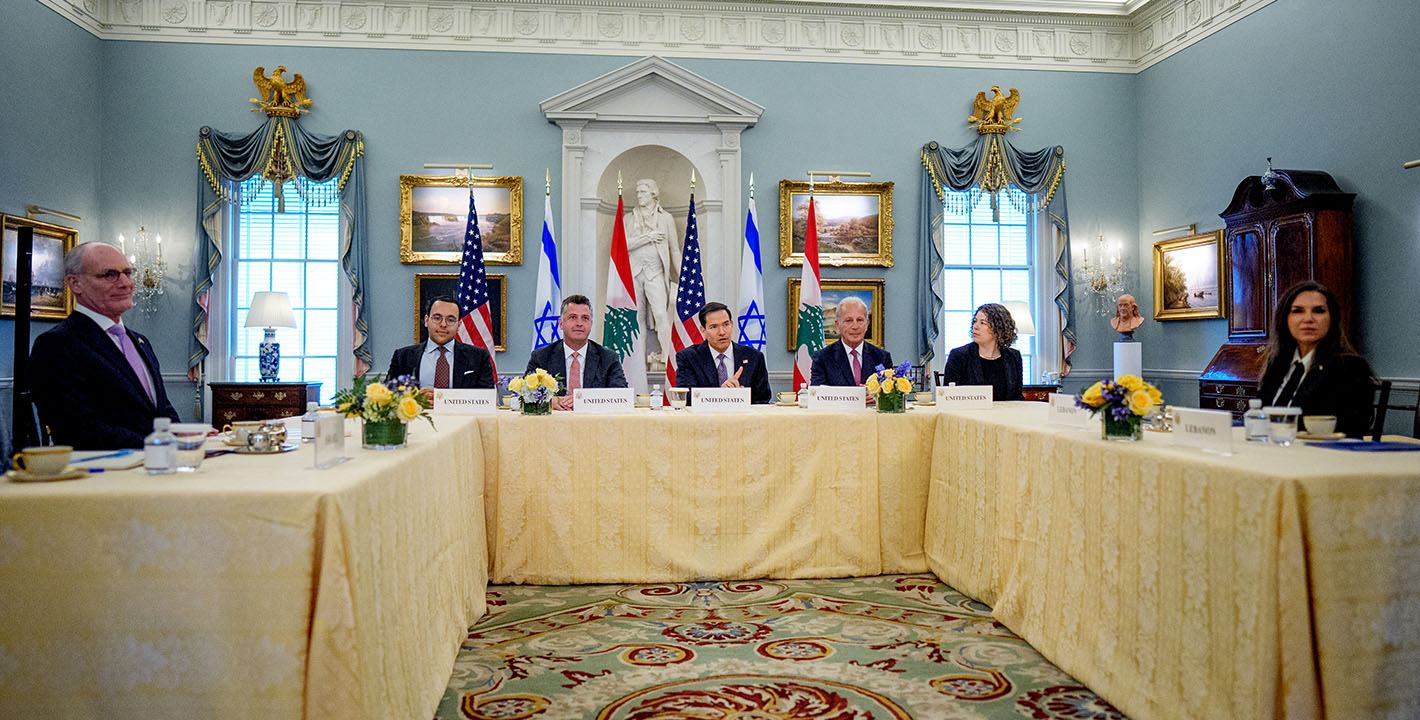
Beirut’s desire to break free from Iranian hegemony may push it into a situation where it has to accept Israel’s hegemony.
Michael Young