

Commentary
In an interview, Ian Lustick and Eli Clifton discuss their new book on why a prominent ally has so much influence in America.
Michael Young
{
  "authors": [
    "Jessica Tuchman Mathews",
    "Dmitri Trenin"
  ],
  "type": "legacyinthemedia",
  "centerAffiliationAll": "dc",
  "centers": [
    "Carnegie Endowment for International Peace"
  ],
  "collections": [],
  "englishNewsletterAll": "menaTransitions",
  "nonEnglishNewsletterAll": "",
  "primaryCenter": "Carnegie Endowment for International Peace",
  "programAffiliation": "MEP",
  "programs": [
    "Middle East"
  ],
  "projects": [],
  "regions": [
    "North America",
    "United States",
    "Middle East",
    "Iran",
    "Syria"
  ],
  "topics": [
    "Political Reform",
    "Security",
    "Military",
    "Foreign Policy",
    "Nuclear Policy"
  ]
}
Source: Getty
America’s relationship with the world is in disrepair. Anger, resentment, and fear have replaced the respect the United States once enjoyed. The next U.S. president should improve relations with Syria, and the mullahs in Tehran may be willing to shelve their nuclear plans permanently in exchange for a little face time with the United States.
Source: Foreign Policy
America's relationship with the world is in disrepair. Anger, resentment, and fear have replaced the respect the United States once enjoyed. Foreign Policy magazine asked a group of the world's leading thinkers,(including two Carnegie experts) to answer one question: What single policy or gesture can the next president of the United States make to improve America's standing in the world?

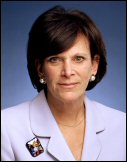
Carnegie President Jessica T. Mathews explains why she believes the next U.S. president should improve relations with Syria. “Syria seems to have come to the conclusion that it would rather have a relationship with the West than simply be isolated in a pot with Iran,” she argues. “Given that we have so few positive options in the Middle East, this seems to me to be an obvious opportunity that we have ignored.” Click here to read the interview about Mathews' article.
Mathews' full article is only available to FP subscribers. A short excerpt is available here: What America Must Do: Open the Door To Damascus, Foreign Policy, January/February 2008.

Carnegie's Dmitri Trenin explains that the mullahs in Tehran may be willing to shelve their nuclear plans permanently in exchange for a little face time with the United States. “The United States needs to impress upon Iran that it considers Iran a major power in the region, and that it recognizes it has legitimate interests,” he argues. “So, when the United States deals with countries such as Iran and Afghanistan, it will do so in consultation with Iran.” Click here to read the interview about Trenin's article.
Trenin's full article is only availble to FP subscribers. A short excerpt is available here: What America Must Do: Travel to Tehran, Foreign Policy, January/February 2008.
Click here for more expert answers to the question: What single policy or gesture can the next president of the United States make to improve America’s standing in the world?

Distinguished Fellow
Mathews is a distinguished fellow at the Carnegie Endowment for International Peace. She served as Carnegie’s president for 18 years.
Former Director, Carnegie Moscow Center
Trenin was director of the Carnegie Moscow Center from 2008 to early 2022.
Carnegie does not take institutional positions on public policy issues; the views represented herein are those of the author(s) and do not necessarily reflect the views of Carnegie, its staff, or its trustees.

In an interview, Ian Lustick and Eli Clifton discuss their new book on why a prominent ally has so much influence in America.

Michael Young

As the U.S. stumbles in its war with Iran, we are likely to see an acceleration of its disengagement from the region.
Michael Young

Huawei pushed hard to enter the Egyptian data centers market, until the Americans made a better offer.

Angie Omar

Middle Eastern states should welcome an accelerated U.S. disengagement from their region.
Michael Young

In an interview, former ambassador Charles Freeman assesses the Trump administration’s war against Iran.
Michael Young