

In The Media
Michele Dunne, Robert Kagan
{
  "authors": [
    "Robert Kagan"
  ],
  "type": "legacyinthemedia",
  "centerAffiliationAll": "",
  "centers": [
    "Carnegie Endowment for International Peace"
  ],
  "collections": [],
  "englishNewsletterAll": "",
  "nonEnglishNewsletterAll": "",
  "primaryCenter": "Carnegie Endowment for International Peace",
  "programAffiliation": "",
  "programs": [],
  "projects": [],
  "regions": [
    "North America",
    "South America"
  ],
  "topics": [
    "Political Reform"
  ]
}
REQUIRED IMAGE
The long-awaited "resignation" of Fidel Castro may give both Cubans and Americans a chance to escape the trap they've been in for more than four decades. Fidel's brother Raúl will now officially become Cuba's maximum leader, a role he has held unofficially throughout Castro's long debility. That the Cuban leadership has finally reached the point where it must announce a changing of the dictatorial guard indicates this is a good time for the United States to suggest a different and more hopeful course. Instead of passing the torch to a new generation of dictators, Cuba's leaders could commit themselves to hold free and fair elections by the end of this year. And they could begin by unconditionally releasing all the political prisoners held in their jails.
Source: The Washington Post
The long-awaited "resignation" of Fidel Castro may give both Cubans and Americans a chance to escape the trap they've been in for more than four decades. Fidel's brother Raúl will now officially become Cuba's maximum leader, a role he has held unofficially throughout Castro's long debility. That the Cuban leadership has finally reached the point where it must announce a changing of the dictatorial guard indicates this is a good time for the United States to suggest a different and more hopeful course. Instead of passing the torch to a new generation of dictators, Cuba's leaders could commit themselves to hold free and fair elections by the end of this year. And they could begin by unconditionally releasing all the political prisoners held in their jails.
To encourage the broader transition to democracy, the United States should be more than a passive spectator. It can now use the leverage it has long held but been unable to use while Fidel was in charge. In exchange for Cuba's holding free and fair elections, monitored and certified over the entire electoral cycle by respected international election monitors, the Bush administration could offer to ease and eventually lift the economic embargo against Cuba and to restore full political, diplomatic and economic relations with the island nation.
The lifting of the embargo could be undertaken in stages linked to the fulfillment by the Cuban government of key conditions necessary for holding elections. These would include allowing genuine independent opposition parties to function, freeing the press and other media and opening them up to the opposition, allowing international nongovernmental organizations to provide elections training and technical assistance to the Cuban people -- in short, taking all the steps necessary to hold a full election campaign in which opposition parties have an equal chance to participate and compete.
With international monitors in place months in advance of any vote, the actions of the Cuban government could be watched and evaluated for compliance by members of the U.S. Congress and respected international figures. The Bush administration could determine at each stage whether conditions had been met that would allow the gradual lifting of specific aspects of the embargo.
There is, of course, ample precedent for this kind of internationally supervised electoral process, especially in Latin America. The first Bush administration supported a similar process in Nicaragua in 1989 and 1990, which culminated in the election of Violeta Chamorro as president.
But, some may ask, why not just wait and see what Castro's successor does before making such an offer? Because it's important for the Cuban people and the world to see that the United States seeks only their freedom and prosperity and is prepared to deal with any government legitimately chosen by a fair vote. It is perhaps even more important that Cuba's new ruler be confronted publicly by a clear choice: Continue a dictatorship and prolong the Cuban people's suffering, or hold free and fair elections and open the door to a new era of hope and prosperity for Cuba. If the Cuban leadership makes the wrong choice, it alone will be responsible for what follows.
Some Americans who have long opposed the embargo may recommend lifting it immediately and unconditionally. Some European nations seem eager to seize on the changing of the guard in Cuba to normalize relations. But to do so without demanding irreversible reforms first would be a tragic error. At this stage in history, we ought to know that merely opening up trade and relations with Cuba will not guarantee that it will become democratic.
On the contrary, Cuba's next dictator will try to control and manipulate the flow of foreign investment and the behavior of foreign visitors, just as China's, Russia's and Venezuela's leaders do. Increased tourism will not change Cuba any more than it has changed China. And anyone who counts on American corporations to favor democracy over profits in Cuba obviously has not been paying attention to American corporate practices in foreign lands over the past 30 years. To lift the embargo and normalize relations without a demand for internationally supervised democratic elections could well consign the Cuban people to another decade or more of tyranny and squander a rare chance to help them change their future.
The United States will have only one chance to lift the embargo. Once lifted, it will be almost impossible to reimpose. It is important, therefore, that the United States play this card in exchange for the only meaningful prize: a Cuba that, after all these years, is both independent and democratic.
Robert Kagan, a senior associate at the Carnegie Endowment for International Peace and transatlantic fellow at the German Marshall Fund, writes a monthly column for The Post.
Former Senior Associate
Kagan, author of the recent book, The Return of History and the End of Dreams (Knopf 2008), writes a monthly column on world affairs for the Washington Post and is a contributing editor at both the Weekly Standard and the New Republic.
Recent Work

Michele Dunne, Robert Kagan
Robert Kagan, Michele Dunne
Carnegie does not take institutional positions on public policy issues; the views represented herein are those of the author(s) and do not necessarily reflect the views of Carnegie, its staff, or its trustees.
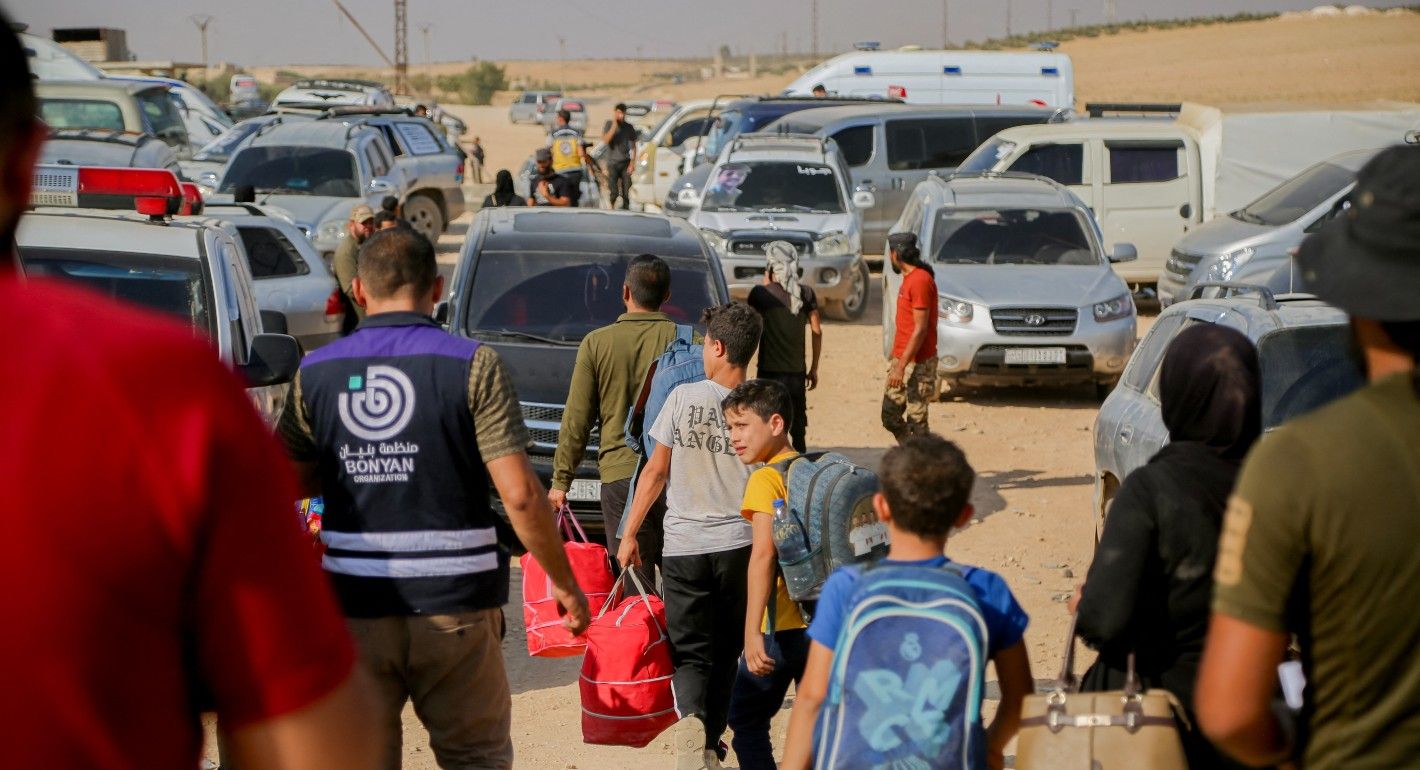
A humanitarian crisis in Lebanon deepens, and Syrian refugees face a perilous choice: remain in a war-torn environment or return to Syria where they risk encountering significant dangers and discrimination. There are significant challenges and risks to their search for safety in Syria.
Haid Haid
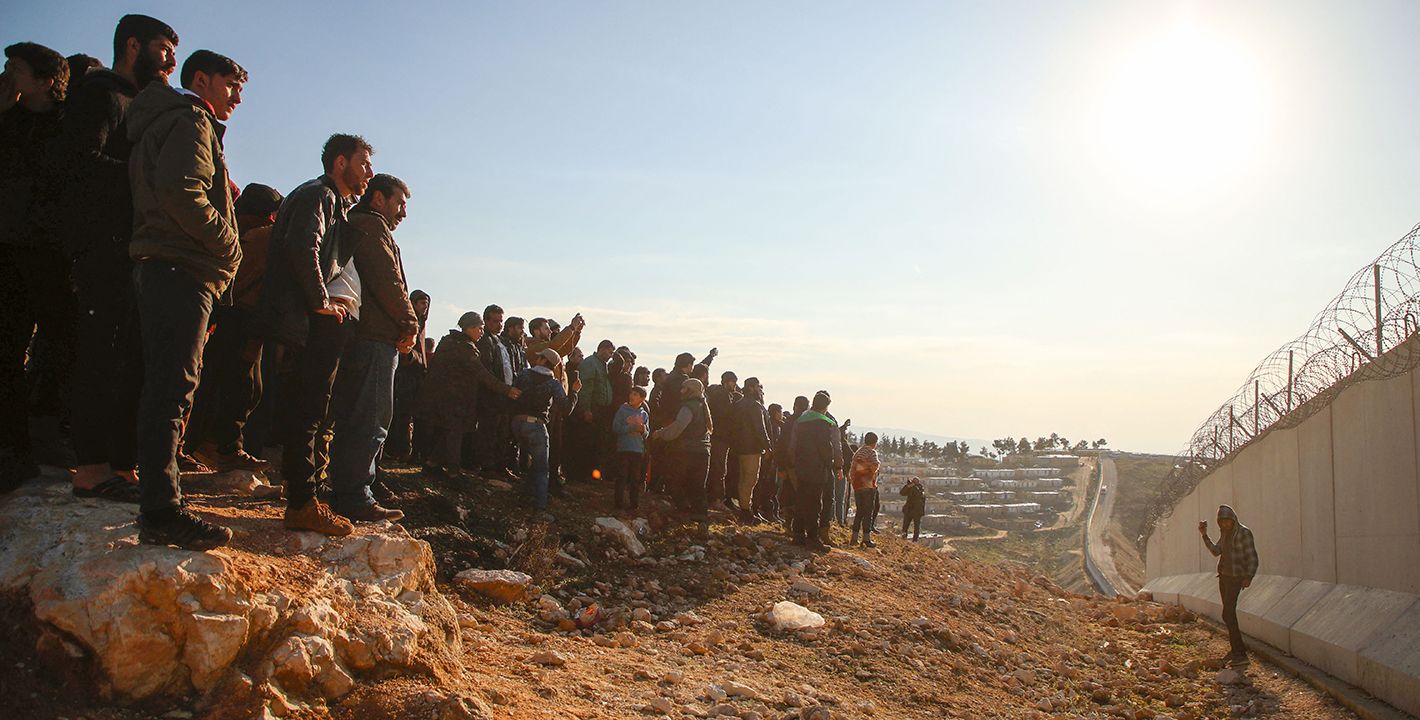
In Syria’s border regions, changes in demographics, economics, and security mean that an inter-Syrian peace process will require consensus among main regional powers that Syria must remain united, that no one side can be victorious, and that perennial instability threatens the region.


Kheder Khaddour, Armenak Tokmajyan
The interaction of national armed forces and private business sectors offers a useful lens for viewing the politics of numerous countries of the so-called Global South. A rising trend of military political activism—often accompanied by military commercial activity—underlines the importance of drivers and outcomes in these relationships.

Yezid Sayigh, Hamza Meddeb
For many in the society, the post-Ben Ali years were mainly about successive economic crises and political instability.
Jasmine Khelil
The Biden administration’s plan for the “day after” in Gaza would be disastrous without the promise of Palestinian statehood.
Yezid Sayigh