

Commentary
Nathan J. Brown
{
  "authors": [
    "Nathan J. Brown"
  ],
  "type": "other",
  "centerAffiliationAll": "dc",
  "centers": [
    "Carnegie Endowment for International Peace",
    "Malcolm H. Kerr Carnegie Middle East Center"
  ],
  "collections": [],
  "englishNewsletterAll": "menaTransitions",
  "nonEnglishNewsletterAll": "",
  "primaryCenter": "Malcolm H. Kerr Carnegie Middle East Center",
  "programAffiliation": "MEP",
  "programs": [
    "Middle East"
  ],
  "projects": [],
  "regions": [
    "Middle East",
    "Israel",
    "Palestine"
  ],
  "topics": [
    "Political Reform",
    "Economy",
    "Foreign Policy"
  ]
}
Source: Getty
The Middle East peace process will fail unless Palestinian political institutions are rebuilt. The international efforts to rebuild Palestine are in reality counterproductive. Instead, a long-term international strategy based on restoring Palestinian institutions, encouraging a Fatah–Hamas agreement, and emphasizing regional diplomacy are needed.
Source: Carnegie Endowment

In The Road Out of Gaza, Palestinian expert Nathan J. Brown discusses the economic and political disarray not only in Gaza and the West Bank but within Hamas and Fatah as well, and argues that the international efforts to rebuild Palestine are in reality counterproductive. Brown suggests a long-term international strategy based on restoring Palestinian institutions, encouraging a Fatah–Hamas agreement, and emphasizing regional diplomacy.
Key Conclusions:
“The risks of a strategy of ensnaring Hamas in traps laid by public opinion (expressed in part through elections), Arab diplomacy, and Palestinian political procedures are very real. But the path seems far more likely to pay off—both in security and diplomatic terms—than the current strategy of total isolation, abstract diplomacy, aid, and intermittent military operations,” concludes Brown.
This is a web-only publication.
About the Author
Nathan J. Brown is a nonresident senior associate at the Carnegie Endowment and is also professor of political science and international affairs and director of the Middle East Studies Program at the George Washington University. His past work has focused on Palestinian politics and on the rule of law and constitutionalism in the Arab world.

Nonresident Senior Fellow, Middle East Program
Nathan J. Brown, a professor of political science and international affairs at George Washington University, is a distinguished scholar and author of nine books on Arab politics and governance, as well as editor of five books.
Recent Work
Nathan J. Brown
Nathan J. Brown
Carnegie does not take institutional positions on public policy issues; the views represented herein are those of the author(s) and do not necessarily reflect the views of Carnegie, its staff, or its trustees.
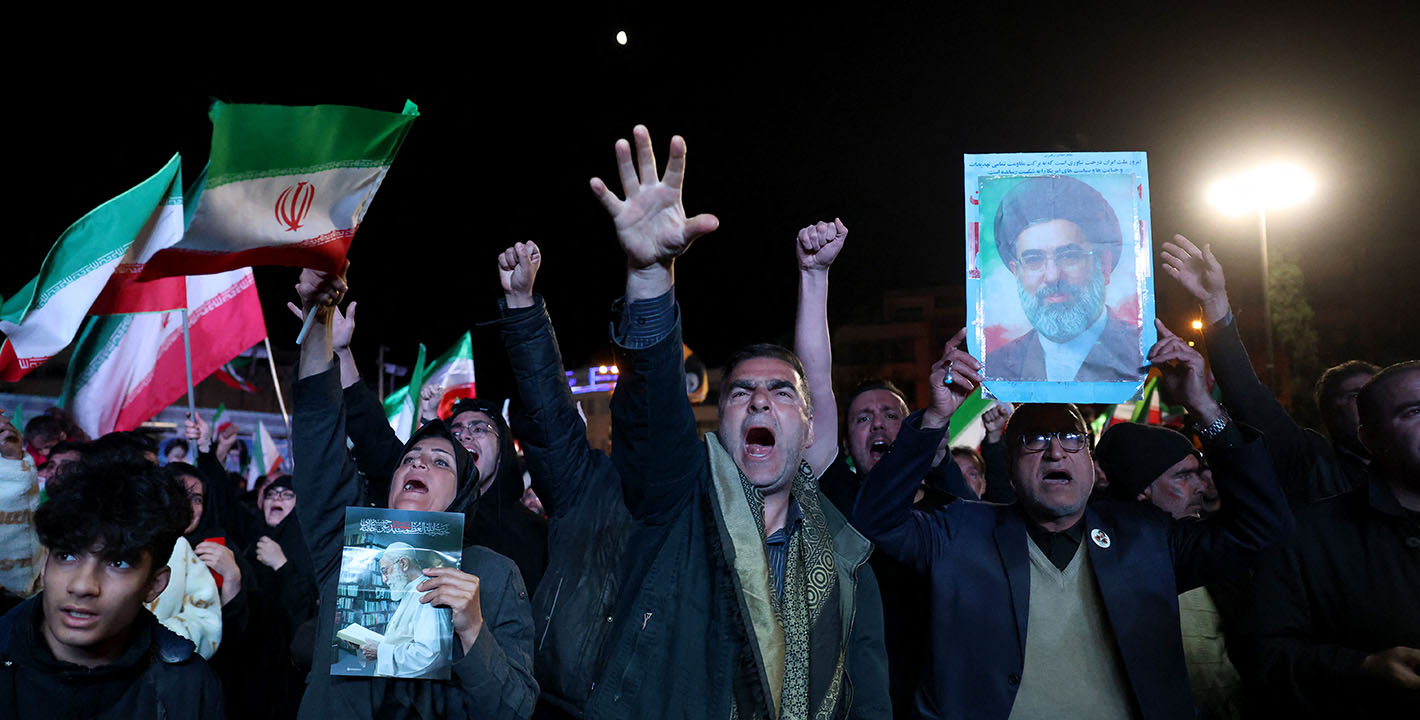
Spot analysis from Carnegie scholars on events relating to the Middle East and North Africa.

Michael Young
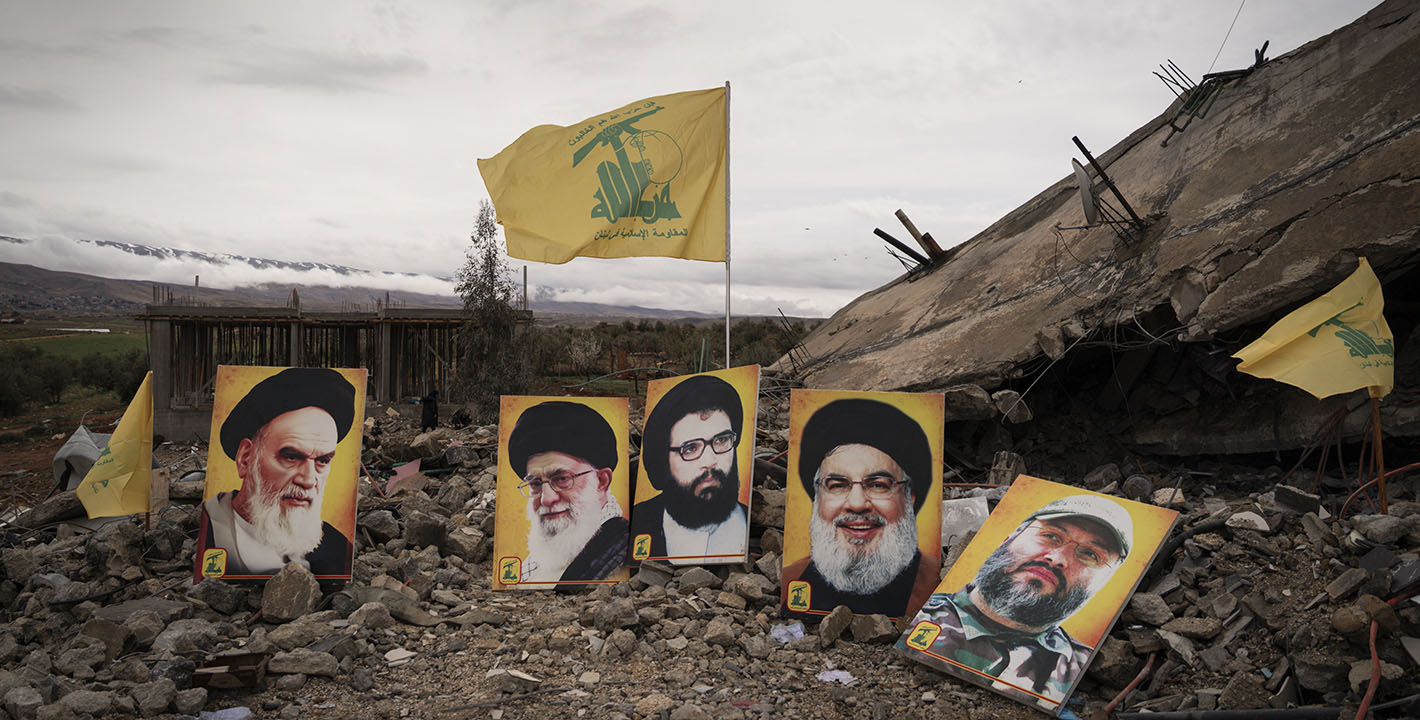
The party’s objectives involve tying together the Lebanese and Iranian fronts, while surviving militarily and politically at home.
Mohamad Fawaz

While armed forces commander Rudolph Haykal’s caution is understandable, he is in a position to act, and must.
Michael Young
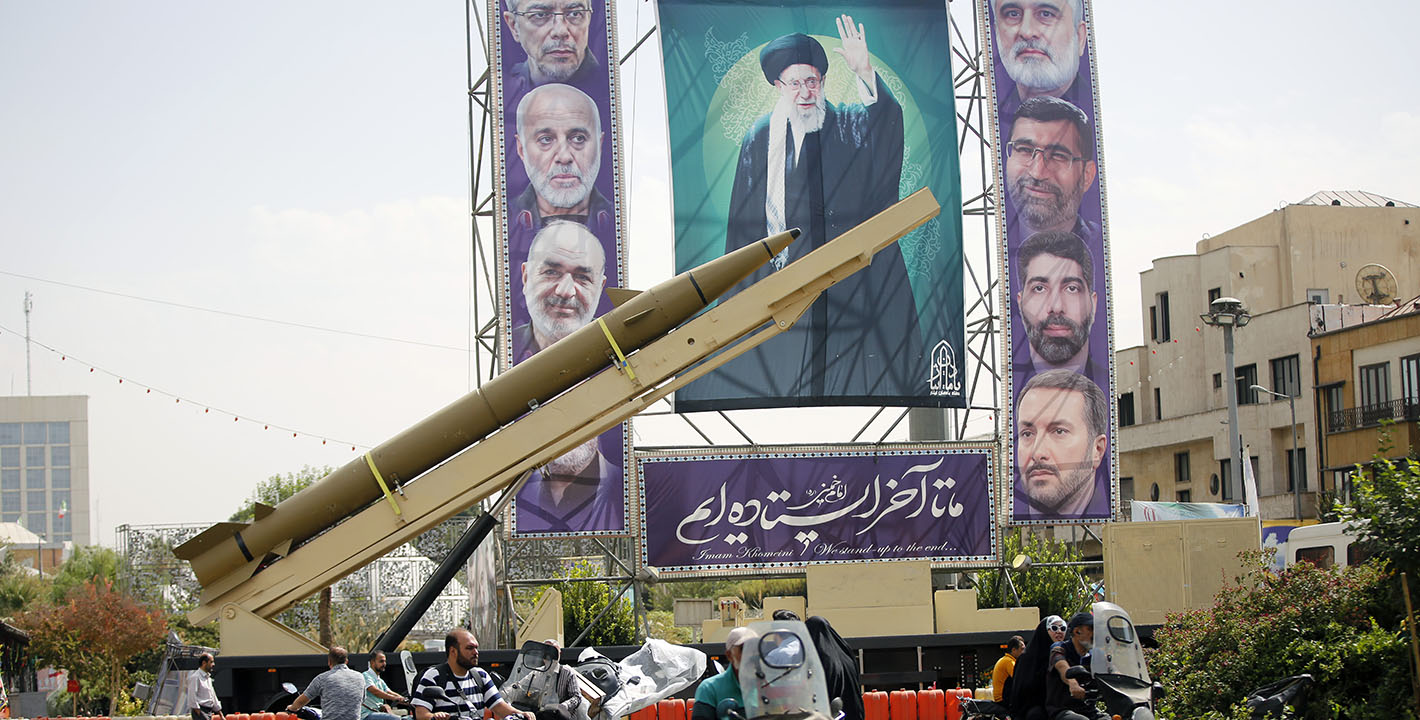
In an interview, Hamidreza Azizi discusses how Tehran has adapted in real time to the conflict with the United States and Israel.
Michael Young

The simple conclusion is that the scheme will bring neither peace nor prosperity, but will institutionalize devastation.
Nathan J. Brown