

In The Media
Minxin Pei
{
  "authors": [
    "Minxin Pei"
  ],
  "type": "legacyinthemedia",
  "centerAffiliationAll": "dc",
  "centers": [
    "Carnegie Endowment for International Peace",
    "Carnegie China"
  ],
  "collections": [],
  "englishNewsletterAll": "asia",
  "nonEnglishNewsletterAll": "",
  "primaryCenter": "Carnegie China",
  "programAffiliation": "AP",
  "programs": [
    "Asia"
  ],
  "projects": [],
  "regions": [
    "China"
  ],
  "topics": [
    "Economy",
    "Domestic Politics"
  ]
}
Source: Getty
Whether China will undertake political reform, which is broadly defined here as institutional changes that rationalize bureaucracy, strengthen the rule of law, expand political participation, and protect human rights, has been one of the most important issues facing policy- makers in China and the West ever since China began its economic reform in 1979.
Whether China will undertake political reform, which is broadly defined here as institutional changes that rationalize bureaucracy, strengthen the rule of law, expand political participation, and protect human rights, has been one of the most important issues facing policy- makers in China and the West ever since China began its economic reform in 1979. Many Western policy-makers expected that, as China becomes more wealthy and integrated into the global economy, the combination of social change especially the growth of the middle class), political evolution (the emergence of a new and perhaps more forward- looking elite), and economic-technological transformation (expanding private sector and access to information) would foster political liberalization
in China.
For full text of the article, please see the PDF document on the right
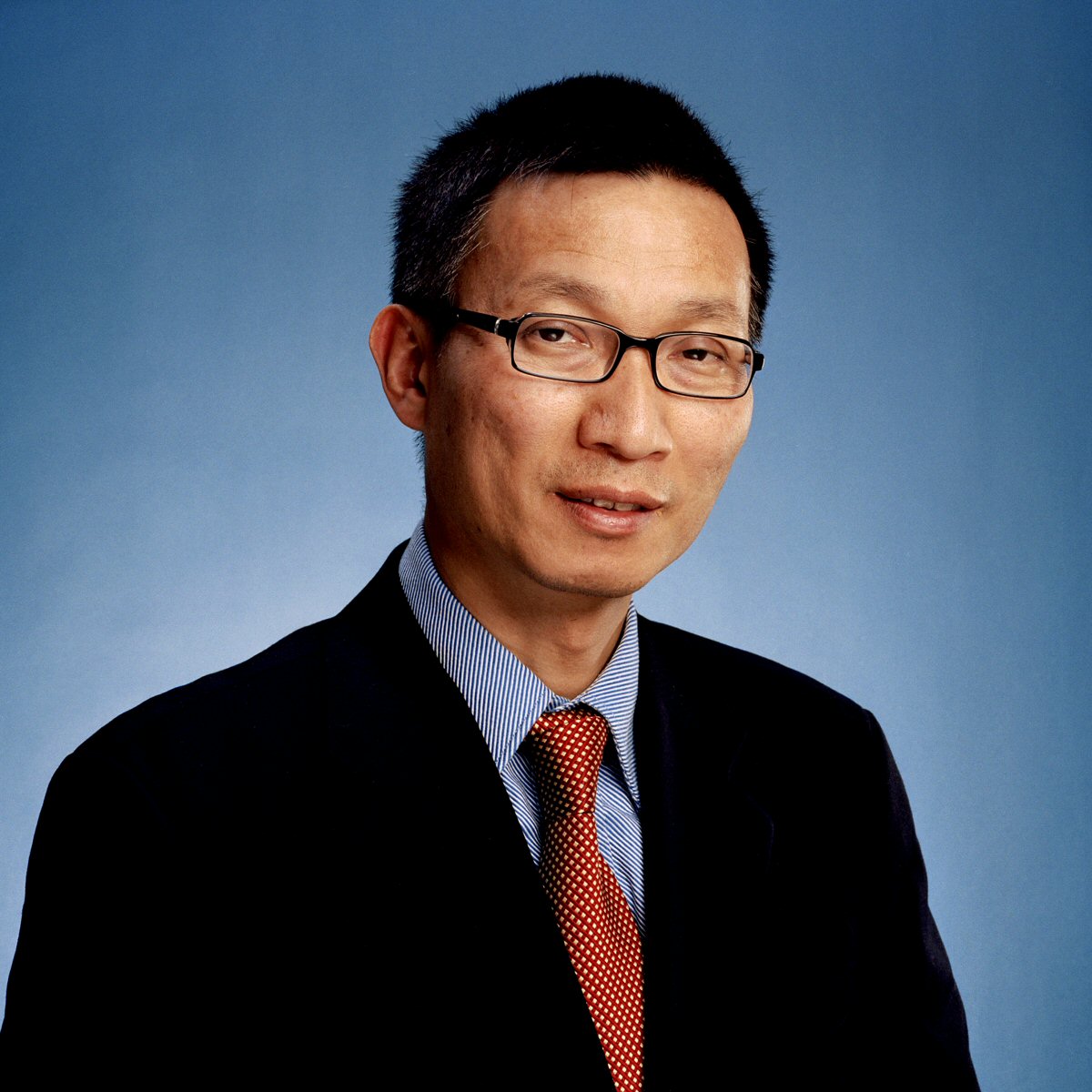
Former Adjunct Senior Associate, Asia Program
Pei is Tom and Margot Pritzker ‘72 Professor of Government and the director of the Keck Center for International and Strategic Studies at Claremont McKenna College.
Recent Work
Minxin Pei
Minxin Pei
Carnegie does not take institutional positions on public policy issues; the views represented herein are those of the author(s) and do not necessarily reflect the views of Carnegie, its staff, or its trustees.

The armed forces champion a form of capitalism that is generating revenue, but its reliance on rent faces diminishing returns, leaving the country with massive sunk costs and deferred returns, deepening dependency on external borrowing.

Yezid Sayigh

In an interview, Ishac Diwan looks at the merits and flaws in the draft legislation distributing losses from the financial collapse.

Michael Young

Mustaqbal Misr has expanded its portfolio with remarkable speed, but a lack of transparency remains.
Yezid Sayigh

Arab diaspora business communities in Egypt often mirror the same systemic challenges facing Egyptian businesses.

Nur Arafeh, Yezid Sayigh, Qaboul al-Absi, …

Largely characterized thus far by a single-minded focus on extractivism, Riyadh must commit to greater equitability in its approach to investment and development deals with Sudan, Ethiopia, and Eritrea.

Hesham Alghannam